Wisdom teeth extraction cost in the United States usually ranges from about $75 to $250 per tooth for a simple extraction and about $225 to $600 or more per tooth for a surgical extraction. Removing all four wisdom teeth often totals around $1,000 to $3,000 or more once surgery, sedation, imaging, and facility fees are included, though insurance and local pricing can change what you actually pay.
Typical costs vary based on the tooth position, treatment setting, and case difficulty. A personalized estimate usually requires an exam and dental X-rays. The final fee depends on whether the teeth are erupted or impacted, what type of anesthesia is used, who performs the procedure, and whether added imaging or follow-up care is needed.
If you are trying to decide whether painful, crowded, or impacted third molars should be removed or monitored, learning about wisdom teeth extraction can make the next step clearer. North Atlanta Center for Cosmetic & Implant Dentistry in Buford explains expected costs, anesthesia choices, and recovery in practical terms so you can make an informed decision.
A fully erupted wisdom tooth that can be removed like a standard tooth is usually less expensive. An impacted tooth may require an incision, bone removal, or sectioning the tooth into smaller pieces, which increases time and complexity.
Lower wisdom teeth near the inferior alveolar nerve may require more careful planning. Advanced imaging can help show how close the roots are to nearby nerves and other structures.
Other factors that can raise the cost include infection, curved or unusually shaped roots, denser bone in older patients, and the number of teeth removed in one visit. In some cases, referral for oral surgery or specialist care is the safest option, especially for deeply impacted teeth or medically complex patients.
The extraction fee listed in a quote is not always the full cost. Ask for a written estimate that separates each charge so you know what is included.
Confirm what the estimate covers before treatment. Some offices include routine follow-up care in the surgical fee, while others bill each service separately.
Simple extraction is usually the least expensive option, and recovery may be easier. It is only appropriate when the tooth is fully accessible and can be removed safely without surgical access.
Surgical extraction costs more because it often requires more time, more advanced technique, and sometimes sedation. If you want a better sense of timing, learn how long surgery takes.
Monitoring may be reasonable when wisdom teeth are healthy, functional, easy to clean, and not damaging nearby teeth or gums. It avoids immediate treatment costs, but it still requires periodic exams and imaging because problems can develop without obvious symptoms.
Removing all indicated wisdom teeth during one visit may reduce repeated exam, sedation, and facility charges. Still, preventive removal is not right for every symptom-free wisdom tooth, so the decision should reflect the tooth's position, disease risk, age, overall health, and patient preference.
Dental insurance often covers part of a medically necessary extraction after the deductible, but the exact amount depends on coinsurance, waiting periods, annual maximums, and network rules. Sedation coverage varies by plan, and not every part of treatment is covered.
Medical insurance may contribute in limited situations, such as trauma, pathology, hospitalization, or another qualifying medical issue. Even then, routine dental exclusions are common, so it is wise to verify benefits in advance.
Patients without coverage can ask about self-pay rates, payment plans, phased treatment, or care through an accredited dental school or residency clinic. Financing can lower the monthly payment, but interest and fees may increase the total amount paid.
Local anesthetic should prevent sharp pain during the extraction, but pressure, movement, and vibration are normal. Sedation dentistry can reduce anxiety or awareness, though it adds cost and may require fasting, an escort, and temporary restrictions after the procedure.
For some straightforward cases, local anesthetic may be enough. If you are comparing options, read about removal without anesthesia.
Swelling and soreness often peak during the first two to three days and then gradually improve. Many patients return to desk work within a few days, while more difficult surgery or physical jobs may require more downtime; these tips may help you speed up recovery.
Follow your clinician's instructions for eating, drinking, oral hygiene, and activity. It also helps to review what to eat after removal and what to drink after removal.
Avoiding smoking or straws can help protect the blood clot and lower the risk of dry socket. Dry socket is a painful complication that happens when the clot is lost or breaks down too soon.
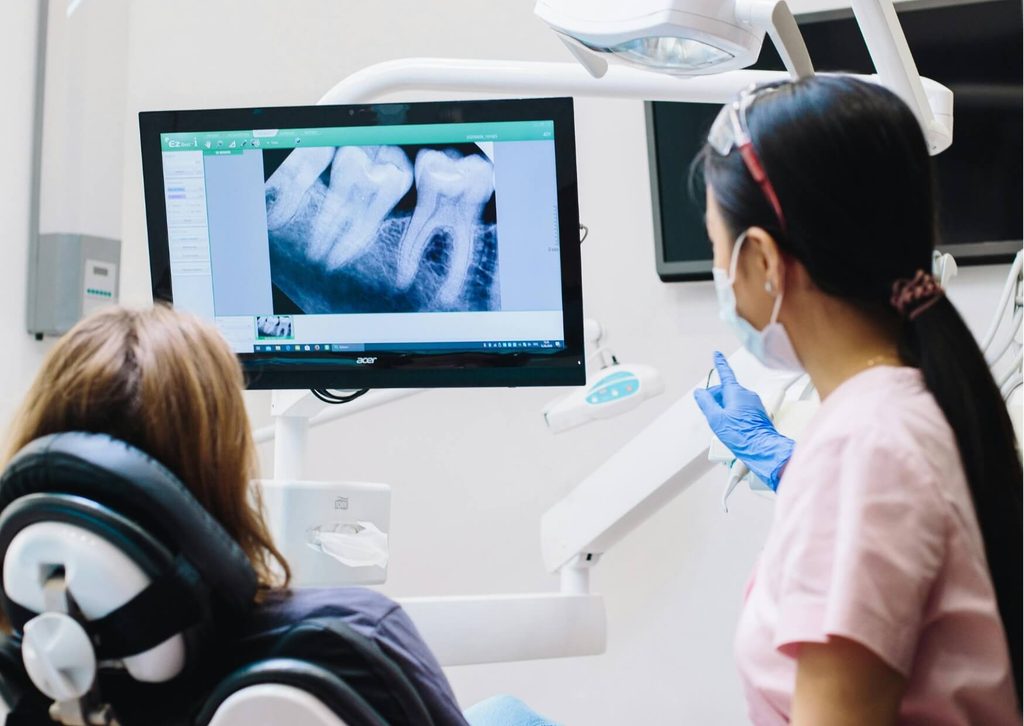
An evaluation is a good idea if you have pain, repeated gum swelling, food trapping, decay, gum disease, cysts, or damage to the second molar next to the wisdom tooth. It is also helpful when X-rays show that a wisdom tooth is unlikely to erupt into a clean, functional position.
A consultation does not commit you to surgery. It gives you a chance to review imaging, discuss whether monitoring is reasonable, compare anesthesia options, and receive an itemized estimate based on the actual complexity of your case.
Schedule an evaluation before symptoms become severe, especially if a dentist has already identified an impacted tooth. Seek prompt dental care for worsening pain, fever, pus, a bad taste with swelling, or trouble opening your mouth, and seek urgent medical care for trouble breathing or swallowing or rapidly spreading swelling.
The next step is a focused evaluation to confirm whether extraction, sedation, or monitoring makes the most sense and to give you a personalized cost estimate. North Atlanta Center for Cosmetic & Implant Dentistry provides wisdom teeth extraction in Buford and nearby Buford; call (770) 932-1115 to schedule your visit.
Removing all four commonly costs around $1,000 to $3,000 or more before insurance. The total depends on how many are impacted, the anesthesia used, local fees, imaging needs, and whether treatment happens in a dental office or surgical facility.
Usually, yes. A partially or fully impacted tooth often requires surgical access through gum or bone, which makes removal more complex than extracting a fully erupted tooth.
Many dental plans cover a portion when removal is considered necessary, but deductibles, annual maximums, waiting periods, and network status affect the patient's share. Ask both the office and insurer for a pretreatment estimate.
Not always. Local anesthesia may be enough for straightforward cases, while oral, intravenous, or general anesthesia may be considered for complex surgery, significant anxiety, or specific clinical needs.
Not necessarily, and pain alone does not determine difficulty. Earlier treatment may sometimes be less complex, but healthy wisdom teeth may be monitored when a clinician decides the risks of removal outweigh the likely benefits.
