A smile makeover before and after comparison can show dramatic improvement in color, shape, spacing, and balance, but the best results come from a plan that protects oral health first and uses the most conservative treatment that can achieve your goal. Realistic outcomes depend on your starting condition, bite, gum health, existing dental work, and how much natural tooth structure should be preserved.
If you're comparing before-and-after photos and deciding which combination of treatments will address discoloration, gaps, or worn teeth, a smile makeover can clarify realistic outcomes. At North Atlanta Center for Cosmetic & Implant Dentistry in Buford, GA, we create individualized plans that balance appearance, function, and long-term care.
A smile makeover combines cosmetic dentistry and, when needed, restorative treatment to improve how the teeth and smile look together. It may address stains, chips, gaps, worn edges, uneven tooth size, mild misalignment, missing teeth, or visible gumline differences.
Before-and-after photos are useful for showing changes in color, shape, spacing, and overall smile balance. They do not guarantee that another patient will get the same result.
Your outcome depends on factors such as enamel thickness, facial proportions, gum levels, bite forces, and older fillings, crowns, or veneers. That is why a photo gallery should be treated as a guide, not a promise.
When reviewing examples, look for photos taken in similar lighting and from similar angles. Ask whether the images show the dentist’s own patients, what procedures were used, how much tooth preparation was required, and how long the work had been in place when photographed.
It is also reasonable to ask whether the examples reflect current smile makeover trends, while still looking natural and appropriate for the patient. For a broader overview, see What is a smile makeover?
The best smile makeover is not always the one with the biggest immediate change. A good plan compares conservative options with more extensive cosmetic procedures and explains what each choice may mean for maintenance, replacement, and healthy tooth structure.
|
Option |
Often Used For |
Main Limits |
Typical Longevity |
|---|---|---|---|
|
Natural teeth with yellowing or age-related staining |
Does not lighten crowns, veneers, or fillings; some stains respond poorly |
Results may last months to several years, depending on habits and touch-ups |
|
|
Dental bonding |
Small chips, narrow gaps, uneven edges, or localized discoloration |
Can stain, wear, or chip more easily than porcelain |
Often about 3 to 10 years |
|
Multiple concerns involving color, shape, size, or mild spacing |
Usually requires some enamel removal and is not reversible |
Often about 10 to 15 years or longer with good care |
|
|
Orthodontic treatment |
Crowding, spacing, rotated teeth, and some bite problems |
Requires time and retainers; does not change tooth color or shape |
Alignment can remain stable with consistent retainer use |
|
Heavily restored, cracked, weak, or severely worn teeth |
Requires substantial tooth preparation and should not replace a more conservative option without a clear reason |
Often about 10 to 15 years or longer |
|
|
Implants or bridges |
Missing teeth |
Implants require surgery; bridges rely on neighboring teeth for support |
Varies by restoration type, health, hygiene, and bite forces |
These timeframes are general estimates, not guarantees. Grinding, smoking, staining drinks, poor plaque control, untreated bite problems, and missed dental visits can shorten how long results last.
The order of treatment affects both appearance and durability. teeth whitening is often done before bonding, veneers, or crowns because restorative materials do not bleach.
Orthodontic treatment may also come first if moving the teeth can reduce the need to reshape healthy enamel. In many cases, straightening first leads to a more conservative final result.
Cavities, gum disease, infection, and unstable bite problems usually need treatment before elective cosmetic work. Healthy gums and stable teeth are the foundation of a lasting smile makeover.
The first visit usually includes a conversation about your goals, an exam, photos, and any needed X-rays or digital scans. The dentist may also evaluate your bite, gum display, tooth proportions, existing dental work, and signs of clenching or grinding.
Planning may include digital previews, study models, or a temporary mock-up. These tools help you discuss shape, length, and shade, but they are planning aids rather than exact guarantees.
What treatment feels like depends on the procedures involved. Whitening can cause temporary sensitivity, orthodontics often causes pressure after adjustments, and bonding may need little or no anesthesia.
Veneers and crowns usually involve numbing, tooth preparation, temporary restorations, and some short-term sensitivity afterward. More complex cases may take several months if gum treatment, orthodontics, implants, or healing time are part of the plan.
Smaller changes, such as whitening with limited bonding, may be completed in fewer visits. Your dentist should explain the expected timeline before treatment begins.
A successful result should do more than look bright in a photo. Your teeth should come together comfortably, speech should feel normal after any adjustment period, and the restorations should be easy to keep clean.
Review the final result for shade, tooth length, edge position, symmetry, and how the smile looks when you talk and smile naturally. A result that looks balanced in motion often matters more than one close-up photo.
Very white or highly uniform teeth may create a Hollywood smile look that does not suit every face. Natural-looking results usually keep some subtle variation in shape and translucency.
Contact the treating dentist if a restoration feels high when you bite, stays painful, becomes loose, or repeatedly catches floss. Seek urgent dental care for facial swelling, fever with dental pain, uncontrolled bleeding, trouble swallowing or breathing, or rapidly worsening symptoms.
A good candidate usually has clear cosmetic goals, realistic expectations, and oral health that is stable or can be stabilized first. Healthy gums, enough enamel, manageable bite forces, and a commitment to maintenance can expand your options.
Treatment may need to be delayed or adjusted if you have untreated decay, active gum disease, severe dry mouth, uncontrolled grinding, major enamel loss, or a complex bite problem. Some concerns that seem cosmetic may actually point to an underlying dental issue.
Persistent tooth wear, changing gum levels, unexplained discoloration, or loose teeth should be evaluated before they are covered with cosmetic work. In those cases, diagnosis comes before aesthetics.
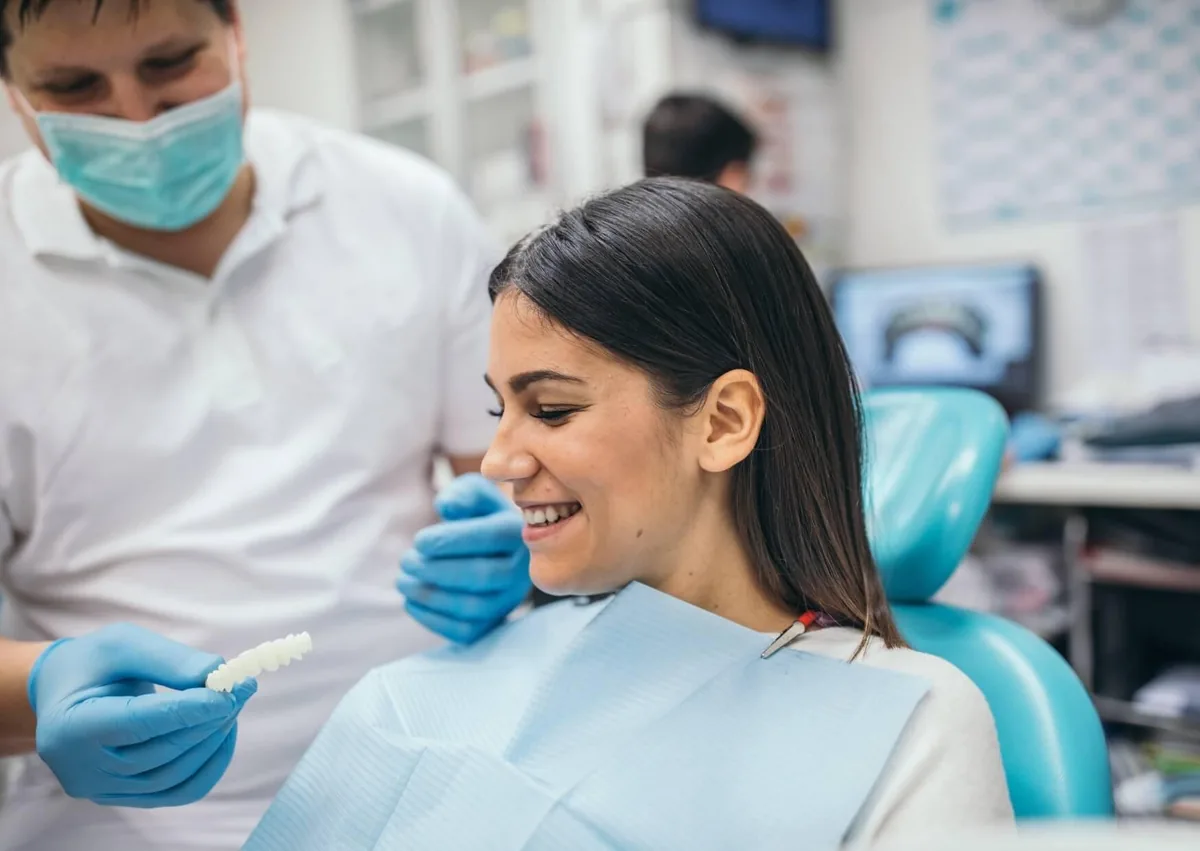
It makes sense to schedule a consultation when the issue affects your confidence, comfort, or function and you are ready to compare realistic options. Bringing photos of smiles you like can help clarify your preferences.
A written treatment plan should explain the sequence of care, alternatives, fees, maintenance needs, and likely future replacement needs. That kind of planning helps turn smile makeovers before and after inspiration into a practical long-term decision.
A consult focused on sequencing and realistic expectations is the best next step to translate before-and-after examples into a plan that protects your teeth and gums. Call North Atlanta Center for Cosmetic & Implant Dentistry in Buford, GA, serving patients from Sugar Hill and Suwanee, to discuss a smile makeover and schedule an appointment at (770) 932-1115.
A smile makeover can address concerns such as tooth discoloration, chips, gaps, worn edges, uneven tooth size, mild misalignment, missing teeth, and visible gumline differences.
Longevity depends on the treatments used. Dental bonding may last about 3 to 10 years, while veneers and crowns may last about 10 to 15 years or longer with good care. Individual results can vary based on oral hygiene, bite forces, habits, and maintenance.
The experience depends on the procedures involved. Whitening may cause temporary sensitivity, orthodontic treatment can cause pressure after adjustments, and bonding may require little or no anesthesia. Veneers and crowns typically involve numbing and may cause some short-term sensitivity.
A good candidate typically has clear cosmetic goals, realistic expectations, and stable oral health or conditions that can be treated first. Healthy gums, sufficient enamel, manageable bite forces, and a commitment to ongoing maintenance can expand treatment options.
The right combination depends on your teeth, gums, bite, cosmetic goals, existing dental work, and long-term maintenance needs. A consultation can help determine the treatment order, alternatives, expected timeline, and future care requirements.
