In most cases, you should wait about 30 minutes before eating or drinking after a fluoride treatment, but the exact timing depends on the product your dentist used. After fluoride varnish, many patients can eat once that initial wait has passed, but they should still avoid hot, hard, sticky, or acidic foods for several hours based on the product’s aftercare instructions (see what to eat after the procedure).
Professional fluoride is often provided during preventive dental care visits, and the dental team should tell you exactly when it is safe to eat, drink, brush, and floss. If you do not remember which product was used, call the office before eating rather than guessing (for general drink restrictions after dental treatment, see what to drink after the procedure).
If you’re unsure which fluoride product was used or how long to wait before eating, preventive dental care can clarify the correct post-treatment steps. At North Atlanta Center for Cosmetic & Implant Dentistry in Buford, GA, we review your treatment and give clear, practical aftercare so you know when it’s safe to eat.
The answer depends on how the fluoride was applied. Varnishes, gels, foams, and silver diamine fluoride do not all come with the same eating instructions.
|
Fluoride Treatment |
Typical Eating Guidance |
Other Common Restrictions |
|---|---|---|
|
Fluoride varnish |
Often wait about 30 minutes |
For 4 to 6 hours, avoid hot, hard, crunchy, sticky, and acidic foods unless instructed otherwise |
|
Fluoride gel or foam |
Commonly wait about 30 minutes |
Avoid food, drinks, and rinsing during the stated waiting period |
|
Silver diamine fluoride |
Instructions vary by product and clinical situation |
Follow the dentist’s directions because treated decay may permanently darken |
These are general guidelines, not a substitute for the instructions you received at your appointment. Your dental team’s directions always take priority because product formulas and treatment goals can differ.
Fluoride works best when it stays in contact with the teeth long enough to strengthen enamel. Eating too soon can reduce that contact time, especially if the food is crunchy, sticky, or very hot.
Fluoride varnish hardens when it meets saliva, but it still leaves a temporary coating on the teeth. That is why many offices recommend soft, cool, or room-temperature foods for the next several hours.
Acidic foods and drinks can also work against the goal of protecting enamel. Soda, citrus, sports drinks, and similar items are usually best avoided during the restriction period.
Once the initial waiting period has passed, soft foods are usually the safest choice. Good options include yogurt, applesauce, scrambled eggs, mashed potatoes, soft pasta, and lukewarm soup.
Try to avoid nuts, chips, popcorn, chewy candy, gum, crusty bread, and very hot meals until the restriction period ends. If you are unsure whether water or other drinks are allowed sooner, follow the instructions from your dental office.
Hot drinks are often restricted longer than the initial 30-minute waiting period, especially after fluoride varnish. Even if you are allowed to eat, hot coffee or tea may soften or disturb the coating too soon.
If you want coffee later the same day, wait until the office’s hot-food restriction has passed. A cooler drink is usually the safer option during that window.
After fluoride varnish, many patients are told to wait 4 to 6 hours before brushing or flossing, although some products are meant to stay on until bedtime or the next morning. Brushing too early can remove the coating before it has had enough time to work (for another example of post-procedure brushing timing, see brushing after extraction).
When you brush again, use a soft-bristled toothbrush and gentle pressure. A temporary rough feeling or slight yellow tint can happen with some varnishes and usually goes away after brushing, similar to other appearance-related aftercare guidance such as brushing after whitening).
Fluoride treatment is usually quick and painless. Varnish is painted onto dry teeth with a small brush, while gel or foam may be placed in trays for a short time.
Your teeth may feel slightly coated, sticky, or different for a few hours. The taste can also linger briefly, but that usually improves once the product is brushed away at the recommended time.
Professional fluoride can help lower cavity risk, but it does not fix a large cavity, replace a filling, or stop future decay on its own. It works best as part of regular preventive care and good home habits.
Professional fluoride may be recommended for children and adults who are at risk of cavities. That can include people with frequent cavities, dry mouth, exposed roots, braces, enamel weakness, or restorations that make decay more likely.
Children often receive fluoride during pediatric dentistry visits. Parents should expect clear aftercare instructions about eating, drinking, and brushing afterward.
How often fluoride is helpful depends on your cavity history, diet, medications, home care, and fluoride exposure from other sources. A dentist can tell you whether it is worth repeating and which type makes the most sense.
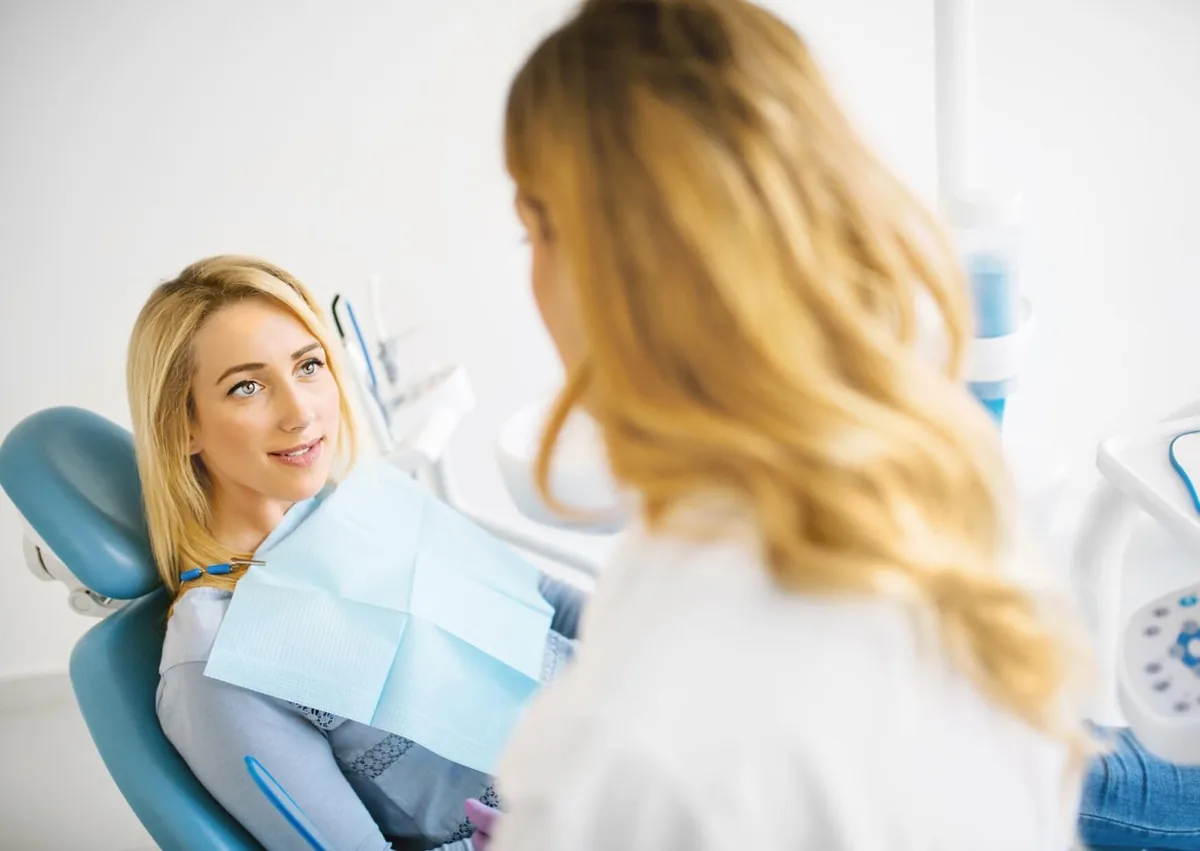
If you are unsure what was placed on your teeth, how long to wait before eating, or whether your symptoms are normal, contact the dental office for clarification. If you develop trouble breathing, facial or throat swelling, widespread hives, repeated vomiting, or other signs of a severe reaction, seek urgent medical care right away.
A routine visit for dental checkups is a good time to ask whether professional fluoride is appropriate for you. It also gives your dentist a chance to check for active decay, dry mouth, sensitivity, and enamel changes that fluoride alone may not solve.
If you have questions about post-fluoride care or need confirmation of the product applied, schedule a preventive dental care visit for a clear aftercare plan and exam. Call North Atlanta Center for Cosmetic & Implant Dentistry for preventive dental care in Buford, GA, serving Sugar Hill and Suwanee, at (770) 932-1115 to book an appointment.
Many offices recommend waiting about 30 minutes before drinking water, but some varnish products may allow it sooner. Follow the specific directions from the dental office that treated you.
Eating too soon may remove some of the varnish or shorten the time it stays on the teeth. It is usually not an emergency, but call the dental office if you ate immediately and want to know whether any follow-up is needed.
It is usually best to avoid hot coffee during the varnish restriction period, commonly about 4 to 6 hours (see drinking coffee after dental work). Once it is allowed, a cooler drink is often the better choice.
In most cases, yes. By the next day, normal eating, drinking, brushing, and flossing can usually resume unless your dentist gave you longer instructions for a specific product or dental condition.
A very small amount may mix with saliva during treatment, and professional products are used in controlled amounts. If a larger amount was swallowed or you develop nausea, vomiting, abdominal pain, or other concerning symptoms, contact the dental office, Poison Control in the United States at 1-800-222-1222, or emergency services for severe symptoms.
