Digital smile design uses photos, digital scans, and planning software to show a realistic preview of cosmetic dental changes before treatment starts. It can make decisions clearer and reduce uncertainty, but the preview is a planning tool, not a guarantee of the final result.
If you're deciding whether a digital smile preview matches your natural features, cosmetic dentistry helps translate design options into treatments that balance appearance with tooth health. At North Atlanta Center for Cosmetic & Implant Dentistry in Buford, GA, our team focuses on practical, conservative plans that show expected trade-offs and long-term maintenance.
Digital smile design looks at how the teeth, gums, lips, and facial features work together. It can help explore changes in tooth length, width, shape, color, alignment, spacing, and the visible gumline.
This kind of preview helps answer practical questions. For example, it can show whether closing a gap would suit your face or whether veneers might appear too wide or too long.
Some offices also create a physical model or temporary mock-up. That lets you see proposed contours in your mouth instead of only on a screen.
Digital planning still has limits. Tooth strength, enamel thickness, bite forces, gum health, bone support, and how materials reflect light all need an in-person exam and appropriate imaging.
Digital smile design does not replace whitening, orthodontics, bonding, or veneers. It helps determine which treatment, or combination of treatments, is most likely to improve appearance while protecting healthy tooth structure.
|
Planning Or Treatment Option |
What It Can Do |
Important Limit |
|---|---|---|
|
Digital smile design |
Simulates proposed cosmetic changes |
Does not treat teeth or guarantee an exact result |
|
Diagnostic wax-up or mock-up |
Creates a physical model or in-mouth trial |
May require added time and cost |
|
Teeth whitening |
Lightens many natural tooth stains |
Does not change tooth shape or lighten restorations |
|
Dental bonding |
Reshapes or repairs teeth with tooth-colored resin |
Can stain or chip and usually has a shorter lifespan than ceramic |
|
Orthodontic treatment |
Moves teeth and can improve alignment and bite |
Requires time and cannot change tooth color or basic tooth anatomy |
|
Porcelain veneers |
Changes visible tooth shape, color, and proportions |
Usually requires irreversible tooth preparation and future replacement |
A conservative plan may start with orthodontics or whitening before restorative work. That can reduce how much healthy tooth structure needs to be altered.
In other cases, direct bonding may provide enough improvement without ceramic restorations. When several treatments are combined, a smile makeover can be planned with digital smile design to coordinate the stages and expected outcome.
Longevity depends on the treatment chosen, not the software. Whitening needs maintenance, bonding may need polishing or repair, and veneers can last many years but are not lifetime restorations.
The biggest benefit is clearer decision-making. Patients can compare options, discuss preferences, and decide what looks natural before moving forward with irreversible treatment.
Digital measurements can also help the dentist and dental lab coordinate tooth proportions and restoration contours. That can make complex cosmetic planning more predictable, especially when several teeth or the gumline are involved.
The main limitation is expectation management. Final results may differ from the simulation because gums heal, teeth can shift, materials have physical limits, and a still image may look wrong in person.
Digital smile design also does not make every possible change a good idea. Healthy enamel should not be removed just to match a software image if a less invasive option can address the concern.
The planning visit is usually comfortable and noninvasive. The dental team may take facial and dental photos, video, a digital scan, and X-rays when clinically needed.
In many cases, a small handheld scanner captures the teeth instead of traditional impression material. The dentist then reviews the records, checks oral health and bite function, and develops one or more proposed designs.
For more complex cases, CBCT & 3D imaging may be used to improve diagnosis and planning. This can be especially helpful when tooth position, bone support, or implants are part of the case.
At a follow-up visit, you may review side-by-side simulations or try a mock-up. This is the right time to discuss tooth length, color, symmetry, cost, treatment stages, maintenance, and which changes would be irreversible.
The timeline depends on case complexity and whether a dental lab is involved. Actual treatment may take one or two visits for limited bonding or several months for orthodontics or multidisciplinary care.
Digital smile design can be useful for adults considering veneers, bonding, dental crowns, orthodontics, gum contouring, dental implants, or a combination of cosmetic treatments. It is especially helpful when changes involve several teeth or when you want to compare conservative and more extensive options.
A healthy foundation comes first. Active cavities, gum disease, significant enamel wear, tooth grinding, an unstable bite, or untreated infection may need to be addressed before elective cosmetic treatment begins.
A preview is also not enough on its own when expectations cannot be achieved safely. A responsible consultation should explain limitations, alternatives, likely maintenance, total fees, and whether treatment would remove healthy tooth structure.
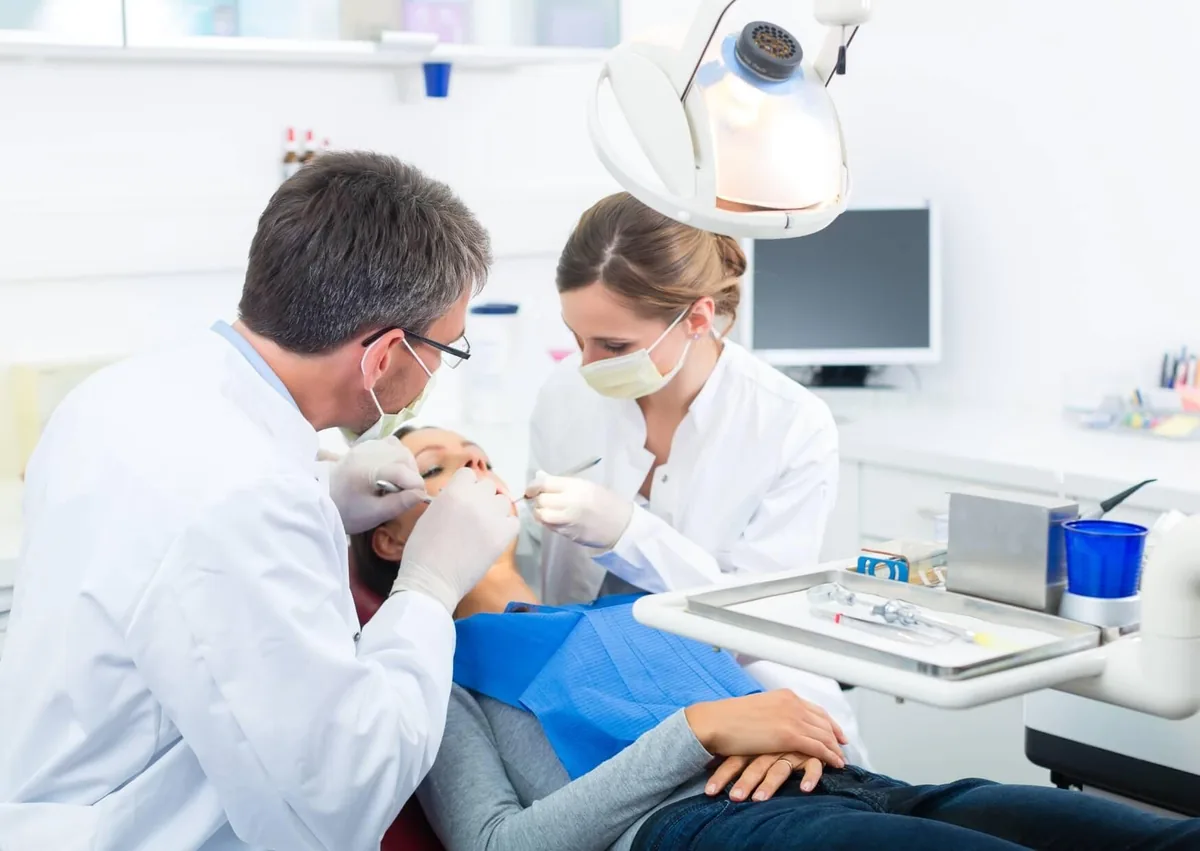
Schedule a consultation when your cosmetic concern is stable, your oral health is reasonably controlled, and you want to understand your options before making a decision. If helpful, bring photos of smiles you like, but expect the dentist to adapt those preferences to your facial features, tooth structure, and bite.
Do not wait for cosmetic planning if you have facial swelling, fever with dental pain, uncontrolled bleeding, trauma, or trouble swallowing or breathing. Persistent pain, a loose tooth, a nonhealing mouth sore, or rapidly changing gums also deserve prompt professional evaluation.
A consultation is most useful when it includes a full exam, not just a simulation. Ask to see realistic cases, clarify who creates the design, and request a written plan that separates optional cosmetic procedures from treatment needed for health or function.
To move from a digital preview to a clear treatment plan, request a consultation to review realistic options and conservative alternatives. North Atlanta Center for Cosmetic & Implant Dentistry offers cosmetic dentistry in Buford with care for patients from Sugar Hill and Suwanee; call (770) 932-1115 or book online to get started.
No. Digital smile design is a planning and communication method, while dental veneers are restorations bonded to the front surfaces of teeth. A digital plan may show that whitening, orthodontics, bonding, or no treatment is more appropriate.
A well-prepared simulation can closely represent the intended tooth proportions and positioning. It cannot perfectly predict healing, color in every lighting condition, soft-tissue movement, or how the final smile will look during every facial expression.
The records and computer simulation do not usually alter teeth. Any tooth reduction comes from the treatment chosen afterward, so patients should ask whether a plan is additive, minimally invasive, or requires irreversible enamel removal.
Fees vary by region, case complexity, records required, laboratory involvement, and whether the planning fee is included in treatment. Ask for a written estimate and whether revisions, mock-ups, scans, and follow-up visits are included.
Insurance often excludes services performed only for appearance. Coverage may differ when part of the evaluation or treatment is medically necessary, so review the procedure codes and any predetermination with the dental office and insurer.
