A dry mouth usually means you are not making enough saliva, a condition called xerostomia. It can happen temporarily from dehydration, stress, mouth breathing, or alcohol use, but ongoing dryness is often linked to medications, health conditions, or reduced salivary gland function and should be checked.
If you think stress may be part of the problem, read our article on stress affecting teeth. Saliva does more than keep your mouth comfortable. It helps you chew, swallow, and speak, protects enamel, and helps control bacteria that can lead to cavities and bad breath.
If persistent dry mouth is affecting your comfort or dental health, an oral checkup can pinpoint causes like medication effects, gland problems, or early decay. North Atlanta Center for Cosmetic & Implant Dentistry in Buford, GA can evaluate salivary function and recommend targeted prevention or treatment to protect your teeth and ease symptoms.
Water can help if you are dehydrated, but it does not replace saliva. If your mouth feels dry again soon after drinking, the problem may be reduced saliva production rather than low fluid intake alone.
Common causes include medication side effects, nasal congestion with mouth breathing, tobacco or cannabis use, anxiety, hormonal changes, and certain medical conditions. In many cases, more than one factor is involved.
Medications are one of the most common reasons for dry mouth. Common examples include some antihistamines, decongestants, antidepressants, blood pressure medicines, bladder-control medicines, muscle relaxants, and pain medicines, and reviews note that 500 types of medications have been associated with dry mouth.
Health conditions can also reduce saliva flow. These include diabetes, autoimmune diseases such as Sjögren’s disease, salivary gland disorders, and nerve damage.
Cancer treatment may also play a role. Radiation to the head or neck can cause long-lasting dryness, while chemotherapy may affect saliva temporarily in some patients.
Do not stop or change medication on your own. A dentist or medical clinician can help identify whether a medicine may be contributing and whether a safer adjustment should be discussed with the prescriber. A dental checkup can also reveal oral signs of medication-related dry mouth and help guide next steps.
Nighttime dryness is common because saliva production naturally drops during sleep. Snoring, sleeping with your mouth open, nasal blockage, and CPAP use can make symptoms more noticeable.
Daytime dryness may be more noticeable during stress, long conversations, exercise, or when taking certain medicines. If symptoms happen both day and night, a broader cause such as medication effects or reduced gland function becomes more likely.
A pattern can offer clues. Dryness that is worst overnight may point to mouth breathing, while dryness that stays constant all day may suggest a medication or medical issue.
Dry mouth often feels sticky, pasty, or cottony rather than simply thirsty. You may also notice thick or stringy saliva, cracked lips, a dry or burning tongue, altered taste, bad breath, frequent thirst, or trouble speaking, chewing, swallowing, or wearing dentures.
Low saliva raises the risk of cavities, especially near the gumline and on exposed root surfaces. It can also make mouth sores, enamel erosion, irritated gums, and oral yeast infections more likely.
If you notice bleeding, swelling, or ongoing gum irritation, ask about gum disease treatment. These symptoms do not always mean gum disease, but they should not be ignored.
The best treatment depends on the cause. Mild dryness may improve with simple steps, but persistent xerostomia usually needs a plan that protects your teeth as well as your comfort.
|
Option |
Potential Benefit |
Important Limit |
|---|---|---|
|
Frequent sips of water |
Quickly moistens the mouth |
Relief may be brief and does not replace saliva’s protective role |
|
Sugar-free gum or lozenges |
Can stimulate remaining saliva flow |
May not help if gland function is severely reduced; choose nonacidic products |
|
Saliva substitutes or moisturizing gels |
Lubricate the mouth, especially overnight |
Usually provide temporary comfort rather than restoring gland function |
|
Fluoride treatment |
Helps reduce cavity risk |
Protects teeth but does not directly relieve dryness |
|
Medication review |
May identify an adjustable cause |
Any change must be coordinated with the prescribing clinician |
|
Prescription saliva stimulants |
May increase saliva in selected patients |
Require medical assessment and can cause side effects |
Water, sugar-free gum, and dry-mouth rinses can help many people feel better. Choose alcohol-free products, since alcohol can make irritation and dryness worse.
Xylitol-containing products may also help, especially for cavity prevention. Just remember that large amounts can upset the stomach, and xylitol is highly toxic to dogs.
It also helps to limit tobacco, cannabis smoke, frequent alcohol, and excess caffeine if they make symptoms worse. Avoid sugary or acidic candies, because repeated exposure can speed up decay and enamel wear.
A dental checkup for dry mouth is usually simple and noninvasive. The visit often starts with questions about when the dryness began, whether it is worse at night or during meals, and what medications or supplements you take.
Your dentist may also ask about dry eyes, joint discomfort, frequent urination, trouble swallowing, or recent health changes. These details can help show whether the problem is mainly oral, medication-related, or part of a larger medical issue.
The exam may include your lips, tongue, cheeks, gums, teeth, salivary gland openings, and the amount and texture of your saliva. Dental X-rays may be recommended to check for hidden decay.
Some patients also need salivary flow testing, medical lab work, or referral to a physician or specialist. That is especially true when symptoms are severe, unexplained, or linked with other whole-body symptoms.
The treatment plan may combine preventive dental care, symptom relief, medication review, and care for any underlying condition. Improvement may be quick when the cause is temporary, but medication-related, autoimmune, or radiation-related dry mouth often needs ongoing management.
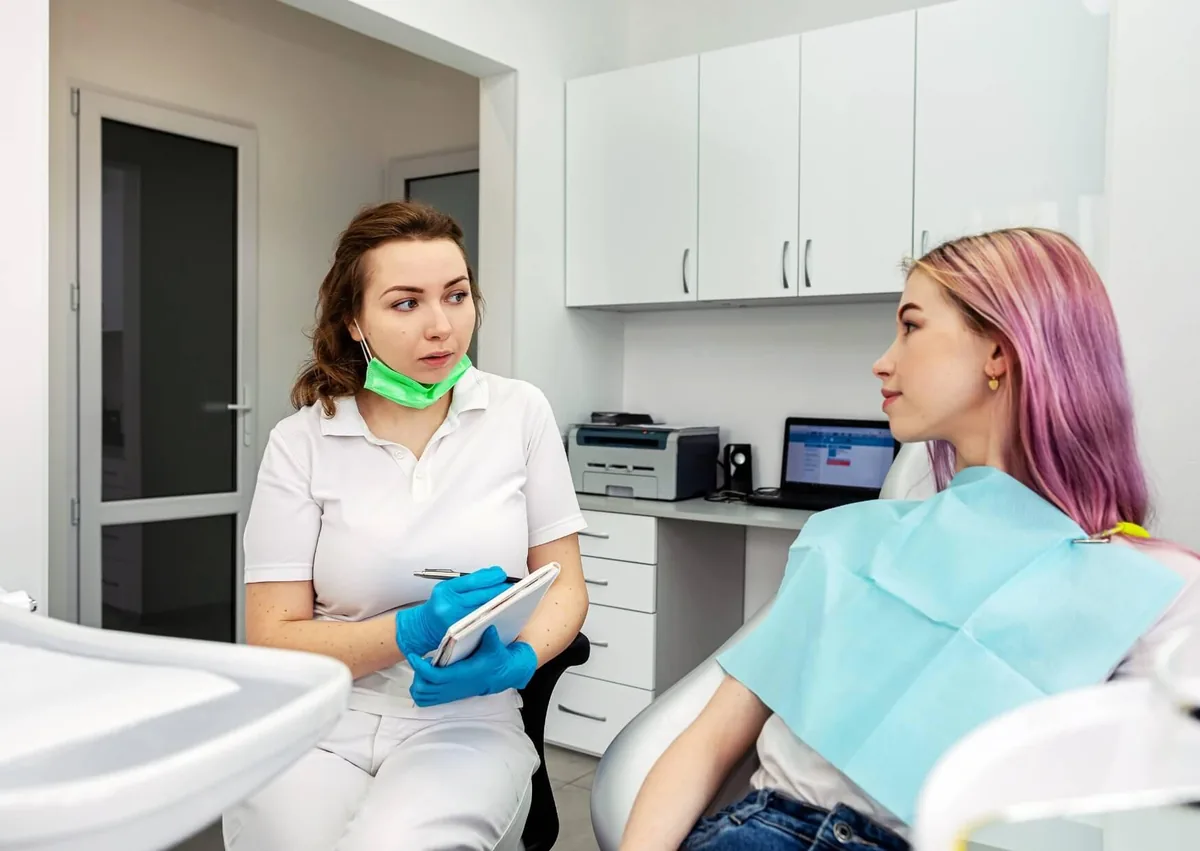
Schedule an evaluation if dry mouth lasts more than a couple of weeks, wakes you repeatedly, affects eating or swallowing, or comes with new cavities, mouth sores, burning, or persistent bad breath. It is also smart to get checked soon after a medication change.
Dry mouth with dry eyes or other unexplained symptoms deserves earlier attention. That combination can sometimes point to a broader medical condition that should not be overlooked.
Seek prompt medical care for signs of significant dehydration, such as confusion, fainting, very dark or minimal urine, rapid heartbeat, or inability to keep fluids down. Difficulty breathing or swallowing, sudden swelling of the face or neck, or swelling beneath the tongue requires urgent care.
A good candidate for dental dry mouth care is anyone with recurring symptoms or a higher risk of cavities, even if the discomfort seems manageable. A consultation can show whether simple habit changes are enough or whether fluoride protection, saliva-support products, medical coordination, or further testing would be safer.
A focused dental checkup can clarify causes of dry mouth, start preventive fluoride or saliva-support plans, and coordinate care with your prescriber. Contact North Atlanta Center for Cosmetic & Implant Dentistry in Buford, GA, serving patients from Sugar Hill and Suwanee, or call (770) 932-1115 to schedule an appointment.
Yes. Stress and anxiety can temporarily reduce saliva flow and may also lead to mouth breathing, but recurring dryness should not automatically be blamed on anxiety without considering medications and health conditions.
Saliva production naturally decreases during sleep. Mouth breathing, snoring, nasal congestion, certain medicines, and sleep-related breathing problems can make nighttime dryness worse.
No. Dehydration is only one possible cause. If dryness continues even when you are drinking enough fluids, medication effects, reduced salivary gland function, mouth breathing, or an underlying health condition may be involved.
Yes. Reduced saliva leaves teeth less protected from acids and bacteria, which increases the risk of cavities and enamel damage. Regular dental monitoring and a personalized fluoride plan can help lower that risk, and you can also learn how to improve oral hygiene.
Temporary dryness may improve after hydration, recovery from illness, or relief of nasal congestion. Dry mouth caused by medications, chronic conditions, or salivary gland damage may need long-term management.
