Veneers last 10 to 25 years depending on the material, care, and your habits. Porcelain veneers often last 15 to 25 years, while composite veneers usually last 5 to 12 years. Good oral hygiene, avoiding damaging habits, and regular visits to Buford Dentist extend their lifespan.
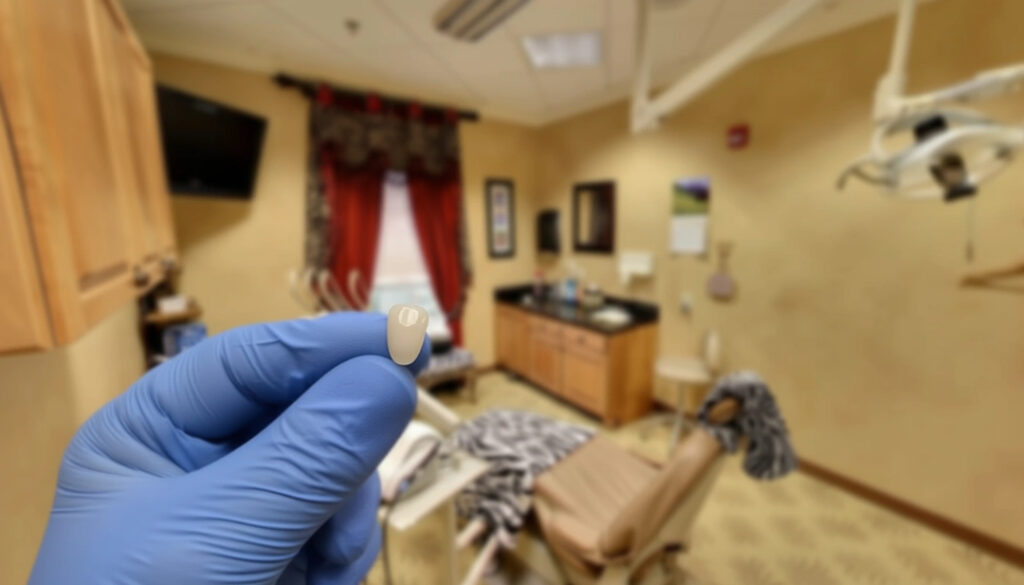
Porcelain veneers generally last 15 to 25 years. Composite veneers typically last 5 to 12 years.
The difference comes from material strength, stain resistance, and bonding techniques.
In Georgia, patients who maintain good oral hygiene and avoid harmful habits often see porcelain veneers last beyond two decades.
Key averages:
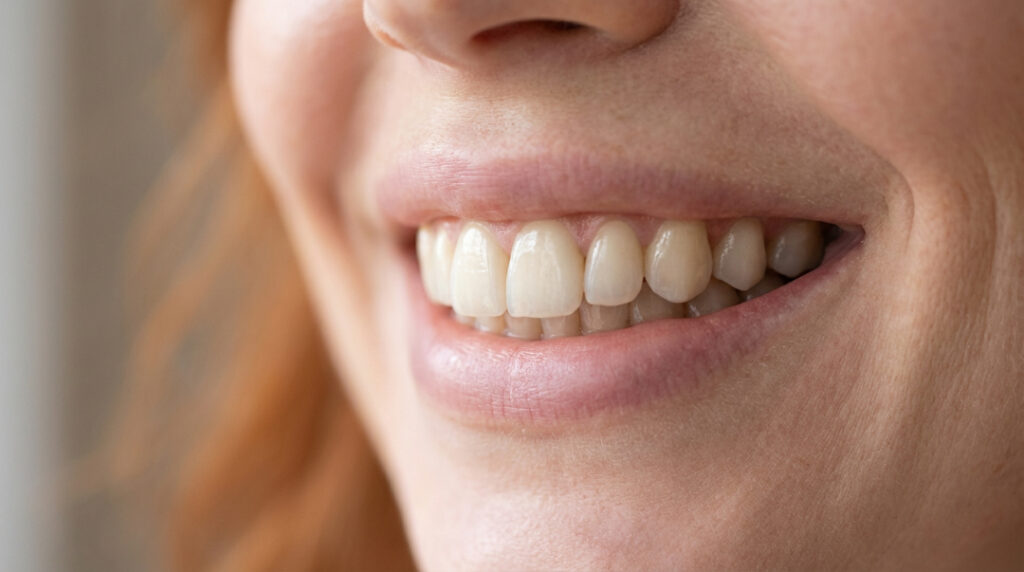
Porcelain dental veneers are durable, stain resistant, and retain natural shine. They often last more than 20 years.
Composite veneers are cheaper but less durable. They stain easier and usually need replacement within 5 to 10 years.
Newer ultra-thin porcelain and improved bonding systems are extending veneer lifespans even further.
The skill of your cosmetic dentist directly impacts veneer longevity. At Buford Dentist, precise enamel preparation and high-quality bonding improve veneer stability.
Poorly fitted veneers often fail early. High-quality lab work ensures strength and a natural look.
Healthy gums and teeth are critical. Gum disease or decay underneath shortens veneer lifespan.
Tooth structure left after preparation must be strong enough to support veneers.
Neglecting gum health or ignoring cavities under veneers leads to failure.
Knowing when veneers need replacement prevents bigger problems.
Common signs veneers should be replaced:
Most patients replace porcelain veneers after 15 to 20 years. Composite veneers usually need replacement within 5 to 7 years.
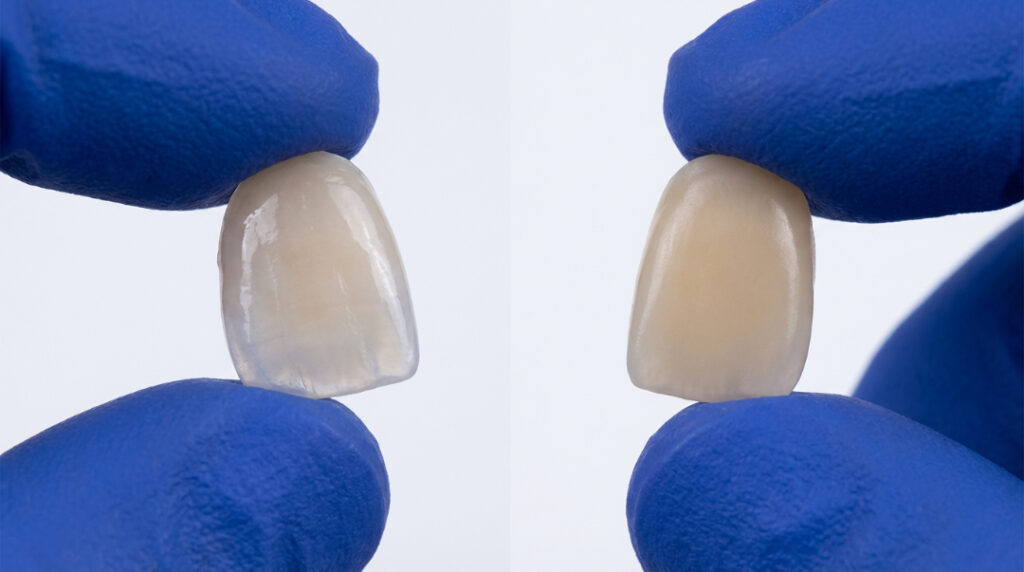
Porcelain:
Composite:
Many patients choose to fix tooth imperfections with veneers, but not everyone is a candidate. Other options exist.
Patients at Buford Dentist often weigh cost, durability, cosmetic needs, and review the pros and cons of veneers before choosing.

Porcelain veneers in Georgia range from $1,000 to $2,500 per tooth. Composite veneers range from $500 to $1,500 per tooth.
Prices depend on dentist expertise, lab work, and number of veneers.
Insurance rarely covers cosmetic veneers, but financing options are available.
Typical Georgia cost breakdown:
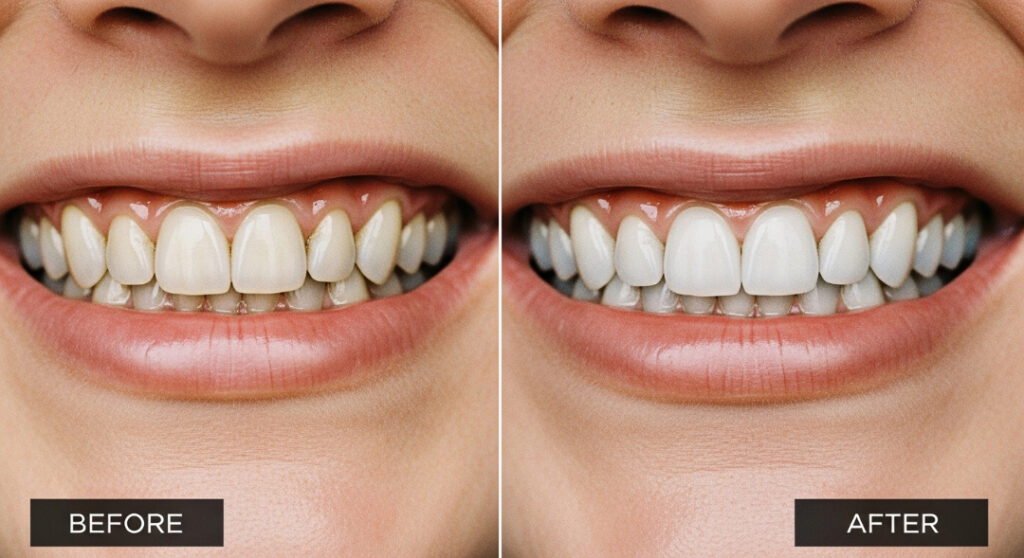
A patient in Buford received porcelain veneers in 2002. With consistent hygiene, nightguard use, and regular dental visits, their veneers lasted 22 years before replacement. The main cause of replacement was gum recession, not veneer damage.
This shows that with proper care, porcelain veneers can last well beyond average expectations.
Veneers are not permanent. They usually last 10 to 25 years depending on material and care.
If bonding weakens or tooth health declines, veneers may loosen. A dentist can re-bond or replace them.
Placing veneers involves removing some enamel. Patients usually experience mild sensitivity at first, but not pain.
Porcelain veneers resist staining. Composite veneers stain faster and need polishing or replacement sooner.
Veneers do not respond to whitening treatments. If they discolor, replacement is the solution.
Composite veneers: 5 to 10 years
Porcelain veneers: 15 to 25 years
High humidity itself does not damage veneers, but gum health and consistent dental care remain critical.

To make veneers last longer, focus on:

Porcelain veneers usually last 15 to 25 years. Composite veneers last 5 to 12 years. Your care routine and dentist skill level make the biggest difference.
At Buford Dentist, patients who commit to oral hygiene, avoid damaging habits, and attend regular checkups often enjoy long-lasting results and a confident smile with veneers in Buford.
