Gingivitis symptoms often start quietly. Mild gum disease can cause bleeding, puffiness, or tenderness long before pain becomes obvious.
That matters because gingivitis is usually reversible when treated early. If it is ignored, it can progress to a deeper form of gum disease that affects the tissues supporting the teeth.
In most cases, gingivitis develops when plaque builds up along the gumline. Learn more about plaque and its effects.
North Atlanta Center for Cosmetic & Implant Dentistry in Buford offers dental checkups that can help identify and treat early gum inflammation.
The most common sign is bleeding gums during brushing or flossing. Some people also notice pink in the sink after brushing or a metallic taste after cleaning between the teeth.
Gums with gingivitis may look redder than usual instead of light pink. They may also appear swollen, shiny, or slightly rounded at the edges rather than firm around the teeth.
Tenderness is common, but severe pain is not. That is one reason gingivitis is easy to miss.
Bad breath can also develop. Inflammation and bacterial buildup may create an odor that does not fully improve with mouthwash alone.
Several symptoms may point to gingivitis, especially when they happen together and last more than a few days.
These symptoms do not confirm gingivitis by themselves. Bleeding and irritation can also happen with aggressive brushing, dry mouth, poorly fitting dental appliances, or other oral conditions.
A dental exam is the safest way to confirm the cause.
The main cause is plaque that stays on the teeth and around the gums. Bacteria in plaque irritate the gum tissue, and the immune system responds with inflammation.
That inflammation makes the tiny blood vessels in the gums more fragile. As a result, the gums may bleed more easily during brushing or flossing.
If plaque is not removed well, it can harden into tartar, also called calculus. Tartar cannot be brushed off at home and gives bacteria a rough surface to cling to.
Some factors can make gingivitis more likely or make symptoms worse. These include smoking, dry mouth, crowded teeth, hormonal changes, diabetes, and inconsistent home care.
Gingivitis affects the gums and is the earliest stage of gum disease. Periodontitis is more advanced and may involve damage to the supporting structures around the teeth, including bone loss and gum recession.
The key difference is that gingivitis is usually reversible, while periodontitis is managed rather than fully reversed. That is why early evaluation matters, even when symptoms seem minor.
| Finding | More Typical of Gingivitis | May Suggest Periodontitis or Another Issue |
| Bleeding with brushing | Common | Also possible |
| Redness and swelling | Common | Also possible |
| Bad breath | Common | Also possible |
| Gum recession | Less typical | More concerning |
| Loose teeth | Not typical | More concerning |
| Pain with biting | Not typical | Needs evaluation |
| Pus near the gums | Not typical | Needs prompt evaluation |
A dental exam, gum measurements, and often dental X-rays help tell these conditions apart. Symptoms alone do not always show the full picture.
Treatment focuses on removing the bacterial buildup that is triggering inflammation. In many cases, that starts with a professional preventive care visit and a review of home care techniques.
If tartar is present, brushing at home will not remove it. A dentist or hygienist uses instruments designed to clean around the gumline safely and thoroughly. Learn more about dental cleaning options.
Many patients are surprised by how much improvement can happen once plaque control becomes more consistent. Mild gingivitis may calm down within days to a few weeks, depending on how inflamed the gums were and whether contributing factors are still present.
For most people, treatment feels similar to a standard dental cleaning. Inflamed gums can be more sensitive, and there may be minor bleeding during the visit because the tissue is already irritated.
After the cleaning, the gums may feel tender for a short time. As inflammation settles, brushing and flossing often become more comfortable.
A common pattern is less bleeding over the first one to two weeks as the gums heal. The tissue may also look firmer and less puffy.
Consistency matters more than intensity. Gentle, thorough brushing and cleaning between the teeth usually help more than scrubbing harder. If you want practical tips to improve daily care, see our oral hygiene routine.
If symptoms do not improve, or if bleeding becomes heavier, the diagnosis may need a closer look. Ongoing inflammation can reflect retained tartar, periodontitis, dry mouth, smoking, or another oral health issue.
For patients whose symptoms suggest more than mild gingivitis, such as persistent inflammation, pocketing, or tartar below the gumline, targeted gum disease treatment may be needed.
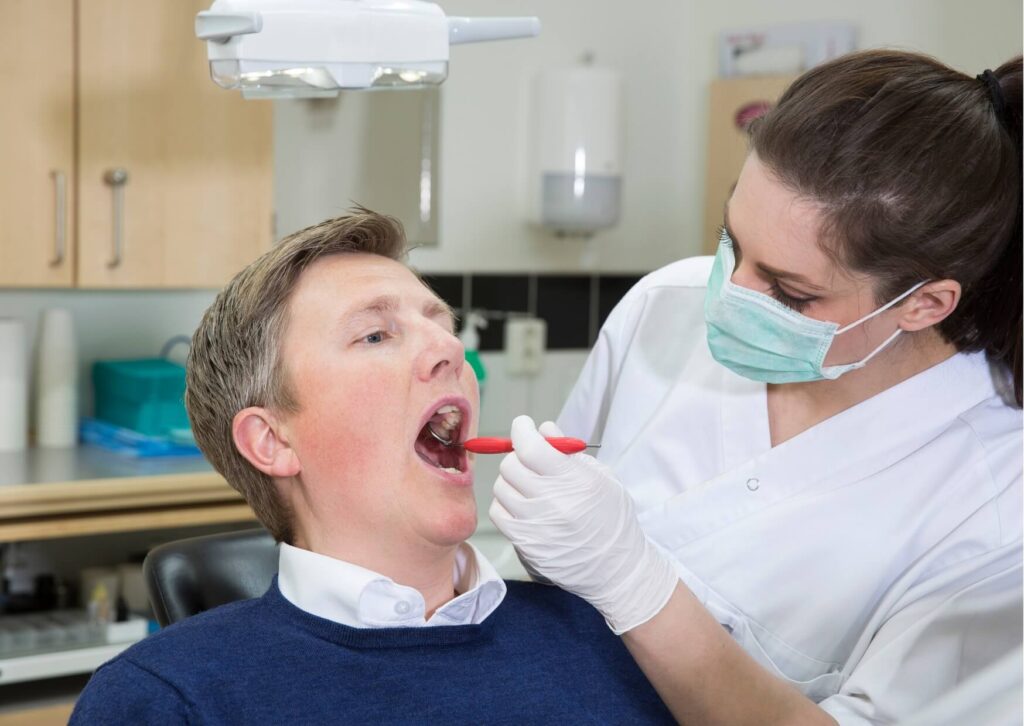
Some gum bleeding is related to gingivitis, but not all bleeding is routine. Prompt dental evaluation is important if there is significant swelling, pus, severe pain, a foul taste coming from one area, or a tooth that feels loose.
You should also seek care sooner if symptoms are getting worse quickly, if one area is much more swollen than the rest, or if chewing becomes painful. These patterns can suggest a gum abscess or another dental emergency that needs direct treatment.
If bleeding is heavy, hard to stop, or happens along with unusual bruising or other body-wide symptoms, medical evaluation may also be appropriate. Gum symptoms can sometimes overlap with broader health issues, not just dental ones. Learn more about gum disease links.
Anyone with repeated bleeding, swollen gums, or bad breath that keeps returning should consider a dental exam. Even mild symptoms are worth checking if they last more than one to two weeks.
People with braces, crowded teeth, dry mouth, diabetes, or a history of gum disease often benefit from earlier evaluation. Plaque can be harder to control in these situations.
Smoking and vaping can also change how gum disease appears. In some cases, they reduce visible bleeding while inflammation continues underneath.
One of the most common mistakes is waiting for gum pain before taking action. Gingivitis often stays relatively painless, and that false reassurance can delay simple treatment that works well when started early.
If your gums bleed often or look different than usual, schedule an exam to confirm whether the problem is gingivitis and to outline the safest plan to get the tissue healthy again.
North Atlanta Center for Cosmetic & Implant Dentistry in Buford offers dental checkups for patients in Buford and nearby areas. Call (770) 932-1115 to schedule an exam.
Yes. Bacterial buildup and inflamed gum tissue can lead to persistent bad breath or an unpleasant taste in the mouth.
No. Gingivitis is often mild and may cause little or no pain, especially early on.
It may improve if plaque is removed effectively, but persistent symptoms should not be left to guesswork. A professional cleaning is often needed if tartar has built up.
Occasional minor bleeding can happen, especially if the gums are inflamed, but repeated bleeding is not a sign of healthy gums. If it keeps happening, a dental exam is a smart next step.
Many people notice improvement within days to a few weeks after a professional cleaning and better plaque control. The timing depends on the severity of inflammation and whether other risk factors are involved.
