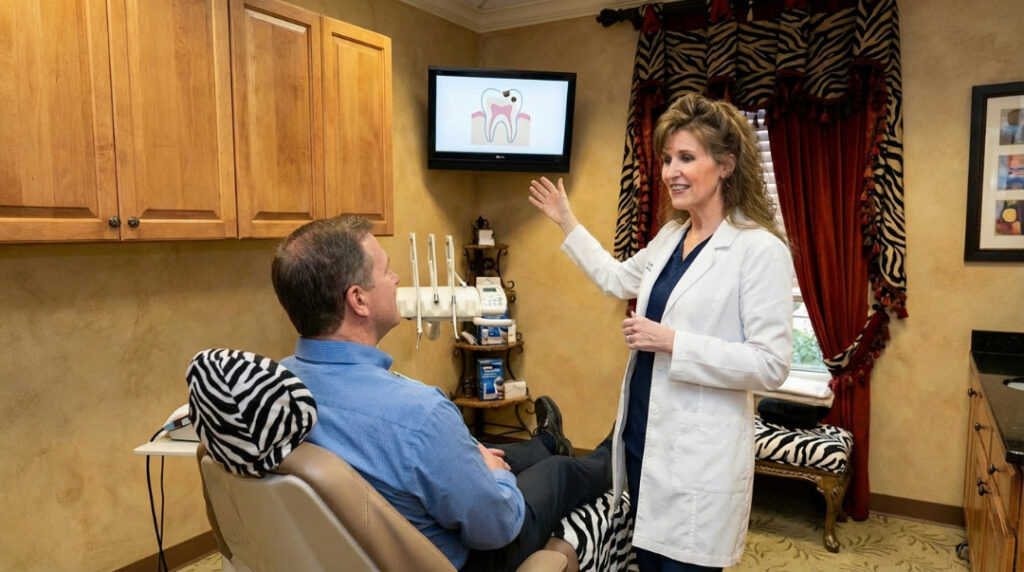
Cavities do not heal on their own once a hole forms in the enamel. Early-stage tooth decay, known as enamel demineralization, can be reversed with proper care such as fluoride treatment, diet changes, and improved oral hygiene. Once the enamel is broken, professional dental treatment is required to stop further damage.
Understanding Tooth Decay: From Enamel to Cavity
To understand whether cavities can heal without fillings, you first need to know how they form. Tooth decay begins when bacteria in your mouth feed on sugars and produce acids that attack the enamel. This process is called demineralization.
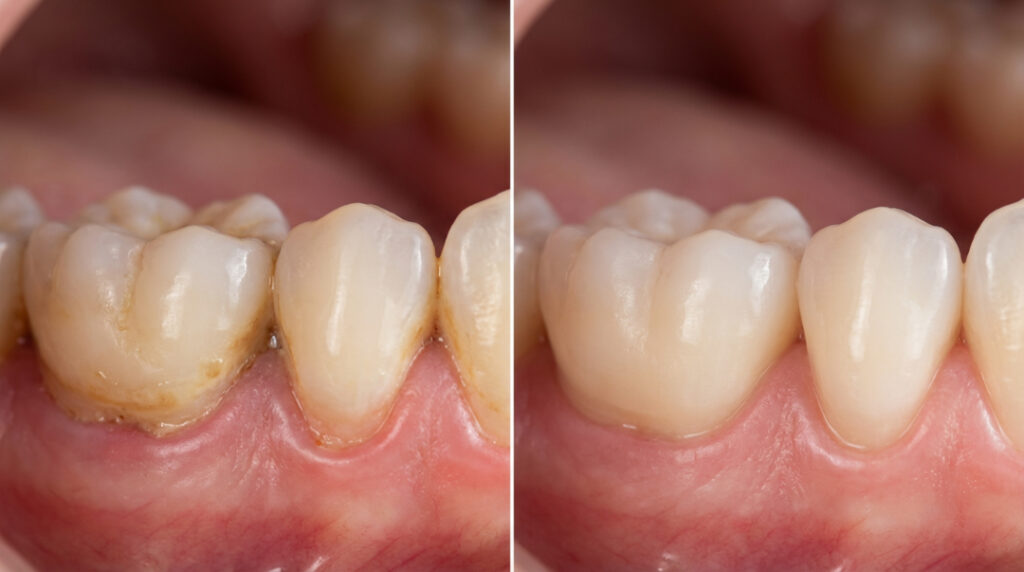
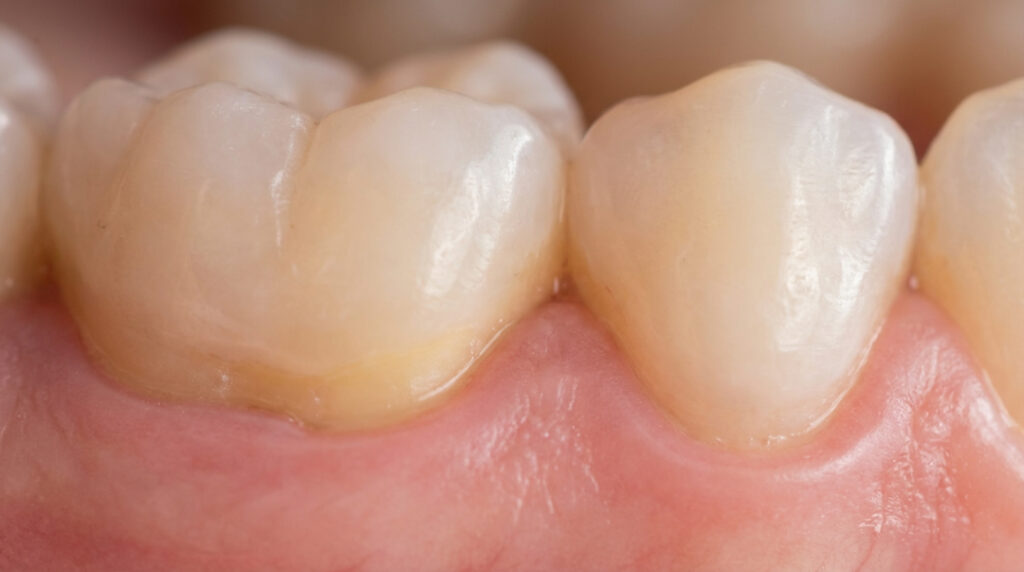
Over time, small white or brown spots appear on the enamel. These spots indicate mineral loss, but at this stage, there is no hole. If untreated, the demineralized area breaks down further, forming a cavity that penetrates the enamel and spreads to the dentin beneath.
Once decay reaches the dentin, the tooth structure is permanently damaged and cannot rebuild itself. The only way to restore the tooth is through professional dental treatment such as a filling, dental crown, or other restorative procedure.
Key stages of decay:
Demineralization: Loss of minerals without structural damage.
White spot lesion: Visible discoloration indicating early decay.
Enamel breakdown: Formation of a hole that exposes dentin.
Dentin and pulp involvement: Pain, sensitivity, and infection risk increase.
When Is Non-Invasive Healing Possible?
You can stop or reverse early tooth decay before a cavity forms. This stage is called the reversible stage of demineralization.
Signs of reversible decay:
Chalky white or brown spots on teeth.
No pain or sensitivity yet.
Smooth enamel surface with no visible holes.
During this stage, remineralization can occur naturally if the right conditions exist. Fluoride, calcium, phosphate, and saliva work together to rebuild weakened enamel.
Once the enamel is broken and a hole forms, the damage is permanent. At that point, the body cannot regenerate lost enamel, and only a filling or similar restoration can repair the tooth.
Self-assessment checklist:
Do you see white or brown spots but no holes?
Is there no pain or sensitivity when eating or drinking?
Has a dentist confirmed no dentin involvement?
If you answered yes to these, healing through remineralization might still be possible.
Supporting Natural Healing: What You Can Do
If your tooth is still in the early stage of decay, certain steps can encourage natural remineralization and prevent further damage. Buford Dentist recommends focusing on hygiene, nutrition, and lifestyle habits that protect enamel.
Oral Hygiene Fundamentals
Brush twice a day using fluoride toothpaste.
Use gentle, circular motions to reach along the gum line and tooth surfaces.
Floss daily to remove plaque between teeth.
Rinse with a fluoride mouthwash to strengthen enamel.
Visit your dentist regularly for preventive checkups and cleanings.
Diet and Nutrition for Teeth
The foods you eat directly impact your oral health. To promote enamel remineralization, maintain a diet that supports strong teeth.
Limit sugar and acid intake.
Avoid frequent snacking or sipping sugary drinks.
Include foods rich in calcium, phosphorus, and vitamin D, such as milk, cheese, leafy greens, and fish.
Eat crunchy fruits and vegetables to stimulate saliva production.
Stay hydrated throughout the day.
Use of Remineralizing Agents
Fluoride remains the most effective mineral for rebuilding enamel. It helps replace lost calcium and phosphate, forming a stronger, more acid-resistant surface.
Options include:
Fluoride toothpaste and mouth rinses.
Professional fluoride varnishes applied by a dentist.
Hydroxyapatite toothpaste, an alternative that mimics natural tooth minerals.
Remineralizing gels or pastes containing calcium phosphate or nano-hydroxyapatite may also aid in enamel repair when used consistently.
Saliva and Biological Factors
Saliva acts as your mouth’s natural defense system. It helps neutralize acids, wash away food particles, and deliver minerals to the enamel surface.
Tips to support saliva flow:
Stay hydrated with water instead of sugary drinks.
Chew xylitol gum to stimulate saliva.
Address dry mouth caused by medications or mouth breathing.
Manage stress, which can reduce saliva production.
Lifestyle and Health Habits
Your overall health affects your oral environment. Conditions such as acid reflux or frequent vomiting introduce stomach acids that erode enamel.
Steps to protect enamel:
Seek treatment for acid reflux.
Avoid brushing immediately after acid exposure; rinse with water instead.
Maintain balanced sleep and stress levels.
Avoid smoking or tobacco use.
Professional Treatment: When It’s Time for a Filling
Even with good home care, there comes a point when professional treatment is unavoidable. When decay progresses beyond the enamel, the tooth structure becomes too compromised for natural healing.
Signs you need a filling or other dental treatment:
Persistent tooth sensitivity.
Visible dark spots or holes.
Pain when chewing or eating sweet foods.
Bad breath or taste from bacterial buildup.
Common dental treatments:
Dental filling: Removes decay and restores shape.
Crown: Protects severely damaged teeth.
Root canal: Treats deep infection reaching the pulp.
Sealants: Prevent future decay in vulnerable teeth.
If you still have older silver fillings, ask your dentist about safe Mercury Filling Replacement to restore both the appearance and safety of your smile.
Comparison: Non-invasive vs. Invasive Treatment
Aspect
Non-Invasive Healing
Filling/Restoration
Stage
Early demineralization
Advanced decay
Pain level
None
Mild to moderate
Treatment type
Fluoride, diet, hygiene
Filling, crown, or root canal
Cost
Lower
Higher
Long-term outcome
Requires strict maintenance
Restores function and appearance
Early intervention saves time, money, and discomfort. If you are unsure about the stage of your cavity, schedule a dental exam with Buford Dentist for accurate diagnosis and advice.
Myths and Facts About Healing Cavities Without Fillings
Many people try home remedies they find online. While some methods help prevent decay, they do not reverse existing holes. Buford Dentist separates fact from fiction.
Myth: Oil pulling can fill cavities. Fact: Oil pulling can improve oral hygiene but cannot rebuild lost enamel.
Myth: Stopping sugar intake heals cavities completely. Fact: Reducing sugar helps prevent further decay but does not repair holes.
Myth: Holes in teeth can close with herbal pastes. Fact: Once enamel is broken, no paste or supplement can regrow it.
Myth: Sensitivity means healing is happening. Fact: Sensitivity usually indicates enamel erosion or dentin exposure.
Myth: Children’s cavities heal as baby teeth fall out. Fact: Untreated decay can affect permanent teeth and oral health.
Frequently Asked Questions
Can my child’s cavity heal without a filling?
Early white spot lesions in baby teeth may remineralize with fluoride and diet changes, but visible holes always require treatment.
How long does it take for a cavity to heal naturally?
Remineralization depends on the severity of decay and consistency of care. Early-stage healing may take several months of dedicated oral hygiene and fluoride use.
What happens if I wait and brush more instead of getting a filling?
Brushing helps slow progression but cannot restore damaged enamel. Delaying treatment allows decay to spread deeper, causing pain and possible infection.
Are there any home remedies that actually work?
Only fluoride-based products and mineral-rich toothpaste are scientifically proven to support remineralization. Avoid unverified natural treatments.
Will a healthy diet let me skip the dentist?
A balanced diet supports strong teeth, but routine dental visits remain essential for detecting decay early.
Skipping dental cleanings for a year allows plaque to harden into tartar, which leads to gum disease, cavities, and potential tooth loss. Missing your annual cleaning also increases your risk of enamel erosion, bad breath, and higher treatment costs in the future. Regular professional cleanings at Buford Dentist protect both your oral and overall health.
Why Professional Dental Cleanings Matter
Professional dental cleanings are more than cosmetic. They are preventive care. A dental hygienist removes plaque and tartar that brushing and flossing leave behind. They also check for early signs of gum disease, tooth decay, and even oral cancer.
At Buford Dentist, cleanings include:
Plaque and tartar removal
Polishing and fluoride treatment
Gum health evaluation
Oral cancer screening
Brushing and flossing are important. But they cannot remove hardened tartar. Only professional dental tools can. Without regular cleanings, plaque builds up under the gums, creating a foundation for disease.
What Happens During the First Year You Skip
Plaque and Tartar Start to Accumulate
Plaque begins forming on your teeth within hours of brushing. Over time, it hardens into tartar. Tartar traps bacteria along the gumline. Once hardened, it can only be removed by a dentist or hygienist. Skipping cleanings for a year means:
Tartar builds up around teeth and gums
Bacteria multiply in these areas
Gums become inflamed, red, and tender
Brushing and flossing become less effective
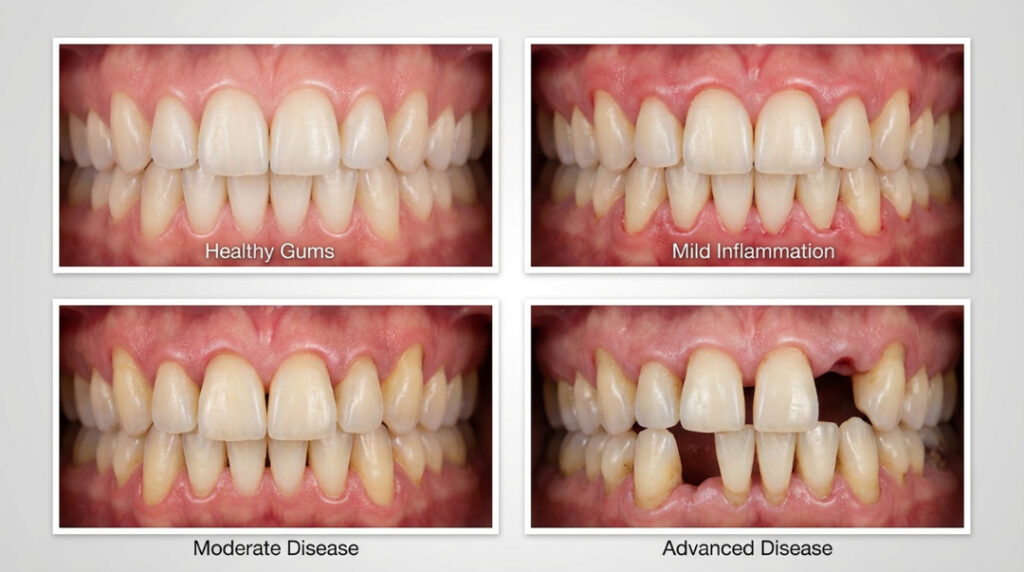
This is the earliest stage of gum disease, known as gingivitis.
Early Signs of Gum Disease
Gingivitis develops quietly. You may not feel pain, but symptoms appear:
Gums that bleed when brushing or flossing
Persistent bad breath
Swollen or puffy gums
Slight gum recession
Left untreated, gingivitis can progress to periodontitis. That’s when the infection moves deeper under the gumline and starts damaging the bone that supports your teeth.
Increased Risk of Cavities and Enamel Damage
When you skip dental cleanings for a year, bacteria and acids attack your enamel. Small weak spots can form. These become cavities over time. Even with good brushing habits, missed cleanings allow decay to grow unnoticed. Once cavities form, they spread quickly without professional care.
Long-Term Consequences of Avoiding Cleanings
Progression to Periodontitis and Tooth Loss
Untreated gingivitis turns into periodontitis. This stage involves bone and tissue loss. Deep pockets form between your teeth and gums. Bacteria collect in these spaces, weakening the bone structure. Without treatment, this can lead to:
Loose teeth
Chronic bad breath
Gum recession exposing roots
Eventual tooth loss
Once bone is lost, it cannot regrow naturally. Treatment becomes more complex and costly. Professional cleanings at Buford Dentist help stop this progression early.
Systemic Health Impacts
Your mouth is connected to your overall health. Bacteria from gum infections can enter the bloodstream. This increases inflammation throughout the body. Research links gum disease to several systemic conditions:
Heart disease
Stroke
Diabetes complications
Respiratory infections
Pregnancy complications
Skipping a dental cleaning for a year doesn’t only risk your teeth. It affects your total health.
Higher Dental Costs and Restorative Treatment
Preventive visits are inexpensive compared to restorative procedures. If you skip cleanings for a year or longer, minor issues can become major treatments. Common outcomes include:
Fillings for new cavities
Deep cleaning (scaling and root planing) — learn more about the difference between Regular vs Deep Cleaning and why some patients need this advanced procedure.
Crowns or root canals for decayed teeth
Gum surgery for advanced periodontitis
Tooth replacement options like implants or bridges
Delaying care always costs more in the long run. Early detection during regular checkups saves both money and discomfort.
The Gap: What Many Competitors Miss
Why Cleaning Frequency Matters Beyond “Every Six Months”
While most people should visit every six months, others may need more frequent cleanings. People with diabetes, smokers, or those with a history of gum disease are at higher risk. At Buford Dentist, we personalize cleaning schedules based on each patient’s health, not a one-size-fits-all rule.
How To Catch Up After a Year-Long Skip
If you have skipped your dental cleaning for a year or longer, here is how to recover:
Schedule an appointment immediately. Be honest about how long it has been.
Expect a comprehensive exam with X-rays and gum measurements.
Your hygienist may recommend a deep cleaning to remove tartar below the gumline.
Follow up more frequently for the next few visits to monitor recovery.
This step-by-step approach helps reverse early damage and restores oral health.
Practical Tips for Maintaining Between Cleanings
To reduce risks between appointments:
Brush at least twice daily with fluoride toothpaste
Floss once a day to remove food and bacteria between teeth
Rinse with an antibacterial mouthwash
Avoid sugary drinks and snacks that feed bacteria
Stay hydrated to keep saliva flowing naturally
Replace your toothbrush every three months
If you smoke or have medical conditions like diabetes, you should schedule cleanings more often. Preventive care keeps issues under control.
What You Should Do If You’ve Skipped a Year
Book an Appointment and Be Honest
When booking your visit, tell your Buford Dentist team it has been a year or longer. This helps the dentist prepare for a thorough cleaning and evaluation.
What to Ask During Your Visit
Is there evidence of gum disease or bone loss?
Do I need X-rays or deep cleaning?
How often should I schedule cleanings based on my oral health?
What products or routines can help improve my home care?
Getting these answers helps you create a personalized prevention plan.
Create a Maintenance Plan with Your Dentist or Hygienist
Your dentist will outline a plan to restore your gum health. This may include:
A series of professional cleanings
Prescription-strength fluoride toothpaste
Antimicrobial rinses or gum treatments
Nutritional and hygiene guidance
Consistency is key. Once you return to a healthy routine, future visits become easier.
Monitoring and Follow-Up
Follow your dentist’s recommended schedule. Signs to watch for include:
Bleeding gums
Persistent bad breath
Tooth sensitivity
Visible tartar at the gumline
Early detection keeps problems manageable and prevents relapse.
Frequently Asked Questions (FAQ)
Is missing one annual cleaning catastrophic?
Not immediately, but plaque and tartar build up over time. Missing one year allows bacteria to thrive, leading to gum inflammation and enamel damage. The longer you wait, the harder it becomes to reverse the effects.
How many months can I safely wait between cleanings?
For most patients, six months is ideal. People with gum disease, diabetes, or smoking habits should visit every three to four months.
Can I reverse gum disease if I skipped a year?
Yes, early-stage gingivitis is reversible with professional cleaning and proper home care. If periodontitis has started, treatment can control but not fully reverse bone loss.
What if I have dental insurance?
Most plans cover two cleanings a year. Take advantage of these benefits to avoid paying for costly restorative treatments later.
Is it safe to skip dental cleanings for 12 months?
No. Plaque turns into tartar within days. After months, the risk of gum disease and cavities rises sharply. Annual visits prevent long-term damage.
TLDR;
Yes, night guards help relieve TMJ symptoms by reducing teeth grinding and clenching that strain the jaw joint. They cushion the bite, protect teeth from wear, and promote muscle relaxation, but effectiveness depends on getting a custom-fitted guard from a qualified dentist like Buford Dentist.
Understanding TMJ and Why It Hurts
The temporomandibular joint, or TMJ, connects your jawbone to your skull. It is one of the most complex joints in the body, responsible for chewing, speaking, and swallowing. When the joint becomes strained or inflamed, it leads to temporomandibular joint disorder, or TMD.
Common symptoms include:
Jaw pain or tightness
Clicking or popping sounds
Headaches or migraines
Tooth sensitivity or enamel wear
Facial soreness or swelling
TMJ problems often start from habits like clenching or grinding your teeth at night, known as bruxism. Over time, the constant pressure wears down enamel and tightens jaw muscles, creating inflammation and misalignment.
How Night Guards Help TMJ Relief
Night guards, also called occlusal splints, are dental appliances designed to protect your teeth while you sleep. Their main purpose is to reduce the harmful effects of grinding and clenching that worsen TMJ pain.
Barrier and Cushioning Effect
A night guard creates a thin barrier between your upper and lower teeth. This prevents direct contact and stops the friction that causes enamel erosion and joint strain. The cushioning absorbs the force of clenching, allowing the jaw muscles to relax overnight.
Jaw Positioning and Muscle Relaxation
A well-designed guard positions your jaw in a balanced, neutral state. This reduces muscle tension and helps relieve the stiffness you might feel in the morning. Many patients notice a drop in headaches and soreness after consistent use.
Sleep Quality and Pain Reduction
When grinding decreases, your muscles relax and your sleep becomes deeper. Rested muscles are less inflamed, leading to less jaw pain, fewer morning headaches, and a calmer nervous system overall. Since sleep quality directly affects jaw tension, exploring the link between TMJ and Sleep Habits can help you understand how rest impacts long-term relief.
Effectiveness and Limitations of Night Guards for TMJ
Night guards are a proven tool for managing TMJ symptoms. Yet, their success depends on the cause of the disorder and the quality of the appliance.
When Night Guards Work Well
They work best when:
Bruxism is the primary cause of TMJ pain
The patient’s joint structure is intact
The guard is custom-fitted by a dentist
It is used consistently and cleaned properly
In these cases, the guard minimizes grinding and relieves muscle tension that contributes to TMJ discomfort.
When Night Guards May Not Be Enough
If TMJ pain stems from arthritis, severe misalignment, or joint damage, a night guard alone will not solve the problem. Some patients require additional care such as orthodontic correction, physical therapy, or medication to reduce inflammation.
Risks of Over-the-Counter Guards
Store-bought guards, especially boil-and-bite versions, may seem convenient but often fit poorly. A poor fit can worsen your bite, strain your muscles further, or even lead to more pain.
Complementary Treatments
A comprehensive TMJ treatment plan may also include:
Stress management and relaxation exercises
Jaw and neck physical therapy
Orthodontic or restorative dental work
Anti-inflammatory or muscle relaxant prescriptions
Regular dentist evaluations
Buford Dentist emphasizes that night guards are one part of a larger management plan, not a standalone cure.
Choosing the Right Night Guard for TMJ and Bruxism
Choosing the correct guard is essential to achieve lasting TMJ relief.
Custom-Fitted vs Over-the-Counter
Custom night guards are designed using impressions of your teeth. They fit precisely, stay secure, and distribute pressure evenly across the bite. Over-the-counter versions are mass-produced and rarely align correctly. This mismatch can cause additional jaw strain or gum irritation.
Upper vs Lower Night Guard
Dentists choose between upper and lower guards based on your bite pattern and comfort.
Upper guards often suit heavy grinders and protect dental restorations.
Lower guards may feel more natural and allow easier speech.
The best choice depends on your anatomy and the source of your TMJ stress, which Buford Dentist evaluates before recommending one.
Hard vs Soft Material
Hard acrylic guards are durable and stabilize the bite for severe clenchers. Soft guards cushion better but wear down faster and may encourage more chewing movements. Hybrid versions combine both materials to balance comfort and durability.
Key Features to Look For
When selecting a night guard, check for:
Accurate dental impression and bite registration
Laboratory fabrication quality
Smooth edges to prevent gum irritation
Proper thickness and material density
Dentist supervision for fit and adjustment
Cost and Longevity
Custom guards cost more upfront but last longer and protect dental work from costly repairs. Over-the-counter versions tend to wear out faster and often need frequent replacement.
How to Care for Your Night Guard
Maintenance ensures comfort and hygiene.
Rinse after each use with lukewarm water
Clean weekly with non-abrasive soap or tablets
Store in a ventilated case
Avoid exposing it to heat or boiling water
Bring it to dental visits for inspection
What to Expect When Using a Night Guard
Adjustment Period
Wearing a night guard may feel unusual at first. Expect mild tightness or increased saliva for a few days. Within one to two weeks, your mouth will adapt.
Timeline for Results
Most users notice reduced jaw stiffness or headaches after two to four weeks. For significant TMJ improvement, consistent nightly use over several months is key.
Monitoring and Follow-Up
Schedule a follow-up with Buford Dentist to ensure your guard fits properly. Minor bite adjustments may be needed as your muscles relax. Regular checks prevent uneven wear or discomfort.
Signs It’s Not Working
Contact your dentist if you experience:
Increased jaw pain
New clicking or popping sounds
Bite shifting or misalignment
Persistent morning headaches
These signs indicate the guard might need refitting or additional treatment.
Frequently Asked Questions About Night Guards and TMJ
Will a night guard stop my TMJ permanently?
No. It manages symptoms and protects your teeth but does not cure the underlying cause. TMJ is often a chronic condition that requires ongoing care.
Can a night guard make TMJ worse?
Only if it fits poorly. Over-the-counter guards or improper alignment can strain the jaw muscles. Always get a professional fitting from Buford Dentist.
How long should I wear a night guard each night?
Every night while sleeping. Consistency is critical to prevent grinding and muscle strain.
Can I use an over-the-counter night guard for TMJ?
It might offer mild protection but won’t relieve deeper TMJ tension effectively. Custom guards offer better comfort and long-term results.
How much does a custom night guard cost, and is it covered by insurance?
Costs vary by material and type, and some dental insurance plans may provide partial coverage. Buford Dentist can help you review your options before treatment.
Does a night guard help if I also have sleep apnea?
Sleep apnea requires a different oral appliance. Discuss both conditions with your dentist to ensure the device does not interfere with breathing.
TLDR;
Veneers are worth it if you want a fast, lasting way to improve your smile, provided you choose a qualified dentist and understand the costs, upkeep, and limitations. They deliver dramatic cosmetic results but involve permanent changes to your teeth and are not suited for every dental situation.
Understanding Veneers and Their Types
Veneers are thin shells bonded to the front of your teeth to improve appearance. They are custom-made to match the shape, size, and color you want.
Main types include:
Porcelain veneers – Durable, stain-resistant, and lifelike.
Composite veneers – More affordable but less durable and prone to staining.
No-prep veneers – Require minimal enamel removal.
Snap-on veneers – Removable, temporary option for cosmetic improvement.
Why Many Patients Choose Veneers
Veneers deliver fast, noticeable results compared to other cosmetic dentistry options. At Buford Dentist, we see patients who want to fix:
Stains that whitening cannot remove
Chipped or cracked teeth
Minor misalignment or gaps
Uneven tooth shapes
Benefits include:
Aesthetic transformation – Creates a uniform, bright smile.
Stain resistance – Especially with porcelain.
Less invasive than crowns – Requires less enamel removal.
Quick turnaround – Often completed in two to three visits.
Confidence boost – Many patients feel more comfortable smiling in photos and social settings.
Drawbacks and Considerations Before Getting Veneers
Veneers are a commitment. Once enamel is removed, it will not grow back. At Buford Dentist, we guide patients through these important considerations:
Irreversible procedure – You will always need veneers or crowns afterward.
Cost – High upfront cost per tooth, often not covered by insurance.
Sensitivity – Some patients experience temporary hot and cold sensitivity.
Potential damage – Chips or cracks can occur from biting hard foods.
Not for everyone – Patients with active decay, gum disease, or severe grinding may need other treatments first.
What to Expect During the Veneer Process
Getting veneers involves several steps:
Consultation – Review goals, check oral health, and choose the veneer type.
Preparation – Remove a small layer of enamel to fit the veneer.
Impressions – Create a mold for the dental lab.
Temporary veneers – Protect prepared teeth while waiting for the final set.
Bonding – Attach veneers permanently with dental cement.
Follow-up – Check fit, bite, and comfort.
Veneer Longevity and Maintenance Tips
Patients often ask about how long veneers last. Porcelain veneers typically last 10 to 15 years with proper care, while composite veneers last about 5 to 7 years. To maximize lifespan:
Brush twice daily and floss every day.
Avoid chewing on ice or hard candy.
Wear a nightguard if you grind your teeth.
Schedule regular cleanings with Buford Dentist to monitor condition.
Safety Concerns and Choosing the Right Provider
In Georgia, an alarming trend is the rise of unlicensed veneer providers promoting services online. Risks include:
Infection from poor sterilization
Misaligned bite leading to jaw pain
Excessive enamel removal causing permanent damage
Always verify your provider is a licensed dentist in Georgia. Ask for credentials and see before-and-after photos of real patients.
Alternatives to Veneers and When They Make Sense
For some patients, other treatments are more practical:
Dental bonding – Affordable for small chips or gaps.
Crowns – Protect damaged teeth while improving appearance.
Orthodontics – Corrects bite and alignment issues over time.
A cost and benefit comparison often helps patients choose the right path.
Self-Evaluation Before Deciding on Veneers
Before committing, ask yourself:
Is my oral health strong enough for veneers?
Do I have the budget for both now and future replacements?
Am I willing to follow strict aftercare guidelines?
Have I explored all alternatives?
Booking a consultation with Buford Dentist will give you a tailored plan based on your goals, oral health, and budget.
Long-Term Perspective on Veneers
Veneers offer dramatic improvement in your smile but require a permanent commitment. They are an investment in appearance and confidence, but success depends on:
Choosing a qualified provider
Understanding the upkeep
Preparing financially for replacements
When chosen for the right reasons and placed by a skilled dentist, veneers can be a lasting solution that transforms how you feel about your smile.
A regular dental cleaning, or prophylaxis, removes plaque and tartar above the gumline to maintain healthy teeth and gums. A deep cleaning, or scaling and root planing, removes plaque and tartar below the gumline and smooths tooth roots to treat gum disease. The main difference is prevention versus treatment.
Regular Dental Cleaning: Dental Prophylaxis
Definition and Purpose
A regular dental cleaning is a preventive procedure for patients with healthy gums. It removes soft and hardened plaque above the gumline to prevent cavities and gum disease.
Steps in a Regular Cleaning
Dental exam to check for cavities and gum health
Plaque and tartar removal with ultrasonic and hand scalers
Polishing with a flavored paste
Flossing between all teeth
Fluoride treatment if needed
Recommended Frequency
Typically, adults with healthy gums are advised to schedule a dental cleaning every six months. This timeline supports early detection of issues and consistent plaque control. However, the recommended dental cleaning frequency may vary based on individual risk factors such as smoking, diabetes, or a history of gum disease.
At Buford Dentist, we tailor cleaning intervals to each patient’s unique oral health needs. While many benefit from a standard twice-yearly schedule, some patients, especially those prone to cavities or gum issues may require more frequent visits to maintain optimal oral health.
Deep Dental Cleaning: Scaling and Root Planing
Definition
Deep cleaning is a therapeutic treatment for gum disease. It targets bacteria, plaque, and tartar below the gumline. The root surfaces are smoothed to help the gums heal and reattach.
Signs You Might Need It
Bleeding gums during brushing or flossing
Gum swelling or redness
Receding gums
Periodontal pockets of 4 mm or more
Bone loss visible on X-rays
Procedure Steps
Numbing with local anesthesia
Scaling to remove deposits below the gumline
Root planing to smooth tooth roots
Possible application of antimicrobial medication
Sessions and Duration
Often done in two appointments, each covering half the mouth
Each visit typically lasts 60–120 minutes
How Dentists Decide on Deep Cleaning
Exam Findings That Lead to SRP
Periodontal probing showing pockets 4 mm or deeper
Bleeding on probing in multiple areas
Tartar visible under the gumline
Bone loss on dental X-rays
Medical Risk Factors
Smoking
Diabetes
Immune system conditions
Pain, Numbing, and Recovery Timeline
Comfort During Treatment
Regular cleaning rarely needs numbing
Deep cleaning often uses local anesthesia for comfort
Recovery Steps
Mild tenderness for 1–3 days
Eat soft foods for the first day
Rinse with warm salt water or chlorhexidine if prescribed
Continue gentle brushing and flossing
When to Contact Your Dentist
Swelling that increases after two days
Persistent bleeding
Fever or signs of infection
Cost and Insurance Coverage
Prophylaxis Coverage
Usually covered twice a year under preventive benefits
Minimal or no out-of-pocket cost for insured patients
Deep Cleaning Coverage
Often requires proof of gum disease
Insurance may cover part or all, depending on the plan
Codes: D4341 for four or more teeth per quadrant, D4342 for fewer teeth
Out-of-Pocket Variables
Number of quadrants treated
Anesthesia use
Additional medication costs
Risks and When Deep Cleaning Isn’t Enough
Possible Side Effects
Temporary tooth sensitivity
Minor gum recession
Rare infection risk
When to Escalate Care
Persistent deep pockets after treatment
Need for periodontal surgery
Referral to a periodontist for advanced care
Aftercare and Periodontal Maintenance
At-Home Care
Use a soft-bristled toothbrush
Floss daily
Consider an interdental brush or water flosser for deeper cleaning
Professional Follow-Up
Patients treated for gum disease typically need cleaning every 3 months
Healthy patients usually return to 6-month intervals
Myths and Misconceptions
Deep cleaning is not the same as a more thorough regular cleaning; it treats disease below the gumline
It does not cause gums to recede; recession may reveal damage already present
You will not always need deep cleanings if your gum health is maintained
Advances in dental diagnostics may make cleaning schedules more personalized. Saliva testing, genetic markers, and advanced imaging could help determine risk levels more accurately.
Georgia-Specific FAQ
Do Georgia Dental Plans Cover Deep Cleaning?
Many plans cover deep cleaning if there is documented gum disease. Always confirm with your provider.
How Long Are Visits at Buford Dentist?
Regular cleaning: about 45 minutes
Deep cleaning: 60–120 minutes, sometimes over two visits
Can My General Dentist Do Scaling and Root Planing?
Yes, many general dentists in Georgia, including Buford Dentist, perform SRP. Advanced cases may be referred to a periodontist.
Most people should schedule a dental cleaning every six months to maintain healthy teeth and gums. Those with gum disease, high cavity risk, or other oral health concerns may need cleanings every three to four months, while individuals with excellent oral health could extend to once a year with a dentist’s approval.
Why Dental Cleanings Matter for Long-Term Oral Health
Dental cleanings are essential for more than just a bright smile. They remove hardened plaque, called tartar, that regular brushing and flossing cannot eliminate. They also allow for early detection of gum disease, cavities, and other issues before they worsen. Poor oral health has been linked to systemic conditions like heart disease, diabetes, and respiratory infections.
Key benefits of professional cleanings:
Remove plaque and tartar buildup
Prevent gum disease and cavities
Detect oral health issues early
Reduce bad breath
Support overall health
Standard Dental Cleaning Frequency Explained
The general recommendation is every six months. This guideline is supported by the American Dental Association as a baseline for healthy patients. Six months is enough time for plaque and tartar to build up to levels that require professional removal.
Why six months is the benchmark:
Allows regular monitoring of oral health changes
Prevents minor problems from becoming major ones
Keeps gum tissue healthy and inflammation-free
Personalized Dental Cleaning Schedule
Not everyone needs the same cleaning frequency. Buford Dentist recommends customizing your schedule based on your oral health status, lifestyle habits, and medical history.
Low-risk patients:
Healthy gums, no cavities in recent years
Brush and floss daily, balanced diet
Dentist approval for once-a-year cleaning
Moderate-risk patients:
Occasional cavities, early gum inflammation
A diet high in sugar, and occasional missed brushing
Cleanings every 4 to 6 months
High-risk patients:
Gum disease or a history of periodontal treatment
Smokers, diabetics, or those with weakened immune systems
Cleanings every 3 to 4 months
Signs You Should Schedule a Cleaning Sooner
You may need to see your dentist earlier than planned if you notice:
Persistent bad breath
Bleeding gums when brushing or flossing
Visible tartar along the gumline
Increased tooth sensitivity
New staining on teeth
Dental Cleaning Process Step-by-Step
Professional cleanings at Buford Dentist are thorough and tailored to your needs.
Typical steps include:
Visual examination to check for cavities, gum health, and other concerns
Scaling to remove plaque and tartar
Polishing to smooth tooth surfaces and remove stains
Flossing to reach areas between teeth
Fluoride treatment for added protection
Risk Factors That Influence Cleaning Frequency
Certain lifestyle and health factors increase the need for more frequent cleanings:
Smoking or tobacco use
High-sugar diet
Orthodontic appliances like braces
Existing gum disease
Chronic illnesses like diabetes
How to Talk to Your Dentist About Your Cleaning Schedule
To find your ideal schedule, discuss these points with your dentist:
Current gum health and cavity history
Any sensitivity or discomfort
Diet and lifestyle habits
Medical conditions affecting oral health
Insurance coverage for more frequent visits
Maintaining Oral Health Between Cleanings
Professional cleanings are only part of oral health care. Daily habits keep your mouth healthy in between visits.
Recommendations from Buford Dentist:
Brush twice daily with fluoride toothpaste
Floss once a day to remove plaque between teeth
Replace your toothbrush every 3 months
Drink water after meals to wash away food particles
Avoid frequent snacking on sugary foods
Comparing Dental Cleaning Recommendations
Different organizations and countries have varying guidelines when it comes to professional dental cleanings. However, it’s also important to understand the difference between dental cleanings, specifically, the contrast between regular preventive cleanings and more intensive deep cleanings. The type of cleaning you need can directly impact how often you should visit the dentist and what kind of care your gums and teeth require over time.
Studies have shown:
Patients with gum disease benefit from shorter intervals
Low-risk patients may maintain health with annual cleanings
Professional monitoring is essential regardless of frequency
Advances in dental diagnostics may make cleaning schedules more personalized. Saliva testing, genetic markers, and advanced imaging could help determine risk levels more accurately.
Common Questions About Dental Cleanings
Is it harmful to get cleanings more often than needed?
No, as long as they are performed by a licensed professional.
Can better home care replace professional cleanings?
No. Even with perfect brushing and flossing, tartar still forms and needs professional removal.
Are deep cleanings the same as regular cleanings?
No. Deep cleaning treats gum disease and removes tartar from below the gumline.
Do children need the same schedule as adults?
Yes, children should typically have cleanings every six months unless otherwise advised.
You can usually start talking a few hours after wisdom teeth removal, but it's best to limit speaking as much as possible for the first 24–48 hours to allow proper healing. Excessive talking early on can increase your risk of complications like dry socket, bleeding, or delayed recovery.
Wisdom Teeth Recovery Talking: What You Need to Know
Having your wisdom teeth removed is a common oral surgery, but the recovery phase often brings uncertainty—especially when it comes to talking afterward. At Buford Dentist, patients frequently ask, "How soon can I talk after wisdom teeth removal?" While everyone's experience varies slightly, there are general guidelines based on how your body heals and how complex your surgery was.
In this post, we’ll explore the timeline for talking, associated risks, practical communication tips, and signs to watch out for. By the end, you’ll know how to balance recovery with your daily communication needs—without compromising your healing process.
Talking After Wisdom Teeth Removal Timeline
First 24 Hours: Speak Only If Necessary
Avoid talking as much as possible.
Every word you say can increase jaw movement, disrupting the blood clot formation at the extraction site.
Dislodging this clot can lead to dry socket, one of the most painful post-surgical complications.
Why minimal talking is crucial:
Jaw movement can cause bleeding or clot displacement.
Speech can pull at sutures or create suction in the mouth.
Even whispering can strain healing tissue.
Recommended strategy:
Communicate through writing, texting, or using note apps.
Let those around you know you’re limiting speech on purpose.
Days 2–3: Gentle, Brief Conversations
By the second day, mild swelling and discomfort are common but usually manageable.
Talking is possible, but it should be limited to short, soft-spoken sentences.
Tips for this phase:
Keep conversation short and avoid laughing or yawning widely.
Don’t talk while eating—chewing and speaking together puts added strain on healing areas.
Continue to monitor for signs of increased swelling or bleeding when you speak.
Days 4–7: Increasing Comfort, Still Cautious
Most patients feel better around day 4, with reduced pain and swelling.
Speaking for longer periods becomes more comfortable, but pacing matters.
At this stage:
You can return to casual conversations at home or light work settings.
Avoid speaking for long stretches in noisy environments (which require louder speech).
Monitor your body—any discomfort is a signal to slow down.
After One Week: Resuming Normal Speaking Habits
Around 7 to 10 days, the extraction sites have mostly closed.
If there are no complications, normal speech patterns can resume.
However:
If you had complex extractions (impacted teeth, multiple removals, etc.), full comfort might take longer.
Always follow your surgeon’s personalized recommendations.
Speaking After Oral Surgery: Factors That Influence Recovery
Everyone heals differently. Here are key variables that affect how soon you'll be able to talk:
Surgical extractions (impacted or multiple teeth) = more swelling, longer downtime.
2. Age and General Health
Younger patients often heal faster.
Chronic health issues (like diabetes) may slow tissue recovery.
3. Pain Tolerance and Medication
If you're sensitive to pain, even mild speech can feel uncomfortable.
Opioid or anti-inflammatory medications can dull pain, but don’t let that fool you into overusing your jaw.
4. Post-Operative Care
Following your surgeon’s oral hygiene and dietary instructions will speed up healing.
Ignoring guidelines can extend the time it takes to comfortably speak again.
Is It Safe to Talk After Wisdom Teeth Extraction?
Yes—but only when done mindfully.
Talking too early or too much increases the chances of:
Dry socket (painful exposure of nerves and bone)
Bleeding or swelling at the site
Delayed healing due to unnecessary jaw movement
Safe talking means:
Limiting conversations to a few words at a time
Avoiding forceful speech or laughter
Using alternatives like writing or voice-to-text tools
Tips for Talking After Wisdom Teeth Surgery
Here’s how to navigate those early days when speaking is limited:
Use your phone’s text or voice assistant to minimize jaw use
Keep a notebook or whiteboard nearby at home
Practice good posture—this reduces strain while speaking
Apply ice packs before and after short conversations to reduce swelling
Sip cool water to soothe the mouth (never use a straw)
While these speech-related techniques are important, they work best when combined with broader tips for quick wisdom teeth recovery that support your body’s natural healing.
Talking on the Phone After Wisdom Teeth Removal
Phone calls can be deceptively stressful during recovery. Here's how to manage them:
Avoid phone calls in the first 48 hours completely.
After that, limit calls to under 5 minutes.
Use speakerphone to avoid clenching your jaw.
Politely explain to callers you’re recovering and can’t talk long.
Activities That Can Interfere with Talking and Healing
You might be surprised at how many daily habits can affect your ability to speak comfortably:
Laughing or yawning widely can strain stitches and cause discomfort
Smoking or vaping delays healing and increases dry socket risk
Using straws can cause suction and dislodge blood clots
Eating crunchy or spicy foods can irritate the site, making talking more painful
Stay mindful. Rest is your best friend in the early recovery phase.
Jaw Movement After Wisdom Teeth Removal
Excessive jaw movement is one of the biggest obstacles to recovery. Here’s what to know:
Your jaw muscles can become stiff from inactivity, but that’s temporary.
Don’t force your mouth open wide—gradual movement is best.
Jaw rest (similar to vocal rest for singers) is a concept worth following in the early days.
Stretching tip: After a few days, gentle side-to-side motions and slow opening exercises (as advised by your dentist) can restore flexibility.
Speech After Wisdom Tooth Extraction: What If It Hurts?
Some discomfort while speaking is normal, but pain shouldn’t be sharp or increasing.
You may be experiencing:
Residual numbness from local anesthesia
Swelling pressing on muscles needed for speech
Infection if there’s increasing pain, pus, or a bad taste
If speaking is getting harder—not easier—each day, contact Buford Dentist immediately for follow-up care.
When to Contact Your Dentist
If you experience any of the following, don’t wait:
Persistent pain that doesn't improve after 3–4 days
Foul odor or taste from the mouth
Bleeding that won’t stop
Fever or chills
At Buford Dentist, we recommend a follow-up visit within a week to make sure you’re healing properly and can resume full function.
FAQs About Talking Post Wisdom Teeth Removal
Can I whisper after wisdom teeth removal?
Yes, whispering involves less jaw movement. It’s safer than regular speech in the early hours post-op.
How can I communicate without speaking?
Text messages Notepad or phone note apps Gestures and expressions
Is it okay to talk on Zoom or video calls?
Only after the third or fourth day, and keep it short. Video calls usually require more facial expression and engagement, which could strain your jaw.
Can I sing after wisdom teeth removal?
Avoid singing for at least a week—it's too physically demanding on your jaw.
With early diagnosis, proper treatment, and consistent oral hygiene, many people with periodontal disease can keep their teeth for life. However, without treatment, periodontitis can lead to tooth loss in a matter of years, depending on severity and personal health factors.
Tooth Retention with Gum Disease: What You Need to Know
Periodontal disease, also known as gum disease, is one of the leading causes of adult tooth loss—but it doesn’t have to be. At Buford Dentist, we’ve seen firsthand how timely intervention and diligent care can help patients maintain their natural teeth for decades, even after a diagnosis of periodontitis.
What Is Periodontal Disease?
A chronic inflammatory disease affecting the gums and bone supporting the teeth.
Starts as gingivitis (gum inflammation) and can progress to periodontitis (bone loss and tissue destruction).
It's often painless until the damage becomes advanced.
How It Develops
Stage 1: Gingivitis – Red, swollen gums that bleed easily. Still reversible.
Stage 2: Early Periodontitis – Gum pockets form; minor bone loss begins.
More advanced cases may require surgery or restorative options.
3. Commitment to Oral Hygiene
Daily brushing and flossing are non-negotiable.
Use of antimicrobial rinses can reduce harmful bacteria.
Regular professional cleanings are critical—not just for fresh breath or aesthetics, but for halting the progression of gum disease. If you’ve been diagnosed with periodontitis, your dental cleaning frequency may need to increase to every 3–4 months rather than the typical biannual visits. This schedule helps control bacteria and inflammation that contribute to bone loss.
May require extensive restorative procedures later.
Scaling and Root Planing Effectiveness
Let’s revisit this core non-surgical treatment. Scaling and root planing (SRP) is often underestimated, but it remains the gold standard for early to moderate periodontitis.
Why SRP Works
Removes bacteria from below the gumline.
Promotes healing of gum tissue.
Can reduce pocket depth by up to 2–3 mm.
What to Expect
Some soreness for a few days.
Re-evaluation 4–6 weeks later to check pocket depth reduction.
Follow-up cleanings every 3–4 months.
Gum Recession and Bone Loss: Are They Reversible?
While the effects of periodontal disease can be managed, some damage may not be fully reversible.
Gum Recession
Often permanent.
Gum Recession Often permanent, and in severe cases, it may jeopardize the stability of your teeth. Can gums recede enough to lose teeth? Absolutely—especially when left untreated.
Grafting may help restore coverage.
Bone Loss
Regeneration is possible in some cases using bone grafts.
More successful when done early.
Tooth Mobility: When Should You Worry?
Tooth mobility is a red flag that the supporting structures are failing. However, not all mobility means the tooth is lost.
Causes
Loss of bone support.
Inflamed periodontal ligaments.
Recent trauma or grinding.
Treatment Options
Splinting mobile teeth to adjacent stable ones.
Removing inflammation through SRP or surgery.
Bite adjustment to reduce pressure.
Preventing Future Problems: What Buford Dentist Recommends
We always tell our patients: once you've had periodontal disease, you’re at higher risk for recurrence. That’s why consistent Professional Dental Cleaning & Exams are critical for prevention and long-term health.
Our Best Tips
Don’t skip appointments—even if everything feels fine.
Let us know about systemic health changes (e.g., diabetes diagnosis).
Ask questions—we’re here to help you keep your teeth for life.
You can typically start eating spicy food 7 to 14 days after wisdom teeth removal, but only if you're no longer experiencing pain, swelling, or signs of slow healing. Always wait for your dentist’s green light and start with mild spices to avoid complications like dry socket or irritation.
Understanding Spicy Food After Tooth Extraction: What You Need to Know
Wisdom teeth removal is a common oral surgery, but returning to your favorite meals—especially spicy ones—requires caution. At Buford Dentist, we often get asked: “When can I eat spicy food again?” The answer isn’t one-size-fits-all.
Spicy food can:
Irritate sensitive tissues at the extraction site
Increase inflammation and discomfort
Potentially dislodge the protective blood clot, leading to dry socket
That’s why a conservative approach to post-surgery meals is vital.
Wisdom Teeth Healing Stages: How Your Body Recovers
After extraction, your mouth goes through several healing phases. Knowing these helps you decide when it’s safe to eat spicy foods again.
Day 1–3: Blood Clot Formation
Critical phase where a blood clot forms in the socket
Avoid disturbing this clot at all costs
Day 4–7: Early Healing Begins
Tissues start regenerating
Risk of dry socket still present
Week 2–3: Continued Healing
Socket begins to close
Pain and swelling typically subside
Week 4 and beyond: Bone and Tissue Maturity
Gums reattach and stabilize
Most foods can be safely reintroduced
Why Spicy Foods Are Off the Table Initially
Eating spicy foods too soon can cause:
Burning sensation on the raw extraction site
Inflammation that slows down tissue repair
Dislodging of blood clot, triggering a dry socket
Excess saliva production, which can irritate the wound
Capsaicin, the compound in spicy food, acts like sandpaper on a wound—it doesn’t just burn; it disrupts the healing tissue.
How Long to Wait Before Eating Spicy Food After Wisdom Teeth Extraction?
There’s no perfect calendar date, but general guidelines are:
Minimum of 7 days for straightforward extractions
Up to 14 days for more complex or surgical removals
Longer for smokers, diabetics, or those with poor healing
These timelines can vary, so always consider your individual recovery progress. If you're unsure about how your healing is going, consult your provider — especially if you're still early in your recovery from a tooth extraction.
Before trying spicy food again, ask yourself:
Has the pain fully stopped?
Is there no swelling or redness?
Are you able to eat solid foods without discomfort?
If you answered yes to all three, you may cautiously test with mild spice.
Signs You're Ready to Reintroduce Spicy Foods
Look for these recovery milestones before spicing up your meals:
No bleeding or tenderness at the extraction site
Swelling has completely subsided
You’ve been able to eat other solid foods pain-free
Gums appear pink and intact—no open wounds
Your dentist confirms you’re healing well
If you still feel pressure or sensitivity in the area, wait a few more days.
Tips for Safely Reintroducing Spicy Foods After Surgery
When you finally indulge in spicy food again, ease back in. Here’s how:
Start with mild spices like black pepper or paprika
Avoid hot sauces, chili flakes, and jalapeños initially
Eat small portions to see how your body reacts
Keep food lukewarm, not hot—temperature also irritates wounds
Drink plenty of cool water to neutralize spice exposure
Chew on the opposite side of your mouth
If you feel a burn or sharp pain, stop and wait a few more days.
Foods to Avoid After Wisdom Tooth Extraction
Even after your stitches are gone, some foods can cause setbacks. Avoid:
Alcohol and smoking—these slow healing and increase dry socket risk
Stick to soft, nutrient-rich foods like mashed potatoes, scrambled eggs, and smoothies.
Alternative Flavor Enhancers That Won’t Harm Healing
Craving flavor without the heat? Consider:
Fresh herbs like basil, parsley, or thyme
Aromatics like garlic (cooked), ginger (mild), or cinnamon
Citrus zest instead of juice for a hint of tang
Soft food dishes like:
Herb-infused mashed sweet potatoes
Mild garlic butter pasta
Avocado and cucumber mash with dill
Broth-based soups with soft-cooked veggies
These keep your meals tasty while staying gentle on your gums.
What If You Experience Pain After Eating Spicy Food?
If you’ve tried spicy food and noticed discomfort, don’t panic—but don’t push through either.
Stop and:
Rinse gently with lukewarm saltwater
Avoid spicy or hot foods for a few more days
Apply a cold compress if swelling returns
Monitor for signs of infection (persistent pain, foul smell, pus)
Contact Buford Dentist for an evaluation
Early action helps prevent complications.
When to Consult Buford Dentist or Your Local Oral Surgeon
While general advice is helpful, your healing is personal. Consult your dentist if:
You’re unsure when to reintroduce certain foods
Pain persists beyond 10–14 days
You notice unusual swelling, bleeding, or pus
You had tooth extraction with sutures
You’re taking medications that affect healing
At Buford Dentist, we provide personalized aftercare plans to guide your diet, hygiene, and recovery. Never hesitate to ask questions—it’s better to delay spicy food than to delay healing.
Post-Operative Eating Guidelines to Protect Healing
Here’s a simplified guide to eating after wisdom teeth removal:
First 24 hours
Only cold, soft foods (smoothies, yogurt, applesauce)
Avoid all hot or spicy items
Days 2–3
Soft foods, lukewarm only
No spice, no acidic ingredients
Days 4–7
Slowly add more variety
Begin chewing on the opposite side
Still avoid spicy, crunchy, sticky, and hot foods
Week 2 and beyond
If healing is going well, test mild spice
Keep portions small
Monitor for discomfort
TLDR;
Wisdom teeth do not grow back once they are completely removed, because permanent teeth have no ability to regenerate. If you feel pain, pressure, or a new bump after wisdom tooth extraction, it is often due to extra teeth, retained fragments, or healing changes, and you should consult a dentist like Buford Dentist to confirm the cause.
What Are Wisdom Teeth?
Wisdom teeth are the third set of molars. They typically appear between ages 17 and 25. These teeth are considered vestigial, meaning they once had a purpose for our ancestors who needed them to grind tough foods but have little use today.
Anatomy of wisdom teeth includes:
Crown, the part above the gumline
Root, which anchors the tooth in the jawbone
Tooth bud, which develops from the dental lamina in early growth
Wisdom teeth are permanent teeth, not like baby teeth. Once removed, they do not come back.
Why Wisdom Teeth Are Removed
Dentists and oral surgeons recommend removal in many cases.
Impaction, when teeth fail to erupt properly
Crowding, when there is not enough room in the jaw
Decay or infection, because they are difficult to clean
Orthodontic reasons, to protect straightened teeth
During a tooth extraction, the entire tooth and its roots are removed. Complete removal prevents the chance of regrowth.
Myth vs Reality: Can Wisdom Teeth Grow Back?
The short answer is no. Permanent teeth do not regenerate. Unlike baby teeth, once wisdom teeth are taken out, the body does not replace them.
What people think is regrowth often includes:
Supernumerary teeth, which are extra teeth beyond the normal set
Residual root fragments left behind during surgery
Bone spicules or gum changes during healing
Neighboring teeth shifting into the empty space
Why People Think Wisdom Teeth Are Growing Back
After removal, patients sometimes feel sensations in the area that lead them to believe a tooth is growing again. Common reasons include:
Pain or pressure in the jaw as tissues heal
Small bumps from bone or gum tissue changes
Phantom sensations as nerves recover
Late eruption of extra teeth in rare cases
These experiences can mimic tooth regrowth but are not evidence of new wisdom teeth forming.
Conditions That Mimic Regrowth
Several dental conditions can explain why people feel like their wisdom teeth are coming back.
Supernumerary Teeth (Hyperdontia)
Some people have extra teeth due to genetic factors. Studies suggest this occurs in less than 4 percent of the population. These teeth may erupt years after wisdom tooth removal.
Residual Root Fragments
If small pieces of the tooth or root remain after surgery, they can move closer to the surface later. This creates the sensation of a tooth returning.
Bone Spurs
During healing, bone can form sharp edges called spicules. These feel like a tooth fragment but are part of normal healing.
Shifting Adjacent Teeth
When a wisdom tooth is removed, nearby molars sometimes shift slightly, causing pressure that feels like eruption.
Diagnosis: How Dentists Confirm the Cause
A dentist will use clinical exams and imaging to determine the true cause.
Dental history helps identify whether extra teeth are possible
Physical examination locates bumps, swelling, or sensitivity
Panoramic X-rays and CBCT scans show whether fragments or supernumerary teeth exist
Dentists like Buford Dentist rely on imaging to give a clear answer and ensure the area is healing correctly.
What to Do If You Suspect a Problem
If you think your wisdom teeth are growing back, take these steps:
Watch for symptoms such as swelling, pain, or a visible bump
Schedule an appointment with a dentist
Bring previous X-rays and treatment records for comparison
Possible treatments include:
Removing retained fragments
Extracting extra teeth if present
Managing infections or gum complications
Healing After Wisdom Tooth Extraction
Healing varies by individual but follows general stages. Some patients also explore home remedies like pineapple juice for wisdom teeth, which may help reduce swelling due to its natural anti-inflammatory properties.
First few days: swelling and mild discomfort are common
One to two weeks: gums close and soreness decreases
Several months: bone and soft tissues remodel completely
Normal sensations include pressure, tingling, and mild sensitivity. Abnormal signs include severe pain, swelling, or pus, which should be checked by a dentist.
Rare Cases and Research Frontiers
Although permanent teeth do not regrow naturally, researchers have studied dental stem cells. Experiments in animals show some potential for tooth regeneration, but no treatment is available for humans today.
Rare genetic anomalies also exist where individuals develop multiple sets of extra molars, but these are exceptions and not true regrowth of extracted teeth.
Final Takeaway: Wisdom Teeth Do Not Grow Back
FAQs
Can wisdom teeth grow back after they have been removed?
No. Permanent teeth do not regrow.
Why does it feel like wisdom teeth are growing back?
Pain, nerve healing, gum changes, or extra teeth may cause this feeling.
What are supernumerary teeth?
These are extra teeth that develop beyond the normal 32 permanent teeth.
Can bone fragments cause pain years after extraction?
Yes, small fragments can surface later and cause irritation.
How common is it to have extra wisdom teeth?
Studies suggest less than 4 percent of people develop extra wisdom teeth.
Should you get X-rays if you feel pressure where wisdom teeth were?
Yes, imaging is the best way to confirm whether fragments or extra teeth exist.
Wisdom Tooth Removal and Long-Term Oral Health
Wisdom tooth removal is a common procedure that improves oral health by preventing impaction, decay, and crowding. When fully removed, wisdom teeth do not grow back. If you feel discomfort or think a tooth is returning, see a dentist for a professional check. Buford Dentist provides accurate diagnosis, treatment, and reassurance for patients with these concerns.