A missing tooth can feel like a gap in more than your smile. It can change how you chew, affect speech, and gradually shift the balance of nearby teeth and bone. That is why the cost of dental implants often carries emotional weight as well as financial weight. People are not just comparing prices. They are trying to understand what it takes to rebuild something that once felt effortless. If you're exploring implants for missing teeth, that article outlines common treatment paths and what patients typically experience.
In real life, the path to an implant is rarely a single line item. One person may need only a straightforward implant and dental crown. Another may need imaging, extraction, bone grafting, gum treatment, or a temporary tooth before the final restoration is placed. The number on an estimate reflects that story, not just a piece of titanium. Understanding the benefits of implants can help put that estimate into perspective by showing what the cost may buy in function, comfort, and long-term oral health.
There is also a deeper point worth naming. In healthcare, cost is never only about the object being placed. It is also about diagnosis, planning, surgical judgment, healing time, materials, follow-up, and the skill required to manage complications if they arise. Patients often sense this intuitively, even before anyone explains it.
If the goal is to make a wise decision, it helps to ask a better question than, “What is the cheapest implant?” A more useful question is, what is included in the total treatment cost, and how likely is that plan to be durable, safe, and appropriate for your mouth as it is now.
At North Atlanta Center for Cosmetic & Implant Dentistry in Buford, GA, patients receive personalized guidance when exploring the cost of dental implants and their treatment options. Our team focuses on creating clear, customized plans based on each patient’s oral health needs, goals, and long-term comfort so they can make informed decisions with confidence.
A dental implant is a small post, usually made of titanium, that is placed in the jawbone to act like an artificial tooth root. After healing, a connector piece and a custom crown are attached so the tooth looks and functions more naturally. In some cases, the visible tooth is fixed to the implant right away, but often treatment happens in stages.
A full estimate may include several parts:
| Common Cost Component | What It Means |
| Consultation and exam | Review of dental history, oral health, bite, and whether an implant is appropriate |
| Imaging | Often includes X-rays or 3D imaging to evaluate bone shape, nerve location, and sinus position |
| Extraction if needed | Removal of a damaged or non-restorable tooth before implant treatment |
| Bone grafting | Added bone material when the jaw has become too thin or soft to support an implant well. See bone grafting. |
| Implant placement | The surgical placement of the implant into the jawbone |
| Abutment | The connector between the implant and the final crown |
| Crown or implant tooth | The visible replacement tooth was made to fit the bite and smile. See implant restoration. |
| Follow-up visits | Healing checks, impressions or scans, and final placement adjustments |
One of the most common sources of confusion is that advertisements may mention only the implant post itself. That can make the initial number look lower than the actual total. A more transparent plan lists the surgical phase, the restorative phase, and any likely additional procedures separately.
This matters because an implant quote is not always a full implant treatment quote. If two offices give very different prices, the difference may reflect what is included, not just what is being charged.
The cost of dental implants varies because mouths vary. Bone volume, gum health, bite force, tooth position, and healing capacity all influence complexity. Replacing a single front tooth in a person with healthy bone may be very different from replacing a molar in an area with long-term bone loss.
Geography also matters. Fees in a large city, a suburban specialty practice, or a teaching institution may differ substantially. Laboratory costs, imaging technology, surgical equipment, and the experience of the treating team all affect pricing.
Another major factor is whether additional treatment is needed before the implant can succeed. Common examples include treatment for gum disease, removal of infection, sinus augmentation in the upper back jaw, or ridge preservation after an extraction. These are not cosmetic add-ons. They may be necessary to create a healthier foundation.
From a clinical perspective, lower cost is not automatically a warning sign, and higher cost is not automatically a guarantee of better care. Still, when a price is dramatically lower than the local norm, it is reasonable to ask what has been simplified, excluded, or delegated. In implant dentistry, planning quality often shapes long-term outcomes as much as the surgery itself.
A single missing tooth is often the situation people picture first. In that case, treatment may involve one implant, one abutment, and one crown. Even then, the final cost can differ depending on whether the tooth is in the front or back of the mouth, whether bone support is adequate, and how demanding the bite is.
When several teeth are missing, treatment planning becomes more strategic. Some patients do not need one implant for every missing tooth. In certain cases, a bridge supported by implants can replace multiple teeth with fewer implants, though the design depends on bone support and chewing forces. Our article on multiple teeth implants explains common designs and decision points.
Full-arch treatment is a different category entirely. This refers to replacing most or all teeth in an upper or lower arch using a planned number of implants to support a fixed prosthesis, meaning a non-removable set of teeth. The cost is higher because surgery, prosthetic design, records, temporaries, and maintenance are more complex. For an in-depth overview of these options, see our guide to full mouth reconstruction.
Patients comparing these options should keep in mind that full-arch implant treatment is not simply a multiplied single-tooth price. It is a separate form of rehabilitation with different risks, benefits, and maintenance needs.
When a tooth has been missing for a while, the surrounding jawbone often shrinks. This process is called resorption, which means the body gradually removes bone that no longer has a tooth root to support. If too much bone has been lost, an implant may not have enough stability or may need to be placed in a poor position.
Bone grafting is used to rebuild or preserve bone volume. The amount needed can range from minor socket preservation after an extraction to more extensive grafting before later implant placement. Healing time may add months to the overall process.
In the upper back jaw, the maxillary sinus can limit available bone height. A sinus lift creates more room for graft material so an implant may be placed more safely and predictably. This is a common reason treatment in that area costs more.
These procedures can feel discouraging when they appear on a treatment estimate. Still, they are often less about adding expense and more about reducing avoidable failure. In many cases, the supporting bone is what makes the implant possible at all.
Dental insurance coverage for implants varies widely. Some plans exclude implants entirely, some cover part of the crown or extraction, and some have annual maximums that are far below the total cost of treatment. This can leave patients paying a large portion out of pocket even when they are insured. Major insurers note that dental implant coverage can differ significantly from one plan to another.
In certain situations, parts of care may overlap with medical coverage, especially when tooth loss is related to trauma, pathology, or more complex reconstructive needs. That does not mean coverage is likely, but it may be worth asking the treating office to review whether any component could be submitted appropriately.
Financing is often discussed because implant treatment is commonly staged over time. That can make payment more manageable, but it should not distract from the more important question of whether the plan itself is sound. A clear office will explain what is covered, what is estimated, and what could change if additional findings appear during treatment.
Patients should expect some uncertainty if treatment begins before every variable is known. Even so, a responsible estimate should explain likely costs before surgery starts.
Comparing implant estimates can be surprisingly difficult because offices package care differently. One quote may include imaging, temporary restorations, and follow-up visits, while another may not. A lower number is meaningful only if the scope of treatment is truly comparable.
Helpful questions to ask include:
It is also reasonable to ask about the expected timeline, the materials being used, and whether the case is considered straightforward or complex. These are not confrontational questions. They are part of informed consent.
One of the best signs of a trustworthy office is not the lowest fee. It is the willingness to explain tradeoffs plainly. A good implant plan should make clinical sense on paper before it enters the mouth.
Not every discounted implant offer is unsafe, but some deserve closer scrutiny. Implant treatment depends heavily on diagnosis, positioning, bite design, and tissue health. If any of those are rushed, the long-term result may suffer even when the implant initially feels stable.
Potential concerns include limited diagnostic imaging, unclear responsibility between providers, no discussion of gum disease or grinding, and unusually vague estimates that omit the final restoration. Another warning sign is pressure to commit quickly without enough time to review alternatives.
Implants can fail for several reasons, including poor integration with bone, infection around the implant, overload from bite forces, smoking-related healing problems, or placement in a position that is difficult to clean. Published reviews of implant complications describe many of these risks, including peri-implant disease and other causes of failure. Failure is not always due to negligence, but shortcuts can increase risk.
Patients should seek prompt evaluation if there is severe swelling, fever, worsening pain, pus, uncontrolled bleeding, or an implant that feels mobile. Those are urgent red flags after implant surgery and should not be managed by waiting indefinitely at home.
An implant is designed to be a long-term tooth replacement, but long-term does not mean maintenance-free. The surrounding gums and bone still need regular monitoring, and the crown or prosthetic components can wear over time. Some parts may eventually need repair, tightening, or replacement.
Daily cleaning matters because implants can develop inflammation in the surrounding tissues. Early gum irritation around an implant may be reversible, but more advanced inflammation can lead to bone loss. This is sometimes called peri-implant disease, which means disease affecting the tissues around an implant.
For that reason, the real cost of dental implants includes future maintenance visits and home care habits. A treatment plan that looks affordable upfront may become less favorable if it is difficult to clean, poorly designed for the bite, or likely to need repeated repairs.
Value in dentistry is not the same as a low invoice. It is a restoration that functions well, protects surrounding tissues, and remains serviceable over time. Consensus data on implant survival help explain why long-term planning and maintenance matter so much.
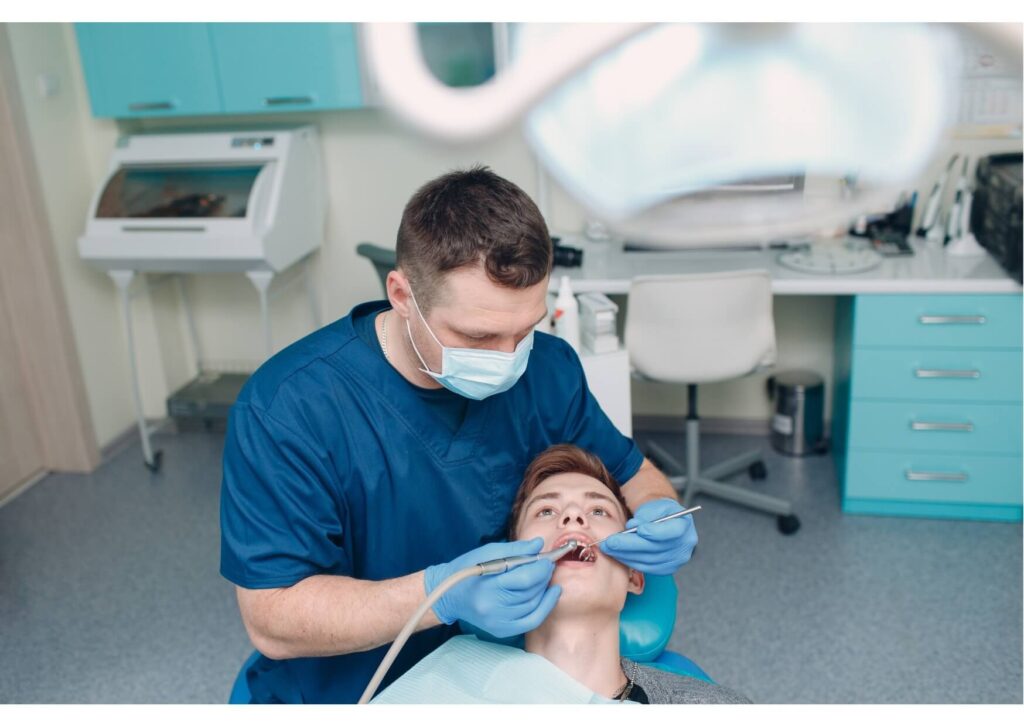
Many adults with missing teeth may be candidates for implants, but candidacy depends on more than wanting a fixed replacement. Gum health, bone support, smoking status, diabetes control, grinding habits, and overall oral hygiene can all affect success. Some medical conditions or medications may also influence healing and planning.
This does not mean implants are reserved only for ideal cases. It means the safest path often begins with a careful evaluation and, when needed, treatment of active disease before implant placement. In some mouths, another option such as a bridge or removable prosthesis may be more practical.
A consultation should include discussion of alternatives, not just the preferred treatment. That conversation can feel disappointing if the first plan is not possible immediately, but it is usually a sign of responsible care rather than unnecessary delay.
If symptoms are persistent, the area is painful, or the reason for tooth loss is unclear, a dental evaluation is especially important before making decisions based only on cost.
Missing teeth can affect far more than appearance, which is why choosing the right implant team matters. At North Atlanta Center for Cosmetic & Implant Dentistry, patients receive personalized treatment planning, advanced implant solutions, and clear guidance about the cost of dental implants from an experienced team focused on long-term results.
If you are ready to explore your options in Buford, GA, call (770) 932-1115 today to schedule your consultation and take the next step toward a healthier, more confident smile.
Dental implants involve diagnosis, imaging, surgery, custom restoration, and follow-up care. The fee reflects both the hardware and the clinical planning needed to place it safely and restore function.
Not necessarily. A lower price may reflect local overhead, promotions, or simpler treatment. The key issue is whether the plan is complete, clearly explained, and appropriate for the mouth.
Sometimes, but not always. Patients should ask whether the estimate includes the implant post, abutment, crown, imaging, grafting, temporaries, and review visits.
Many implants last for years and can function very well long term, especially with good maintenance and a healthy bite. Still, no restoration lasts forever, and some components may need repair or replacement over time.
Urgent evaluation is appropriate for severe swelling, fever, increasing pain, pus, uncontrolled bleeding, or an implant that feels loose. Those symptoms may signal infection or another complication that should not be ignored.
