The safest way to remove plaque from teeth is to brush twice a day with fluoride toothpaste and clean between your teeth once a day. Plaque is soft and can usually be removed at home, but once it hardens into tartar, only a dental professional can remove it safely. Routine preventive dental care helps remove tartar and keep new plaque under control.
If buildup keeps coming back or something on your teeth will not brush away, preventive dental care can help determine whether it is plaque, tartar, or stain. North Atlanta Center for Cosmetic & Implant Dentistry in Buford, Georgia, helps patients protect their teeth and gums with routine cleanings and personalized home-care guidance.
Plaque is a sticky, nearly colorless film made of bacteria, food particles, and saliva. It forms constantly on teeth, especially along the gumline, between teeth, and around dental work or crowded areas. If you want more background on what plaque is, this topic explains how it affects oral health.
When plaque bacteria feed on sugars and other fermentable carbohydrates, they produce acids that can weaken enamel and lead to cavities. Plaque left near the gums can also cause redness, swelling, bleeding, and early gum disease.
Plaque may make teeth feel fuzzy or look dull, but it is not always easy to see. If the buildup looks yellow or brown, feels hard, and does not brush away, it is more likely tartar or surface stain.
Brush for two minutes, twice a day, with a soft-bristled manual or electric toothbrush and fluoride toothpaste. Angle the bristles gently toward the gumline and use small, overlapping motions on the front, back, and chewing surfaces.
Clean between your teeth once a day with floss, interdental brushes, or another tool recommended by a dental professional. Brushing alone does not reliably remove plaque between teeth, which is where buildup often remains.
After brushing, spit out the excess toothpaste instead of rinsing right away with a lot of water. This may help fluoride remain longer on the teeth, though product directions and your dentist's advice should come first.
Plaque-disclosing tablets or solutions can also help. They temporarily color the plaque you missed, making it easier to improve your brushing and flossing technique.
A powered toothbrush can make plaque removal easier if you have braces, limited dexterity, or trouble brushing long enough. A manual toothbrush can work just as well when used gently and thoroughly, so consistency matters more than cost.
Traditional floss works well where teeth fit tightly together. Interdental brushes may work better in wider spaces, around bridges, or near exposed roots.
Water flossers can help reduce plaque and gum irritation for some people, especially around orthodontic appliances or implants. Still, they may not fully replace floss or interdental brushes in every case.
Mouthwash can be a helpful add-on, but it does not remove plaque by itself. Some therapeutic rinses can stain teeth, affect taste, or irritate soft tissues, so it is smart to ask a dentist before using one long term.
Professional cleaning is the right option when plaque has hardened into tartar or when buildup sits in hard-to-reach areas. Avoid scraping your teeth with metal tools or home tartar-removal kits, which can injure the gums, scratch teeth or restorations, and push deposits deeper below the gumline.
If tartar extends under the gums, treatment may involve scaling and root planing to remove the deposits more thoroughly and safely.
When plaque is removed well, teeth usually feel smoother and cleaner right away. If mild gum inflammation is present, bleeding and tenderness may improve with steady, gentle home care.
Plaque starts forming again within hours, so removal is not a one-time fix. Daily home care controls new plaque, while professional cleaning helps manage tartar and areas you cannot fully clean on your own.
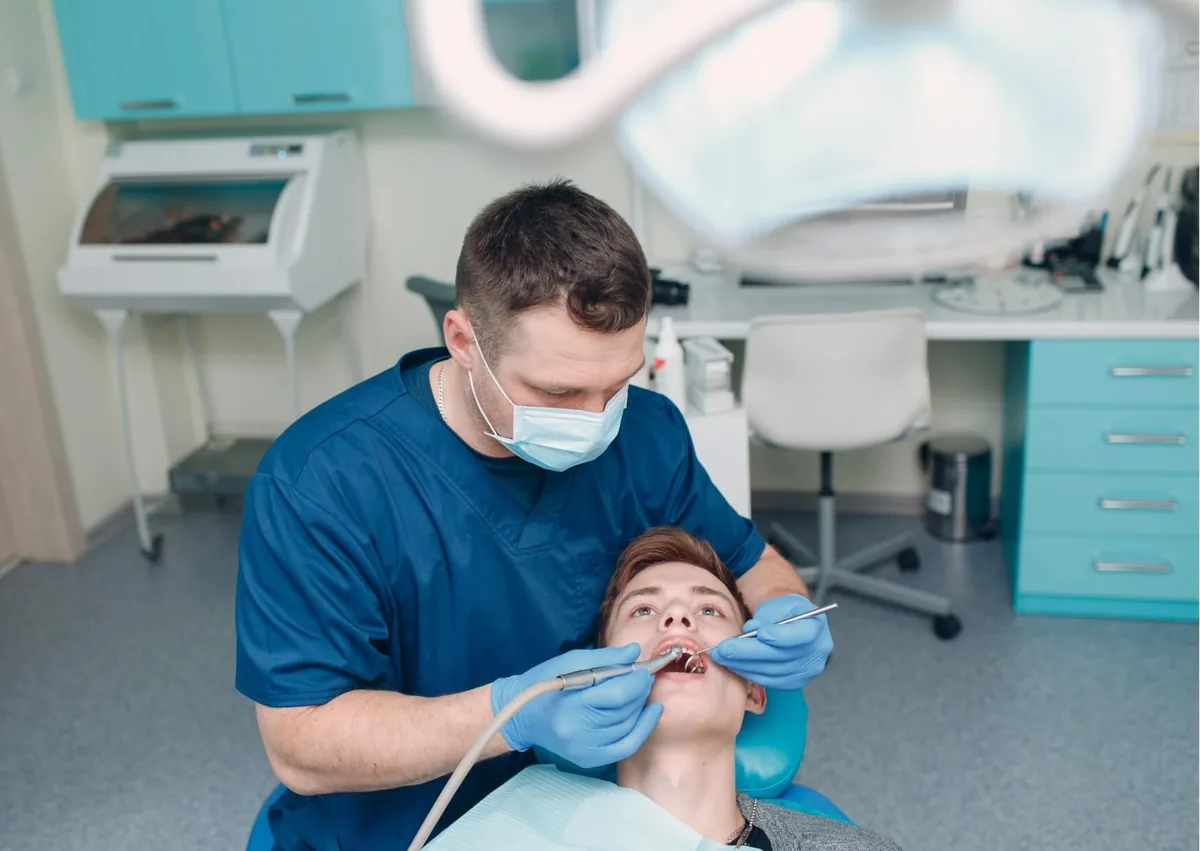
A routine dental cleaning often includes an exam, removal of buildup with hand or ultrasonic instruments, and polishing when appropriate. You may notice vibration, water spray, pressure, or brief sensitivity, especially if the gums are inflamed.
Most people can remove soft plaque at home, but some situations make professional care more important. You may need extra help if buildup does not brush away, your gums bleed often, or bad breath continues even with consistent cleaning.
Earlier evaluation is especially useful for people with braces, implants, bridges, dry mouth, limited hand dexterity, frequent cavities, diabetes, tobacco use, or a history of periodontal disease. These factors can make plaque harder to control and raise the risk of complications.
Schedule a visit if you are not sure whether you are dealing with plaque, tartar, stain, or early gum disease. Regular dental checkups help a dentist or hygienist identify the problem, remove hardened buildup, and recommend the right tools for home care.
Do not ignore worsening swelling, pus, a loose permanent tooth, pain when biting, gum recession, or unexplained changes in your mouth. Facial swelling, fever with dental swelling, trouble breathing, trouble swallowing, or rapidly spreading symptoms need urgent dental or medical attention.
A preventive visit is also a good time to review brushing pressure, flossing technique, fluoride use, and areas you keep missing. Small changes in technique can make plaque removal more effective without harming the gums or enamel.
If plaque or tartar persists despite home care, arrange an exam so a clinician can assess buildup and recommend cleaning or scaling and root planing as needed. North Atlanta Center for Cosmetic & Implant Dentistry offers preventive dental care in Buford; call (770) 932-1115 to schedule.
Soft plaque can often be removed with one thorough brushing and interdental-cleaning session. If a deposit stays attached and feels hard, it may be tartar and should be checked by a dental professional.
Some fluoride toothpastes contain baking soda and can help clean teeth. Homemade abrasive mixtures are not recommended because they may irritate gums, wear tooth surfaces, and will not safely remove tartar.
Bleeding often happens when plaque has irritated the gums. Gentle, consistent cleaning may help, but ongoing, heavy, or unexplained bleeding should be evaluated by a dentist.
Plaque is usually soft, sticky, and removable with proper brushing and cleaning between the teeth. Tartar is hard, stays attached after brushing, and may appear yellow, brown, or darker near the gumline.
