A wisdom tooth rarely comes in all at once. It usually moves slowly, pauses, and then shifts again as the jaw and gum tissue allow.
That uneven pattern is why there is no single timeline. Once a wisdom tooth starts coming in, it may take months to years to fully erupt, and in some cases it never comes in completely.
For many people, the first sign is pressure behind the last molar. Then there may be tenderness, a flap of gum, or the feeling that something is changing in the back of the mouth without a clear end point.
That uncertainty is common. Wisdom tooth eruption is a biological process, not a fixed schedule, and these teeth are especially unpredictable because they often have limited space and may come in at an angle.
Some wisdom teeth break through the gum and keep erupting gradually with little trouble. Others start, stall, and stay partly covered by gum tissue, which can make the area harder to clean and more likely to get irritated.
A patient may report on-and-off soreness for a year, while the exam shows only a small part of the tooth visible. That pattern is common, not unusual.
At North Atlanta Center for Cosmetic & Implant Dentistry in Buford, Georgia, we provide dental checkups to evaluate wisdom tooth eruption and monitor for early problems.
A wisdom tooth is usually considered to have started coming in when part of the dental crown, or visible top of the tooth, begins to push through the gum. Sometimes you can see it in the mirror, but often the first clues are soreness, swelling, or tightness in the back of the jaw.
This stage may also cause inflammation around the erupting tooth. If a small flap of gum covers part of the tooth, food and bacteria can collect there and lead to gum irritation around a partially erupted wisdom tooth.
Symptoms at this stage can include:
These signs do not guarantee the tooth will erupt normally. They simply suggest that movement may be happening and that the area should be checked if symptoms continue.
The biggest reason wisdom teeth vary so much is lack of space. Many jaws do not leave enough room behind the second molars, so the tooth may run into bone, neighboring teeth, or dense gum tissue.
The angle of eruption also matters. A tooth that is upright and has enough room may come in more smoothly, while a tooth that is tilted forward or sideways may erupt only partway or become impacted, meaning it is blocked from erupting normally.
Other factors that affect timing include:
This is one reason dental imaging is so helpful. An X-ray can show whether the tooth is likely to keep moving, stay partially erupted, or create pressure on the tooth in front of it.
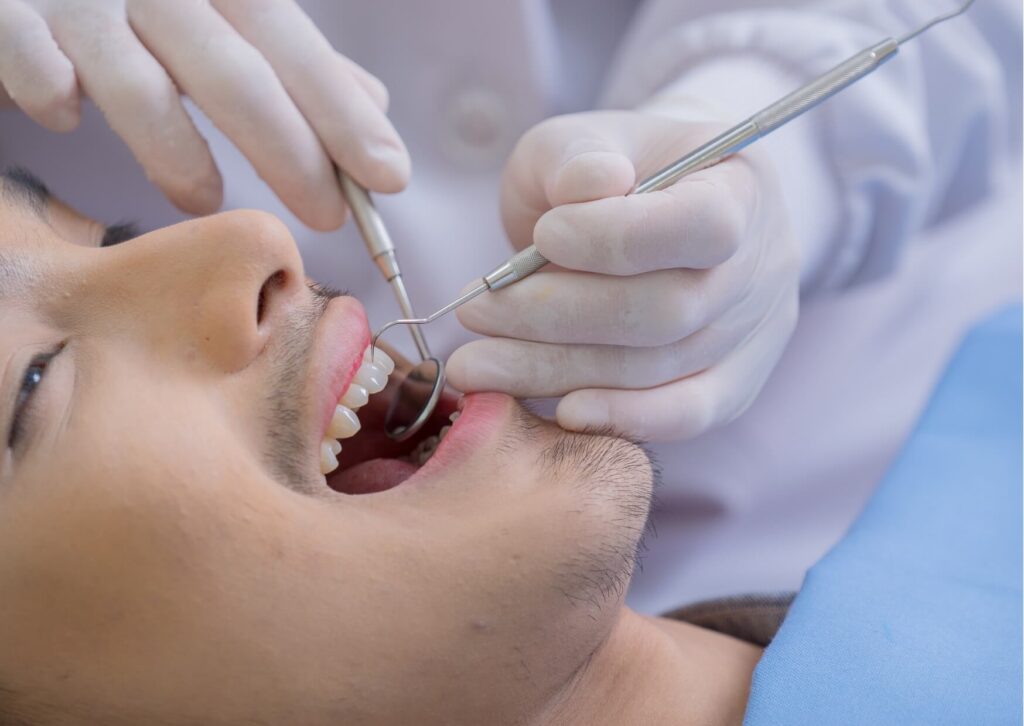
A dentist does not estimate wisdom tooth timing by symptoms alone. The exam usually includes checking the gum tissue, seeing how much of the tooth is visible, and taking an X-ray to assess the tooth under the surface. That kind of assessment is typically part of a dental checkups visit.
In some patients, pressure from a problematic wisdom tooth can contribute to jaw symptoms. If you are worried about jaw pain or joint issues, read about wisdom teeth and TMJ.
Many people expect a wisdom tooth to come in the way other adult teeth did. In reality, wisdom teeth often erupt in a stop-and-start pattern.
There may be a week of soreness, then several quiet months, then another flare of pressure or swelling. This can happen because the tooth moves in small increments rather than in one steady phase.
That pattern does not automatically mean something is wrong. It does mean the tooth should not be judged by symptoms alone, because a tooth can feel active without making useful progress.
That gap between what you feel and what is happening under the surface is where an exam becomes valuable. Imaging and a gum evaluation help show whether the tooth is simply slow, partly trapped, or starting to cause problems nearby.
A wisdom tooth may start to come in and then stall for a long time. In some cases, it stays partly visible and partly covered by gum tissue for years.
Research on erupting third molars shows they may erupt years later, which helps explain why the timeline can feel so unpredictable. A slow process does not always mean danger, but it does mean the tooth may need monitoring.
This matters because a partially erupted wisdom tooth can be hard to clean. The area may trap plaque, food debris, and bacteria, which raises the risk of inflammation, cavities, and infection around the wisdom tooth or the molar next to it.
A dentist may be concerned about:
Pericoronitis can cause pain, swelling, trouble chewing, and difficulty opening the mouth comfortably. If symptoms are significant or keep coming back, a prompt dental visit is the safer choice.
If a wisdom tooth becomes impacted, repeatedly infected, or harmful to nearby teeth, extraction is a common and definitive solution. For more information, see wisdom teeth removal, and learn about typical wisdom teeth surgery duration and tips for wisdom teeth recovery. For practical recovery eating advice, see our guide to the post-extraction diet.
Mild tenderness is common during eruption, but some symptoms go beyond the usual discomfort of a tooth coming in. Those signs deserve timely evaluation because they may point to infection or another complication.
Seek urgent dental care promptly if there is:
If breathing or swallowing becomes difficult, that is not a wait-and-see situation. Emergency medical care is appropriate. For urgent dental issues like severe pain or infection, our urgent dental care services can help.
A dentist does not estimate wisdom tooth timing by symptoms alone. The exam usually includes looking at the gum tissue, checking how much of the tooth is visible, and taking an X-ray to assess the position of the tooth under the surface.
This helps answer practical questions. Is there enough room for the tooth to erupt? Is it angled into the second molar? Is the surrounding gum likely to stay chronically inflamed?
In many offices, this evaluation is straightforward and brief. A panoramic X-ray often gives the clearest overview of how the wisdom teeth are developing and whether they are likely to erupt normally.
That information matters more than guessing from symptoms. It turns vague waiting into a plan based on anatomy, risk, and the patient’s pattern of pain or swelling.
Not every wisdom tooth that starts coming in needs to be removed. If the tooth appears to be erupting in a usable position and the area can be kept clean, a dentist may recommend observation instead of immediate treatment.
That approach usually works best when symptoms are mild, there is no sign of infection, and the nearby second molar is not being damaged. Even then, follow-up matters because a quiet tooth can become problematic later.
During monitoring, patients are usually advised to watch for repeated swelling, worsening pain, or difficulty cleaning the area. General information can help, but treatment decisions should come from an in-person dental evaluation rather than from the timeline alone.
If the question is how long a wisdom tooth takes to come in once it starts, the most honest answer is that there is no reliable countdown. Many wisdom teeth erupt gradually over months or years, and some only come in partway.
That may feel frustrating, but it is useful to know what matters most. A slow timeline is common, while persistent pain, repeated swelling, or signs of infection are the real reasons to get the tooth checked.
A good dental evaluation turns uncertainty into a clearer plan. It shows whether the tooth is simply slow, partly blocked, or likely to keep causing trouble.
For an in-person evaluation of your wisdom teeth, North Atlanta Center for Cosmetic & Implant Dentistry in Buford, serving Buford and nearby communities, offers comprehensive dental checkups; call (770) 932-1115 to schedule.
Common signs include pressure, gum tenderness, swelling behind the last molar, or seeing a small part of the tooth break through the gum. These symptoms can suggest eruption, but an exam and X-ray are the best ways to confirm what is happening.
Yes. A wisdom tooth may partially erupt and then stall for months or much longer. This is common when there is not enough room or when the tooth is angled in a way that blocks normal eruption.
Yes, intermittent discomfort is common. Wisdom teeth often erupt in phases, so symptoms may flare and settle rather than staying constant.
Not always. Some wisdom teeth erupt into a functional position without major problems, while others become partly impacted or repeatedly inflamed. A dentist can assess whether monitoring or removal makes more sense in your situation.
Concern is more appropriate if there is severe pain, facial swelling, fever, pus, trouble swallowing, or difficulty opening the mouth. Those symptoms may suggest infection or another complication and should be evaluated promptly.
