Jaw clicking is not always a sign of TMJ disorder. Many people experience harmless jaw noises without pain or dysfunction, but if the clicking is paired with pain, locking, or limited movement, it could point to a temporomandibular joint problem that needs professional evaluation.

Jaw clicking is a sound or sensation in the temporomandibular joint when you open or close your mouth. In many cases, this clicking is harmless and occurs because of small shifts in the joint that do not cause long-term issues. Clicking alone without pain or difficulty moving your jaw is often not diagnostic of TMJ disorder.
Clicking becomes a concern when it is frequent, painful, or linked to functional problems like difficulty chewing or jaw locking. At Buford Dentist, patients often ask whether every clicking sound signals TMJ disorder. The short answer is no, but persistent symptoms should be monitored.

One of the most frequent causes is disc displacement with reduction. This happens when the cartilage disc that cushions the joint slips out of place but moves back when the mouth opens or closes. The shift creates a click or pop.
Teeth grinding and jaw clenching place constant stress on the muscles and joints. Over time, this repetitive strain can lead to clicking sounds. Stress is a major trigger, and many patients do not realize they grind their teeth during sleep.
When teeth do not meet properly, the jaw joints work harder to find a stable position. This uneven bite can strain the TMJ and produce clicking. Orthodontic issues and missing teeth often contribute to malocclusion.
Arthritis can affect the temporomandibular joint, leading to wear and tear of cartilage. Inflammatory or degenerative conditions may cause crepitus, a grinding sound, along with clicking. This tends to appear in older adults but can also affect younger patients with autoimmune issues.
A direct injury to the jaw, whether from a fall, accident, or sports, can disturb the balance of the joint. Patients sometimes report clicking that develops weeks or months after trauma.
Rarely, growths such as tumors in the jaw joint region may contribute to mechanical noises. While uncommon, persistent unexplained symptoms should be evaluated with imaging to rule out serious conditions.

A jaw click without pain or functional limitation is usually not a sign of a disorder. Studies show that many people have occasional joint noises that never develop into a medical problem.
Key points:
At Buford Dentist, we emphasize that not every click equals TMJ disorder. Monitoring your symptoms helps determine when further evaluation is needed.
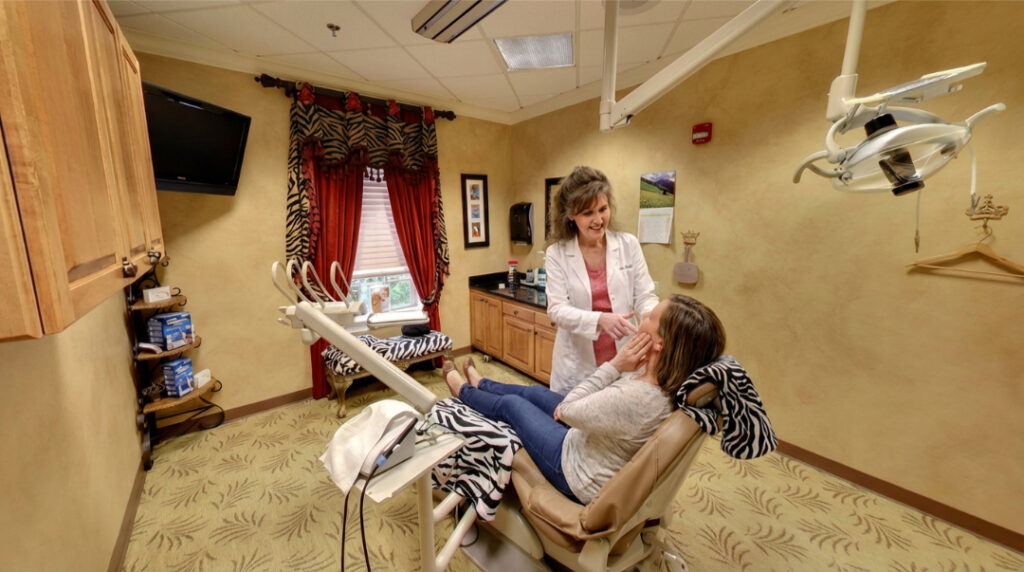
Pain in the jaw joint, face, or muscles is one of the strongest signs of TMD. This pain often spreads to the temples, ears, or neck. Patients may also experience frequent headaches or earaches.
If the jaw feels stiff, fatigues easily, or locks in an open or closed position, this is more than harmless clicking. Locking indicates that the joint disc is not moving smoothly and could worsen without care.
These symptoms suggest the problem extends beyond simple clicking.
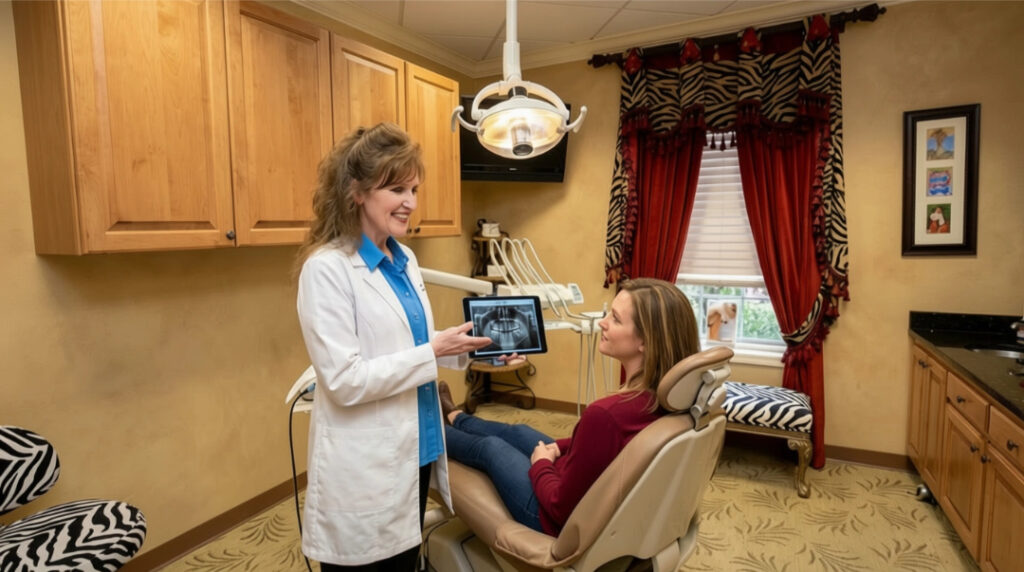
Many dental guides explain causes and treatments but overlook the mechanics of why clicking happens. In reality, the disc acts like a cushion that moves forward and backward with the jaw. When it shifts out of position and then returns, you hear a click.
Another point often missed is frequency. Occasional clicking without other issues is usually harmless. Frequent clicking paired with pain is not.
Imaging such as MRI provides the clearest view of disc displacement, yet not all practices highlight this step. At Buford Dentist, we stress the value of imaging in diagnosis, especially for patients with chronic symptoms.

Exercises designed to relax jaw muscles can reduce strain. Physical therapists sometimes use manual therapy to help restore balanced movement.
Nightguards and splints reduce grinding forces during sleep. Dentists may recommend custom devices to protect the joints and teeth.
In some cases, further interventions are needed:
Seek professional care if:
Buford Dentist encourages patients to schedule an exam if symptoms interfere with daily life.


Most cases of jaw clicking without pain do not progress into serious disorders. Preventive steps help reduce risk:
Research shows that early attention to symptoms prevents long-term complications.

Jaw clicking by itself is not always a sign of TMJ disorder. Many people experience joint noises without ever needing treatment. The concern arises when pain, restricted motion, or locking occurs.
At Buford Dentist, our approach is balanced. We reassure patients when symptoms are harmless, but we also provide timely diagnosis and treatment when needed. Paying attention to your body and seeking care early keeps small problems from becoming bigger ones.
The best whitening options for sensitive teeth are professional in-office treatments with desensitizing agents, custom-fit take-home trays from your dentist, and peroxide-free or low-peroxide products such as sensitive whitening toothpaste, gentle strips, and PAP-based systems. Each method balances whitening effectiveness with enamel protection, and your choice depends on your sensitivity level, budget, and goals. Consulting a dentist like Buford Dentist ensures safe and lasting results.

Tooth sensitivity occurs when enamel wears down or gums recede, exposing dentin. Dentin has tiny tubules that connect to nerves, making your teeth react painfully to cold, hot, sweet, or acidic substances.
Whitening gels often use peroxide to break down stains. Peroxide penetrates enamel and exposes dentin temporarily, making sensitivity worse. For sensitive patients, finding safer options is key.
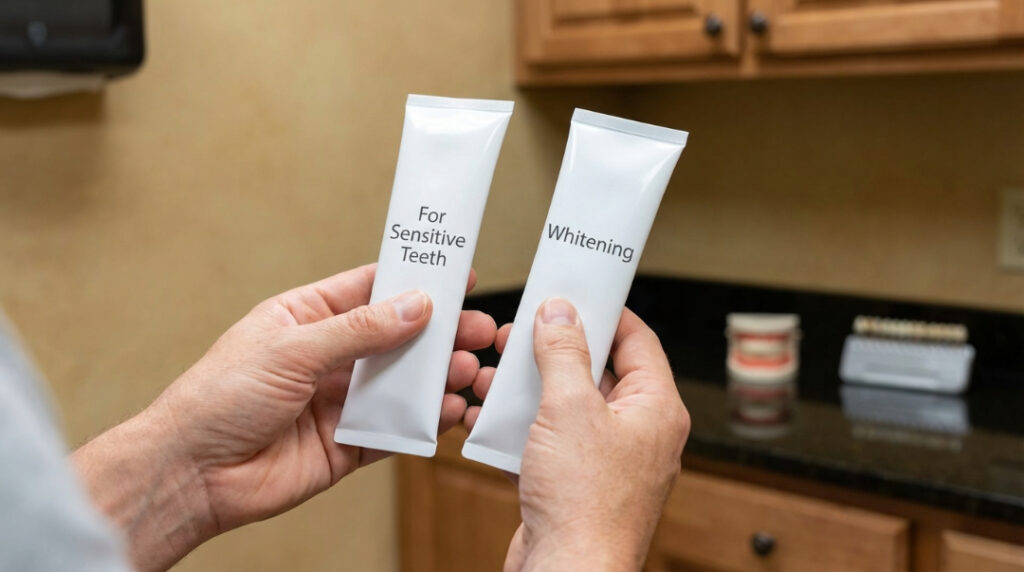
Studies show baking soda-based toothpaste helps whiten without harming enamel. Clinical trials confirm potassium nitrate reduces sensitivity when used before and during teeth whitening.
Here are the main whitening methods, their strengths, and limitations:
| Method | Pros | Cons | Best For |
| Sensitive Whitening Toothpaste | Daily use, strengthens enamel, affordable | Slow results | Mild stains, ongoing maintenance |
| Low-Peroxide Whitening Strips or Gels | Affordable, widely available | Can irritate gums if misused | Moderate stains, budget-conscious users |
| LED Whitening Kits with Desensitizers | Controlled application, includes serums | Mixed results, still peroxide-based | Those wanting at-home convenience |
| Purple Color-Correcting Whiteners or PAP Systems | Peroxide-free, gentle | Subtle brightness, not dramatic whitening | People with high sensitivity |
| Custom-Fit Dentist Trays | Even application, lower peroxide levels | More cost, requires dentist visit | Moderate to severe sensitivity |
| Professional In-Office Whitening | Fast, personalized, desensitizers applied | Higher cost, dentist appointment needed | Severe staining, safe and effective approach |
| Laser or LED-Enhanced Whitening | Immediate results, dentist-controlled | Risk of temporary spikes in sensitivity | Short timelines, big events |
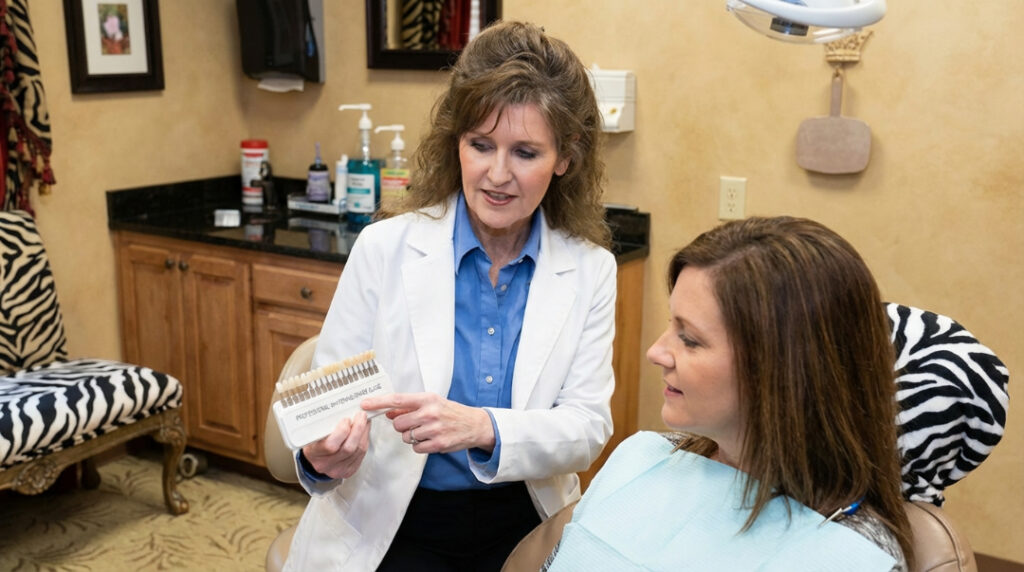
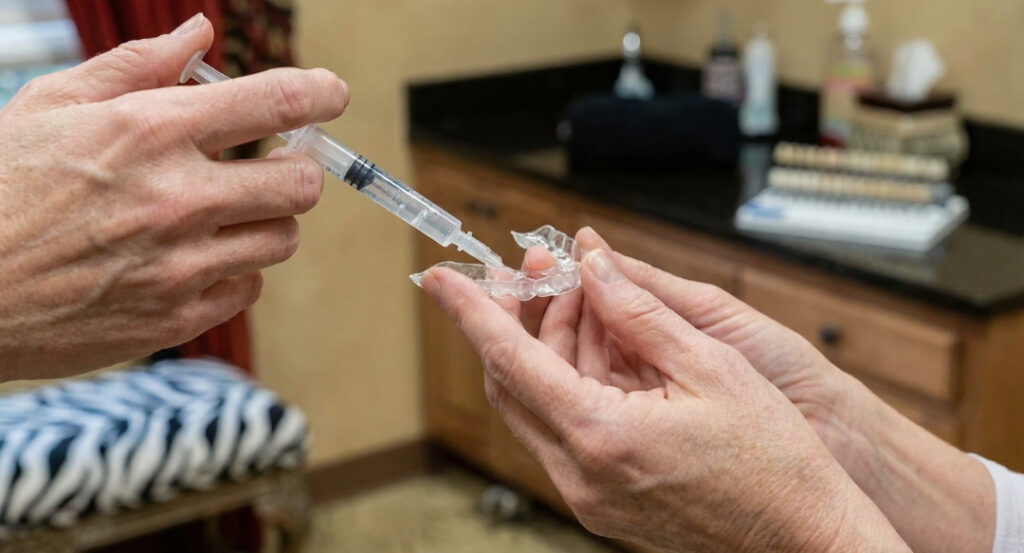
Dentists apply protective gels or fluoride before whitening. Concentrations are adjusted to minimize pain. Lights or gentle heat may be used for activation. Buford Dentist provides tailored whitening plans for patients with high sensitivity.
Dentist-made trays reduce gum exposure and allow lower-strength whitening gel. Treatment is gradual, so sensitivity is easier to manage.
Toothpaste with potassium nitrate or stannous fluoride whitens surface stains slowly while calming nerves. Best for mild discoloration.
Options like Crest 3D Whitestrips Sensitive are gentler than standard strips. Results are gradual but noticeable with consistent use.
Some kits include desensitizing serums. These allow better control of gel placement and reduce gum irritation.

Safe when used correctly. Removes surface stains gently without damaging enamel.
Low-strength rinses whiten gradually. Should be used with dentist guidance to avoid overuse.
Swishing coconut oil helps reduce surface stains. Not a strong whitening method but supportive for oral hygiene.
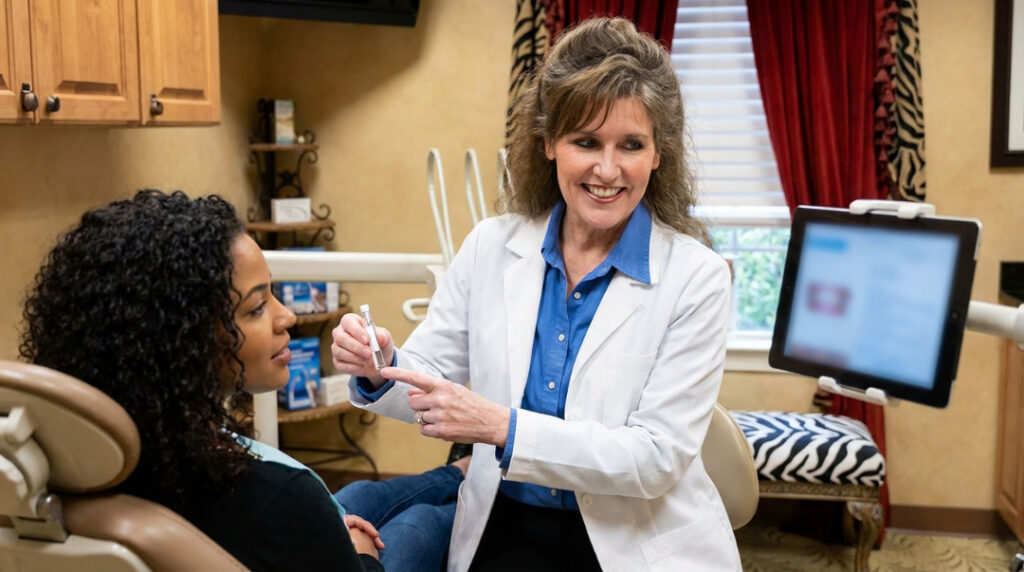
These work by neutralizing yellow tones using color theory. They do not bleach teeth but create the appearance of whiter enamel.
Phthalimidoperoxycaproic acid (PAP) is a peroxide-free whitening agent that brightens without weakening enamel. Studies suggest lower sensitivity compared to peroxide systems.
Laser energy activates a gentle whitening gel, offering fast results. Must be managed carefully to avoid sensitivity spikes.
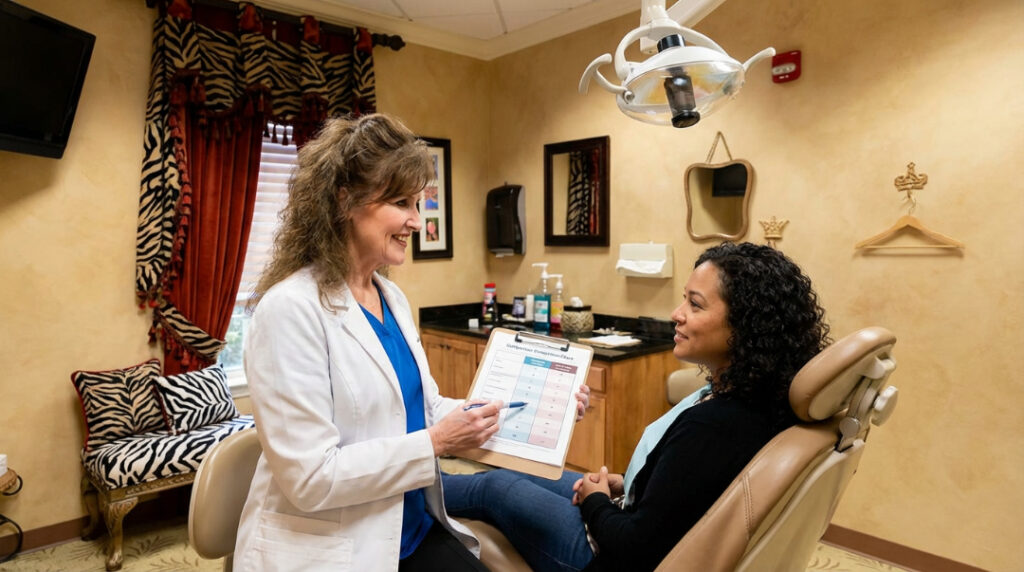
If you have gum recession, enamel loss, or frequent pain, professional guidance is critical. Buford Dentist provides evaluations and recommends the safest path forward.

Buford Dentist serves patients in Georgia with personalized whitening treatments designed for sensitive teeth. Local patients benefit from in-office monitoring, custom tray fitting, and safe whitening plans that protect enamel.
Yes, whitening is possible if you use dentist-approved methods designed for sensitivity.
It often lasts 24 to 48 hours but can be minimized with fluoride and potassium nitrate treatments.
Is professional whitening worth it for sensitive teeth
Sensitive teeth do not prevent whitening. With professional support and the right products, you can achieve a brighter smile safely. Start with gentle solutions and move to professional care when needed. Buford Dentist offers treatments tailored for sensitive teeth, ensuring results without lasting discomfort.
Yes, stress at home worsens TMJ symptoms. Stress leads to jaw clenching, teeth grinding, muscle tension, and inflammation that increase jaw pain and discomfort. By identifying home stress triggers and applying targeted strategies, you reduce flare-ups and protect your temporomandibular joint health.
Stress at home worsens TMJ because it activates the body's stress response. This increases tension in the muscles that control the jaw. Over time this tension irritates the temporomandibular joint, leading to pain and dysfunction.
Key connections between stress and TMJ:
Home is where people often feel safe, but stressors at home create unique risks for TMJ. Family tension, multitasking, poor workspace setups, and sleep disruption all strain the jaw.
When you feel stressed, your body enters fight-or-flight mode. Your jaw muscles tighten without you noticing. Prolonged tightness leads to bruxism and joint irritation.
Stress causes clenching. Clenching causes pain. Pain increases anxiety, which triggers more stress. Without intervention, this cycle leads to chronic TMJ flare-ups.

Identifying symptoms linked to home stress helps you know when intervention is needed.
Working from home leads to long periods of jaw tension. Poor screen height and extended meetings often leave workers clenching unconsciously.
Parents often clench their jaw while cooking, cleaning, or planning the next day. Stress during these hours translates into bruxism at night.
Household chores, social obligations, and financial discussions pile up. Stress builds and leads to nighttime jaw grinding.
Jaw pain linked to home stress feels sharper and more persistent because the muscles rarely rest. Unlike short bursts of stress at work, home triggers last for hours.
Can TMJ issues be triggered by poor sleep habits? Poor sleep quality or uncomfortable sleeping positions can intensify jaw tension overnight and make morning pain worse.
Pain signals to monitor:

Acknowledging stress reduces the pressure you feel to hide it. Discussing stress with family members helps prevent conflict-driven clenching.
When stress becomes chronic, counseling or therapy provides tools to manage it effectively. Mental health care often reduces TMJ flare-ups by controlling the root trigger.
Stress does not cause TMJ alone. It worsens existing problems by straining muscles and joints.
Stress increases muscle tension and pain sensitivity. This makes nighttime clenching more damaging.
Apply a warm compress, massage the jaw, and take five minutes for deep breathing.
Yes, through relaxation training, posture correction, and stress management. Night guards are one option, not the only one.
Consistent practice shows improvement within weeks. The key is regular use of relaxation techniques.
Stress at home worsens TMJ symptoms by fueling clenching, grinding, and inflammation. Relief requires both physical and emotional strategies. By improving ergonomics, adopting relaxation routines, and addressing emotional stress, you lower the frequency and intensity of flare-ups. Buford Dentist offers professional evaluation and treatment options when home care is not enough.
Yes, poor sleep habits and an uncomfortable mattress often trigger or worsen TMJ issues. Bad sleep posture, teeth grinding, and lack of proper neck support increase strain on the jaw joint, while an unsupportive mattress or pillow misaligns the spine and jaw, causing morning pain and stiffness.

TMJ, or temporomandibular joint disorder, refers to problems affecting the hinge joint that connects your jaw to your skull. This joint allows you to talk, chew, and yawn.
Common symptoms include:
Research shows that mechanical stress, poor posture, and muscle tension play a direct role in worsening TMJ pain. In fact, many patients ask, can TMJ affect your posture? The connection goes both ways—misalignment in the spine can strain the jaw, while TMJ tension can disrupt posture. Sleep habits and your mattress are two overlooked but critical factors.

The way you sleep influences jaw tension.
Transitioning positions helps reduce strain. Use pillows behind your knees or sides to train your body to remain on your back. Adjust pillow height so your head stays aligned with your spine.
Poor sleep routines worsen TMJ issues by increasing body tension.
Practical steps include:
Bruxism, or nighttime teeth grinding, is closely tied to stress and poor sleep quality. It overworks the jaw joint and causes enamel wear.
Signs of bruxism:
Night guards from your dentist help reduce grinding pressure, but addressing sleep quality lowers the root cause.

A supportive mattress keeps your spine and jaw in alignment. If your mattress is too soft, your body sinks and your neck tilts. If it is too firm, pressure builds on your shoulders and jaw.
Types of mattresses:
A mattress past 7–10 years of use often loses support and should be replaced.
Pillows directly influence jaw alignment. A pillow that is too high tilts the head forward, tightening jaw muscles. Too flat, and your neck collapses backward.
Tips:
The sleep environment plays a role in TMJ discomfort:

If these symptoms appear consistently, your mattress or sleep posture may be contributing.

If you struggle to change habits, use body pillows or rolled towels to stabilize your position.
When buying a mattress:
For pillows:
Stress often drives jaw clenching. Add these practices:

Sometimes adjustments are not enough to control TMJ pain. In these cases, professional help is important.
Options include:
Buford Dentist provides treatment options tailored for TMJ pain, including night guards, relaxation guidance, and referrals for therapy when needed.

A patient experienced daily jaw pain and headaches despite using a mouthguard. Their mattress was sagging and their pillow too thick. After replacing both with supportive options and learning back-sleeping techniques, jaw pain reduced within weeks. This demonstrates how sleep environment often plays a larger role than expected.

Addressing TMJ requires more than treating the jaw alone. Poor sleep habits and an unsupportive mattress often drive symptoms. By improving sleep posture, replacing worn-out bedding, and following stress management practices, many people experience lasting relief. For persistent pain, Buford Dentist offers professional solutions tailored to your specific needs.
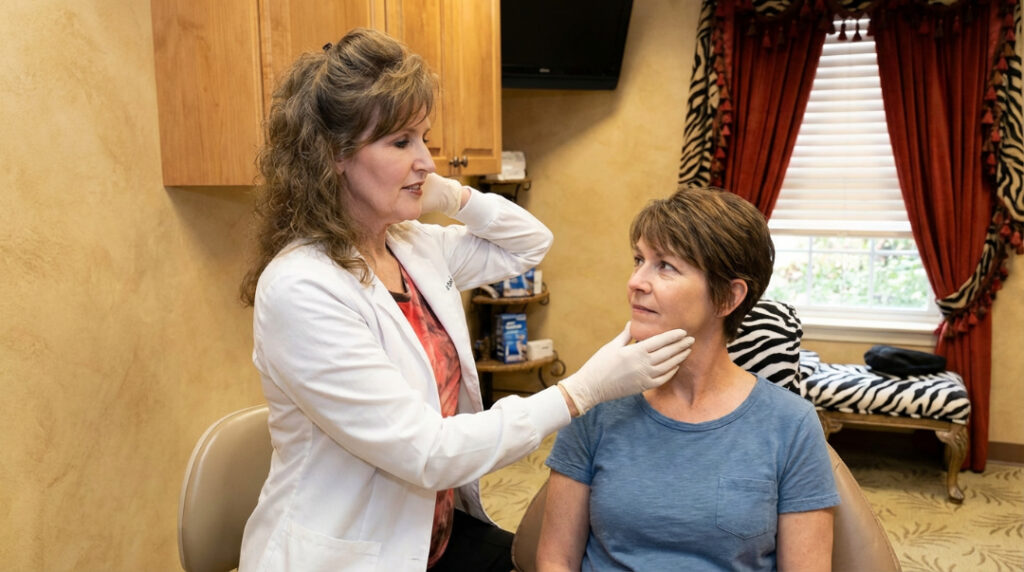
When it comes to overall health, most people think of posture and jaw health as separate issues. However, there is a surprising and impactful connection between the Temporomandibular Joint (TMJ) and posture. TMJ dysfunction can significantly affect your body’s alignment, leading to discomfort and chronic pain.
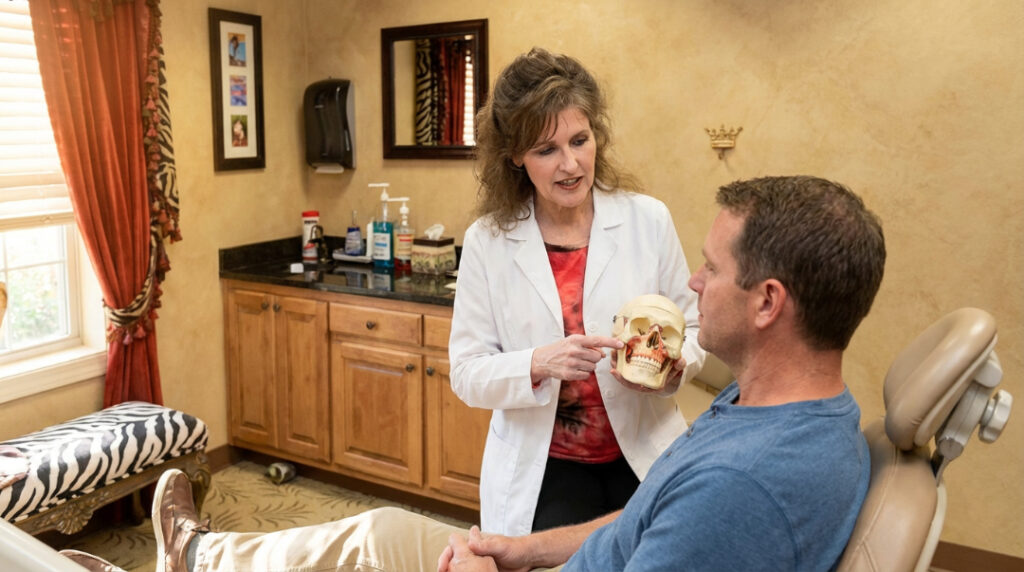
The Temporomandibular Joint (TMJ) is a hinge-like structure connecting your jawbone to your skull. It plays a crucial role in everyday activities like chewing, speaking, and even breathing. TMJ disorders, commonly referred to as TMD, occur when the joint becomes misaligned or damaged, causing a range of symptoms including:
Addressing TMJ issues early is vital because untreated TMJ disorders can cascade into broader health problems, including posture-related issues.

Your TMJ is intricately connected to the musculoskeletal system, particularly the neck, shoulders, and spine. When the jaw is misaligned, it creates a ripple effect. Muscle imbalances caused by TMJ dysfunction can pull the head forward, resulting in a common condition known as forward head posture. This misalignment places undue stress on:
Over time, these compensatory changes can lead to chronic discomfort and posture issues such as slouched shoulders or an arched lower back.
These symptoms not only affect physical health but can also lead to fatigue and reduced productivity.

Recognizing the signs early can help mitigate long-term issues. Common indicators include:
If you answered “yes” to any of these questions, TMJ could be affecting your posture.
Treating TMJ doesn’t just alleviate jaw pain—it can also improve overall body alignment. When the jaw is properly aligned, it reduces tension in the surrounding muscles, allowing the neck and shoulders to return to their natural positions.

Preventing TMJ-related posture issues requires a proactive approach:
The connection between TMJ and posture is a complex but critical aspect of overall health. By understanding how TMJ dysfunction can impact your body’s alignment, you can take steps to address both issues effectively. Whether through targeted treatments, corrective exercises, or preventative measures, improving TMJ health can lead to better posture and reduced pain.

If you’ve ever felt the unsettling sensation that the world around you is spinning while you’re standing still, you’re not alone. This phenomenon, known as vertigo, can stem from a variety of causes—one of which might surprise you: temporomandibular joint (TMJ) disorder.
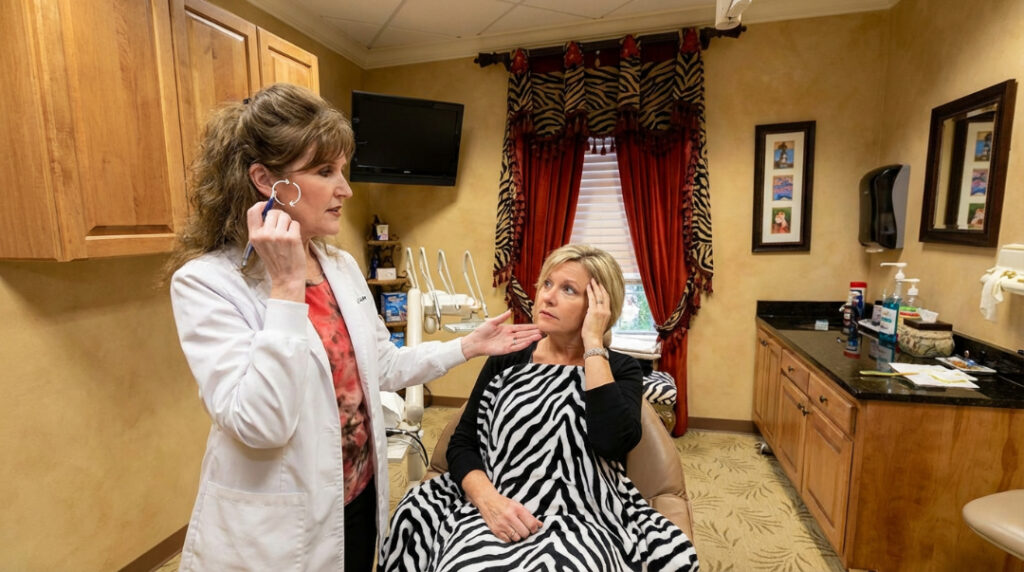
The temporomandibular joint acts as a sliding hinge that connects your jawbone to your skull. This joint plays a crucial role in everyday activities like chewing, speaking, and even breathing. But when this joint malfunctions or becomes inflamed, it can lead to a host of issues, including vertigo.
Yes, temporomandibular joint (TMJ) disorder can cause vertigo. Here’s how:
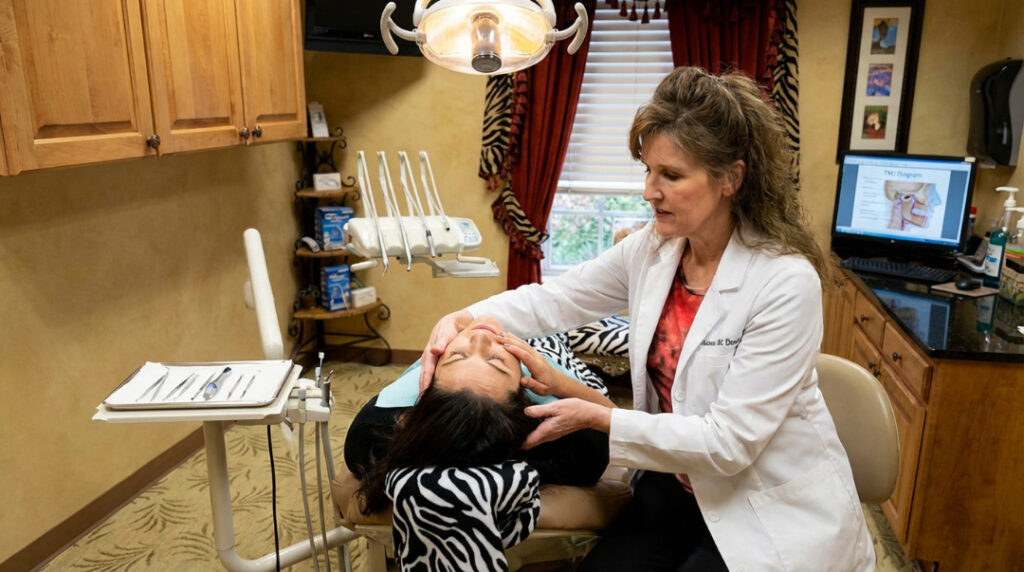
Vertigo from TMJ can present with distinct symptoms. These include:
It’s important to recognize these symptoms early, as they can disrupt daily life and increase the risk of falls or injuries.

While vertigo might be the most alarming symptom, TMJ disorder is known for causing a variety of other issues, such as:
These symptoms often occur simultaneously, making it essential to consider TMJ as a possible cause if you’re experiencing vertigo alongside any of these issues.
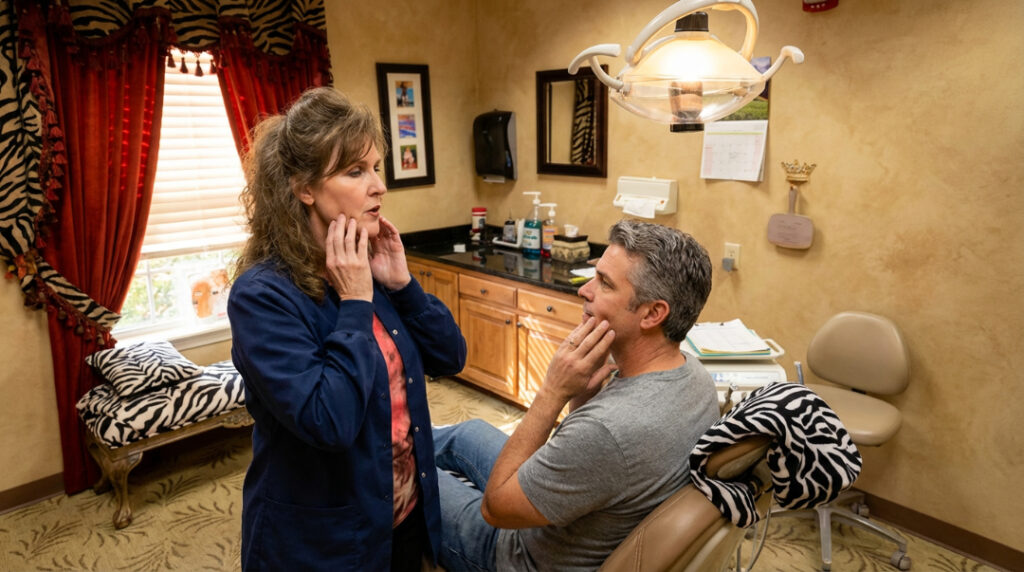
The good news is that TMJ-related vertigo is manageable. Treatment often focuses on addressing the underlying TMJ disorder. Here are some common approaches:
It’s crucial to consult a healthcare professional for a proper diagnosis and treatment plan, as vertigo can also be caused by other medical conditions.
Can TMJ cause vertigo? Absolutely. The intricate connection between your temporomandibular joint, nerves, and inner ear explains why TMJ disorder can lead to vertigo and related symptoms. By recognizing the signs, exploring treatment options, and consulting with a healthcare provider, you can take the first steps toward relief.
If vertigo or TMJ symptoms are interfering with your life, don’t wait—reach out to a professional today. Whether it’s through physical therapy, lifestyle changes, or other interventions, solutions are available to help you regain your balance and comfort.
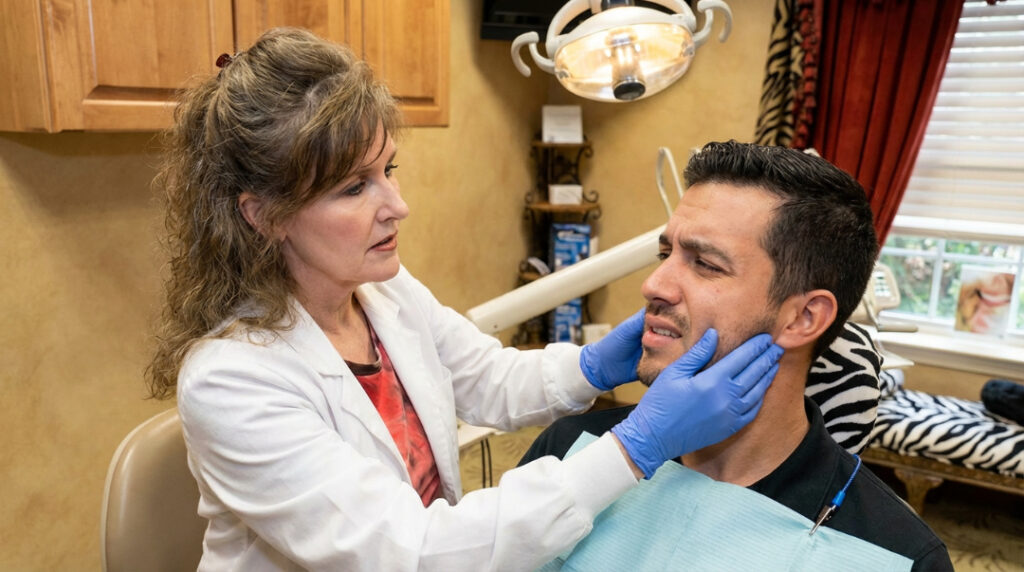
Temporomandibular Joint Disorder, or TMJ, affects millions worldwide, causing discomfort in the jaw joint and surrounding muscles. If you’re experiencing TMJ pain, you might wonder: Can over-the-counter (OTC) medications provide effective relief?
TMJ pain often results from stress, teeth grinding (bruxism), jaw injuries, arthritis, or other joint disorders. The symptoms can range from mild discomfort to debilitating pain, making everyday activities like chewing or speaking challenging. Because TMJ issues stem from various causes, TMJ treatment often requires a multifaceted approach.
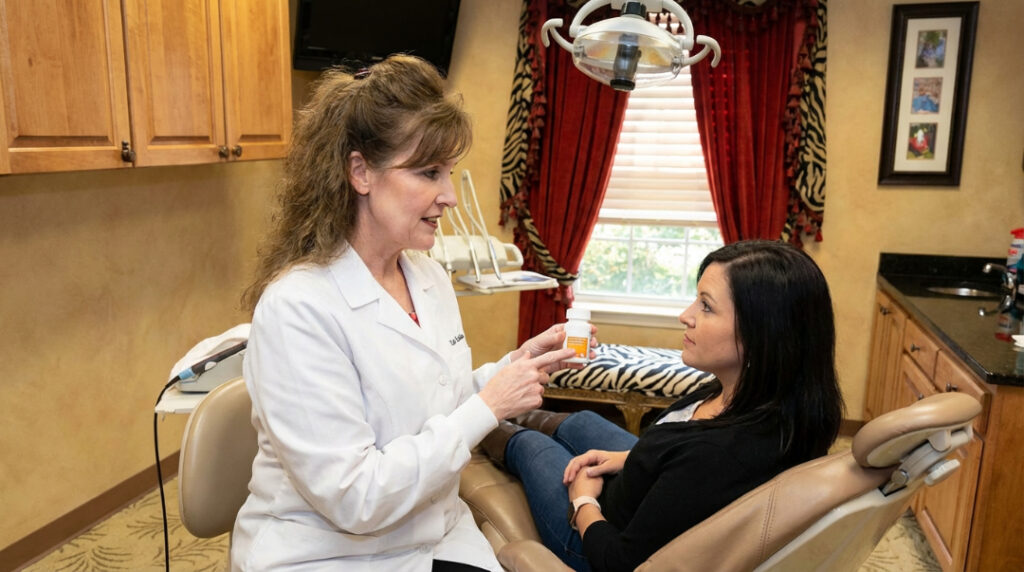
Yes, OTC pain relievers can be effective in managing TMJ pain, especially for mild to moderate cases. These medications work by reducing inflammation and alleviating pain. However, their effectiveness depends on the underlying cause and severity of the disorder.


If OTC medications fail to provide relief or symptoms worsen, consult a healthcare provider. Prescription options such as muscle relaxants, corticosteroids, or even surgery may be recommended for severe cases.
October 29, 2025
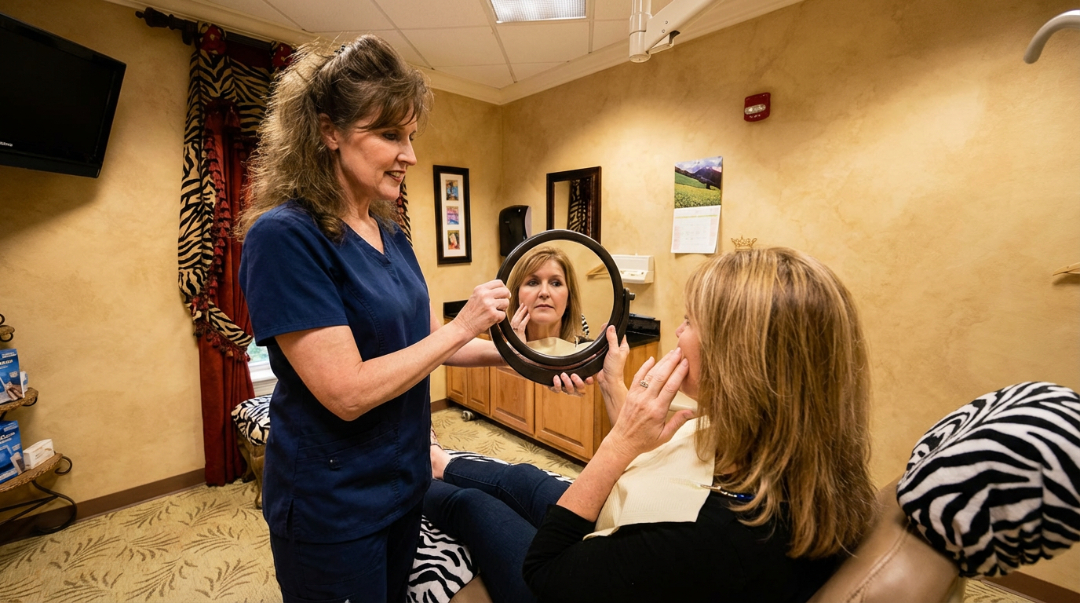
Look no further than cosmetic dentistry in Buford, Georgia! Whether you want to whiten your teeth, fix crooked teeth, restore damaged teeth with dental crowns, or explore other cosmetic dental treatments, Buford offers a range of options to help you achieve the beautiful smile you've always dreamed of.
Cosmetic dentistry focuses on enhancing the appearance of your teeth, resulting in a more confident and radiant smile. Here's everything you need to know about cosmetic dentistry in Buford, Georgia.
If you're struggling with stained or discolored teeth, teeth whitening can work wonders. Buford, Georgia offers personalized teeth whitening treatments that can restore the natural brightness of your teeth. With professional-grade treatments, your dentist can safely and effectively remove stains, giving you a brighter smile. Say goodbye to those over-the-counter whitening strips that often lead to inconsistent results. Invest in professional teeth whitening for long-lasting and noticeable improvements. You'll be amazed at the transformation and how it can boost your confidence.
Do you have crooked teeth that make you self-conscious? Invisalign offers a discreet and comfortable way to straighten your teeth. Buford, Georgia provides skilled dentists who specialize in Invisalign treatment. Using a series of clear aligners, Invisalign gradually shifts your teeth into their proper position. Enjoy the freedom of removing the aligners when eating or brushing your teeth, and achieve a straighter smile without the hassle of traditional braces. Experience the joy of a beautiful, aligned smile that enhances your overall appearance.
If you have damaged or weakened teeth, dental crowns can provide a solution. Buford, Georgia has reputable dental offices that offer high-quality dental crowns. These tooth-shaped caps are custom-made to fit over your damaged teeth, restoring their appearance and functionality. Dental crowns not only improve the aesthetic appeal of your smile but also provide added strength and protection to the weakened teeth. With dental crowns, you can confidently bite, chew, and speak, knowing your teeth are well-supported and beautifully restored.
In addition to teeth whitening, Invisalign, and dental crowns, Buford offers various other cosmetic dental treatments such as dental implants, porcelain veneers, and composite bonding. These treatments address different dental concerns and can help you achieve the smile you desire.
Dental care plays a crucial role in maintaining good oral health. Regular dental check-ups, professional cleanings, and practicing good oral hygiene at home are essential for preventing dental issues and preserving the health and beauty of your smile.
Absolutely! While cosmetic dentistry primarily focuses on enhancing the appearance of your teeth, many procedures, such as dental crowns and dental implants, also improve their functionality. This means you can have a beautiful smile that functions properly, allowing you to enjoy your favorite foods and speak with confidence.
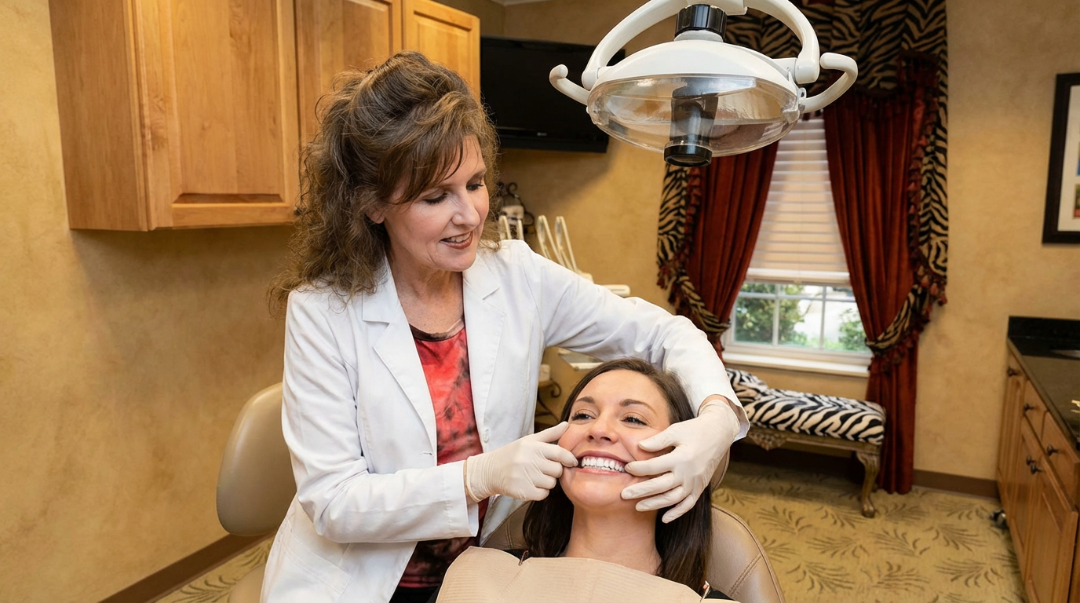
Transform your smile with cosmetic dentistry in Buford, Georgia. From personalized teeth whitening to Invisalign, dental crowns, and various other dental treatments, you have access to a wide range of options to enhance your smile. Achieve the beautiful smile you've always dreamed of and boost your confidence. Book your consultation with a trusted cosmetic dentist in Buford today and unlock the full potential of your smile and oral health.
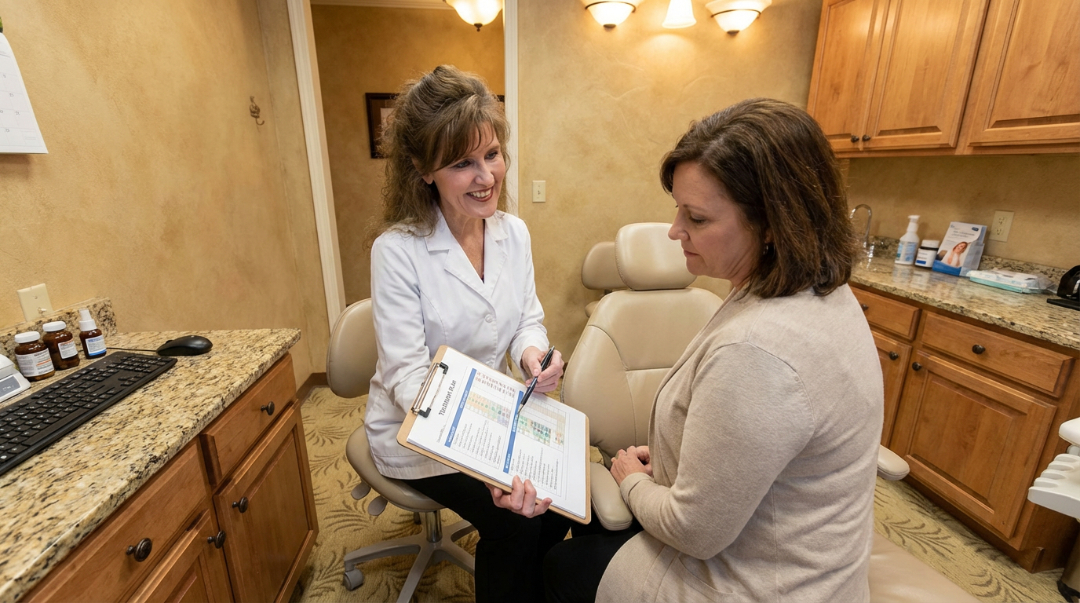
Are you searching for a trusted dentist in Buford, GA? Look no further! At North Atlanta Center for Cosmetic and Implant Dentistry, your Buford Dentist, we are dedicated to giving excellent dental care to people in Buford and nearby areas.
Our skilled team and modern facilities allow us to provide many different dental services to take care of your oral health. Whether you require routine check-ups, cosmetic dentistry, or restorative treatments, we've got you covered. Let's explore why Buford Dentist is the go-to choice for exceptional dental care.
Your smile is super important, and having teeth that are bright and white can really change things. Teeth whitening is a safe and effective way to make your teeth look whiter and younger by getting rid of stains and discoloration. Whether your teeth have been stained by things like coffee, tea, tobacco, or just from getting older, our teeth whitening treatments can bring back their natural shine.
At Buford Dentist, we offer professional teeth whitening options tailored to your unique needs. Our dental team will carefully evaluate your teeth and recommend the best treatment plan for optimal results. You can trust our expertise and experience to ensure a safe and comfortable teeth whitening experience.
At Buford Dentist, we understand that maintaining a healthy smile goes beyond just teeth whitening. Dental problems can arise, and we are here to help you address them effectively. Our experienced dental team offers various services to treat various dental issues, including cavities, gum disease, and more. Whether you need a routine check-up or require restorative treatments, we have you covered.
Our team will take the time to listen to your concerns, perform a thorough examination, and develop a personalized treatment plan that suits your needs. With our state-of-the-art facilities and advanced dental techniques, you can trust us to provide top-quality care that will restore and enhance your oral health.
Our team will listen to what you have to say, check your teeth carefully, and create a special plan just for you. We have really cool tools and techniques to make sure you get the best care that will make your mouth healthy and even better than before.
If you're thinking about getting teeth whitening, our front office staff will help you understand how it works, tell you about the different choices you have, and find a convenient appointment time that works for you. We are committed to providing exceptional customer service and ensuring your comfort throughout your dental visit.
A: Scheduling an appointment is quick and easy! You can give us a call at (770) 932-1115, or visit our website and fill out the appointment request form. Our friendly staff will assist you in finding a convenient time for your visit.
A: Yes, we accept most dental insurance plans. Our team will work closely with you to maximize your insurance benefits and provide affordable treatment options.
A: Absolutely! We understand that dental emergencies can happen at any time. Buford Dentist offers prompt emergency dental care to relieve your pain and address urgent dental issues.
When it comes to exceptional dental care in Buford, GA, Buford Dentist is your trusted partner. With our experienced team, comprehensive services, and state-of-the-art facilities, we strive to deliver the highest quality dental treatments while ensuring your comfort. Schedule an appointment with Buford Dentist today and experience the difference in your oral health. Your smile deserves the best care!
Buford Dentist in Buford, GA, is your go-to destination for achieving a brighter smile through professional teeth whitening. Our friendly front office staff is dedicated to ensuring comfort and addressing dental concerns.
From teeth whitening to addressing dental problems, we offer comprehensive dental services to meet your needs. Experience the transformative power of teeth whitening at Buford Dentist and regain your confidence with a radiant smile. Contact us today to schedule your appointment. Your dream smile awaits!
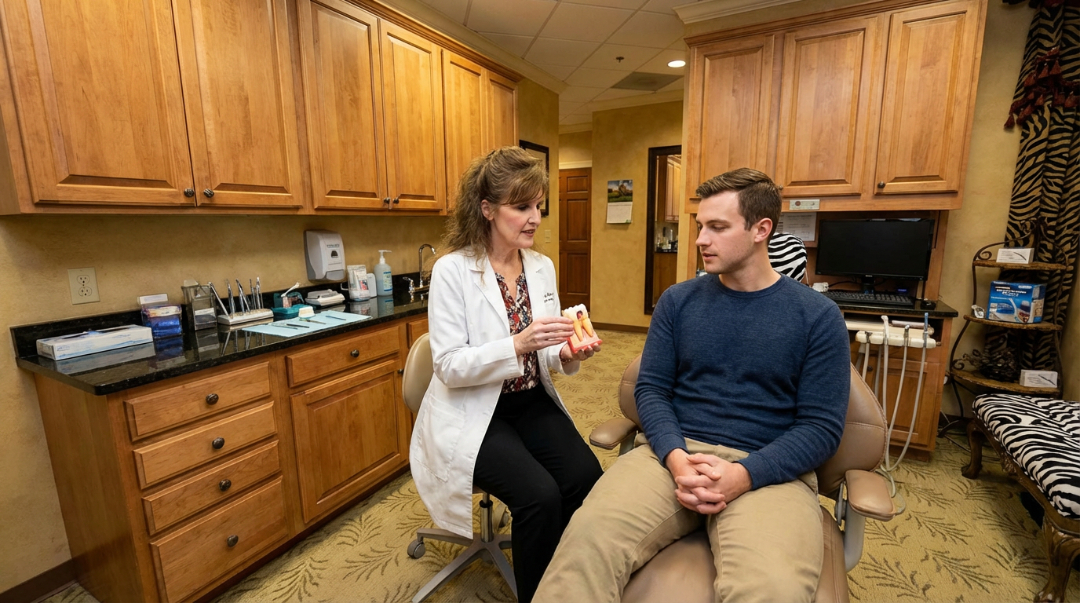
Are you tired of hiding your teeth when you smile? Do you dream of having a flawless, picture-perfect smile? Look no further than dental veneers! These remarkable cosmetic dental treatments can transform your smile and boost your confidence. In this blog post, we'll dive into the benefits, procedure, and incredible results of dental veneers right here in Buford, GA.
Dental veneers are thin, custom-made shells that enhance your smile by covering the front surfaces of your teeth. Made from high-quality porcelain or composite resin, veneers are the perfect solution to correct a variety of dental imperfections, including chipped or broken teeth, discoloration, gaps, and misaligned teeth. They offer a natural and long-lasting enhancement to the appearance of your smile.
The process of getting dental veneers typically involves three simple steps:
Choosing dental veneers can bring a host of benefits to your life, including:
A: The procedure is typically painless, as your dentist will administer local anesthesia to ensure your comfort throughout the process.
A: The procedure is typically painless, as your dentist will administer local anesthesia to ensure your comfort throughout the process.
A: The procedure is typically painless, as your dentist will administer local anesthesia to ensure your comfort throughout the process.
A: The process of placing veneers involves removing a small amount of enamel, which means it is not reversible. It's crucial to consult with your dentist to determine if veneers are the right choice for you.
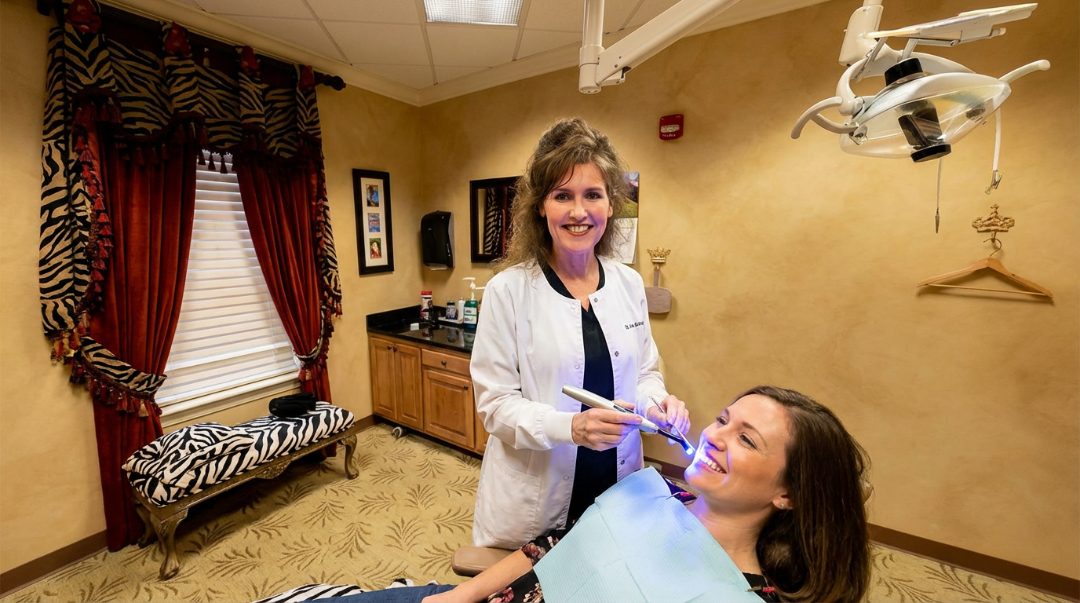
If you're looking to achieve a smile that radiates confidence and beauty, dental veneers can be your secret weapon. With their numerous benefits, including natural-looking results and long-term durability, veneers offer a remarkable solution to enhance your teeth. Reach out to a skilled dentist in Buford, GA, to schedule a consultation and take the first step towards your dream smile. Say goodbye to hiding your teeth and hello to a lifetime of self-assured smiles!
