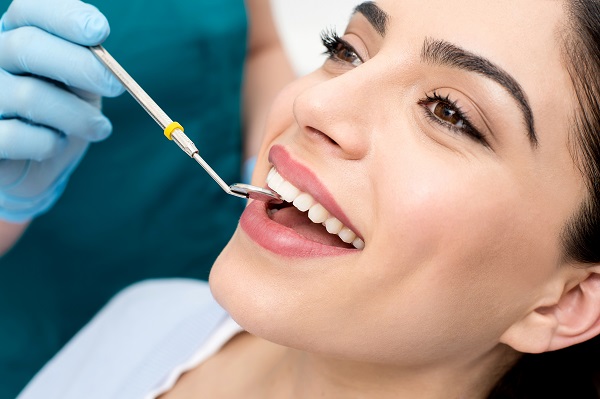
A dental checkup or exam is a very important part of preventive health care. Regular dental visits allow your dentist to treat and prevent oral health problems. Catching problems early makes it much easier to manage them. Dental checkups can help you avoid cavities and many other dental problems. It is advisable to visit your family dentist near Buford two times every year or as recommended. Read on to find out how regular dental checkups can help prevent cavities and tooth decay.
A cavity is basically a hole that forms in someone’s tooth. Cavities often start small. If left untreated, they gradually become bigger. Many cavities usually do not cause pain in the beginning, making it harder to realize there is a problem. Tooth cavities are usually caused by plaque, which is a combination of bacteria, food particles, saliva, and acid.
While brushing and flossing regularly is very important, these can still miss small areas in the mouth. When plaque builds up, it often becomes more difficult to remove. It can solidify and turn into tartar, which can only be removed by a dental provider. Regular dental cleanings prevent tartar from creating holes in teeth or eroding them. These cleanings usually allow a dental provider to take care of plaque and tartar before they become destructive.
A dental checkup is very beneficial for cavity prevention. A dental checkup or exam will include a thorough cleaning, X-rays on specific visits, and a checkup of the mouth. During a cleaning, the dental provider will scrape the teeth to get rid of plaque and tartar around the gumline and in between the teeth. Another important step of the cleaning process is the application of a fluoride foam or gel to the teeth. Fluoride is widely used because it prevents tooth decay that can lead to cavities. A fluoride treatment is used as a protectant for the teeth to help fight against cavities for a couple of months. Dental X-rays are images that can show gum disease, cavities, and other problems that are difficult to see by just looking at the mouth. X-rays may be taken during the dental checkup, but they are not needed at every dental visit. The dentist will consider various factors to determine how often X-rays are needed. These include the risk of developing cavities. During the dentist’s checkup, the provider will check X-rays for cavities and other issues. If a patient has a cavity, the individual may have to schedule another appointment with the dentist to treat it.
Visiting your dentist for professional cleanings and regular oral exams can help prevent cavities and other problems or to detect them early. Good dental hygiene can help you avoid tooth decay and cavities. During a dental exam, your dentist will clean your teeth and check for cavities and other issues. If you have gum disease, cavities, or other problems, your dentist will talk to you about the next steps. Your dentist will also explain what needs to be done and all the available options. If you have questions about how cavities are treated, speak to your dentist today.
Request an appointment here: https://buforddentist.com or call North Atlanta Center for Cosmetic & Implant Dentistry at (770) 932-1115 for an appointment in our Buford office.
Check out what others are saying about our dental services on Yelp: Dental Checkup in Buford, GA.
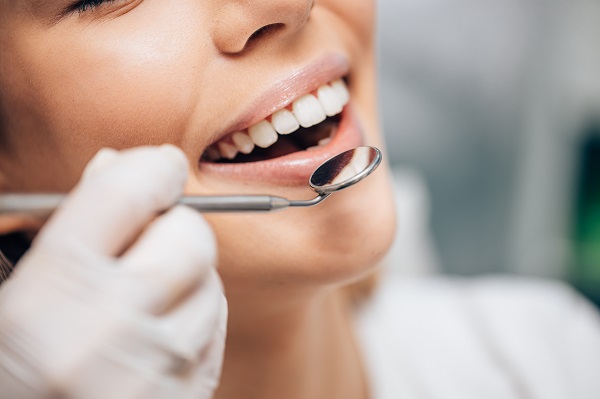
Professional dental cleaning is not just to keep the teeth looking white; it also affects oral health. Poor oral health is associated with many ailments, including gum disease, diabetes, and heart problems. Regular brushing and flossing at home are important, but to keep the teeth and gums healthy and completely clean, an appointment with the dentist in Buford for a dental cleaning and checkup is important.
Dental cleaning has many long-term benefits that go far beyond having a good-looking smile. The following are some of the reasons to undergo regular dental cleaning:
Maintaining healthy, strong teeth is vital for long-term health and the appearance of the smile. Therefore, this is one of the biggest reasons to take care of the teeth. Tooth decay is caused by plaque buildup. Now, it is important to brush twice daily, but the truth is that most people do not brush their teeth thoroughly. Professional dental cleaning is required to prevent the formation of cavities. If untreated, the cavities can worsen, potentially leading to tooth loss and extraction. It is necessary to augment standard oral care routine with regular tooth cleaning. This is an effective way to eliminate stubborn plaque. This will not just stop tooth decay but also prevent gum disease, thus ensuring a healthy oral cavity.
The appearance of the smile is important to many people. A dental cleaning can lead to a better-looking smile and help remove coffee stains and other surface discoloration from your teeth. The benefits of healthy teeth go beyond aesthetics. Many studies have linked good oral hygiene and self-esteem. When the teeth look good, a person is more inclined to smile and interact confidently. Another aspect is the smell of the person’s breath. Someone who smokes or deals with unpleasant breath may feel self-conscious. It is often hard to get rid of the condition, even by brushing and flossing regularly. Regular dental cleaning by the dentist can help prevent gum disease, plaque accumulation, and tooth decay — all of which are serious conditions that can cause bad breath.
Dental health is related to overall wellbeing. There have been studies linking poor oral hygiene and inflammatory conditions like diabetes and stroke. The dentist can detect some of these conditions during a dental cleaning, giving the patient a better chance at treatment and prevention. Untreated gum disease can lead to further spread of infection into the bloodstream, which can be life-threatening.
Knowing how to maintain good oral health is important. During the cleaning process, the dentist can provide specific information about the patient’s oral health and give recommendations. For instance, they might suggest the proper way to brush the teeth and the right dental tools to get — all to ensure proper oral hygiene practices.
Good dental hygiene is important for many reasons. It is important to go for regular cleanings as it helps to prevent complications, maintain good oral health, and save money. If you are interested in dental cleaning near Buford, book an appointment with a general dentist to discuss the options. Request an appointment here: https://buforddentist.com or call North Atlanta Center for Cosmetic & Implant Dentistry at (770) 932-1115 for an appointment in our Buford office. Check out what others are saying about our dental services on Yelp: Dental Cleaning and Examinations in Buford, GA.
A dentist in Buford will recommend teeth whitening to improve patients’ smiles. The appearance of your teeth can affect how you engage with others on a personal and social level. Dentists offer in-office treatments to brighten smiles. These are almost always more effective than at-home alternatives. Still, there are certain products you can buy in stores and use at home that many dentists approve. When you purchase these, make sure they have the right ingredients.
Many patients prefer to go into the office of a dentist in Buford for teeth whitening treatment. This is not everyone’s choice. In-office methods will require a significant financial commitment. But products that people can get at supermarkets and drug stores are lighter on the budget. Other patients may not currently have a dentist. Other patients’ dentists may not offer whitening methods. People who choose to whiten their teeth at home can find effective products with well-known ingredients. These systems include whitening strips, gels, and toothpaste.
This is perhaps the most common and useful ingredient in teeth whitening products and systems. Treatments that the dentist in Buford will use have as much as 40% or more hydrogen peroxide. It is much more concentrated in store-bought products, sometimes as little as 5%. This is one reason why the treatment time is longer for at-home systems than what a patient would experience in the dental chair. Hydrogen peroxide works to break down the molecules that stain teeth unsightly colors. The compound passes through the tooth and bleaches it.
Many teeth whitening kits use a combination of this ingredient along with hydrogen peroxide. Others may use carbamide peroxide alone. This ingredient works similarly to hydrogen peroxide, removing the stains that discolor teeth. Users should be cautious to use products with small doses of carbamide peroxide. Too much of it or leaving it on any of the teeth for too long can start to wear away the enamel and dentin layers.
This is common to find in the treatments that patients would have in the office. It is also in some strips, gels, and teeth whitening toothpaste products. Sodium perborate releases hydrogen peroxide after it comes into contact with water. As with other ingredients, there is less of this one in at-home systems than the treatments the dentist will use. This active form of oxygen is also used in a variety of household products to clean, whiten, and deodorize.
An in-office teeth whitening system is not right for everyone. If you want to try a product at home, there is a wide variety of options available. When you purchase one, make sure it contains these ingredients so you can be sure the results will meet your goals. You can also get in touch with a dentist to find out what other ingredients should be present in a whitening product. Always make sure to follow the directions for use so you can have a successful treatment. Get the smile you have always wanted by removing those unattractive stains from your teeth. Request an appointment here: https://buforddentist.com or call North Atlanta Center for Cosmetic & Implant Dentistry at (770) 932-1115 for an appointment in our Buford office.
Check out what others are saying about our services on Yelp: Read our Yelp reviews.
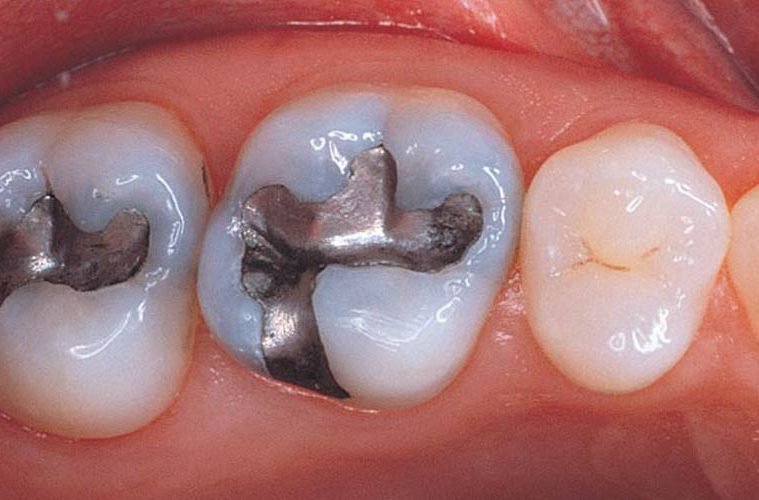
Mercury fillings are replaced by dentists through safe removal techniques that prevent mercury exposure, followed by placement of tooth-colored alternatives such as composite or porcelain. Choosing a SMART-trained, mercury-safe dentist ensures the process is safe, effective, and improves both oral health and aesthetics.
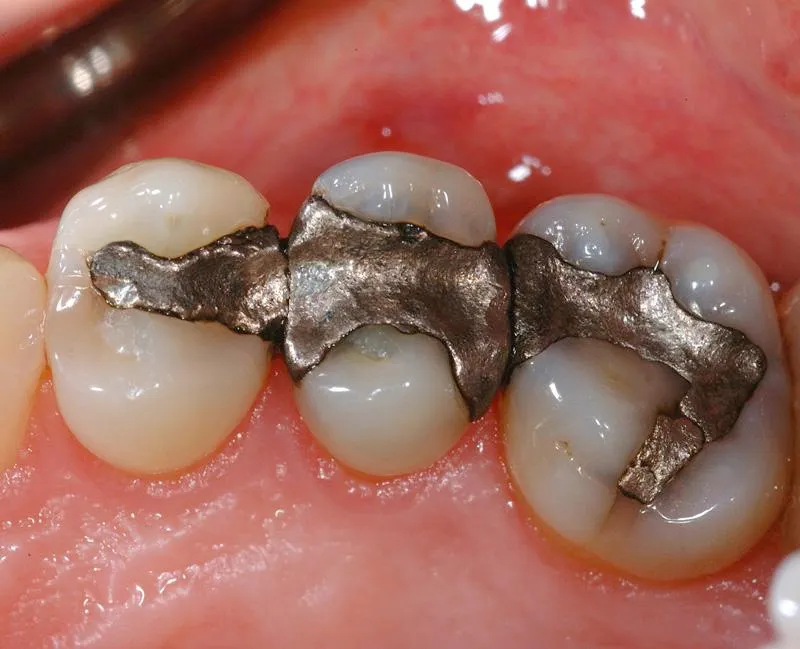
Mercury fillings, also called dental amalgam, are a mixture of mercury, silver, tin, and copper. For decades, dentists used them because they were strong and lasted many years. They were cost-effective and easy to place.
Today, they are less common. The main reasons:
Buford Dentist educates patients about these factors so they understand why replacement is often recommended.
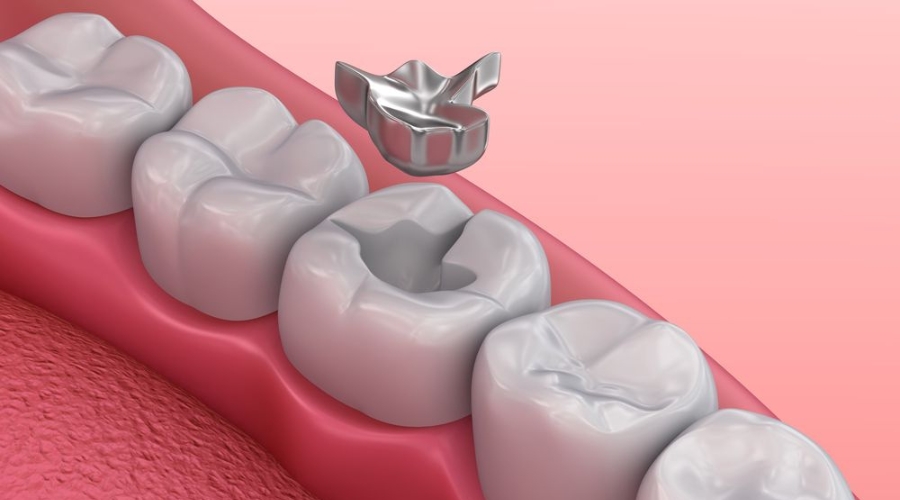
You might replace mercury fillings for several reasons:
Replacing them helps protect health, enhances your smile, and supports eco-friendly dentistry.
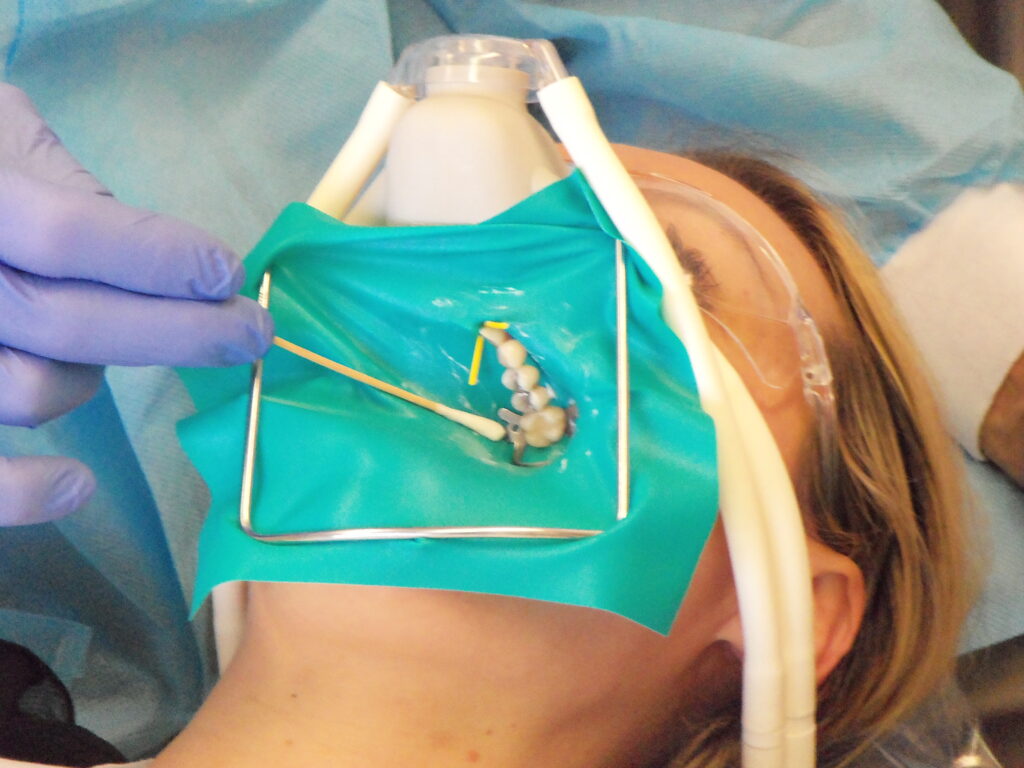
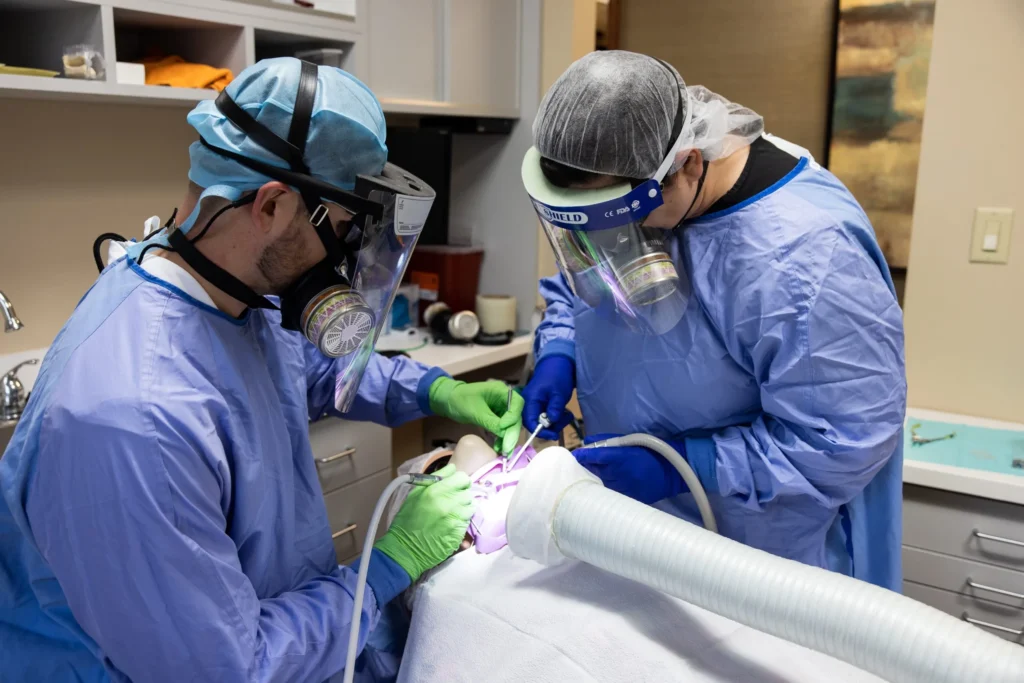
Dentists trained in SMART (Safe Mercury Amalgam Removal Technique) follow strict protocols. The goal is to reduce exposure for patients, staff, and the environment.
Steps in SMART removal include:
Buford Dentist follows these safe removal steps to protect patients during the procedure.
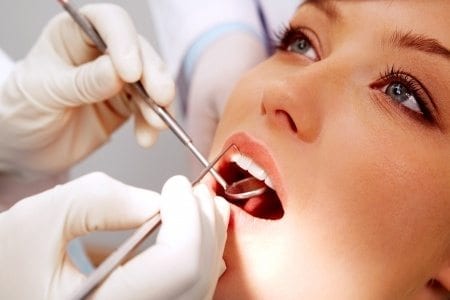
After safe removal, you need a replacement material. Common options are:
|
Option |
Appearance |
Durability |
Best For |
|
Composite |
Natural |
5–10 years |
Small to medium fillings |
|
Porcelain |
Natural |
10–15 years |
Larger cavities, inlays |
Your dentist will discuss which material fits your needs, budget, and oral health.
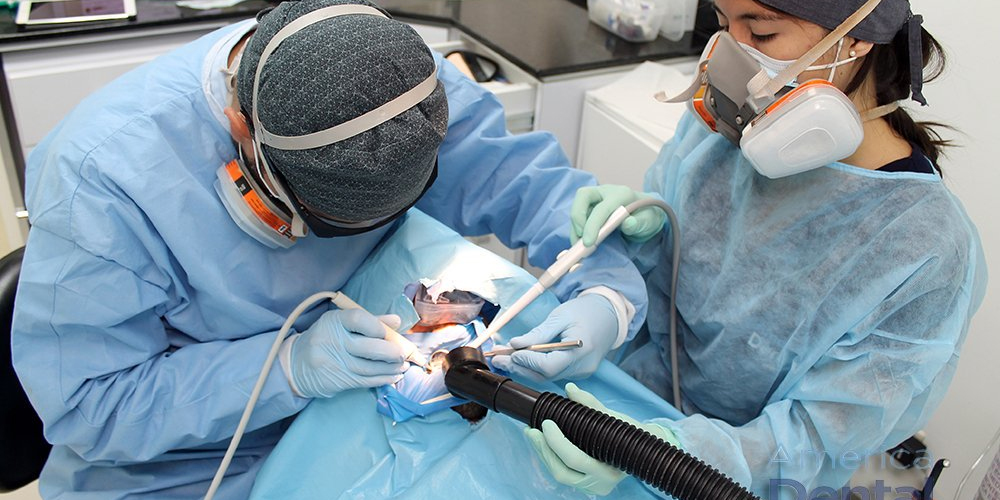
Patients often want to know what happens step by step. Here is the typical process:
The cost depends on the number and size of fillings and the material chosen.
Factors that affect cost:
Insurance often covers part of the cost if the replacement is needed for health reasons. Financing options like CareCredit may be available. Buford Dentist helps patients review coverage and payment plans before starting treatment.
Not every dentist follows SMART protocols. Look for these signs:
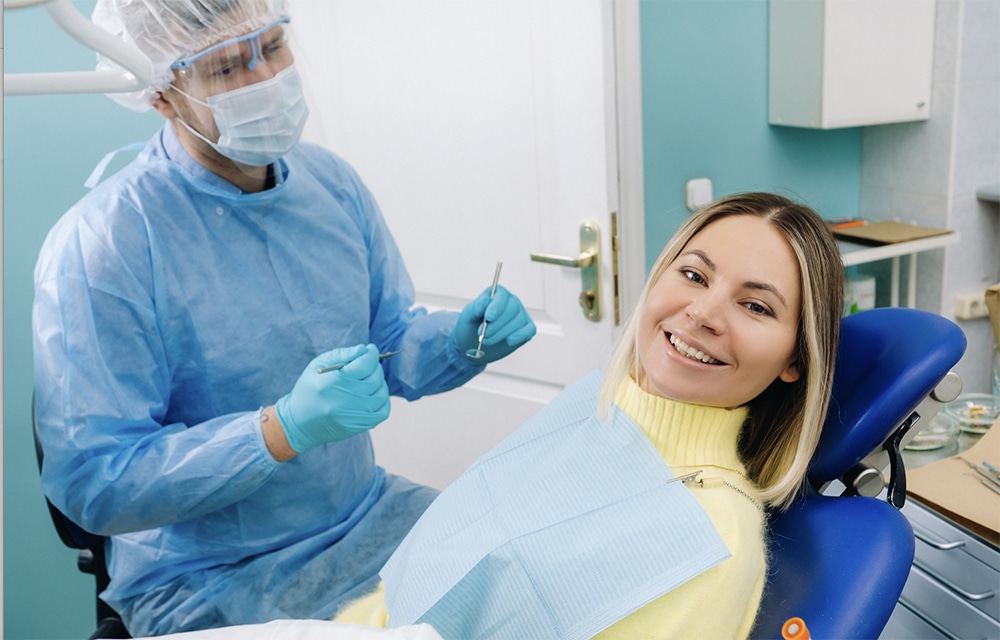
Choosing the right professional ensures you stay safe during the replacement process. Working with an experienced general dentist also means you receive comprehensive care that addresses both the health and appearance of your teeth.
Certain groups require extra care:
Environmental safety is also a concern. Dentists must properly collect and dispose of mercury waste to prevent contamination. Buford Dentist follows strict environmental standards.
Patients often feel relief after replacing mercury fillings. Many report improved confidence with tooth-colored restorations. Others appreciate knowing they have reduced their mercury exposure.
One patient at Buford Dentist had four amalgam fillings replaced with porcelain. The result was a natural look, improved comfort, and peace of mind about long-term safety.
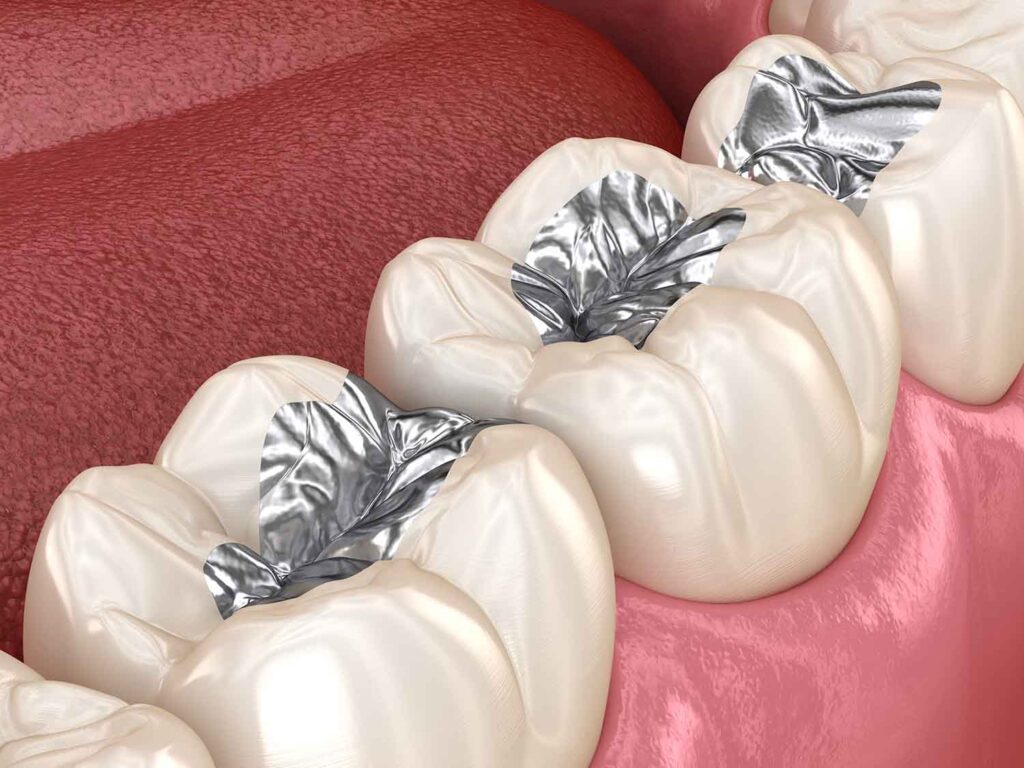
Replacing mercury fillings is more than cosmetic. It improves oral health, reduces exposure risks, and prevents cracks or fractures in teeth. Modern materials blend seamlessly with natural teeth, offering both strength and beauty.
Buford Dentist guides patients through every step, from consultation to aftercare, ensuring safe, effective, and lasting results.

Our family dentists in our Buford office say dental health is a lot more important than most people realize. Your oral health is closely related to your overall health as issues in the mouth increase your risk of certain health conditions. For example, people with gum disease are more likely to develop diabetes and heart disease.
Like many other areas of the body such as the stomach, a person’s mouth serves as a home for millions of bacteria. Most of these microorganisms are harmless, but some can lead to illness and diseases. Under most circumstances, the body’s natural defense systems and good oral hygiene are enough to keep the bacteria under control. When a person fails to take proper care of their mouth, bacteria in the mouth can reach dangerous levels. This can lead to issues like gum disease and tooth decay. There are also a variety of medications like diuretics, painkillers, and antihistamines that dry out the mouth. Saliva helps to remove bacteria and acids in the mouth, and this protection is lost when a person’s mouth is dry. Studies have already linked oral health to diseases like:
Conversely, a person’s overall health can also have an effect on their dental health. For instance, diabetes reduces the immune system’s resistance to infection. This increases the person’s risk of gum disease since their gums have less resistance to bacteria. Also, people with gum disease tend to have more difficulty controlling their blood sugar levels. Just as is the case with diabetes, HIV/AIDS hinders the immune system, making a person more susceptible to issues like gum disease. Osteoporosis is a condition that leads to the loss of bone tissue in the body and it can also damage bone structures in the mouth. That leads to teeth becoming loose or falling out.
It does not take much to keep your mouth healthy. Here is what you should be doing:
Contact our clinic to learn more about how your oral health affects your overall health and wellbeing. Our dentist can perform preventative treatments while you are here. Request an appointment here: https://buforddentist.com or call North Atlanta Center for Cosmetic & Implant Dentistry at (770) 932-1115 for an appointment in our Buford office.
Check out what others are saying about our services on Yelp: Read our Yelp reviews.
December 12, 2024
Flossing every day removes plaque and food from places your toothbrush cannot reach. This prevents cavities, gum disease, and bad breath, while also protecting your overall health. A family dentist like Buford Dentist recommends making flossing part of your daily routine to keep your smile and body healthy.
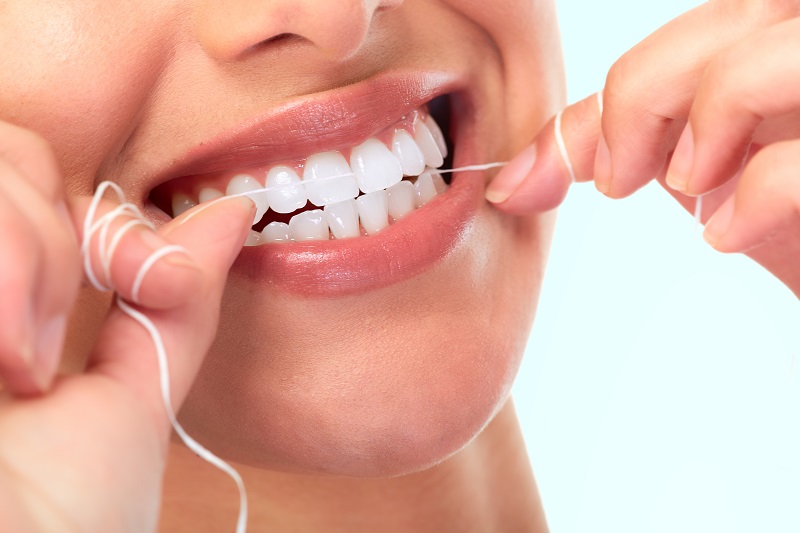
Flossing is not optional. When you floss daily, you clean between teeth and under the gumline where brushing fails. Plaque forms in those areas within hours of eating. If not removed, it hardens into tartar that causes gum disease and tooth decay. Skipping flossing means leaving bacteria behind.
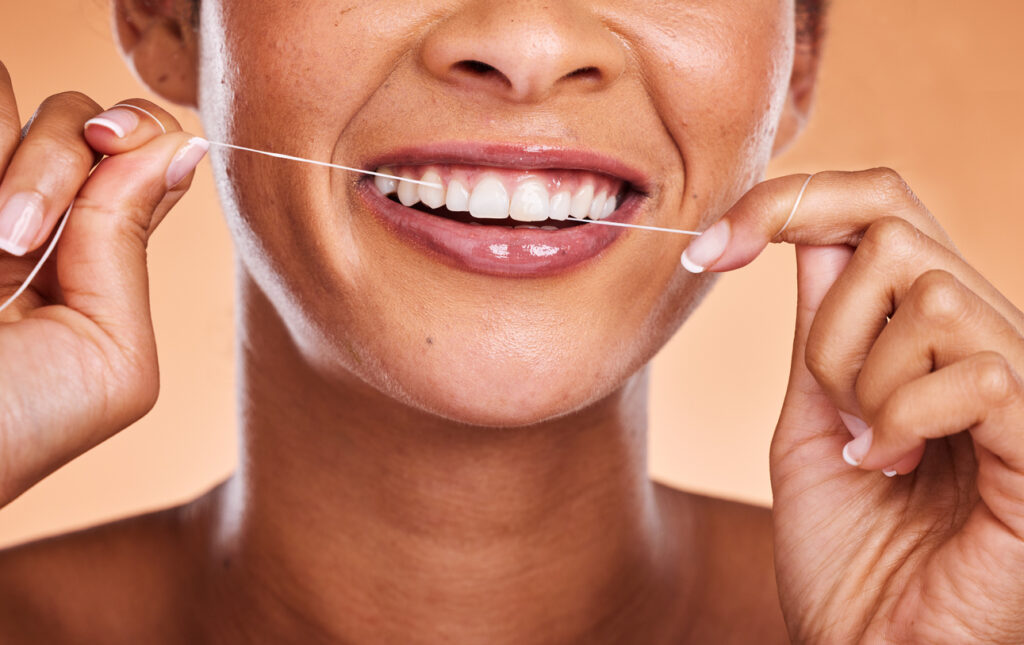
Plaque buildup starts quickly. Within 24 to 36 hours, plaque becomes tartar. Once tartar forms, only a dental professional can remove it.
Problems caused by skipping flossing:
Skipping flossing also increases risks of systemic health issues. Oral bacteria are linked to heart disease, diabetes, and respiratory infections.
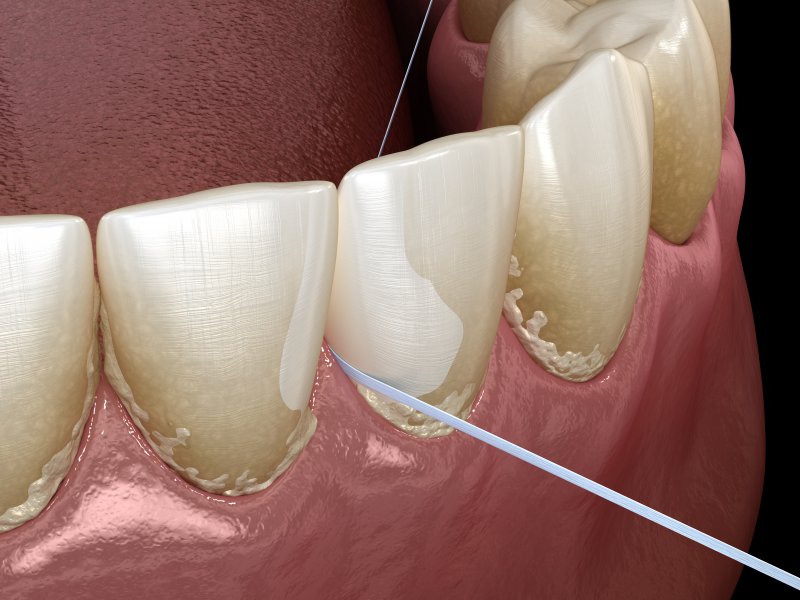
Daily flossing improves oral and overall health.
Flossing is an investment in your health. A few minutes each day save you from expensive and painful treatments later.
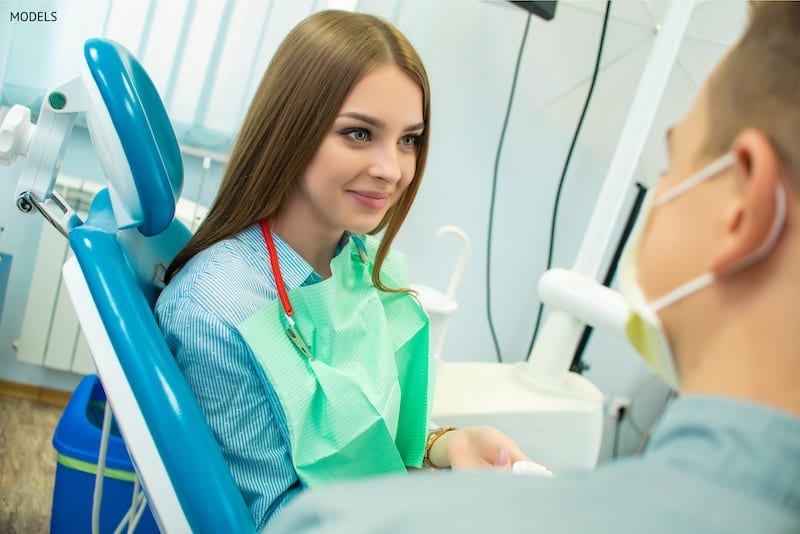
Buford Dentist explains flossing is not the same for everyone. Different ages and oral conditions require adjustments.
Pregnancy hormones make gums more sensitive. Daily flossing prevents gingivitis that often worsens during pregnancy. Healthy gums also support overall maternal health.
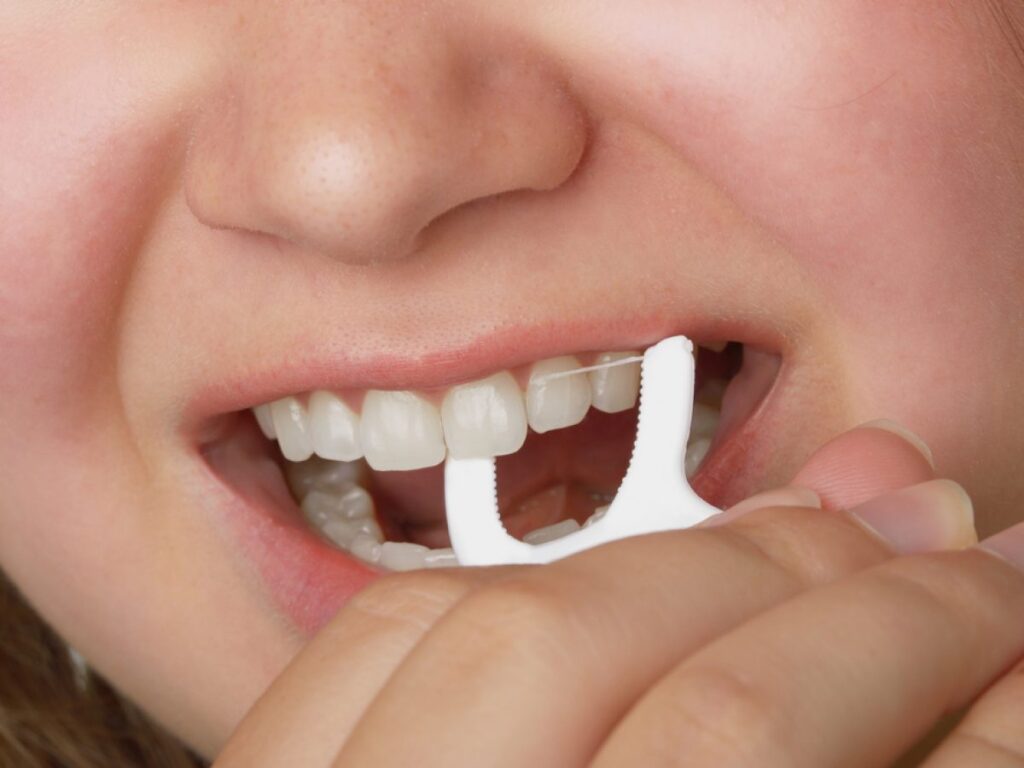
Technique matters. Flossing incorrectly can hurt gums.
Step-by-step:
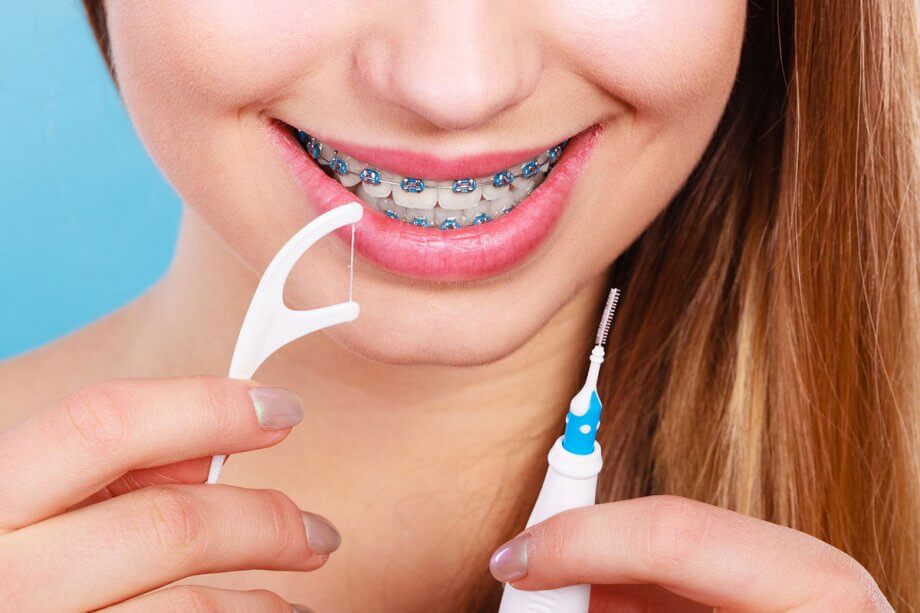
Not everyone prefers traditional string floss. Several tools are available.
Choose the tool that you are comfortable with. The key is consistency.
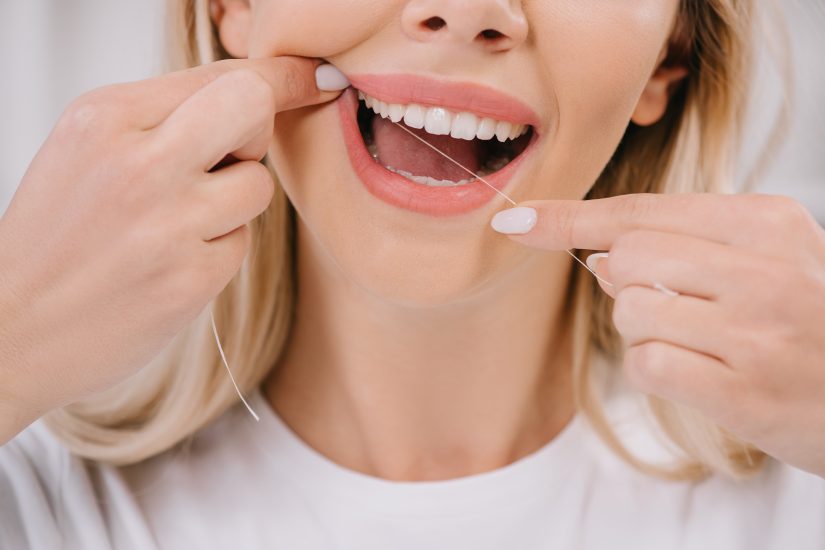
Timing matters less than doing it daily. Many dentists recommend flossing before bedtime so teeth stay clean overnight. Flossing before brushing also helps fluoride from toothpaste reach between teeth.
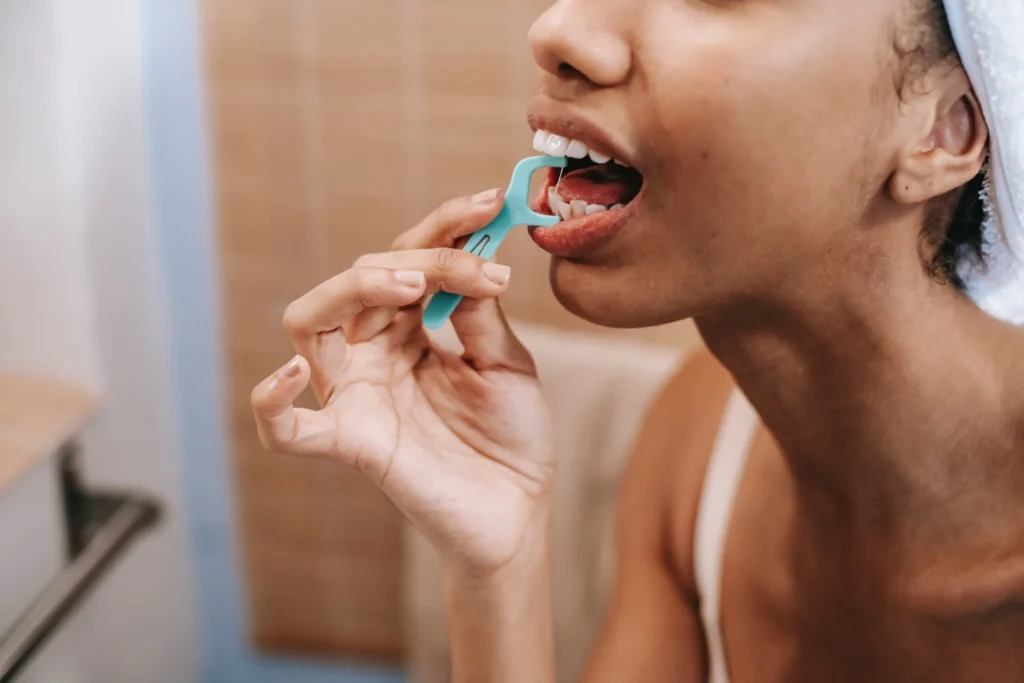
Patients often struggle to make flossing a habit.
Common issues and solutions:

Dentists in Georgia, including Buford Dentist, see common issues that daily flossing could prevent.
Local stores and pharmacies in Georgia stock floss, floss picks, and water flossers. Patients should pick the tool that fits their lifestyle.
Flossing helps, but some signs require professional care.
A family dentist removes tartar, treats gum disease, and guides patients on proper flossing.

Many people believe false information about flossing.

Forming the habit is easier with structure.

Daily flossing is the simplest way to prevent cavities, gum disease, and bad breath. Buford Dentist recommends flossing once a day with the tool that works best for you. A few minutes of flossing protect your oral health and lower risks of systemic disease. Your smile and your body will thank you.

Our general dentist wants you to know brushing is one of the most important things you can do to safeguard your oral health. Oral bacteria converts leftover food particles that are left on teeth surfaces into acids that eat away at teeth enamel. Over time, this leads to the formation of small holes on teeth surfaces called cavities. Absent treatment, these cavities expand until they reach the pulp chamber, leaving the nerve or blood vessels there vulnerable to infection. Tooth decay will continue to eat at a tooth if left untreated and it might eventually create a need for the tooth to be extracted.
Here are some tips from our general dentist that will help you to improve your brushing routine:
How a person brushes their teeth also determines how effective their brushing sessions are. Proper brushing technique includes:
Practicing good oral hygiene is not the only way to protect teeth against tooth decay and gum disease. Dentists also perform preventative treatments like fluoride treatments and dental sealants that can help to reduce the effects of oral bacteria on teeth. Request an appointment here: https://buforddentist.com or call North Atlanta Center for Cosmetic & Implant Dentistry at (770) 932-1115 for an appointment in our Buford office.
Check out what others are saying about our services on Yelp: Read our Yelp reviews.
A family dentistry office can address the oral care needs of patients. Family dentists often recommend fluoride treatments because of their benefits. Fluoride is found naturally in most water sources like lakes, rivers, wells, and oceans. For the past decades, fluoride has been added to public water supplies because it can help prevent tooth decay. Fluoride can also be applied directly to the teeth via treatments at the dental office. If you have a high chance of getting cavities, your dentist might suggest fluoride treatments.
Cavities happen when bacteria build up on the gums and teeth and form a sticky plaque layer. Plaque produces an acid that erodes both the teeth and gum tissue. If the enamel layer is broken down by plaque, it can cause many problems. Fortunately, fluoride treatments can help. Fluoride can help protect people’s teeth. It helps prevent cavities in both adults and children. This is achieved by making the enamel more resistant to the acid attacks that eventually cause tooth decay. It basically rebuilds tooth enamel and reverses the early signs of tooth decay.
Fluoride usually helps repair weakened tooth enamel by replenishing lost phosphate and calcium. These minerals are naturally present in saliva. The minerals are beneficial because they make people’s teeth more resistant to future decay. Fluoride treatments are usually applied by a dentist. The treatments are suitable particularly for people with an increased risk of tooth decay or erosion. Fluoride can also benefit people with poor oral health, a dry mouth, or weak enamel. It can also be good for individuals who have a lot of restorations. The patient should ask the dentist whether applying a fluoride varnish will help protect the teeth.
Family dentistry offices provide professional fluoride treatments to patients in different forms. It might come in the form of a gel, foam, or varnish. The treatment may be applied with a brush, swab, mouthwash, or tray. These treatments have a lot more fluoride than what is in water or toothpaste. It only takes a few minutes to apply them. A patient may be asked not to eat or drink anything for 30 minutes after the treatment. This will ensure the fluoride can fully absorb and help repair some areas of decay. The dentist should know the patient’s full health history. This will help determine the right treatments. Depending on a patient’s oral health, fluoride treatments may be needed every six to 12 months. Some people have a higher risk of developing tooth decay. For these patients, the dental provider may also suggest other preventative measures.
Fluoride has been a common health treatment for many years. Fluoride can restore minerals to the enamel. It usually prevents harmful bacteria from building up in a person’s mouth. If you want to find out more about fluoride treatments during a dental checkup, contact a family dentistry office. But you should continue taking care of your mouth. You should always brush your teeth twice every day, for at least two minutes, and floss daily.
Request an appointment here: https://buforddentist.com or call North Atlanta Center for Cosmetic & Implant Dentistry at (770) 932-1115 for an appointment in our Buford office.
Check out what others are saying about our services on Yelp: Read our Yelp reviews.
Yes, a general dentist in Buford is licensed to prescribe medication when needed for dental care. They prescribe antibiotics, pain relievers, anti-inflammatories, sedatives, and other dental-related drugs, but they cannot prescribe medications unrelated to oral health. Controlled substances require strict compliance with Georgia laws and DEA regulations.

A general dentist in Buford is a licensed healthcare professional under Georgia law. Dentists receive training in pharmacology as part of their dental degree. This training allows them to evaluate patient needs and prescribe medications that are directly related to oral health conditions.
Dentists are not medical doctors. Their prescribing authority is focused on dental and oral conditions only. They follow the rules set by the Georgia Board of Dentistry and federal agencies.
Common scenarios where prescriptions are issued:
Dentists in Buford prescribe medications that treat or prevent problems related to oral health. These drugs are essential for patient safety and comfort.
Examples include:
These prescriptions are tied to dental treatment, not general health conditions.
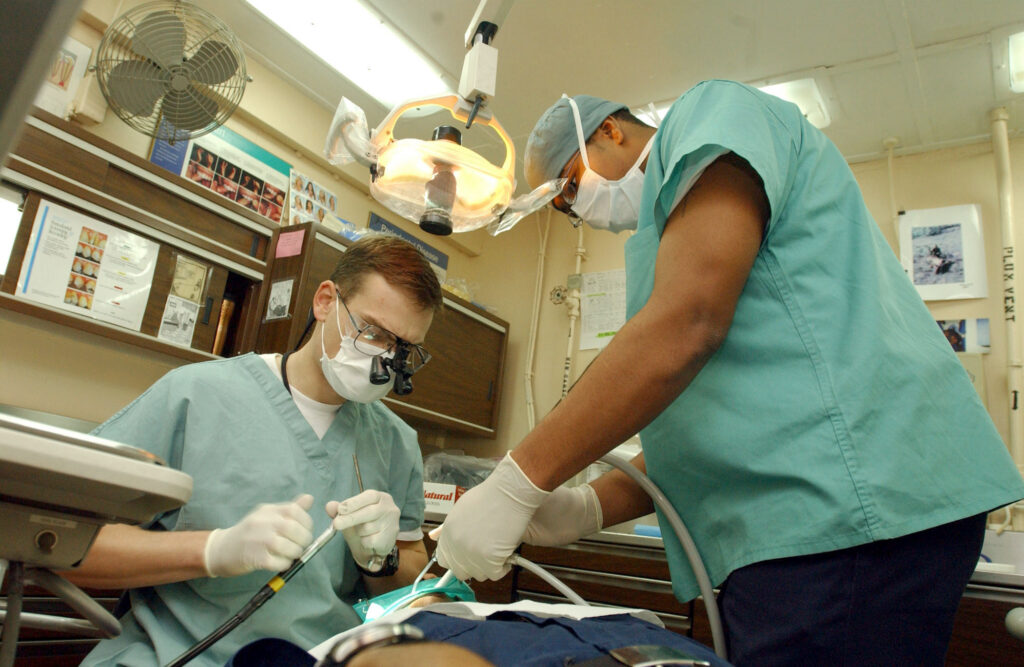
The Georgia Board of Dentistry outlines the authority of dentists under Title 43 of Georgia law. Rule 480-28 describes the standards of professional conduct for prescribing medications. Dentists must maintain accurate records and follow strict prescribing guidelines.
If a Buford dentist prescribes controlled substances, such as opioids, they must hold a valid DEA registration number. Controlled substances are classified from Schedule II to Schedule V. Each schedule has its own rules.
Key points:
There is a difference between prescribing and dispensing.
In Georgia, dentists may dispense medications if they follow extra registration and reporting steps.
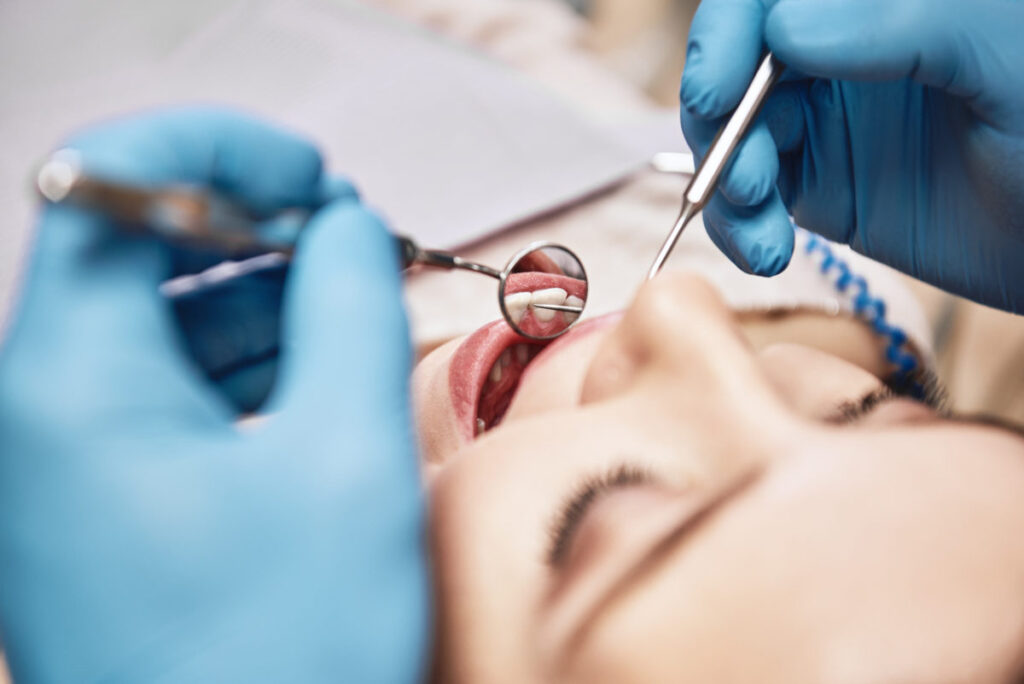
Patients in Buford receive prescriptions for a range of drugs depending on their dental condition.
These prescriptions protect patients from complications and improve recovery.
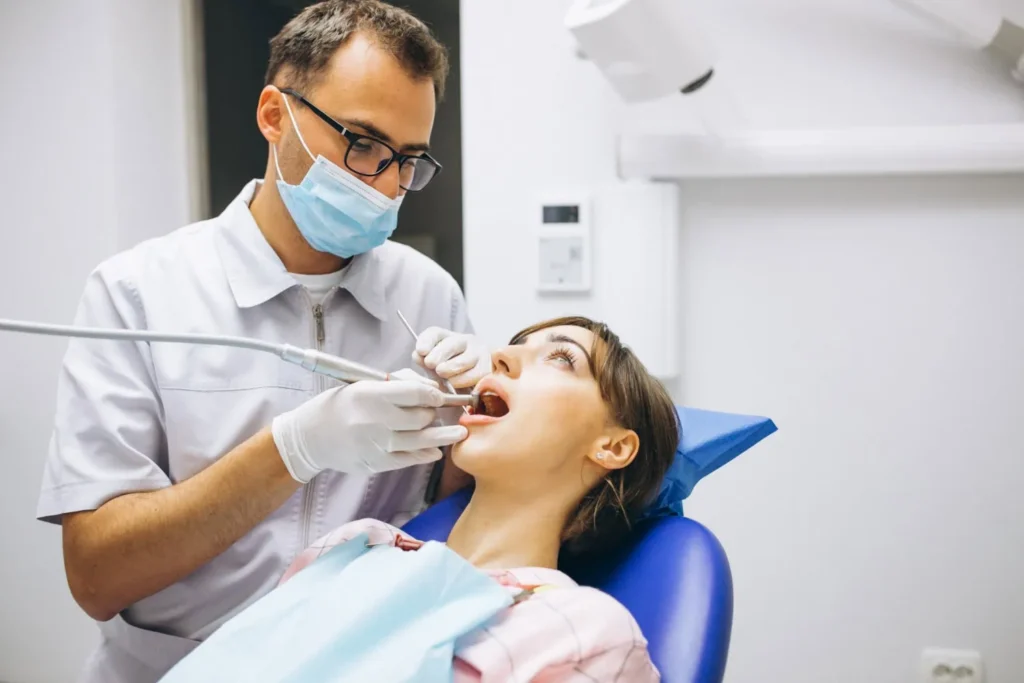
Buford general dentists cannot prescribe medications unrelated to oral health.
Restricted categories include:
Dentists cannot self-prescribe. They also cannot prescribe medications for family or staff unless it is directly related to a documented dental condition.
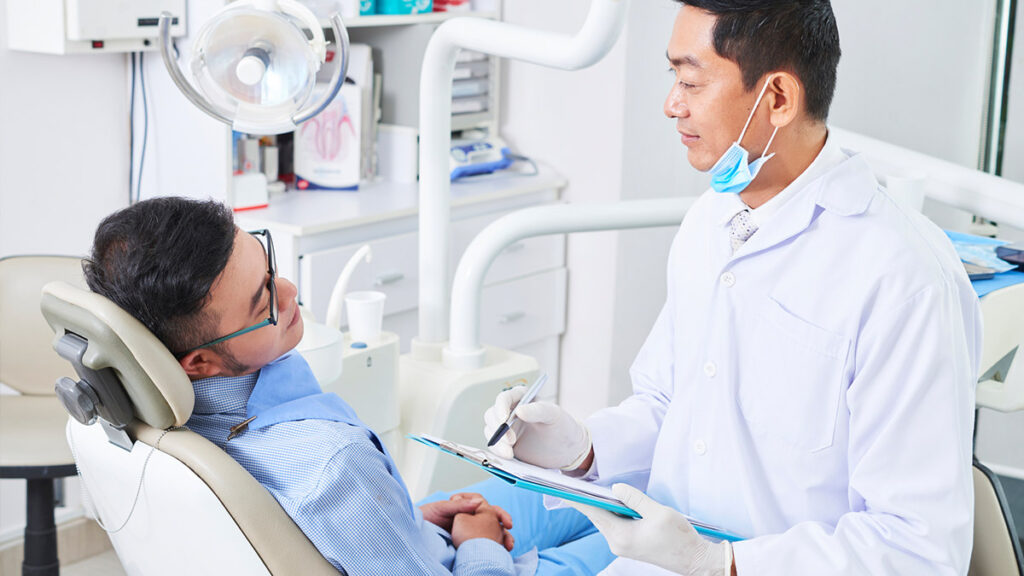
Dentists in Buford must follow strict standards to protect patients.
Requirements include:
Ethical prescribing ensures patient safety and compliance with Georgia and federal laws.
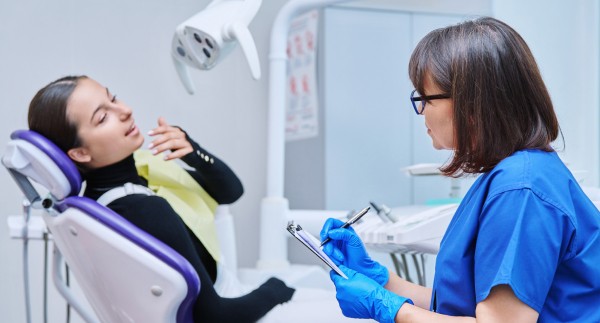
It is important to understand the differences.
Each step has its own rules and responsibilities.
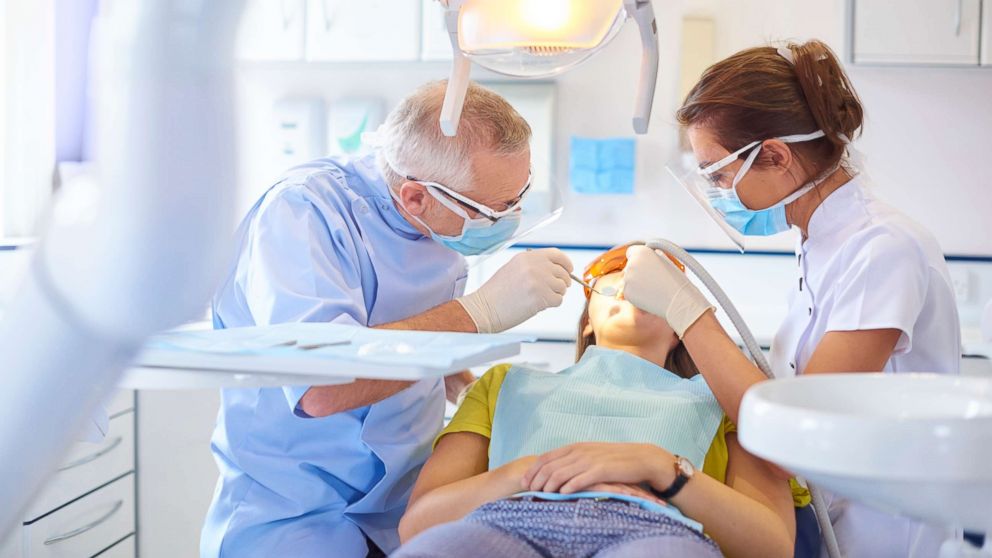
There are circumstances when emergency prescribing becomes necessary.
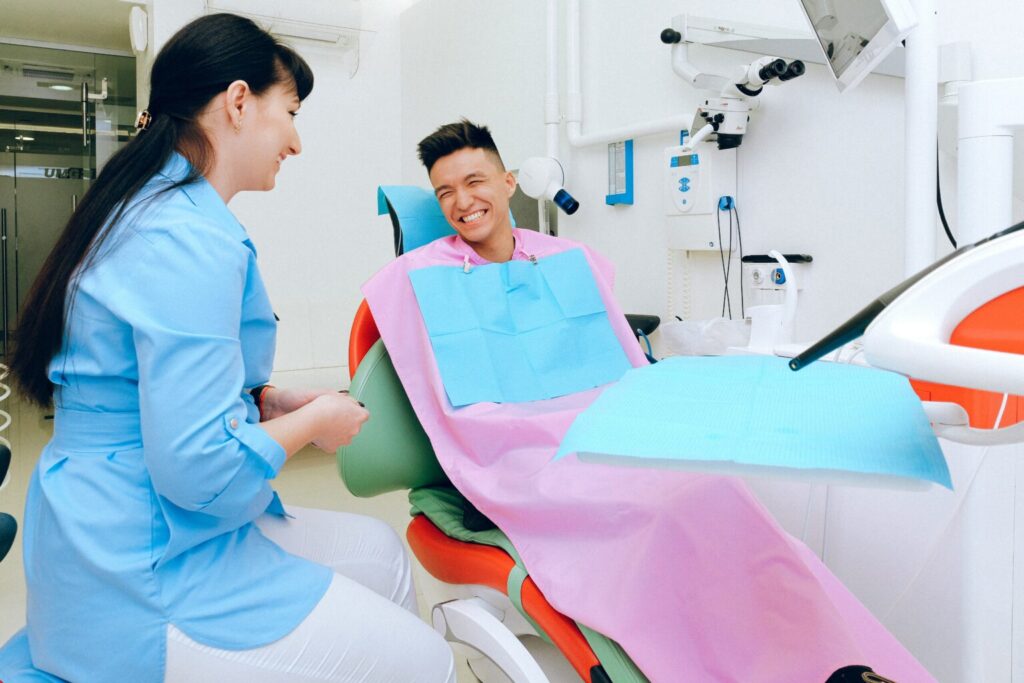
For patients in Buford, knowing your dentist’s prescription authority is important.
Key takeaways:
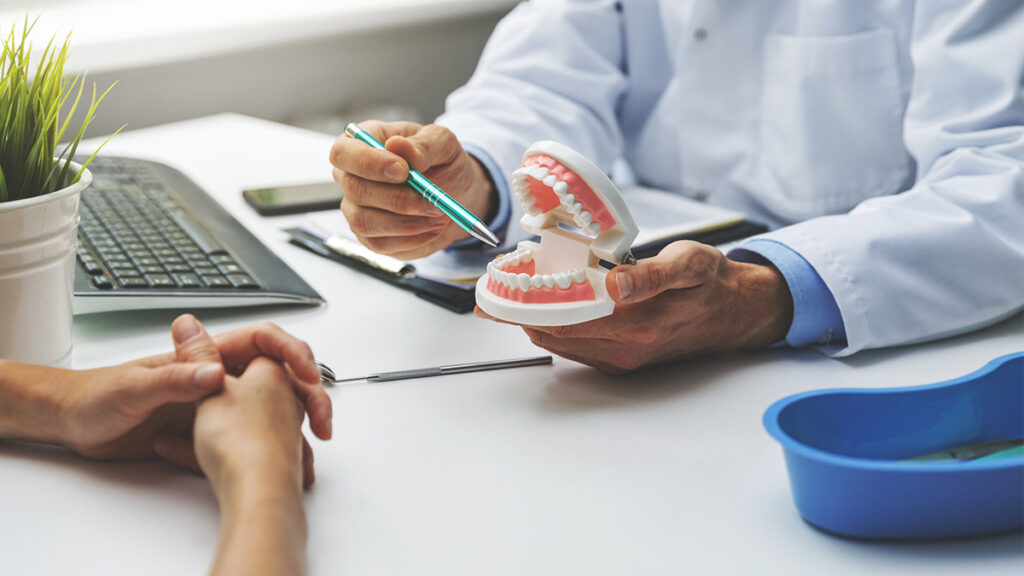
Dental prescribing is evolving in Georgia and across the United States.
Trends include:
Patients should expect stricter guidelines in the future, designed to improve care and reduce risks.
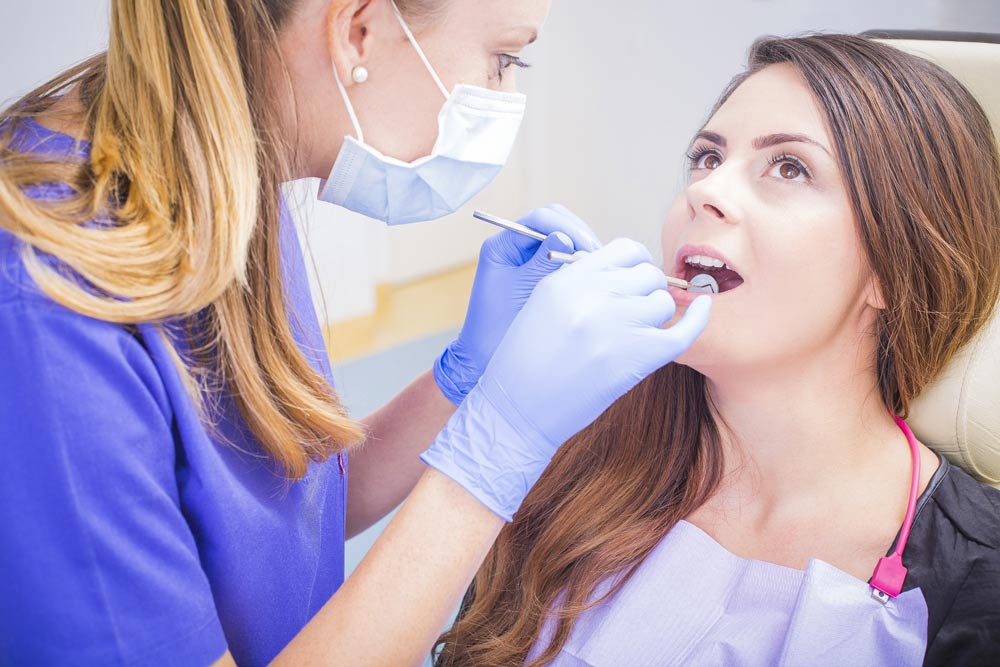
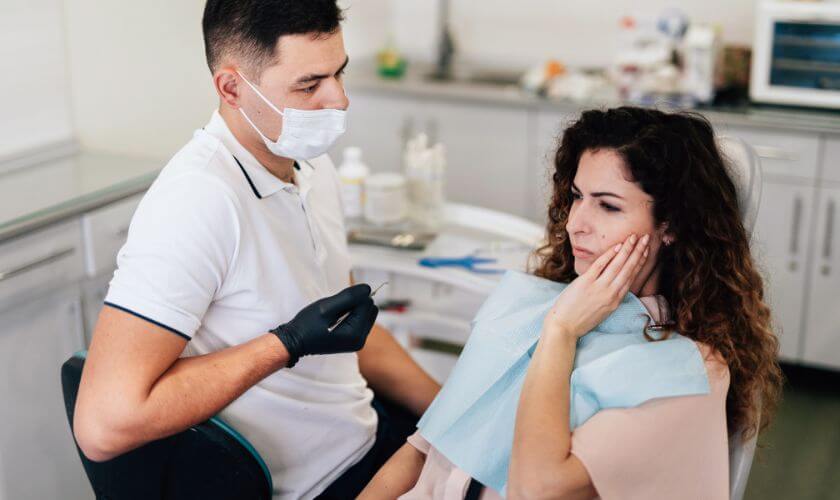
Buford Dentist encourages patients to ask questions about prescription policies before treatment. Understanding what your dentist can prescribe helps you feel more confident about your care.
For more information, you can review:
If you are seeking a trusted general dentist in Buford, reach out today to schedule an appointment and learn how professional dental care supports your oral health and comfort.
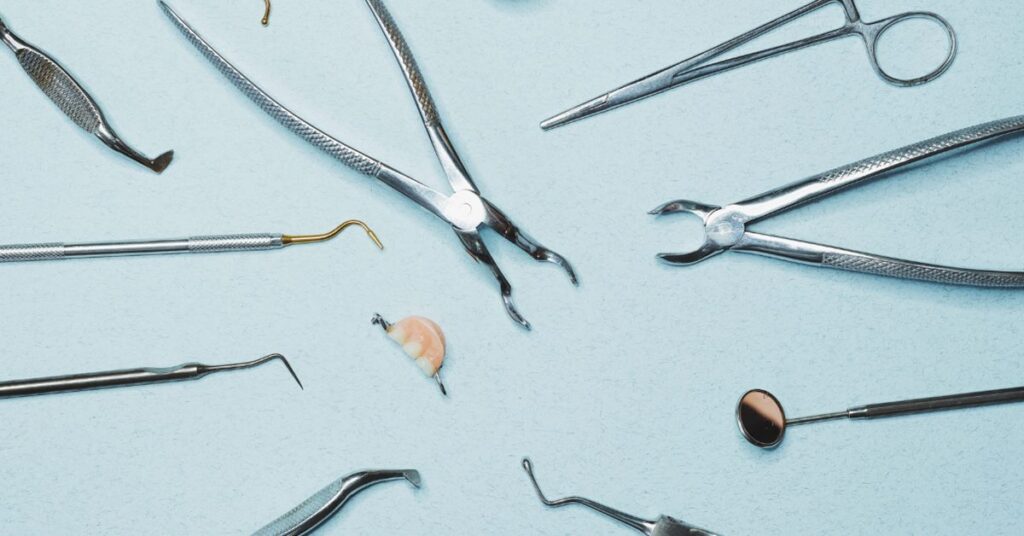
The 8 tools commonly used by general dentists are the mouth mirror, explorer or sickle probe, scaler, excavator, dental drill with burs, suction device, intraoral camera, and dental dam. These instruments are essential for examination, cleaning, treatment, and maintaining a safe and effective dental procedure. Buford Dentist explains how each tool works so you know what to expect during your visit.
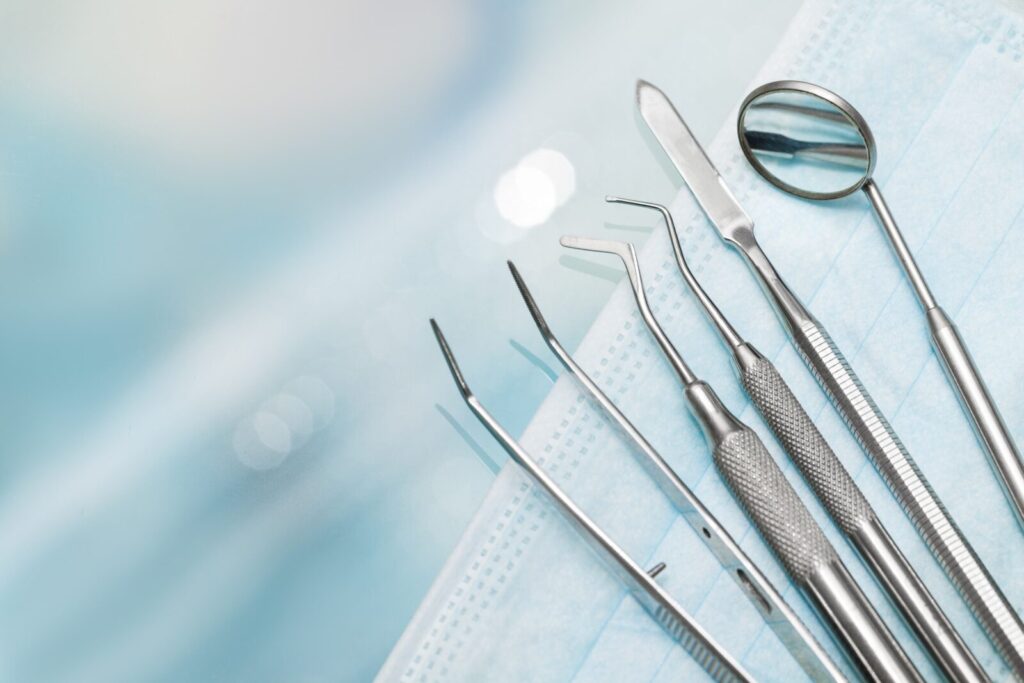
General dentists use specific tools to examine, diagnose, clean, and treat patients. Each instrument has a defined role. Some are for visibility, others for cleaning, and others for restoration. Knowing these tools helps patients feel informed and less anxious during dental appointments at Buford Dentist.
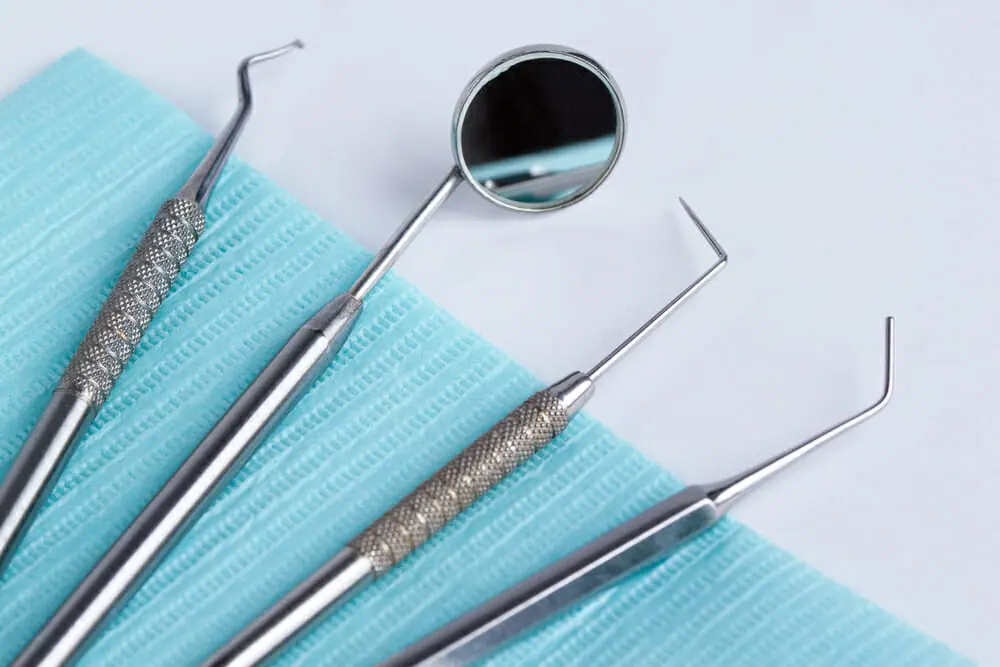
The mouth mirror is a small, circular mirror attached to a handle. Dentists use it to view areas of the mouth that are hard to see directly.
Without this tool, identifying early problems such as cavities or gum disease would be more difficult.
The explorer, often called a sickle probe, is a pointed tool used for detecting problems.
It is one of the first tools you encounter in an exam, as it helps the dentist confirm what is visible on X-rays.
This modern tool helps with diagnosis and patient education.
Patients at Buford Dentist often feel reassured seeing what the dentist sees. It makes treatment recommendations easier to understand.
Scalers remove plaque and tartar that regular brushing cannot.
Proper scaling reduces the risk of periodontal disease and supports long-term oral health.
An excavator looks like a small spoon with a sharp edge.
By removing decayed areas completely, the dentist prevents further damage and supports a long-lasting restoration.
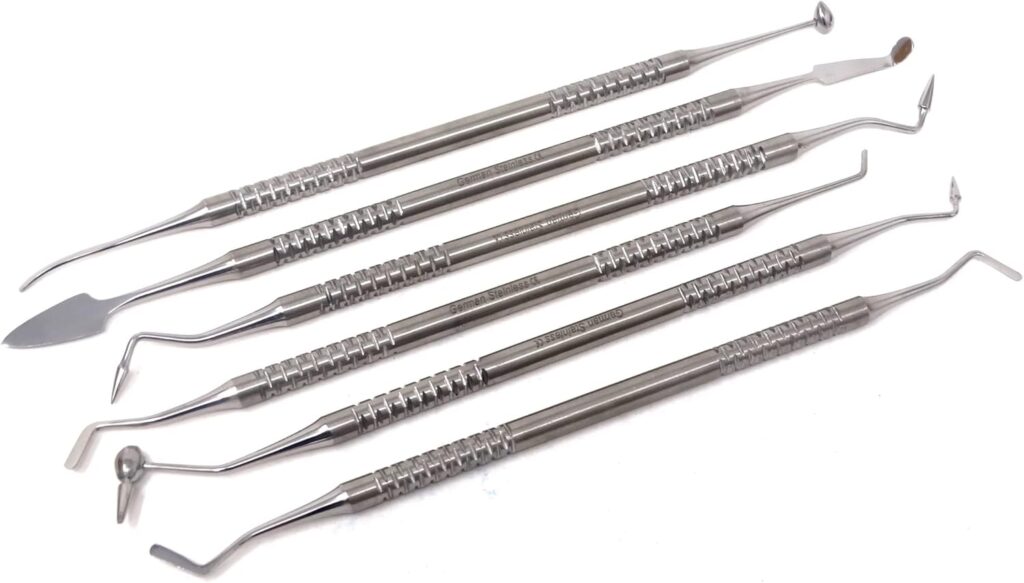
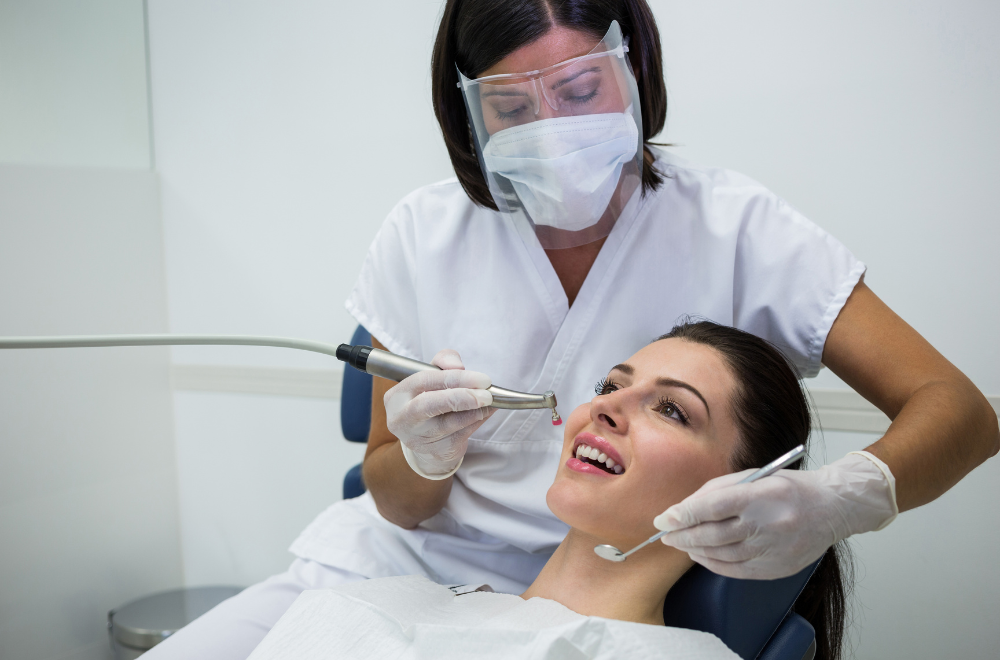
The dental drill, also called a handpiece, is one of the most recognized instruments in dentistry.
This tool is vital for removing decay, preparing cavities for fillings, and shaping teeth for dental crowns.
The dental dam is a thin sheet, usually made of latex or a latex-free material.
Buford Dentist often uses a dental dam during root canal treatments or fillings for better outcomes.
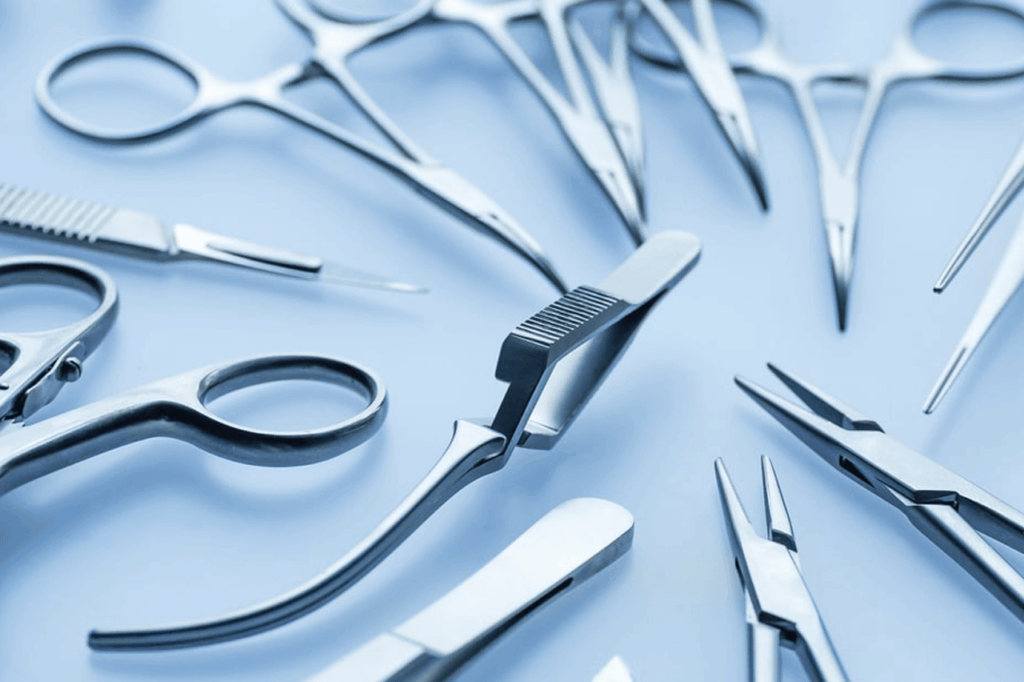
Suction devices, also called saliva ejectors or high-volume evacuators, keep the mouth dry.
Effective suction is critical for many treatments, from fillings to cleanings.
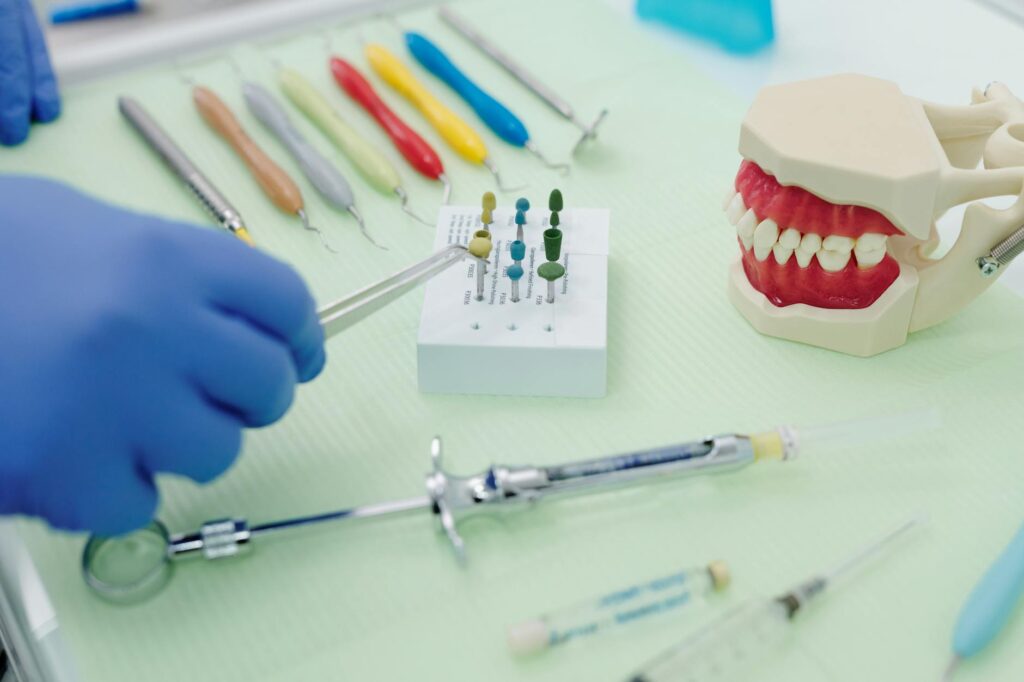
re instruments often used in tooth extractions.
This is an endodontic tool used in root canal procedures.
While not part of every general visit, including these tools shows the broader scope of dentistry.
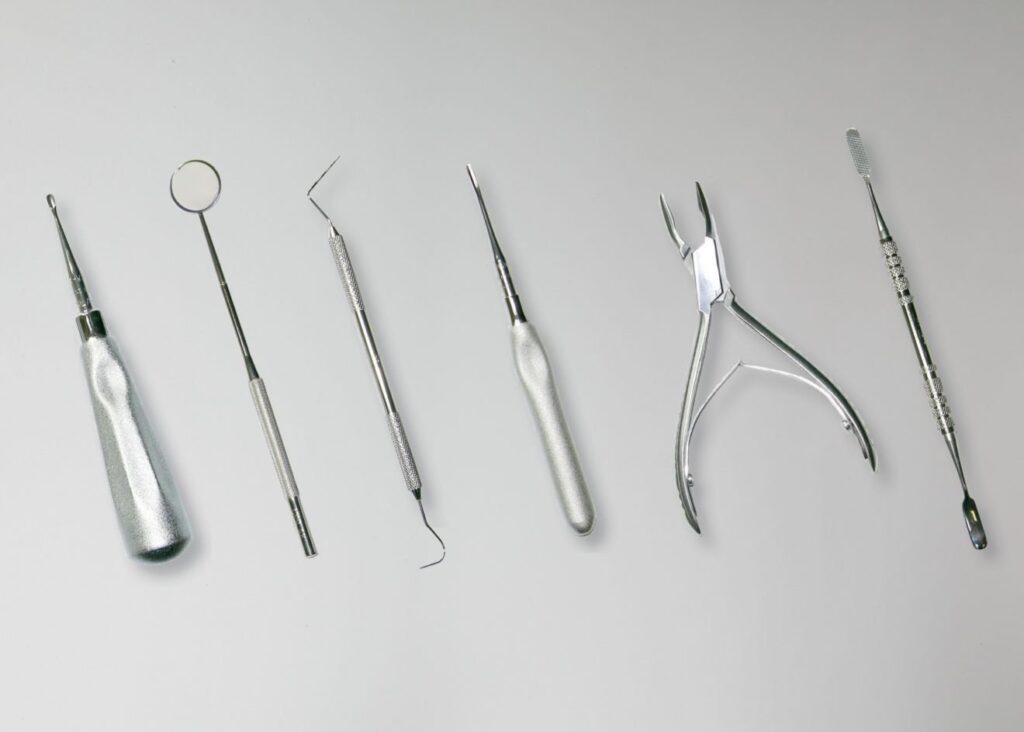
To understand how general dentists work, it helps to group tools by purpose:
This sequence reflects the flow of a typical dental appointment at Buford Dentist.
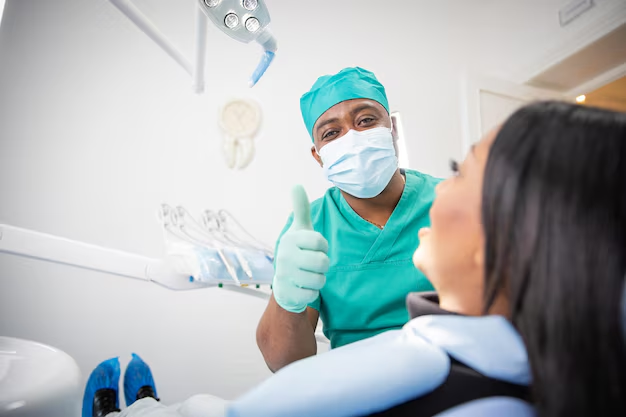
Knowing about these 8 tools reduces fear. Patients often feel anxious about dental visits because they do not know what is happening. By explaining tools such as the intraoral camera or dental dam, dentists empower patients. It shifts the experience from mystery to understanding.
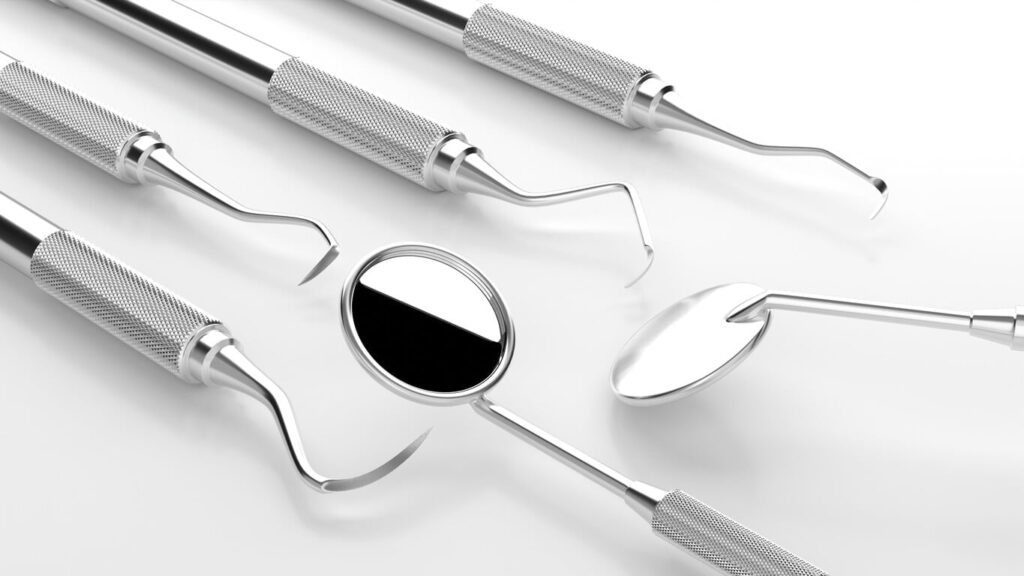
Dentistry has advanced from simple hand instruments to highly precise digital tools. Many clinics now combine traditional tools with digital scanners and lasers. In the future, expect:
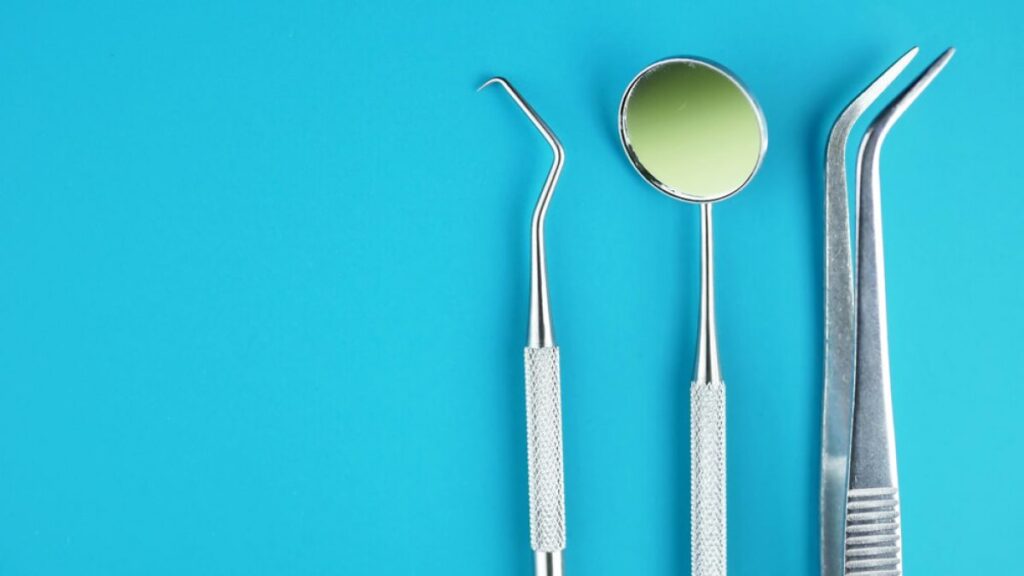
The 8 tools commonly used by general dentists are essential for exams, cleaning, treatment, and safety. Each has a specific purpose that contributes to patient care. Understanding them helps patients know what to expect and reduces anxiety. At Buford Dentist, these tools are part of every treatment plan designed to keep your oral health strong.
