Coffee stains teeth because it contains tannins that bind to enamel. You can remove these stains with at-home remedies like baking soda or activated charcoal, or through professional treatments such as in-office whitening. Prevent stains by rinsing after drinking coffee and maintaining good oral hygiene.
Why Does Coffee Stain Teeth?
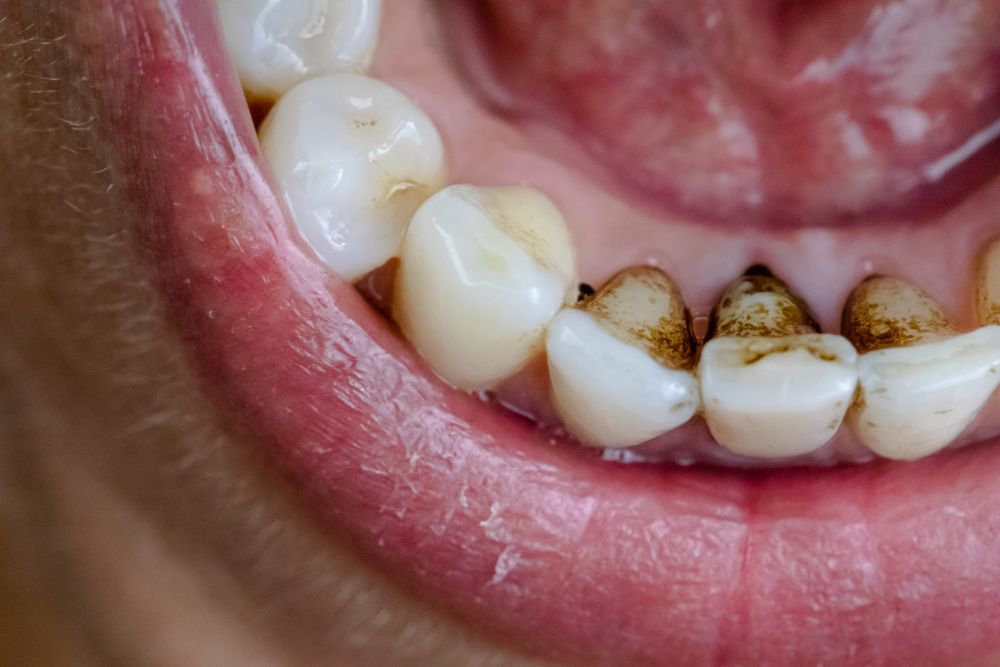
Coffee contains tannins—natural compounds that cling to the enamel of your teeth. These tannins combine with chromogens, pigmented molecules that cause staining, and stick to the porous surface of your enamel.
Tannins and chromogens: Together they create stubborn surface stains.
Enamel porosity: Tooth enamel has microscopic pores that absorb dark pigments.
Extrinsic vs intrinsic stains:
Extrinsic stains are on the outer layer and respond well to cleaning.
Intrinsic stains are deeper, often requiring professional treatment.
Even a daily coffee habit can lead to a yellowish tint over time if not addressed properly.
Natural Ways to Remove Coffee Stains
Baking Soda and Hydrogen Peroxide
One of the most effective home remedies is a paste of baking soda and hydrogen peroxide.
Mix a small amount of hydrogen peroxide with baking soda until it forms a paste.
Apply gently with a toothbrush for 1–2 minutes.
Rinse thoroughly.
Pros: Effective on surface stains Cons: Overuse can damage enamel
Oil Pulling with Coconut Oil
Swishing coconut oil in your mouth for 10–15 minutes daily is an ancient Ayurvedic practice.
Helps remove toxins and reduce plaque buildup
Mild whitening effect over time
Pros: Natural and gentle Cons: Requires consistency, results vary
Activated Charcoal
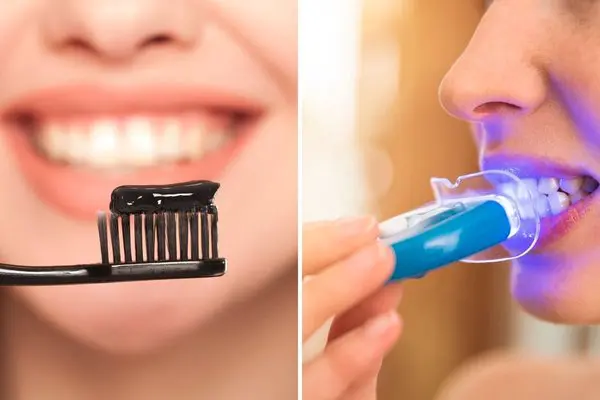
Brush gently using a toothbrush dipped in activated charcoal powder.
Rinse thoroughly and avoid swallowing.
Pros: Abrasive but effective for surface stain removal Cons: Can be too abrasive for some enamel types
Strawberry and Baking Soda Paste
Mash one ripe strawberry and mix with ½ teaspoon baking soda.
Apply to teeth and leave for 5 minutes.
Rinse and brush normally.
Pros: Contains malic acid which helps remove stains Cons: Natural acids may weaken enamel over time if used excessively
Banana Peel Method
Rub the inside of a banana peel on your teeth for 2 minutes.
Wait 10 more minutes before brushing.
Pros: Contains minerals like potassium and magnesium Cons: Minimal scientific backing
Best Over-the-Counter Teeth Whitening for Coffee Stains
Whitening Toothpaste
Choose toothpaste labeled as enamel-safe and containing:
Baking soda
Hydrogen peroxide
Fluoride
Look for ADA-approved options like:
Colgate Optic White
Crest 3D White
Whitening Mouthwash
Products with carbamide or hydrogen peroxide provide a mild bleaching effect:
Use after brushing
Swish for 60 seconds
Whitening Strips
Crest Whitestrips are the most well-known option, but other brands also offer:
Lower peroxide concentrations for sensitive teeth
Shorter application times
Note: Always follow instructions carefully to prevent sensitivity
Charcoal-Based Products
Use caution with charcoal products:
May wear down enamel with frequent use
Opt for those verified by dental professionals
Professional Teeth Whitening for Coffee Stains
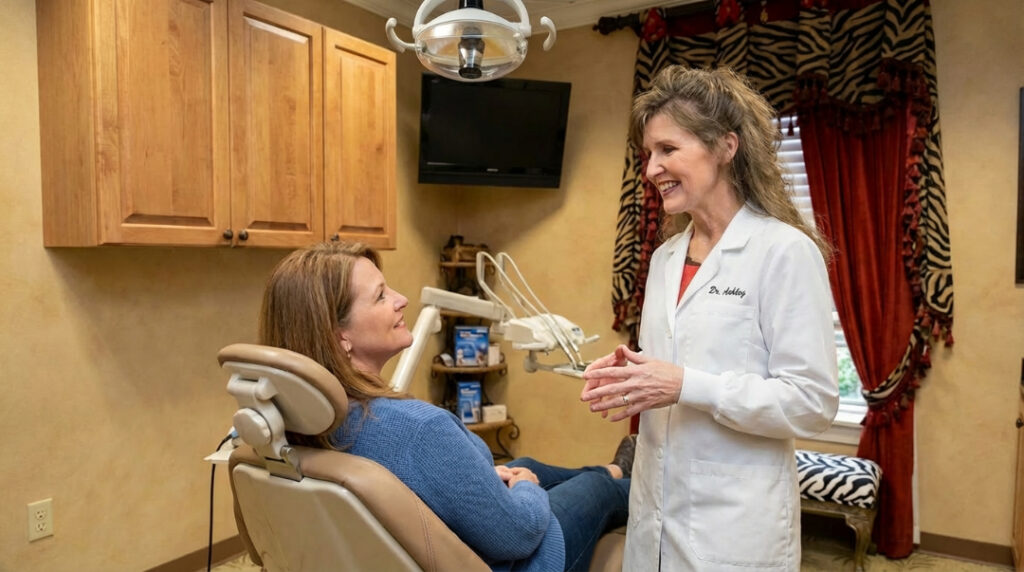
When stains become too stubborn for home remedies, it’s time to visit Buford Dentist.
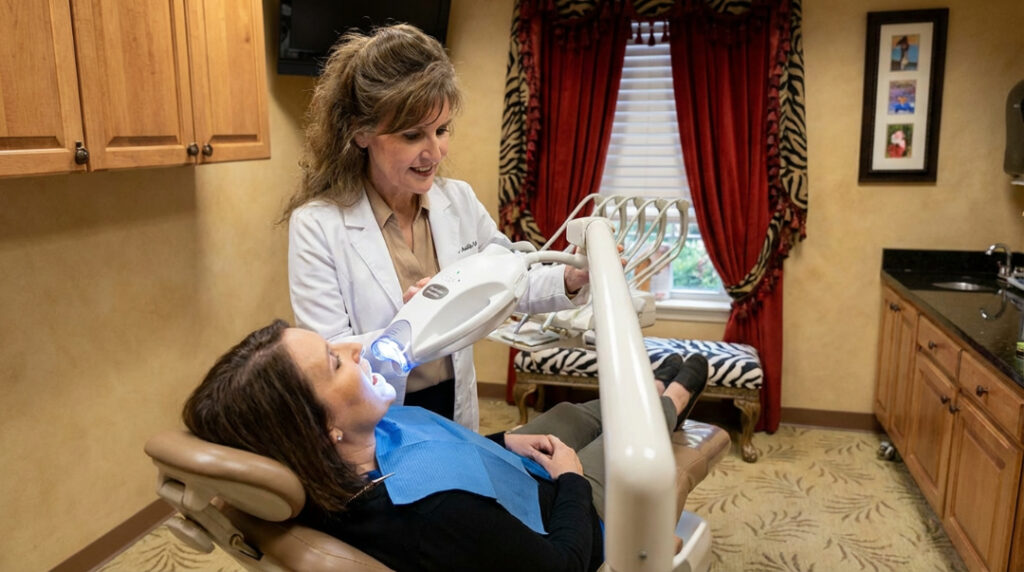
In-Office Bleaching
Treatments like Zoom Whitening or laser whitening offer immediate results: