Brushing your teeth with baking soda can be safe and effective for whitening and neutralizing acids, but it lacks fluoride and can be abrasive, potentially leading to enamel erosion over time. To minimize risks, use it sparingly and combine it with fluoride toothpaste for better oral health.
Many people swear by baking soda as a natural teeth whitener, but is it actually safe to use for brushing? The short answer: Yes, but with caution. Baking soda has mild abrasive properties that help remove surface stains and neutralize acidity in the mouth, but overuse can erode enamel and lead to increased sensitivity. Let’s break down the benefits and risks to determine the safest way to use it.
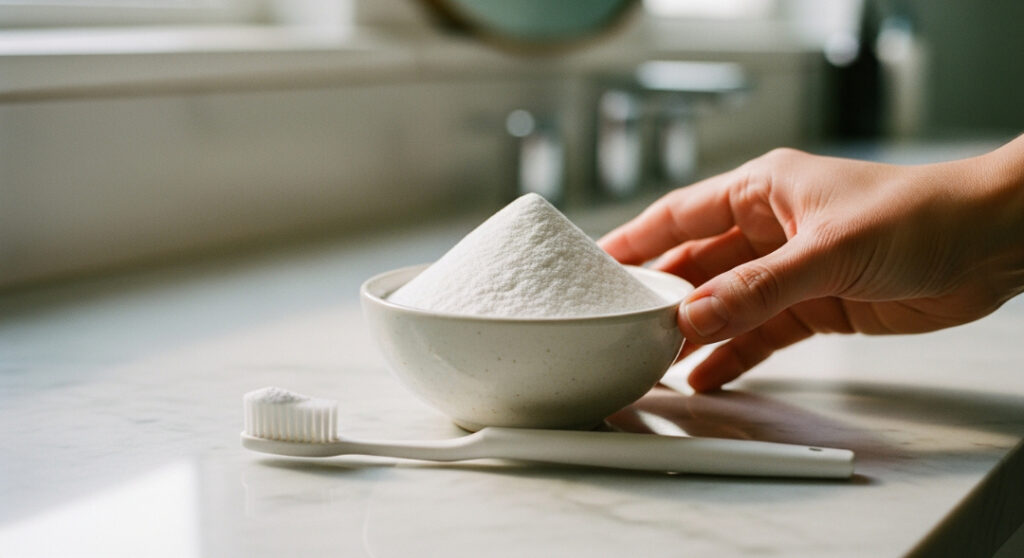
Baking soda, or sodium bicarbonate, is a mild abrasive with alkaline properties. When used for brushing, it works in three main ways:
However, unlike fluoride toothpaste, baking soda does not strengthen enamel or protect against cavities. This means it should not be used as a complete replacement for fluoride toothpaste.
Baking soda is a common ingredient in many commercial Teeth Whitening toothpastes because it effectively removes surface stains. However, it does not change the natural color of teeth or whiten deep stains like professional treatments.
A high-acid diet can weaken enamel and promote cavities. Baking soda neutralizes these acids, creating an environment less hospitable to bacteria.
Research suggests that baking soda can reduce plaque buildup by breaking down biofilm, which is a sticky layer of bacteria that contributes to cavities and gum disease.
Baking soda is significantly cheaper than commercial toothpastes and is available in most households, making it an economical option for oral care.
Frequent use of baking soda can gradually wear down enamel, leading to increased sensitivity and vulnerability to cavities.
Fluoride is essential for strengthening enamel and preventing cavities. Baking soda alone does not contain fluoride, making it less effective at protecting against decay.
Because baking soda is abrasive, people with sensitive teeth may experience discomfort or worsening sensitivity with prolonged use.
If you have crowns, veneers, or braces, baking soda’s abrasiveness can damage their surface, potentially leading to discoloration or reduced lifespan.
To minimize the risks and maximize the benefits, follow these steps. For more expert advice on proper brushing techniques, check out Toothbrushing Tips from a Dentist.
| Whitening Method | Effectiveness | Safety | Cost | Best For |
| Baking Soda | Moderate | Medium (Can erode enamel) | Very Low | Mild Stains |
| Hydrogen Peroxide | High | Low (If overused) | Low | Deep Stains |
| Activated Charcoal | Low | Low (Abrasive) | Medium | Surface Stains |
| Oil Pulling | Very Low | High (Safe) | Medium | General Oral Health |
According to the American Dental Association (ADA), while baking soda can be beneficial in removing stains and neutralizing acidity, it should not be used as a standalone toothpaste because it lacks fluoride. Many dentists recommend using fluoride toothpaste with a small amount of baking soda occasionally for added whitening benefits.
Additionally, studies have shown that while baking soda can be less abrasive than some commercial whitening toothpaste, overuse can still contribute to enamel wear over time. Consulting a dentist, such as those at Buford Dentist, can help determine if baking soda is a safe addition to your oral care routine.
Yes, and it’s actually a recommended way to reduce the abrasiveness of baking soda while benefiting from its stain-removing properties.
If used excessively or with too much pressure, baking soda can cause gum irritation and recession over time.
It is not recommended for young children, as they need fluoride protection for developing teeth, and baking soda’s abrasiveness may be too harsh.
Yes, baking soda neutralizes odors by balancing the pH in the mouth and reducing bacteria that cause bad breath.
Yes, but it should be done cautiously and only occasionally, as hydrogen peroxide can be harsh on gums and enamel.
Baking soda can be a useful supplement to your oral care routine but should not replace fluoride toothpaste. When used correctly and sparingly, it can help remove stains, freshen breath, and neutralize acidity. However, overuse can lead to enamel erosion and sensitivity. To maximize benefits while minimizing risks, use baking soda in combination with fluoride toothpaste and consult a dentist for personalized advice.
