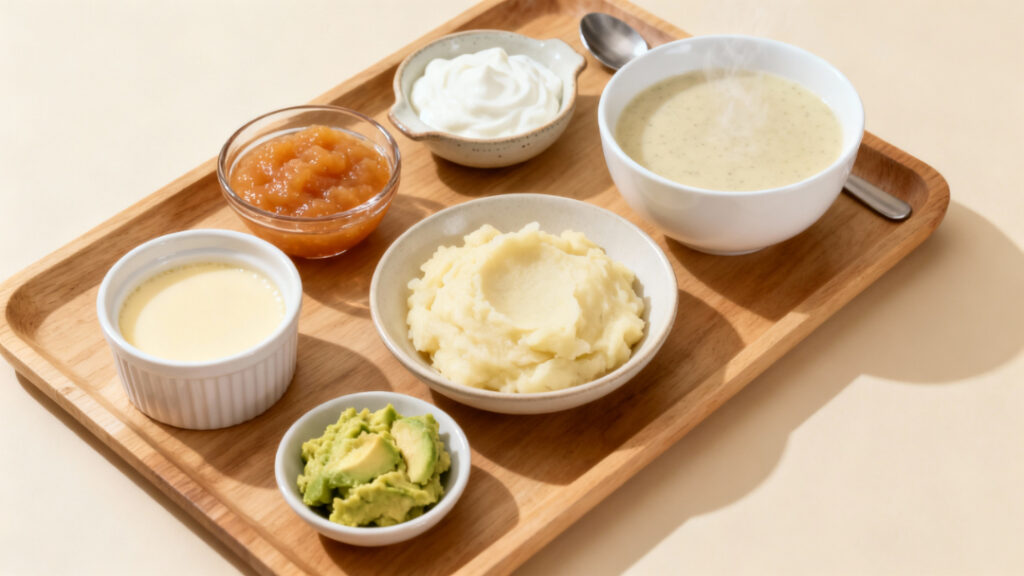
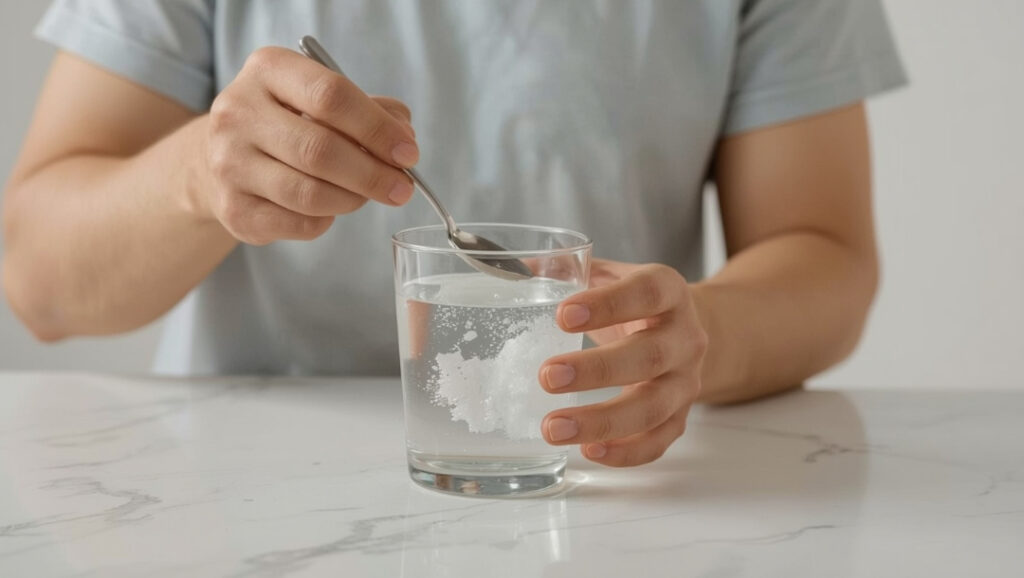
To speed up wisdom teeth recovery, focus on preserving the blood clot, minimizing swelling, and maintaining gentle oral hygiene. Use cold compresses during the first 48 hours, follow a soft-food diet, stay hydrated, avoid straws or smoking, and rest with your head elevated.
The Wisdom Teeth Recovery Timeline: What to Expect and When
Recovery from wisdom teeth removal happens in stages. Understanding these phases helps you make the right choices to avoid complications and speed up healing.
Typical Healing Stages:
First 24 Hours: Blood clot forms — absolutely essential to protect it
Days 2–3: Swelling and mild pain peak
Days 4–7: Bruising and swelling subside, tissue begins to regenerate
Week 2 and beyond: Most soft tissue healing complete, bone begins remodeling
During these stages, patients often wonder when it’s safe to start speaking again — a concern that ties closely to the talking timeline after wisdom teeth removal, as jaw movement too soon can disrupt healing.
Factors That Affect Healing Speed:
Age (younger patients heal faster)
Smoking (delays healing)
Type of extraction (impacted vs. erupted)
Pre-existing medical conditions (like diabetes)
How to Prevent Dry Socket and Infections
A dry socket can delay healing by over a week — and it hurts. Preventing it is one of the most important steps to speeding up recovery.
What Is a Dry Socket? It happens when the protective blood clot is dislodged, exposing nerves and bone.
How to Avoid It:
Don’t use straws
Avoid smoking or vaping
Don’t spit forcefully or rinse vigorously
Stick to soft foods
Keep fingers and objects away from the site
Follow your dentist’s gauze placement instructions
Signs of Infection to Watch For:
Increasing pain after 3 days
Foul smell or taste
Pus or oozing
Fever or swollen lymph nodes
Contact Buford Dentist immediately if you notice any of these.
How to Reduce Swelling After Wisdom Teeth Removal
Swelling is natural, but controlling it can accelerate recovery significantly.
0–48 Hours: Use cold therapy
Apply an ice pack to the cheek: 20 minutes on, 20 minutes off
Keep your head elevated, especially while sleeping
Limit physical activity
After 48 Hours: Switch to heat
Use warm compresses to stimulate blood flow
Gentle jaw movement can help reduce stiffness
Bonus Tips:
Sleep with 2–3 pillows
Avoid hot showers or spicy foods during peak inflammation
Best Medicine and Natural Remedies for Pain Relief
Pain doesn’t have to slow you down. Use smart pain management to stay comfortable and heal faster.
Medication Strategy:
Ibuprofen: reduces pain and swelling
Acetaminophen: can be combined with ibuprofen for stronger pain relief
Follow dosage instructions — don’t wait until the pain becomes unbearable
Natural Remedies:
Turmeric: anti-inflammatory, can be added to smoothies