Tooth contouring cost in the United States usually ranges from about $50 to $300 per tooth. The final price depends on how many teeth are reshaped, how much enamel can be safely removed, and local dental fees.
Because contouring is usually part of cosmetic dentistry, dental insurance often does not cover it. For a small chip, slightly uneven edge, or minor shape difference, though, it can be one of the most affordable cosmetic options.
These are broad estimates, not a personal quote. A dentist still needs to confirm that reshaping is safe, conservative, and not masking a problem that needs restorative care.
Wondering whether a small chip, uneven edge, or subtle reshaping can be corrected without more invasive work, cosmetic dentistry helps evaluate conservative options and realistic outcomes for your smile. North Atlanta Center for Cosmetic & Implant Dentistry in Buford, GA, provides personalized treatment planning to preserve enamel and esthetics.
Tooth contouring, also called enameloplasty or odontoplasty, removes a very small amount of enamel from the outer surface of a tooth. A dentist may smooth a rough edge, soften a pointed corner, shorten a tooth slightly, or make nearby teeth look more even.
This treatment works best for small shape changes. It does not whiten teeth, move teeth, or rebuild areas where tooth structure is missing.
Because enamel does not grow back, contouring is permanent. That is why careful planning matters, especially when a tooth already has thin enamel, wear, or sensitivity; Cleveland Clinic explains these benefits and side effects.
The biggest cost factor is usually the number of teeth being treated. Smoothing one small edge costs less than refining several front teeth to improve overall symmetry.
Price also varies based on the complexity of the reshaping, the dentist's experience, and regional fee differences. Some offices charge per tooth, while others quote one total fee for the cosmetic adjustment.
A consultation may be billed separately. Before treatment, ask for a written estimate that lists the exam, imaging, contouring, polishing, and any follow-up that may be recommended.
Contouring is usually less expensive than treatments that add material or move teeth, but it also has a narrower purpose. For a broader look at other cosmetic procedures, it helps to compare what each option can and cannot do.
The right treatment depends on whether the concern is extra enamel, missing structure, discoloration (see teeth whitening remedies), spacing, or tooth position.
|
Option |
Typical U.S. Cost |
Best Suited For |
Important Limits and Longevity |
|---|---|---|---|
|
Tooth contouring |
About $50 to $300 per tooth |
Tiny chips, pointed corners, slightly uneven edges |
Irreversible; cannot add tooth structure; shape change is permanent |
|
About $300 to $600 per tooth |
Small gaps, chips, short teeth, or shape changes that need added material |
May stain or chip; often lasts about 3 to 10 years |
|
|
About $900 to $2,500 per tooth |
Broader changes in shape, color, or symmetry |
Higher cost; often requires enamel removal; commonly lasts 10 to 15 years or longer |
|
|
Orthodontic treatment |
Varies widely by method and case |
Crowding, gaps, rotation, or bite-related concerns |
Takes months or longer; moves teeth rather than reshaping enamel |
These are broad national ranges, and actual fees vary by office and case. In some situations, combining contouring with dental bonding gives a conservative result when one area needs slight reduction and another needs added shape.
Tooth contouring is quick, usually does not require anesthetic, and does not rely on a material that can detach later. The reshaped edge is permanent, although future wear, grinding, injury, or later dental work can still change how the tooth looks.
Its limits are just as important as its benefits. Contouring cannot safely fix a large chip, a crack, major size differences, significant misalignment, or teeth with thin enamel.
In those cases, a dentist may recommend bonding, a veneer, a crown, or orthodontic treatment instead. Contouring also should not be used to hide a bite problem if the teeth already take too much force.
The dentist first checks the teeth, bite, enamel thickness, and gum health. X-rays or photos may be recommended, and the planned change may be marked so you can review the shape before treatment begins.
A fine diamond instrument or polishing disc is used to remove enamel gradually. Most people feel vibration or light pressure rather than pain because enamel has no nerves.
When only a few teeth are treated, the visit often takes less than an hour. The teeth are polished at the end, and there is usually no downtime.
Some people notice mild, short-lived sensitivity afterward. Ongoing pain, worsening sensitivity, a new sharp edge, swelling, or a bite that feels off should be checked by a dentist.

A good candidate usually has healthy teeth and gums, enough enamel, a stable bite, and a cosmetic concern that can be improved with only slight reshaping. The best results come when expectations are realistic and the desired change is subtle.
A dentist may advise against contouring if enamel is thin, decay or gum disease is active, teeth are cracked, or grinding has already caused heavy wear. Sensitivity, pain when biting, unexplained discoloration, or a recent fracture should be evaluated before cosmetic treatment.
Never try to file a tooth at home. Household tools can remove too much enamel, create cracks, introduce bacteria, and permanently affect the bite.
Schedule a consultation when a healthy tooth has a small shape issue and you want to know whether conservative reshaping can help. Bringing photos or pointing out the exact edge, corner, or proportion you want changed can make the discussion more productive.
Do not wait for a cosmetic visit if a tooth breaks after an injury, becomes painful, feels loose, develops swelling, or has a sharp edge that cuts your cheek or tongue. Those symptoms may point to a deeper problem that needs treatment first.
A good consultation should leave you with a clear plan, an itemized estimate, and an honest explanation of how much enamel can be safely removed. It should also compare contouring with bonding, veneers, or orthodontics based on tooth health, budget, and the result you want.
To move from a consultation to a personalized treatment plan, call to discuss whether contouring, bonding, or veneers are best for your teeth and budget. North Atlanta Center for Cosmetic & Implant Dentistry provides cosmetic dentistry in Buford, GA, and serves patients from Sugar Hill and Suwanee; call (770) 932-1115 to schedule.
Insurance usually does not cover contouring when it is done only to improve appearance. Coverage may differ when reshaping is considered medically necessary after an injury or as part of another covered procedure, so ask the dental office to verify benefits and provide a pre-treatment estimate.
Tooth contouring is usually painless because the dentist works within enamel, which has no nerves. Anesthetic often is not needed, although people with existing sensitivity or teeth worn close to deeper layers may have a different experience.
It can smooth a very small, superficial chip if enough healthy enamel remains. A larger or deeper chip often needs bonding, a veneer, or another restoration to protect the tooth and replace missing structure.
Minor reshaping can make slightly uneven edges look more even. It does not move teeth or correct crowding, rotation, or bite problems.
Most people can eat, brush, and floss normally after treatment. Use fluoride toothpaste, avoid biting hard objects or opening packages with your teeth, and ask about a nightguard if grinding could affect the result.
In most cases, you should wait about 30 minutes before eating or drinking after a fluoride treatment, but the exact timing depends on the product your dentist used. After fluoride varnish, many patients can eat once that initial wait has passed, but they should still avoid hot, hard, sticky, or acidic foods for several hours based on the product’s aftercare instructions (see what to eat after the procedure).
Professional fluoride is often provided during preventive dental care visits, and the dental team should tell you exactly when it is safe to eat, drink, brush, and floss. If you do not remember which product was used, call the office before eating rather than guessing (for general drink restrictions after dental treatment, see what to drink after the procedure).
If you’re unsure which fluoride product was used or how long to wait before eating, preventive dental care can clarify the correct post-treatment steps. At North Atlanta Center for Cosmetic & Implant Dentistry in Buford, GA, we review your treatment and give clear, practical aftercare so you know when it’s safe to eat.
The answer depends on how the fluoride was applied. Varnishes, gels, foams, and silver diamine fluoride do not all come with the same eating instructions.
|
Fluoride Treatment |
Typical Eating Guidance |
Other Common Restrictions |
|---|---|---|
|
Fluoride varnish |
Often wait about 30 minutes |
For 4 to 6 hours, avoid hot, hard, crunchy, sticky, and acidic foods unless instructed otherwise |
|
Fluoride gel or foam |
Commonly wait about 30 minutes |
Avoid food, drinks, and rinsing during the stated waiting period |
|
Silver diamine fluoride |
Instructions vary by product and clinical situation |
Follow the dentist’s directions because treated decay may permanently darken |
These are general guidelines, not a substitute for the instructions you received at your appointment. Your dental team’s directions always take priority because product formulas and treatment goals can differ.
Fluoride works best when it stays in contact with the teeth long enough to strengthen enamel. Eating too soon can reduce that contact time, especially if the food is crunchy, sticky, or very hot.
Fluoride varnish hardens when it meets saliva, but it still leaves a temporary coating on the teeth. That is why many offices recommend soft, cool, or room-temperature foods for the next several hours.
Acidic foods and drinks can also work against the goal of protecting enamel. Soda, citrus, sports drinks, and similar items are usually best avoided during the restriction period.
Once the initial waiting period has passed, soft foods are usually the safest choice. Good options include yogurt, applesauce, scrambled eggs, mashed potatoes, soft pasta, and lukewarm soup.
Try to avoid nuts, chips, popcorn, chewy candy, gum, crusty bread, and very hot meals until the restriction period ends. If you are unsure whether water or other drinks are allowed sooner, follow the instructions from your dental office.
Hot drinks are often restricted longer than the initial 30-minute waiting period, especially after fluoride varnish. Even if you are allowed to eat, hot coffee or tea may soften or disturb the coating too soon.
If you want coffee later the same day, wait until the office’s hot-food restriction has passed. A cooler drink is usually the safer option during that window.
After fluoride varnish, many patients are told to wait 4 to 6 hours before brushing or flossing, although some products are meant to stay on until bedtime or the next morning. Brushing too early can remove the coating before it has had enough time to work (for another example of post-procedure brushing timing, see brushing after extraction).
When you brush again, use a soft-bristled toothbrush and gentle pressure. A temporary rough feeling or slight yellow tint can happen with some varnishes and usually goes away after brushing, similar to other appearance-related aftercare guidance such as brushing after whitening).
Fluoride treatment is usually quick and painless. Varnish is painted onto dry teeth with a small brush, while gel or foam may be placed in trays for a short time.
Your teeth may feel slightly coated, sticky, or different for a few hours. The taste can also linger briefly, but that usually improves once the product is brushed away at the recommended time.
Professional fluoride can help lower cavity risk, but it does not fix a large cavity, replace a filling, or stop future decay on its own. It works best as part of regular preventive care and good home habits.
Professional fluoride may be recommended for children and adults who are at risk of cavities. That can include people with frequent cavities, dry mouth, exposed roots, braces, enamel weakness, or restorations that make decay more likely.
Children often receive fluoride during pediatric dentistry visits. Parents should expect clear aftercare instructions about eating, drinking, and brushing afterward.
How often fluoride is helpful depends on your cavity history, diet, medications, home care, and fluoride exposure from other sources. A dentist can tell you whether it is worth repeating and which type makes the most sense.

If you are unsure what was placed on your teeth, how long to wait before eating, or whether your symptoms are normal, contact the dental office for clarification. If you develop trouble breathing, facial or throat swelling, widespread hives, repeated vomiting, or other signs of a severe reaction, seek urgent medical care right away.
A routine visit for dental checkups is a good time to ask whether professional fluoride is appropriate for you. It also gives your dentist a chance to check for active decay, dry mouth, sensitivity, and enamel changes that fluoride alone may not solve.
If you have questions about post-fluoride care or need confirmation of the product applied, schedule a preventive dental care visit for a clear aftercare plan and exam. Call North Atlanta Center for Cosmetic & Implant Dentistry for preventive dental care in Buford, GA, serving Sugar Hill and Suwanee, at (770) 932-1115 to book an appointment.
Many offices recommend waiting about 30 minutes before drinking water, but some varnish products may allow it sooner. Follow the specific directions from the dental office that treated you.
Eating too soon may remove some of the varnish or shorten the time it stays on the teeth. It is usually not an emergency, but call the dental office if you ate immediately and want to know whether any follow-up is needed.
It is usually best to avoid hot coffee during the varnish restriction period, commonly about 4 to 6 hours (see drinking coffee after dental work). Once it is allowed, a cooler drink is often the better choice.
In most cases, yes. By the next day, normal eating, drinking, brushing, and flossing can usually resume unless your dentist gave you longer instructions for a specific product or dental condition.
A very small amount may mix with saliva during treatment, and professional products are used in controlled amounts. If a larger amount was swallowed or you develop nausea, vomiting, abdominal pain, or other concerning symptoms, contact the dental office, Poison Control in the United States at 1-800-222-1222, or emergency services for severe symptoms.
A smile makeover before and after comparison can show dramatic improvement in color, shape, spacing, and balance, but the best results come from a plan that protects oral health first and uses the most conservative treatment that can achieve your goal. Realistic outcomes depend on your starting condition, bite, gum health, existing dental work, and how much natural tooth structure should be preserved.
If you're comparing before-and-after photos and deciding which combination of treatments will address discoloration, gaps, or worn teeth, a smile makeover can clarify realistic outcomes. At North Atlanta Center for Cosmetic & Implant Dentistry in Buford, GA, we create individualized plans that balance appearance, function, and long-term care.
A smile makeover combines cosmetic dentistry and, when needed, restorative treatment to improve how the teeth and smile look together. It may address stains, chips, gaps, worn edges, uneven tooth size, mild misalignment, missing teeth, or visible gumline differences.
Before-and-after photos are useful for showing changes in color, shape, spacing, and overall smile balance. They do not guarantee that another patient will get the same result.
Your outcome depends on factors such as enamel thickness, facial proportions, gum levels, bite forces, and older fillings, crowns, or veneers. That is why a photo gallery should be treated as a guide, not a promise.
When reviewing examples, look for photos taken in similar lighting and from similar angles. Ask whether the images show the dentist’s own patients, what procedures were used, how much tooth preparation was required, and how long the work had been in place when photographed.
It is also reasonable to ask whether the examples reflect current smile makeover trends, while still looking natural and appropriate for the patient. For a broader overview, see What is a smile makeover?
The best smile makeover is not always the one with the biggest immediate change. A good plan compares conservative options with more extensive cosmetic procedures and explains what each choice may mean for maintenance, replacement, and healthy tooth structure.
|
Option |
Often Used For |
Main Limits |
Typical Longevity |
|---|---|---|---|
|
Natural teeth with yellowing or age-related staining |
Does not lighten crowns, veneers, or fillings; some stains respond poorly |
Results may last months to several years, depending on habits and touch-ups |
|
|
Dental bonding |
Small chips, narrow gaps, uneven edges, or localized discoloration |
Can stain, wear, or chip more easily than porcelain |
Often about 3 to 10 years |
|
Multiple concerns involving color, shape, size, or mild spacing |
Usually requires some enamel removal and is not reversible |
Often about 10 to 15 years or longer with good care |
|
|
Orthodontic treatment |
Crowding, spacing, rotated teeth, and some bite problems |
Requires time and retainers; does not change tooth color or shape |
Alignment can remain stable with consistent retainer use |
|
Heavily restored, cracked, weak, or severely worn teeth |
Requires substantial tooth preparation and should not replace a more conservative option without a clear reason |
Often about 10 to 15 years or longer |
|
|
Implants or bridges |
Missing teeth |
Implants require surgery; bridges rely on neighboring teeth for support |
Varies by restoration type, health, hygiene, and bite forces |
These timeframes are general estimates, not guarantees. Grinding, smoking, staining drinks, poor plaque control, untreated bite problems, and missed dental visits can shorten how long results last.
The order of treatment affects both appearance and durability. teeth whitening is often done before bonding, veneers, or crowns because restorative materials do not bleach.
Orthodontic treatment may also come first if moving the teeth can reduce the need to reshape healthy enamel. In many cases, straightening first leads to a more conservative final result.
Cavities, gum disease, infection, and unstable bite problems usually need treatment before elective cosmetic work. Healthy gums and stable teeth are the foundation of a lasting smile makeover.
The first visit usually includes a conversation about your goals, an exam, photos, and any needed X-rays or digital scans. The dentist may also evaluate your bite, gum display, tooth proportions, existing dental work, and signs of clenching or grinding.
Planning may include digital previews, study models, or a temporary mock-up. These tools help you discuss shape, length, and shade, but they are planning aids rather than exact guarantees.
What treatment feels like depends on the procedures involved. Whitening can cause temporary sensitivity, orthodontics often causes pressure after adjustments, and bonding may need little or no anesthesia.
Veneers and crowns usually involve numbing, tooth preparation, temporary restorations, and some short-term sensitivity afterward. More complex cases may take several months if gum treatment, orthodontics, implants, or healing time are part of the plan.
Smaller changes, such as whitening with limited bonding, may be completed in fewer visits. Your dentist should explain the expected timeline before treatment begins.
A successful result should do more than look bright in a photo. Your teeth should come together comfortably, speech should feel normal after any adjustment period, and the restorations should be easy to keep clean.
Review the final result for shade, tooth length, edge position, symmetry, and how the smile looks when you talk and smile naturally. A result that looks balanced in motion often matters more than one close-up photo.
Very white or highly uniform teeth may create a Hollywood smile look that does not suit every face. Natural-looking results usually keep some subtle variation in shape and translucency.
Contact the treating dentist if a restoration feels high when you bite, stays painful, becomes loose, or repeatedly catches floss. Seek urgent dental care for facial swelling, fever with dental pain, uncontrolled bleeding, trouble swallowing or breathing, or rapidly worsening symptoms.
A good candidate usually has clear cosmetic goals, realistic expectations, and oral health that is stable or can be stabilized first. Healthy gums, enough enamel, manageable bite forces, and a commitment to maintenance can expand your options.
Treatment may need to be delayed or adjusted if you have untreated decay, active gum disease, severe dry mouth, uncontrolled grinding, major enamel loss, or a complex bite problem. Some concerns that seem cosmetic may actually point to an underlying dental issue.
Persistent tooth wear, changing gum levels, unexplained discoloration, or loose teeth should be evaluated before they are covered with cosmetic work. In those cases, diagnosis comes before aesthetics.
It makes sense to schedule a consultation when the issue affects your confidence, comfort, or function and you are ready to compare realistic options. Bringing photos of smiles you like can help clarify your preferences.
A written treatment plan should explain the sequence of care, alternatives, fees, maintenance needs, and likely future replacement needs. That kind of planning helps turn smile makeovers before and after inspiration into a practical long-term decision.
A consult focused on sequencing and realistic expectations is the best next step to translate before-and-after examples into a plan that protects your teeth and gums. Call North Atlanta Center for Cosmetic & Implant Dentistry in Buford, GA, serving patients from Sugar Hill and Suwanee, to discuss a smile makeover and schedule an appointment at (770) 932-1115.
A smile makeover can address concerns such as tooth discoloration, chips, gaps, worn edges, uneven tooth size, mild misalignment, missing teeth, and visible gumline differences.
Longevity depends on the treatments used. Dental bonding may last about 3 to 10 years, while veneers and crowns may last about 10 to 15 years or longer with good care. Individual results can vary based on oral hygiene, bite forces, habits, and maintenance.
The experience depends on the procedures involved. Whitening may cause temporary sensitivity, orthodontic treatment can cause pressure after adjustments, and bonding may require little or no anesthesia. Veneers and crowns typically involve numbing and may cause some short-term sensitivity.
A good candidate typically has clear cosmetic goals, realistic expectations, and stable oral health or conditions that can be treated first. Healthy gums, sufficient enamel, manageable bite forces, and a commitment to ongoing maintenance can expand treatment options.
The right combination depends on your teeth, gums, bite, cosmetic goals, existing dental work, and long-term maintenance needs. A consultation can help determine the treatment order, alternatives, expected timeline, and future care requirements.
Affordable dental implants in Buford, Georgia, are usually found by comparing total long-term value, not just the lowest advertised fee. The most practical next step is a complete exam and written estimate that separates the implant, abutment, crown, imaging, possible bone grafting, and follow-up care.
Implants often cost more upfront than dentures or bridges, but they can offer stronger chewing, a more natural look, and longer service for the right patient. Because fees depend on bone support, gum health, the number of missing teeth, and the final restoration, an exam and imaging are needed before any quote is meaningful.
If you are weighing tooth replacement options or need an accurate estimate for implant-based care, understanding what is included can help you compare value. North Atlanta Center for Cosmetic & Implant Dentistry in Buford, GA, helps patients get a clear, itemized plan so they can weigh costs, timeline, and restorative options with confidence.
A dental implant is a small post, usually titanium, placed in the jawbone to replace a missing tooth root. After healing, an abutment connects the implant to a custom crown, bridge, or denture, and the final implant restoration completes the tooth replacement.
One common source of confusion is that some quotes refer only to the implant post. Ask whether the estimate includes every step needed for the finished tooth, including the consultation, CBCT & 3D imaging, extraction, bone grafting, sedation, a temporary tooth, the abutment, the final restoration, and follow-up visits.
The final cost often depends on how many teeth are missing, where they are located, how much bone is available, and whether the gums are healthy. A lower starting quote may not reflect the real total if key procedures are left out.
Replacing one tooth usually means one implant and one crown. Several missing teeth may be restored with an implant-supported bridge, while full-arch tooth loss may be treated with an implant-retained denture or a fixed implant-supported restoration.
|
Option |
Typical Use |
Main Benefit |
Important Limitation |
|---|---|---|---|
|
Single implant and crown |
One missing tooth |
Does not require shaping adjacent teeth |
Requires surgery and healing time |
|
Traditional bridge |
One or a few missing teeth |
Often completed faster than an implant |
Uses neighboring teeth for support |
|
Removable partial denture |
Several missing teeth |
Usually lower upfront cost |
May move and require removal for cleaning |
|
Implant-retained denture |
Many or all teeth missing |
Better stability than a conventional denture |
Still may need removal and maintenance |
|
Fixed full-arch implant restoration |
Most or all teeth in an arch |
Stable, nonremovable replacement |
Higher cost and more complex care |
A traditional bridge may make sense if nearby teeth already need crowns or if implant surgery is not a good fit. A removable denture can restore appearance and some function at a lower initial cost, but it does not replace tooth roots and may feel less stable over time.
Some patients also ask about mini dental implants as a lower-cost option. They can be useful in selected cases, but suitability depends on bone, bite forces, and the type of restoration planned.
Implants can improve chewing, speech, and confidence while supporting restorations that look more like natural teeth; learn more about the benefits of dental implants. Because implants function in the jawbone, they may also help limit bone loss that often follows tooth removal.
That said, implants are not the right answer for every situation, and no restoration lasts forever. The implant itself may last many years or even decades, but the crown, bridge, attachment, or denture can still wear, chip, loosen, or need replacement sooner.
Long-term success depends on daily home care, healthy gums, regular maintenance, and control of risk factors. Smoking or vaping nicotine, untreated gum disease, uncontrolled diabetes, heavy grinding, and missed recall visits can raise the chance of complications.
Start by asking for an itemized treatment plan so you can compare the same scope of care from one office to another. Transparent pricing is more useful than a promotional number if that number leaves out the restoration or the procedures needed to place the implant safely.
Dental insurance may help with parts of treatment even when implant coverage is limited. Depending on the plan, benefits may apply to an extraction, graft, crown, or denture, and some patients also use phased treatment, third-party financing, or HSA/FSA funds when eligible.
Choosing the cheapest option first is not always the most affordable long term. A dentist can explain whether a bridge, removable appliance, or staged implant treatment offers the best balance of cost, function, and maintenance for your case.
The process usually starts with an exam, a review of your medical and dental history, and imaging to evaluate bone, nerves, sinuses, and nearby teeth. Some patients need an extraction, gum treatment, or bone grafting before implant placement, which can add time to treatment.
During surgery, the area is numbed thoroughly, and sedation may be available based on the case and the office. Most patients notice pressure or vibration rather than sharp pain once the anesthetic is working.
Afterward, mild swelling, tenderness, bruising, and softer chewing for a few days are common. The implant usually heals in the bone for several months before the final restoration is attached, although some cases allow a temporary tooth sooner.
Call the treating office promptly if you have worsening swelling, persistent bleeding, severe or increasing pain, fever, pus, a bad taste, numbness that does not improve, or a loose implant or temporary. Trouble breathing or swallowing, fast-spreading facial swelling, or swelling near the eye needs urgent medical attention.
Many adults with one or more missing or nonrestorable teeth may qualify if they have enough bone support, manageable health conditions, and the ability to keep the area clean. Age alone is usually not the deciding factor, but jaw growth should generally be complete before implants are placed.
Limited bone does not always rule out treatment. Bone grafting, different implant positions, or a removable restoration may still be possible, but each option comes with its own cost, limits, and expected outcome.
A consultation makes sense soon after tooth loss, when a tooth has a poor prognosis, or when a denture feels loose or uncomfortable. Acting earlier may preserve more options before additional bone loss occurs, while active infection, gum disease, or uncontrolled medical issues may need treatment first.
Bring your insurance information, medication list, relevant health history, and any previous dental images if you have them. A personalized exam can show whether implants are appropriate, what the full cost may be, and which replacement option offers the most dependable value.
Ask for an itemized implant evaluation to confirm candidacy, anticipate costs, and plan any preparatory care. North Atlanta Center for Cosmetic & Implant Dentistry specializes in dental implants in Buford, GA, serving patients from Sugar Hill and Suwanee; call (770) 932-1115 or book an appointment online.
There is no reliable single fee because treatment may include the implant post, abutment, crown, imaging, extraction, grafting, sedation, and a temporary restoration. An itemized estimate after an exam is the best way to compare total cost.
Lower pricing does not automatically mean lower quality, but the quote should clearly include qualified clinical care, appropriate imaging, recognized implant components, sterilization, restoration, and follow-up. Be cautious if a low fee does not explain exclusions, risks, or who is responsible for each stage.
Coverage varies widely by policy. Some plans may help pay for parts of treatment, such as the crown, extraction, graft, or denture, depending on deductibles, annual maximums, waiting periods, and missing-tooth clauses.
Immediate placement may be possible when bone, gum tissue, and infection control are favorable. It is not right for every site, and immediate placement does not always mean a permanent crown can be placed the same day.
Straightforward treatment often takes several months because the implant must heal and integrate with the bone. Grafting, infection treatment, medical factors, or multiple surgical stages can extend the timeline.
Cavities can look like white, brown, or black spots, rough areas, small pits, or visible holes in a tooth. But many cavities cannot be seen at home, especially when they form between teeth or under an older filling, so appearance alone cannot confirm or rule out decay; for broader context, read tooth decay and oral health.
If you’ve noticed a new spot, persistent sensitivity, or food trapping and are wondering if it’s decay, a dental checkup can determine what’s causing the change. At North Atlanta Center for Cosmetic & Implant Dentistry in Buford, a focused exam and appropriate X-rays give clear answers and help you avoid more extensive treatment later.
A cavity starts when acids from plaque bacteria repeatedly pull minerals out of enamel. Early decay may show up as a dull or chalky white spot, often near the gumline or around braces.
As the enamel weakens, the area may turn tan, brown, or black. It can also become rough or develop a small pit or hole.
If decay reaches dentin, the softer layer under enamel, the damaged area often spreads faster. At that stage, the tooth may also become more sensitive.
Back teeth often develop cavities in the natural grooves on the chewing surface. Cavities between teeth usually are not visible without X-rays, although food trapping, floss catching, or a dark shadow can be warning signs.
Not every dark mark is decay. Surface stains from coffee, tea, tobacco, or deeply pigmented foods can make a tooth look suspicious without damaging the enamel.
Tartar, old fillings, and naturally deep grooves can also resemble cavities. A dentist uses an exam, clinical findings, and appropriate X-rays to tell the difference instead of relying on color alone.
Do not scrape or poke a suspicious area at home. That can irritate the gums, damage weakened enamel, and still will not show how deep the problem goes.
Cavities often do not cause symptoms at first. As they get deeper, you may notice:
Symptoms do not always match the size of the problem. A small-looking spot can hide deeper decay, while a dark groove may only be stained.
If you're noticing several of these signs, read signs of cavities.
Very early enamel changes without a hole may sometimes be slowed or reversed with professional fluoride, better plaque control, and habits that reduce frequent sugar and acid exposure through targeted preventive care. Once the tooth surface has broken down into a true cavity, home care alone cannot rebuild it.
Small to moderate cavities are often treated with tooth-colored composite fillings. These fillings blend well with natural teeth, but how long they last depends on the size of the filling, where it is placed, bite pressure, grinding, diet, and home care.
Larger cavities may need an inlay, onlay, or crown to restore strength. If decay reaches the pulp, root canal treatment and a final restoration may be needed, and a tooth that cannot be restored predictably may need to be removed; for signs of advanced infection, see infected tooth.
Earlier treatment usually saves more natural tooth structure. No filling or crown lasts forever, but regular exams can catch wear or new decay before the damage becomes more extensive.
A cavity exam usually includes a visual check and may include bitewing dental X-rays to look between teeth and under existing restorations. X-rays use low levels of radiation and should be recommended based on your needs and risk level.
If you need a filling, the area is usually numbed with local anesthetic first. During treatment, pressure, vibration, and water spray are common, but sharp pain should be reported so your comfort can be reassessed.
Some mild sensitivity to temperature or biting can happen for a short time afterward. Call the dentist if pain is severe, gets worse, wakes you up, or if your bite feels uneven after the numbness wears off.
Schedule a dental checkup if a white, brown, or black area does not go away after brushing, if you notice a pit or hole, or if sensitivity or food trapping keeps returning in the same place. A dentist should also evaluate ongoing tooth pain even when you do not see a visible mark; see help your toothache.
Seek prompt care if pain is increasing or if you notice swelling, pus, fever, or a bad taste coming from a painful tooth. Difficulty breathing or swallowing, rapidly spreading swelling, or swelling near the eye needs urgent emergency evaluation.
Anyone with a suspicious spot may benefit from an exam. This is especially true for people with dry mouth, frequent cavities, exposed roots, braces, many existing restorations, or frequent sugary drinks and snacks.
If a suspicious mark, new sensitivity, or ongoing pain needs assessment, the appropriate next step is a dental checkup to confirm whether treatment is required. North Atlanta Center for Cosmetic & Implant Dentistry provides dental checkups in Buford; call (770) 932-1115 to schedule or request same-day availability.
Yes. Early mineral loss often appears as a chalky or opaque white area before it darkens or forms a hole, although white spots can have other causes and should be checked if they are new or changing.
Yes. Cavities often form between teeth, under contact points, or beneath existing restorations, where they may only be found during an exam or on X-rays.
No. A black or brown dot may be a stain in a natural groove, and color alone cannot show whether the enamel is healthy or decayed.
Early enamel mineral loss may sometimes be arrested or reversed before a hole forms. Once the tooth structure has broken down into a cavity, the tooth usually needs a restoration rather than home care alone; for more details, see Can cavities heal.
Arrange a routine visit soon if a new spot, pit, or recurring sensitivity does not go away. Seek faster care if pain is getting worse, chewing becomes difficult, the tooth breaks, or swelling develops.
A tooth implant usually takes three to nine months from evaluation to the final crown. The surgery itself is often brief, but most of the timeline is spent healing so the implant can bond securely with the jawbone.
Some patients qualify for implant placement and a temporary tooth on the same day. Others need an extraction, bone graft, or extra healing first, which can extend the process to a year or longer.
If you are trying to replace a missing tooth without guessing how long the process will take, learning about dental implants can help you understand healing time, temporary-tooth options, and long-term durability. At North Atlanta Center for Cosmetic & Implant Dentistry in Buford, Georgia, patients receive a clear, personalized plan based on their bone health, tooth position, and treatment goals.
A dental implant is a small post, usually titanium, placed in the jawbone to replace a missing tooth root. After it becomes stable in the bone, it supports an abutment and a custom crown that looks like the visible tooth.
This design can create a natural-looking replacement without depending on neighboring teeth for support. It can also help preserve bone in the area, though it cannot prevent every future change in the gums or jaw.
For an overview of options, benefits, and typical timelines, read about the benefits of dental implants.
The first step may take one or more visits. Your dentist reviews your medical and dental history, checks your gums and bite, and uses imaging to evaluate bone volume and nearby structures such as nerves or sinuses.
If the tooth is still present, the dentist will decide whether it can be saved or should be removed. A realistic timeline usually comes after this exam because infection, bone loss, implant location, and general health all affect timing.
In some cases, an implant can be placed right after a tooth is removed. If there is active infection, major bone loss, or poor initial stability, the site may need to heal for several weeks or months first.
A bone graft may be recommended when the jaw does not have enough width or height to support the implant. Smaller grafts can sometimes be done with implant placement, while larger grafts often need about three to six months of bone graft healing before the implant is placed.
For more on rebuilding the jaw before implants, see our bone grafting information.
Placing one straightforward implant often takes less than an hour. The exact appointment length depends on the tooth location, the condition of the bone, and whether other procedures are done at the same visit.
During the procedure, the dentist opens the gum, prepares the bone, places the implant, and may use stitches. For more detail on the surgical steps and what to expect during the procedure, review our implant surgery page.
After placement, the implant goes through osseointegration, which means the bone grows closely around it. This healing stage often takes about two to six months, depending on bone quality, implant stability, health factors, and how your body heals.
Once the implant is stable, the dentist may place the abutment and allow the gum tissue to shape around it. In some cases, the abutment is attached when the implant is first placed.
Digital scans or impressions are then used to make the dental crowns. Fabrication and final fitting usually take a few more weeks and may require more than one visit to refine the bite, shape, or shade.
“Same-day implant” can mean the implant is placed immediately after extraction, a temporary tooth is attached that day, or both. It usually does not mean the implant is fully healed or that the final crown is finished.
Immediate treatment can reduce the time spent with a visible gap and may limit the number of surgical visits. It works best when there is enough bone, good implant stability, controlled infection risk, and a bite that will not overload the healing implant.
These immediate implant criteria help explain why same-day treatment is a good fit for some patients but not others. For situations where a quicker single-visit option is appropriate, learn more about same-day dentistry.
Traditional staged treatment takes longer, but it can be safer and more predictable when grafting is extensive, infection has damaged the site, or initial implant stability is uncertain. In those cases, giving the bone and gums more time to heal can protect the long-term result.
A removable temporary tooth or bonded provisional may hide the space during healing. The right option depends on where the missing tooth is and whether pressure from the temporary restoration could interfere with healing.
An implant does not require reshaping healthy neighboring teeth the way a traditional bridge often does. The implant itself can last many years and sometimes decades, though the crown may wear, chip, loosen, or need replacement sooner.
A bridge can often be completed in a few weeks and avoids implant surgery. However, it depends on adjacent teeth for support, and cleaning under the replacement tooth takes extra care.
A removable partial denture is usually less invasive and may be finished faster. It can feel bulkier, may move during eating or speaking, and does not preserve bone at the missing tooth site the way an implant can.
No option is maintenance-free. Implant longevity depends on gum health, home care, professional follow-up, bite forces, smoking or nicotine use, and other health factors that affect healing.
Implant placement is usually done with local anesthetic, so you may feel pressure or vibration but should not feel sharp pain. Sedation may be available in some cases for anxiety or more complex treatment, though it involves separate planning and safety considerations.
After surgery, mild swelling, tenderness, bruising, and light bleeding are common for a few days. Many people return to normal activities within a day or two, but chewing on the area and strenuous activity may need to be limited for a short time.
Call the dental office if pain or swelling gets worse after first improving, bleeding continues, fever develops, pus appears, a bad taste starts, numbness is new, or the implant or temporary tooth feels loose. Trouble breathing or swallowing, rapidly spreading swelling, or bleeding that will not stop needs urgent medical attention.
Good candidates usually have healthy or treatable gums, enough bone to support an implant or the ability to have grafting, and overall health that allows normal healing. Good home care and follow-up visits are also important.
Some factors can increase risk, including uncontrolled gum disease, poorly controlled diabetes, heavy nicotine use, certain medications, teeth grinding, prior radiation to the jaw, and some immune or bone conditions. These issues do not always rule out implants, but they do require a careful, individualized evaluation.
Age alone is usually not the deciding factor for adults. In younger patients, implants are generally delayed until jaw growth is complete.
Pregnancy, active infection, or ongoing medical treatment can also affect timing for elective implant surgery. A consultation makes sense after tooth loss, when a tooth cannot be saved, or when you are comparing an implant with a bridge or partial denture.
Early evaluation can show whether bone is being lost, whether grafting may help, and what timeline and temporary-tooth options are realistic for your case.
The appropriate next step is a focused consultation so your dentist can assess bone volume, grafting needs, and whether same-day options suit your situation. North Atlanta Center for Cosmetic & Implant Dentistry provides dental implants in Buford and nearby areas; call (770) 932-1115 to schedule a consultation.
The implant and a temporary tooth can sometimes be placed in one day, but healing still takes months. The final crown is usually delayed until the implant has integrated with the bone.
Not always. A small graft may be done at the same time as implant placement, while a larger graft may need several months to heal first.
It may be immediate, delayed for several weeks, or postponed for a few months. The timing depends on infection, bone condition, gum tissue, implant stability, and whether grafting is needed.
Often, yes. Options may include a removable temporary tooth, a bonded temporary restoration, or a temporary crown attached to the implant when conditions are favorable.
Extra healing time may be needed if a graft matures slowly, the implant does not have enough stability yet, the gums need more shaping, or health and bite factors increase the risk of failure. Waiting longer before the final crown can help protect the long-term outcome.
The safest way to remove plaque from teeth is to brush twice a day with fluoride toothpaste and clean between your teeth once a day. Plaque is soft and can usually be removed at home, but once it hardens into tartar, only a dental professional can remove it safely. Routine preventive dental care helps remove tartar and keep new plaque under control.
If buildup keeps coming back or something on your teeth will not brush away, preventive dental care can help determine whether it is plaque, tartar, or stain. North Atlanta Center for Cosmetic & Implant Dentistry in Buford, Georgia, helps patients protect their teeth and gums with routine cleanings and personalized home-care guidance.
Plaque is a sticky, nearly colorless film made of bacteria, food particles, and saliva. It forms constantly on teeth, especially along the gumline, between teeth, and around dental work or crowded areas. If you want more background on what plaque is, this topic explains how it affects oral health.
When plaque bacteria feed on sugars and other fermentable carbohydrates, they produce acids that can weaken enamel and lead to cavities. Plaque left near the gums can also cause redness, swelling, bleeding, and early gum disease.
Plaque may make teeth feel fuzzy or look dull, but it is not always easy to see. If the buildup looks yellow or brown, feels hard, and does not brush away, it is more likely tartar or surface stain.
Brush for two minutes, twice a day, with a soft-bristled manual or electric toothbrush and fluoride toothpaste. Angle the bristles gently toward the gumline and use small, overlapping motions on the front, back, and chewing surfaces.
Clean between your teeth once a day with floss, interdental brushes, or another tool recommended by a dental professional. Brushing alone does not reliably remove plaque between teeth, which is where buildup often remains.
After brushing, spit out the excess toothpaste instead of rinsing right away with a lot of water. This may help fluoride remain longer on the teeth, though product directions and your dentist's advice should come first.
Plaque-disclosing tablets or solutions can also help. They temporarily color the plaque you missed, making it easier to improve your brushing and flossing technique.
A powered toothbrush can make plaque removal easier if you have braces, limited dexterity, or trouble brushing long enough. A manual toothbrush can work just as well when used gently and thoroughly, so consistency matters more than cost.
Traditional floss works well where teeth fit tightly together. Interdental brushes may work better in wider spaces, around bridges, or near exposed roots.
Water flossers can help reduce plaque and gum irritation for some people, especially around orthodontic appliances or implants. Still, they may not fully replace floss or interdental brushes in every case.
Mouthwash can be a helpful add-on, but it does not remove plaque by itself. Some therapeutic rinses can stain teeth, affect taste, or irritate soft tissues, so it is smart to ask a dentist before using one long term.
Professional cleaning is the right option when plaque has hardened into tartar or when buildup sits in hard-to-reach areas. Avoid scraping your teeth with metal tools or home tartar-removal kits, which can injure the gums, scratch teeth or restorations, and push deposits deeper below the gumline.
If tartar extends under the gums, treatment may involve scaling and root planing to remove the deposits more thoroughly and safely.
When plaque is removed well, teeth usually feel smoother and cleaner right away. If mild gum inflammation is present, bleeding and tenderness may improve with steady, gentle home care.
Plaque starts forming again within hours, so removal is not a one-time fix. Daily home care controls new plaque, while professional cleaning helps manage tartar and areas you cannot fully clean on your own.
A routine dental cleaning often includes an exam, removal of buildup with hand or ultrasonic instruments, and polishing when appropriate. You may notice vibration, water spray, pressure, or brief sensitivity, especially if the gums are inflamed.
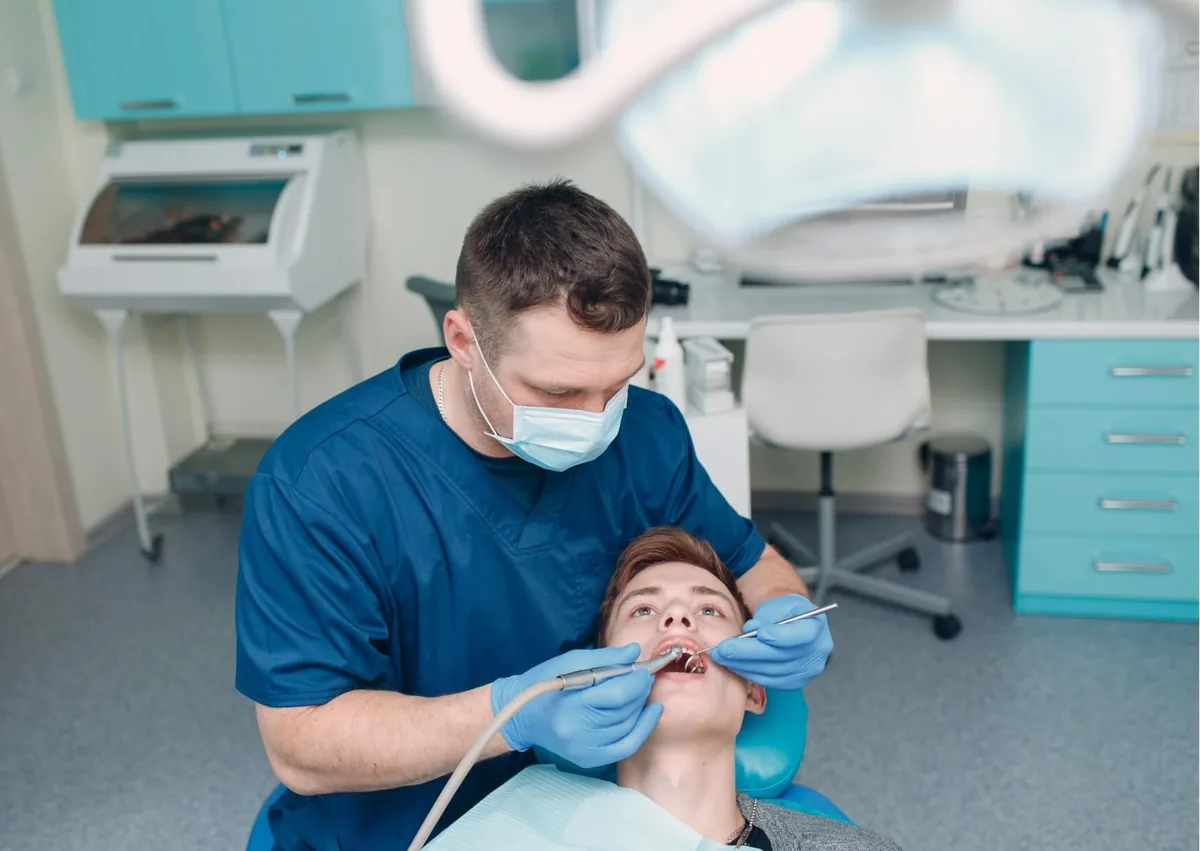
Most people can remove soft plaque at home, but some situations make professional care more important. You may need extra help if buildup does not brush away, your gums bleed often, or bad breath continues even with consistent cleaning.
Earlier evaluation is especially useful for people with braces, implants, bridges, dry mouth, limited hand dexterity, frequent cavities, diabetes, tobacco use, or a history of periodontal disease. These factors can make plaque harder to control and raise the risk of complications.
Schedule a visit if you are not sure whether you are dealing with plaque, tartar, stain, or early gum disease. Regular dental checkups help a dentist or hygienist identify the problem, remove hardened buildup, and recommend the right tools for home care.
Do not ignore worsening swelling, pus, a loose permanent tooth, pain when biting, gum recession, or unexplained changes in your mouth. Facial swelling, fever with dental swelling, trouble breathing, trouble swallowing, or rapidly spreading symptoms need urgent dental or medical attention.
A preventive visit is also a good time to review brushing pressure, flossing technique, fluoride use, and areas you keep missing. Small changes in technique can make plaque removal more effective without harming the gums or enamel.
If plaque or tartar persists despite home care, arrange an exam so a clinician can assess buildup and recommend cleaning or scaling and root planing as needed. North Atlanta Center for Cosmetic & Implant Dentistry offers preventive dental care in Buford; call (770) 932-1115 to schedule.
Soft plaque can often be removed with one thorough brushing and interdental-cleaning session. If a deposit stays attached and feels hard, it may be tartar and should be checked by a dental professional.
Some fluoride toothpastes contain baking soda and can help clean teeth. Homemade abrasive mixtures are not recommended because they may irritate gums, wear tooth surfaces, and will not safely remove tartar.
Bleeding often happens when plaque has irritated the gums. Gentle, consistent cleaning may help, but ongoing, heavy, or unexplained bleeding should be evaluated by a dentist.
Plaque is usually soft, sticky, and removable with proper brushing and cleaning between the teeth. Tartar is hard, stays attached after brushing, and may appear yellow, brown, or darker near the gumline.
Wisdom teeth extraction cost in the United States usually ranges from about $75 to $250 per tooth for a simple extraction and about $225 to $600 or more per tooth for a surgical extraction. Removing all four wisdom teeth often totals around $1,000 to $3,000 or more once surgery, sedation, imaging, and facility fees are included, though insurance and local pricing can change what you actually pay.
Typical costs vary based on the tooth position, treatment setting, and case difficulty. A personalized estimate usually requires an exam and dental X-rays. The final fee depends on whether the teeth are erupted or impacted, what type of anesthesia is used, who performs the procedure, and whether added imaging or follow-up care is needed.
If you are trying to decide whether painful, crowded, or impacted third molars should be removed or monitored, learning about wisdom teeth extraction can make the next step clearer. North Atlanta Center for Cosmetic & Implant Dentistry in Buford explains expected costs, anesthesia choices, and recovery in practical terms so you can make an informed decision.
A fully erupted wisdom tooth that can be removed like a standard tooth is usually less expensive. An impacted tooth may require an incision, bone removal, or sectioning the tooth into smaller pieces, which increases time and complexity.
Lower wisdom teeth near the inferior alveolar nerve may require more careful planning. Advanced imaging can help show how close the roots are to nearby nerves and other structures.
Other factors that can raise the cost include infection, curved or unusually shaped roots, denser bone in older patients, and the number of teeth removed in one visit. In some cases, referral for oral surgery or specialist care is the safest option, especially for deeply impacted teeth or medically complex patients.
The extraction fee listed in a quote is not always the full cost. Ask for a written estimate that separates each charge so you know what is included.
Confirm what the estimate covers before treatment. Some offices include routine follow-up care in the surgical fee, while others bill each service separately.
Simple extraction is usually the least expensive option, and recovery may be easier. It is only appropriate when the tooth is fully accessible and can be removed safely without surgical access.
Surgical extraction costs more because it often requires more time, more advanced technique, and sometimes sedation. If you want a better sense of timing, learn how long surgery takes.
Monitoring may be reasonable when wisdom teeth are healthy, functional, easy to clean, and not damaging nearby teeth or gums. It avoids immediate treatment costs, but it still requires periodic exams and imaging because problems can develop without obvious symptoms.
Removing all indicated wisdom teeth during one visit may reduce repeated exam, sedation, and facility charges. Still, preventive removal is not right for every symptom-free wisdom tooth, so the decision should reflect the tooth's position, disease risk, age, overall health, and patient preference.
Dental insurance often covers part of a medically necessary extraction after the deductible, but the exact amount depends on coinsurance, waiting periods, annual maximums, and network rules. Sedation coverage varies by plan, and not every part of treatment is covered.
Medical insurance may contribute in limited situations, such as trauma, pathology, hospitalization, or another qualifying medical issue. Even then, routine dental exclusions are common, so it is wise to verify benefits in advance.
Patients without coverage can ask about self-pay rates, payment plans, phased treatment, or care through an accredited dental school or residency clinic. Financing can lower the monthly payment, but interest and fees may increase the total amount paid.
Local anesthetic should prevent sharp pain during the extraction, but pressure, movement, and vibration are normal. Sedation dentistry can reduce anxiety or awareness, though it adds cost and may require fasting, an escort, and temporary restrictions after the procedure.
For some straightforward cases, local anesthetic may be enough. If you are comparing options, read about removal without anesthesia.
Swelling and soreness often peak during the first two to three days and then gradually improve. Many patients return to desk work within a few days, while more difficult surgery or physical jobs may require more downtime; these tips may help you speed up recovery.
Follow your clinician's instructions for eating, drinking, oral hygiene, and activity. It also helps to review what to eat after removal and what to drink after removal.
Avoiding smoking or straws can help protect the blood clot and lower the risk of dry socket. Dry socket is a painful complication that happens when the clot is lost or breaks down too soon.
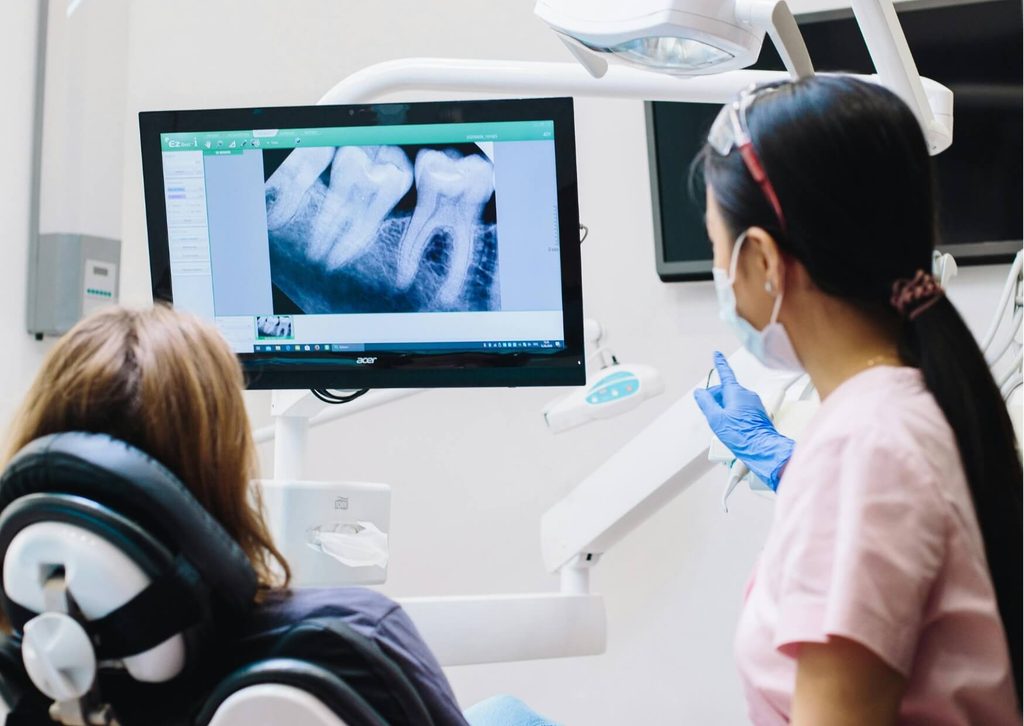
An evaluation is a good idea if you have pain, repeated gum swelling, food trapping, decay, gum disease, cysts, or damage to the second molar next to the wisdom tooth. It is also helpful when X-rays show that a wisdom tooth is unlikely to erupt into a clean, functional position.
A consultation does not commit you to surgery. It gives you a chance to review imaging, discuss whether monitoring is reasonable, compare anesthesia options, and receive an itemized estimate based on the actual complexity of your case.
Schedule an evaluation before symptoms become severe, especially if a dentist has already identified an impacted tooth. Seek prompt dental care for worsening pain, fever, pus, a bad taste with swelling, or trouble opening your mouth, and seek urgent medical care for trouble breathing or swallowing or rapidly spreading swelling.
The next step is a focused evaluation to confirm whether extraction, sedation, or monitoring makes the most sense and to give you a personalized cost estimate. North Atlanta Center for Cosmetic & Implant Dentistry provides wisdom teeth extraction in Buford and nearby Buford; call (770) 932-1115 to schedule your visit.
Removing all four commonly costs around $1,000 to $3,000 or more before insurance. The total depends on how many are impacted, the anesthesia used, local fees, imaging needs, and whether treatment happens in a dental office or surgical facility.
Usually, yes. A partially or fully impacted tooth often requires surgical access through gum or bone, which makes removal more complex than extracting a fully erupted tooth.
Many dental plans cover a portion when removal is considered necessary, but deductibles, annual maximums, waiting periods, and network status affect the patient's share. Ask both the office and insurer for a pretreatment estimate.
Not always. Local anesthesia may be enough for straightforward cases, while oral, intravenous, or general anesthesia may be considered for complex surgery, significant anxiety, or specific clinical needs.
Not necessarily, and pain alone does not determine difficulty. Earlier treatment may sometimes be less complex, but healthy wisdom teeth may be monitored when a clinician decides the risks of removal outweigh the likely benefits.
Gummy smile treatment can reduce how much gum tissue shows when you smile, but the right option depends on the cause. Some people benefit from gum reshaping, while others need treatment that addresses lip movement, tooth position, or the upper jaw.
If too much gum shows when you smile, cosmetic dentistry can help identify whether the issue is your gums, teeth, or lip movement. At North Atlanta Center for Cosmetic & Implant Dentistry in Buford, we focus on cause-based treatment planning so your results look balanced, natural, and appropriate for your smile.
A gummy smile is a smile that shows more upper gum tissue than a person prefers. It is usually a cosmetic concern, not a health problem, and there is no single measurement that determines when treatment is needed.
Common causes include excess gum tissue covering part of the teeth, naturally short or worn teeth, a short or highly mobile upper lip, tooth position, and vertical overgrowth of the upper jaw. More than one factor may be involved, which is why the same treatment does not work for every patient.
A dentist typically evaluates your teeth, gums, bite, lip movement, and facial proportions before recommending treatment. X-rays or other imaging may also be needed to check the position of the roots and supporting bone.
You can also read about common cosmetic procedures that general dentists perform.
Gum contouring removes and reshapes excess tissue to reveal more of the natural tooth surface. It can work well when the gums cover too much of otherwise healthy, well-proportioned teeth.
Crown lengthening is similar but may also involve adjusting a small amount of supporting bone. This is often the better option when bone sits too close to the planned new gumline, because removing gum tissue alone may lead to regrowth or unstable results.
Some dentists use laser dentistry to improve precision and comfort during tissue reshaping. These procedures can create long-lasting changes to the gumline, but healing patterns, aging, and future gum disease can still affect the final appearance.
Possible downsides include temporary sensitivity, uneven healing, gum recession, or teeth looking longer than expected. That is why careful planning matters before any tissue is removed.
Botulinum toxin may help when the upper lip lifts too high during smiling. Small injections of Botox can temporarily relax specific lip-elevating muscles so the lip rests lower over the gums.
This option is quick and does not change the teeth, gums, or jaw. The tradeoff is that results are temporary and usually last only a few months, so repeat treatment is needed to maintain the effect.
Results depend heavily on proper diagnosis and injection technique. Possible side effects include asymmetry, altered lip movement, or an unnatural smile if the treatment is not carefully planned.
Braces or clear aligners may help when tooth position or the bite contributes to excess gum display. In some cases, more specialized tooth movement is needed, sometimes using temporary anchorage devices to guide movement more precisely.
Orthodontic treatment takes longer than gum contouring or injections, but it addresses tooth position rather than simply masking the appearance. Long-term success depends on wearing retainers as directed and keeping the teeth and gums healthy.
Learn more about orthodontic treatment.
Orthognathic, or corrective, jaw surgery may be appropriate when vertical overgrowth of the upper jaw causes significant gum display. It is usually considered when facial balance or the bite is also affected.
This is the most involved option and is typically planned with an orthodontist and an oral and maxillofacial surgeon. It can create major, durable changes, but it also requires extensive planning, anesthesia, recovery time, and acceptance of surgical risks.
Bonding or veneers may help when teeth are truly short, worn, or out of proportion. They do not correct excess gum tissue, strong lip movement, or jaw position.
Restorative treatment should only be considered after the cause of the gummy smile is clear. Lengthening teeth without addressing the real problem can look unnatural or be more invasive than necessary.
For gum contouring or crown lengthening, local anesthetic numbs the area so you usually feel pressure or movement rather than pain. Afterward, mild tenderness, swelling, and sensitivity are common, especially if bone was also adjusted.
Botulinum toxin injections usually feel like quick pinches and involve little downtime. The effect develops gradually, so you should not expect an immediate change the same day.
Lip repositioning tends to cause more swelling and tightness during early healing. Orthodontic treatment often causes temporary pressure after adjustments, while jaw surgery involves the longest and most individualized recovery.
No matter which treatment you choose, follow your clinician’s instructions for oral hygiene, diet, activity, and follow-up visits. Generic recovery timelines online are less useful than guidance based on your actual procedure.
Contact the treating clinician if you have worsening swelling, persistent bleeding, fever, pus, severe pain, trouble swallowing, difficulty breathing, or signs of an allergic reaction. Rapid swelling, uncontrolled bleeding, or breathing problems require urgent medical care.
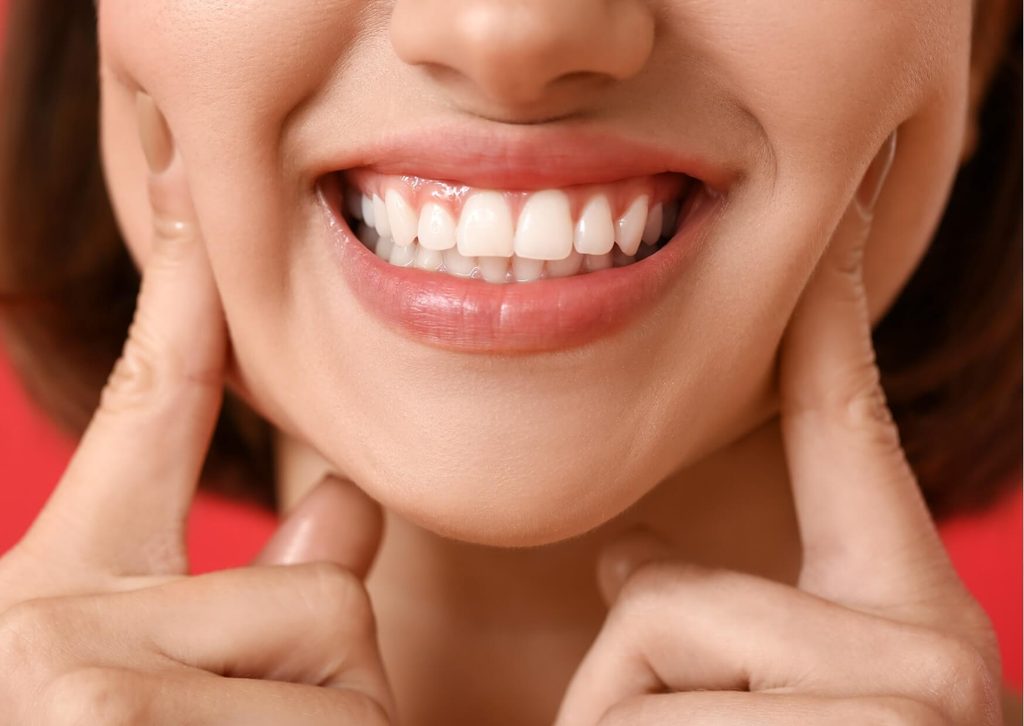
A good candidate has healthy teeth and gums, realistic expectations, and a clearly identified reason for the excess gum display. Active gum disease, untreated decay, smoking or nicotine use, certain medical conditions, and some medications may affect whether treatment should be delayed or modified.
The goal is not to remove as much gum as possible. The goal is balanced tooth, gum, and lip proportions that fit your face and smile.
Irreversible treatment should follow a cause-based diagnosis, ideally supported by photos, measurements, and a discussion of what the result is likely to look like. If the gumline has changed recently, looks increasingly uneven, bleeds often, or is associated with pain or loose teeth, the issue may be medical rather than purely cosmetic.
Schedule a consultation with a cosmetic dentistry provider if gum display affects your confidence or if you want to compare temporary and long-term options. A qualified dentist can also explain whether your care should involve a periodontist, orthodontist, oral surgeon, or another trained specialist.
A cosmetic dentistry consultation can show what is causing your gummy smile and which options are most likely to look natural and last. Call North Atlanta Center for Cosmetic & Implant Dentistry in Buford, Georgia, at (770) 932-1115 to schedule your visit and discuss treatment options for patients in Buford.
Usually not. Gum display is often a normal variation, but redness, swelling, bleeding, pain, or a recent change in the gumline should be evaluated by a dentist.
Botulinum toxin injections are among the least invasive options when excessive upper-lip movement is the main cause. They are temporary and will not correct excess gum tissue, tooth position, or jaw structure.
No. It is most useful when excess gum tissue covers part of the natural teeth and there is enough safe distance between the new gumline and the supporting bone.
Some gum, orthodontic, and jaw treatments can provide long-lasting results, while botulinum toxin is temporary. Longevity depends on the cause, the procedure, healing, oral health, and any long-term retention or maintenance needs.
Procedures done only to change appearance are often considered cosmetic and may not be covered. Coverage may differ when treatment also addresses a functional, periodontal, or bite-related problem, so confirm details directly with your insurer.
Porcelain fixed bridges are dental prostheses that are used to replace missing teeth. They comprise a series of porcelain crowns that are fused and anchored onto the adjacent natural teeth. They are a popular option for people who have lost one or more teeth because they are natural-looking, long-lasting, and functional.
However, like any dental prosthesis, they can pose certain concerns. We will discuss the dental concerns with porcelain fixed bridges and what you can do to mitigate them.
Porcelain fixed bridges are a type of dental bridge that is used to replace one or more missing teeth. Different types of dental bridges are available, but porcelain fixed bridges are a popular option because they are natural-looking, long-lasting, and functional. They consist of a false tooth, a pontic, fused to two porcelain crowns on either side of the gap. The crowns are then anchored onto the existing teeth on either side of the missing tooth, known as abutment teeth.
Porcelain fixed bridges are not the only type of dental bridge available. Traditional bridges are similar to porcelain fixed bridges but are made of metal or ceramic materials instead of porcelain. Dental implants are a more permanent solution to missing teeth but require surgery to implant a metal post into the jawbone.
Overall, porcelain fixed bridges are a popular option for people who have lost one or more teeth and want a natural-looking, functional solution. Your dentist can help you determine if a porcelain fixed bridge is right for you based on your needs and the condition of your remaining teeth.
Fixed bridges offer several benefits, including:
Although fixed dental bridges offer several benefits, they can pose certain concerns. Here are some of the common dental concerns with them:
Decay and Gum Disease
They can make it difficult to clean your teeth and gums properly. If you do not practice good oral hygiene, you may be at risk of developing tooth decay or gum disease. Food particles and bacteria can get trapped between them and your natural teeth, forming plaque and tartar.
Fracture or Breakage
They are durable but can still fracture or break if subjected to excessive force. This can happen if you bite down on hard or sticky foods or suffer a blow to the face.
Bite Problems
They can alter your bite, which can cause problems with your jaw, teeth, and gums. If your bite is not properly aligned, it can lead to jaw pain, headaches, and tooth wear.
Discoloration
They can become discolored, especially if you smoke or smoke dark-colored foods and beverages.
Poor Fit
They need to fit snugly against your natural teeth to be effective. They can cause discomfort, pain, and irritation if they do not fit properly.
To mitigate dental concerns with fixed bridges, here are some tips you can follow:
Good Oral Hygiene
Practicing good oral hygiene is crucial when you have denal bridges. You should brush your teeth twice a day, floss daily, and use an antimicrobial mouthwash to reduce the risk of developing tooth decay and gum disease. You can also use interdental brushes to clean the hard-to-reach areas between your teeth and your porcelain fixed bridge.
Regular Dental Visits
Regular dental visits are important to maintain oral health and ensure that your dental bridge functions properly. Your dentist will check your porcelain fixed bridge for any signs of damage, decay, or gum disease and recommend any necessary treatments or adjustments.
Avoiding Chewing Hard or Sticky Foods
Avoid chewing on hard or sticky foods, such as ice, hard candy, or caramel, as they can damage or dislodge your porcelain fixed bridge. Instead, opt for softer foods, such as cooked vegetables, fruit, and lean protein.
Addressing Bite Issues
If you experience any bite issues, such as discomfort or pain when biting down, or if you notice any changes in your bite, such as a clicking or popping jaw, contact your dentist immediately. They can adjust your fixed bridge to ensure that it fits properly and does not cause any further issues.
Porcelain fixed bridges are a popular option for people who have lost one or more teeth, but they can pose certain dental concerns. To mitigate these concerns, it is important to practice good oral hygiene, visit your dentist regularly, avoid chewing hard or sticky foods, and address any bite issues promptly.
Contact us at North Atlanta Center for Cosmetic & Implant Dentistry if you would like to learn more!
