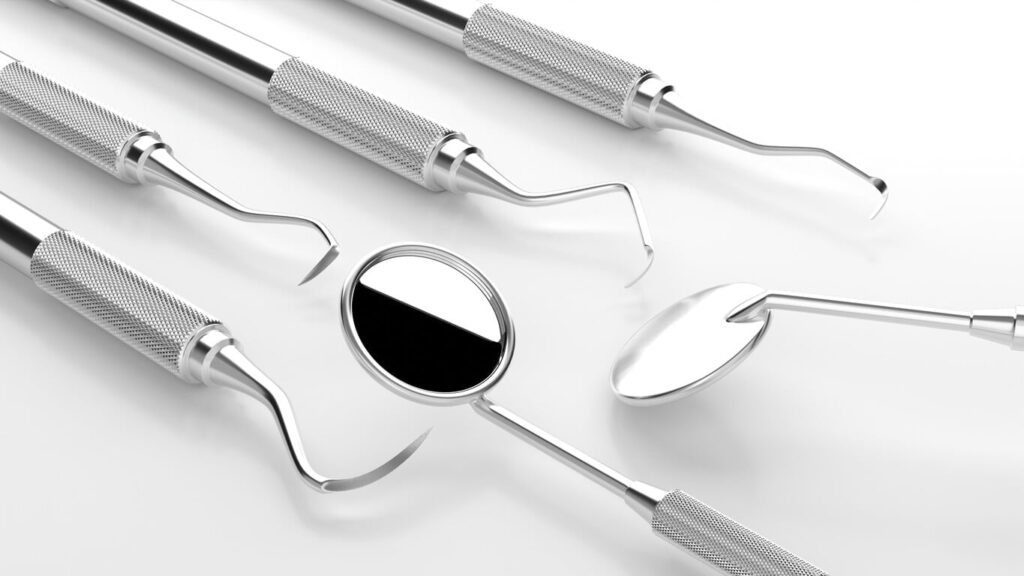
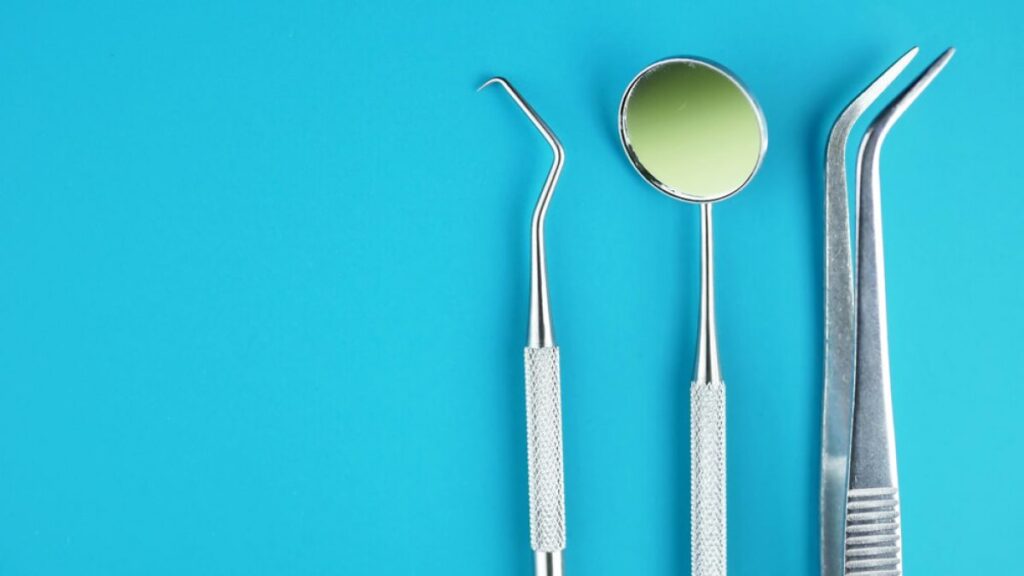
The 8 tools commonly used by general dentists are the mouth mirror, explorer or sickle probe, scaler, excavator, dental drill with burs, suction device, intraoral camera, and dental dam. These instruments are essential for examination, cleaning, treatment, and maintaining a safe and effective dental procedure. Buford Dentist explains how each tool works so you know what to expect during your visit.
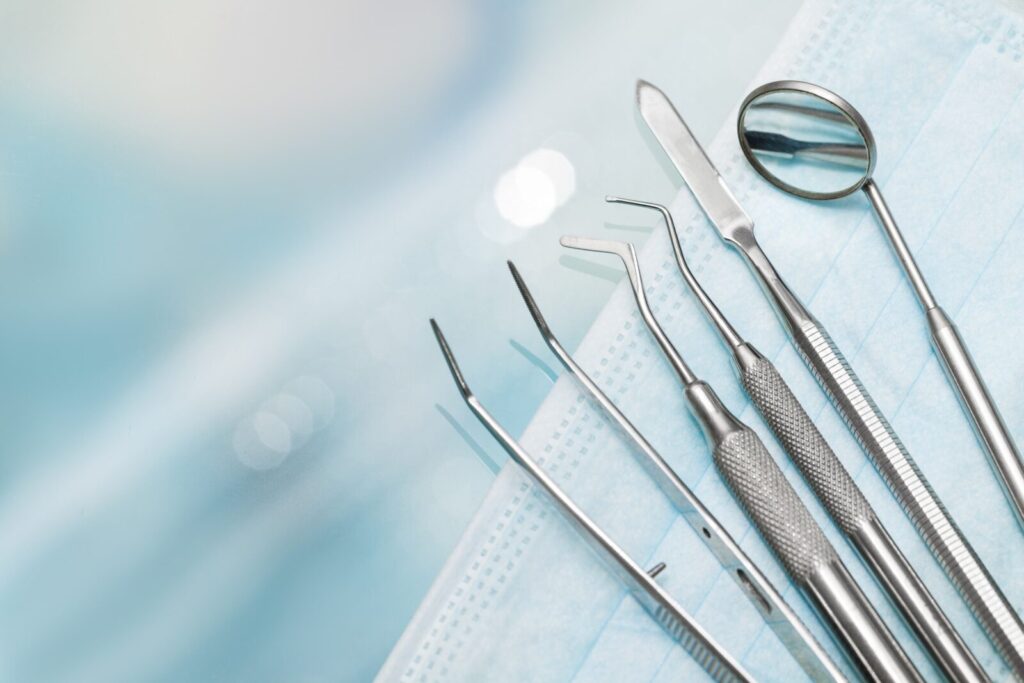
General dentists use specific tools to examine, diagnose, clean, and treat patients. Each instrument has a defined role. Some are for visibility, others for cleaning, and others for restoration. Knowing these tools helps patients feel informed and less anxious during dental appointments at Buford Dentist.
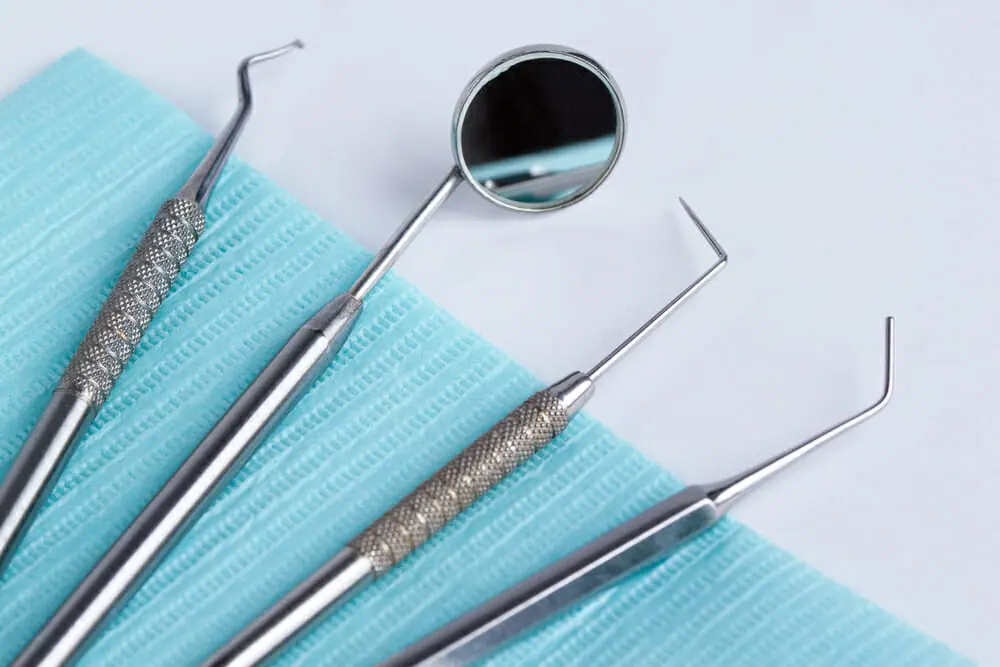
The mouth mirror is a small, circular mirror attached to a handle. Dentists use it to view areas of the mouth that are hard to see directly.
Without this tool, identifying early problems such as cavities or gum disease would be more difficult.
The explorer, often called a sickle probe, is a pointed tool used for detecting problems.
It is one of the first tools you encounter in an exam, as it helps the dentist confirm what is visible on X-rays.
This modern tool helps with diagnosis and patient education.
Patients at Buford Dentist often feel reassured seeing what the dentist sees. It makes treatment recommendations easier to understand.
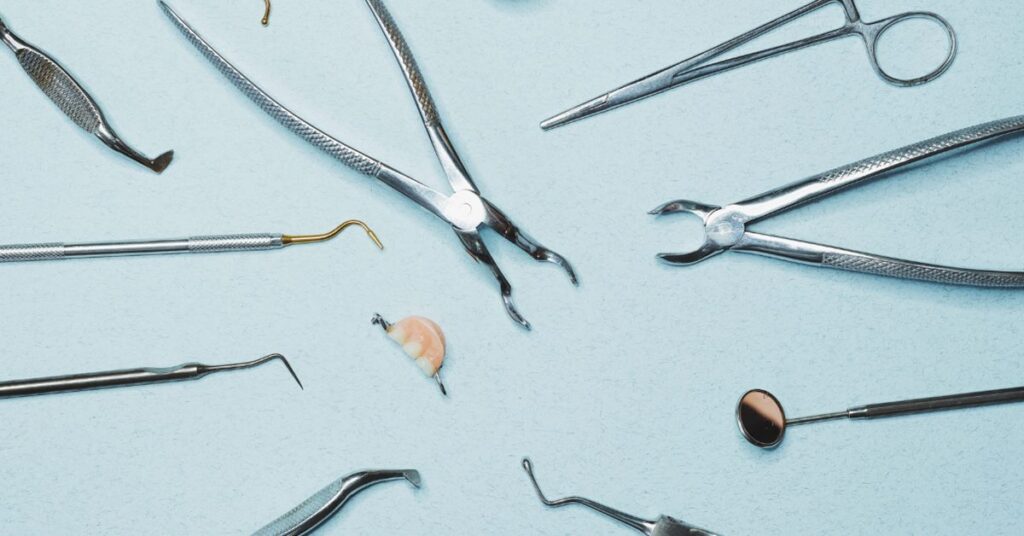
Scalers remove plaque and tartar that regular brushing cannot.
Proper scaling reduces the risk of periodontal disease and supports long-term oral health.
An excavator looks like a small spoon with a sharp edge.
By removing decayed areas completely, the dentist prevents further damage and supports a long-lasting restoration.
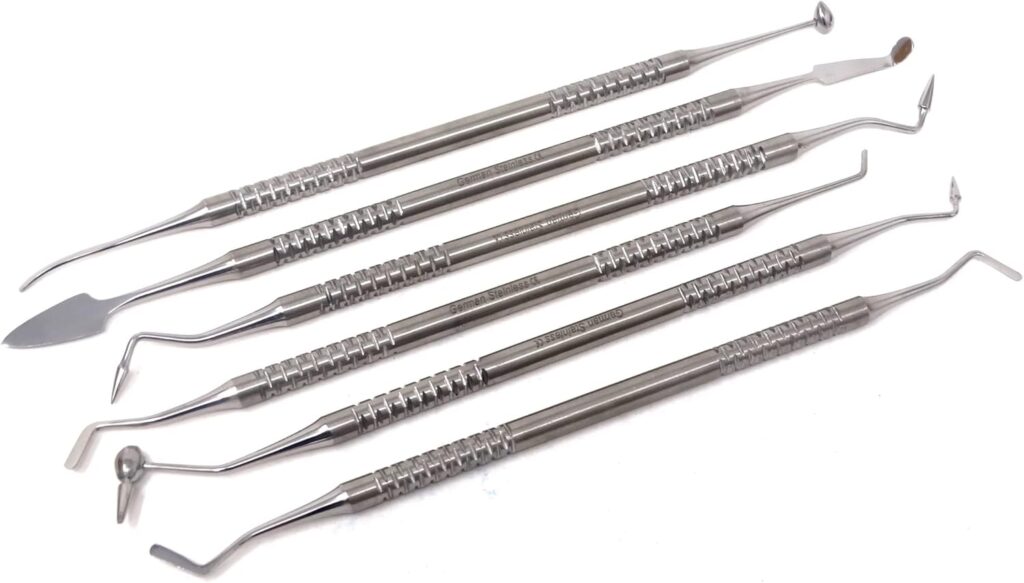
The dental drill, also called a handpiece, is one of the most recognized instruments in dentistry.
This tool is vital for removing decay, preparing cavities for fillings, and shaping teeth for crowns.
The dental dam is a thin sheet, usually made of latex or a latex-free material.
Buford Dentist often uses a dental dam during root canal treatments or fillings for better outcomes.
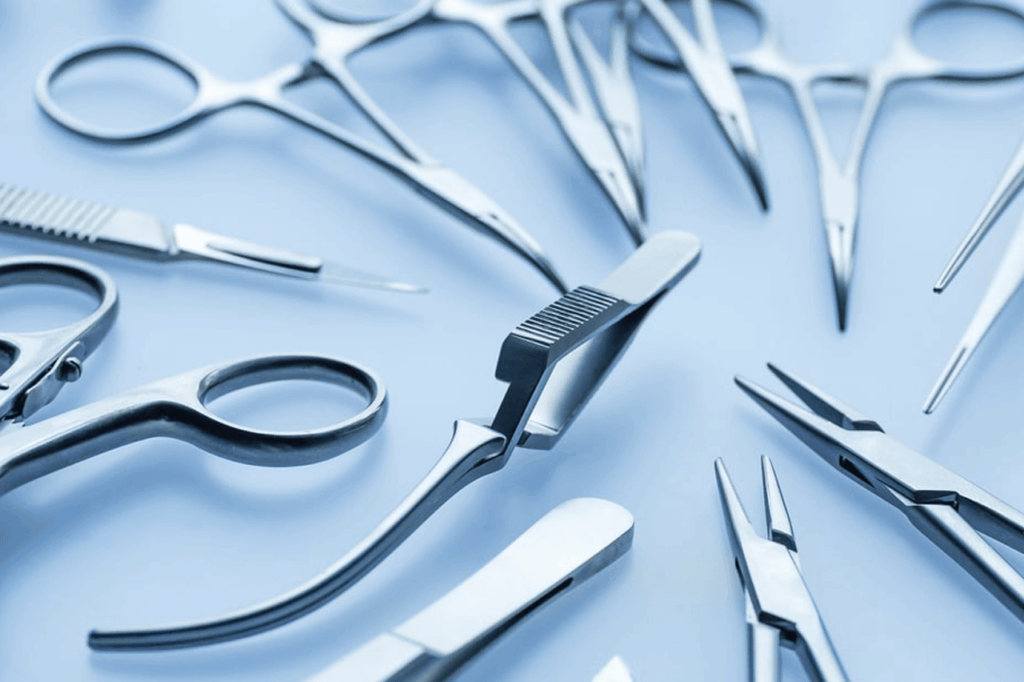
Suction devices, also called saliva ejectors or high-volume evacuators, keep the mouth dry.
Effective suction is critical for many treatments, from fillings to cleanings.
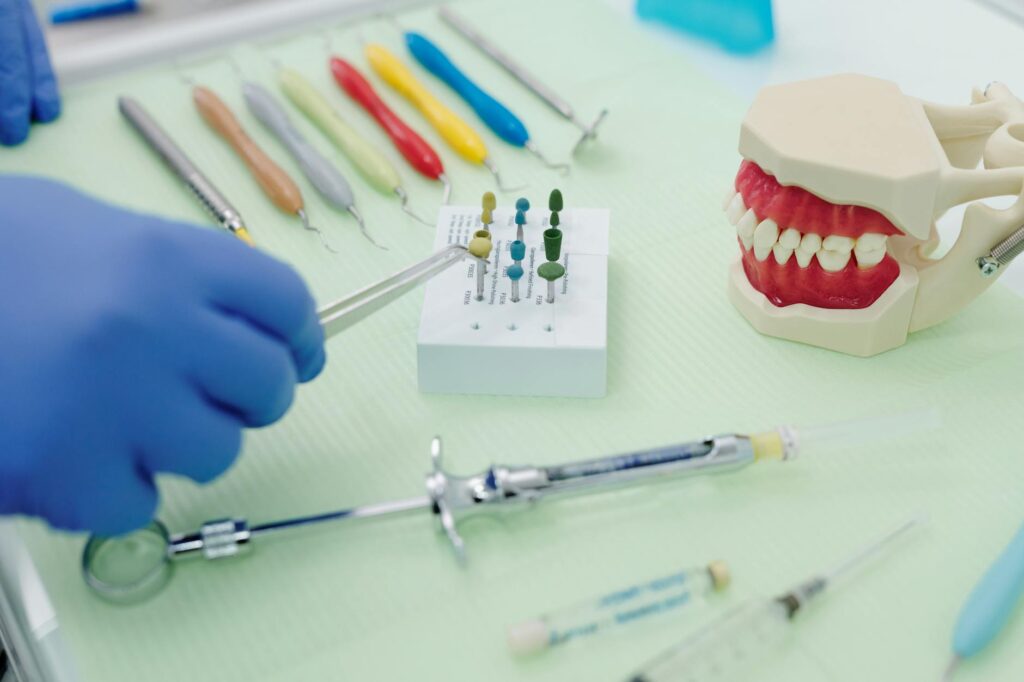
re instruments often used in tooth extractions.
This is an endodontic tool used in root canal procedures.
While not part of every general visit, including these tools shows the broader scope of dentistry.
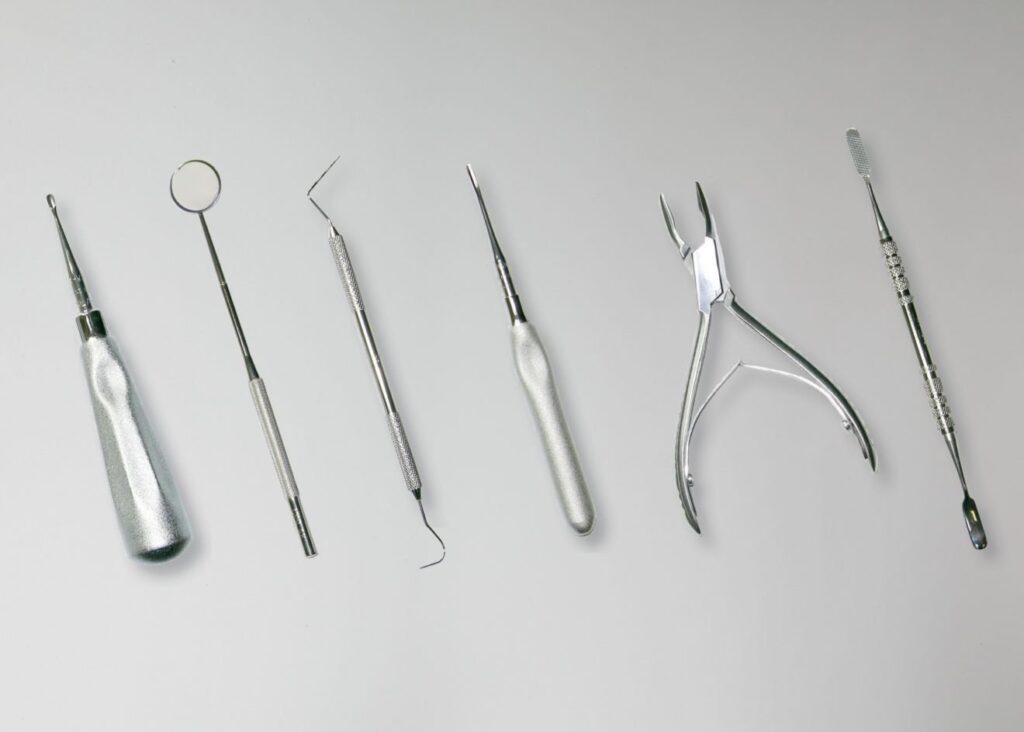
To understand how general dentists work, it helps to group tools by purpose:
This sequence reflects the flow of a typical dental appointment at Buford Dentist.
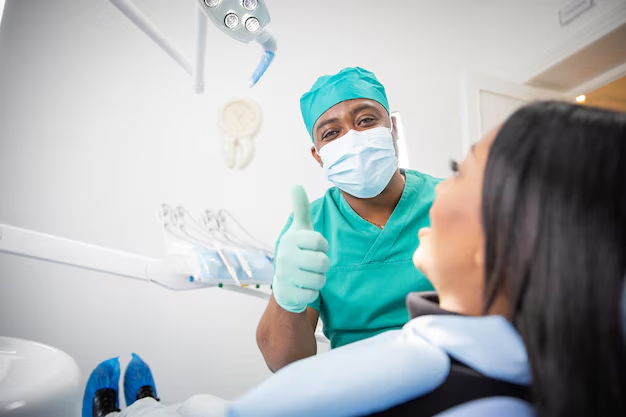
Knowing about these 8 tools reduces fear. Patients often feel anxious about dental visits because they do not know what is happening. By explaining tools such as the intraoral camera or dental dam, dentists empower patients. It shifts the experience from mystery to understanding.
Dentistry has advanced from simple hand instruments to highly precise digital tools. Many clinics now combine traditional tools with digital scanners and lasers. In the future, expect:
The 8 tools commonly used by general dentists are essential for exams, cleaning, treatment, and safety. Each has a specific purpose that contributes to patient care. Understanding them helps patients know what to expect and reduces anxiety. At Buford Dentist, these tools are part of every treatment plan designed to keep your oral health strong.

Getting a filling from a general dentistry provider can be a nerve-racking experience for some patients. It is helpful to have a complete understanding of what a general dentistry filling is and how the process works in order to calm any anxieties about the procedure. When in doubt, be sure to always ask your general dentistry provider questions to gain more information.
By learning more about what a dental filling is and the process that a general dentistry provider uses to apply the filling material, you can be in a better position to make an informed decision about treatment. The following is a general overview of what a dental filling is and how it works.
A dental filling, or dental restoration, is a relatively non-invasive procedure that allows patients with dental decay to restore the appearance and oral health of their teeth. Dental decay, also referred to as enamel erosion or a cavity, occurs when the enamel of a tooth breaks down. This is often the result of a poor oral hygiene routine or a diet that is heavy in sugar and other carbohydrates. Some individuals are simply more susceptible to cavities than others. A dental filling fills the cavity left by enamel erosion with a safe replacement material.
Every patient is unique and each may have a different experience. However, the dental filling from a general dentistry provider typically begins with a consultation visit, during which they can discuss treatment and decide on the most appropriate filling material option. The process involves removing the decayed material, cleaning it thoroughly and filling it with the agreed-upon material.
Early on in the process, the general dentist will explain all filling material options and help the patient decide on the most ideal one. There is a range of material options available to patients during the dental filling process. The most common filling materials include:
Each option has its own pros and cons. Composite resin and porcelain both match the natural shade of teeth, which makes them ideal for front teeth. Silver and gold materials are typically stronger and work better for teeth used more in the chewing process.
After a dental filling, the patient may feel slight numbness and discomfort, which typically goes away within the first 24 hours. The general dentist may also provide aftercare instructions to ensure that other teeth do not develop cavities. These aftercare instructions may include insights on how to brush properly, how often to brush and how often the patient should floss and use mouthwash.
If you have a cavity and need a dental filling, then feel free to reach out to our general dentistry office today to arrange a time for a consultation visit. We offer dental fillings and help patients prevent any additional oral health concerns such as cavities and gum disease long term. Are you considering general dentistry in the Buford area? Get more information at https://buforddentist.com.
Check out what others are saying about our services on Yelp: Read our Yelp reviews.
It is recommended to take your child to a dentist from a young age. However, you might be wondering if you can take them to a general dentist. The answer is that yes, you can. You will want to check your dentist’s policies, though. Some dentists will not see a child younger than a specified age.
Often, a general dentist will treat patients of all ages, including children. However, parents will want to look for some things in this type of dentist before bringing in a child. For example, it is important for them to have the right temperament for working with children. The right dentist will be able to understand how a child might feel. That allows the dentist to make the child feel more comfortable. Some dentists will explain different oral care procedures to the child. The staff should also have training in how to work with children or infants. Any general dentist who works with children should have the right equipment. For younger children, smaller equipment is necessary. This will protect the fragile primary teeth. The dentist should also have a good understanding of the different developmental stages for teeth. When the dentist knows how the jaws and teeth should develop, any potential issues can be easily spotted. Any orthodontic concerns can be spotted and addressed now too. The right dentist will know how quickly a child’s teeth can change. If necessary, a parent may need to see if the general dentist works with special needs children. For example, a young patient may be chronically ill, mentally challenged or otherwise disabled. With some conditions, the care must be tweaked to fit the child. Some dentists have good experience with this. Parents will want to see if the environment will be friendly for children. Some offices will have kid-friendly décor or even toothpaste specifically for kids. However, at the very least, the office should be comfortable and pleasant. With the right dentist, the child may even look forward to making a dental visit.
Parents will want their child to have a good experience. This includes picking out a good dentist. Parents should visit the office before bringing in a child. The parent can meet the dentists and staff ahead of time. Many dentists understand that a child may feel apprehensive or anxious. The dentists will often give the parent a tour of the office. The parent will also want to ask about the dentist’s training. All dentists need to be approved by a board that oversees that area. The dentist needs to show both expertise and knowledge to be approved.
Parents can also get recommendations from family members or friends. A good dentist will often get strong positive recommendations from current or past patients. Parents can ask other people who have children. That way, a parent can pick a general or pediatric dentist with a good reputation.
Request an appointment here: https://buforddentist.com or call North Atlanta Center for Cosmetic & Implant Dentistry at (770) 932-1115 for an appointment in our Buford office.
Check out what others are saying about our services on Yelp: Read our Yelp reviews.
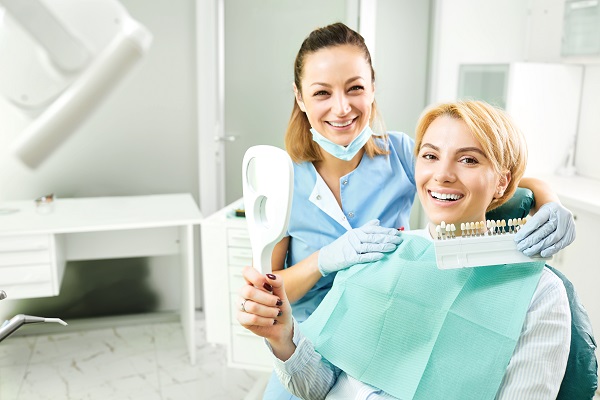
When it comes to getting a bright smile, many people go to a family dentist for teeth-whitening treatments. However, there are a few ways that you can whiten your teeth from the comfort of your own home. These methods include whitening toothpaste and whitening trays from your family dentist. To learn more, it is important to know a bit more about why your teeth may not be perfectly white.
There are many reasons why a patient’s teeth may not be completely white. Smoking can eventually cause the teeth to have a grayish or brownish cast to them. Some types of beverages can also cause stains, especially coffee, soda and dark tea. Poor oral hygiene can be a culprit as well. However, other people’s teeth simply are never white, and this is because of genetics. The good news is that whitening treatments can help. It is important to note that even after whitening treatments, a patient’s teeth may not be pure white. In fact, a patient may not want their teeth pure white. When a patient gets an in-office whitening treatment, the dentist will work with the patient to determine the right shade of white according to that patient’s hair, skin and eye color.
A family dentist may recommend that a patient use a toothpaste that is specially designed to whiten the teeth. These types of toothpaste most often contain baking soda or hydrogen peroxide along with all of the other toothpaste ingredients. The baking soda and hydrogen peroxide have a natural whitening effect that can cause noticeable results after a while. These types of toothpaste should be used sparingly because they can eventually cause the enamel of the teeth to wear down.
A family dentist can also give a patient a set of home whitening trays. These trays have been custom-designed to properly fit the patient’s mouth so the teeth will be evenly whitened. The patient will place the whitening solution in these trays and then fit the trays over the teeth. The patient may need to use these whitening trays a few times to get the desired results. It is important for patients to note that no matter what whitening treatment is used, the results will need to be maintained. This is especially true if the patient drinks many sugary beverages or smokes. However, normal eating and drinking can also cause the teeth to dull after several months. The patient can use the whitening trays every several months to maintain a bright, beautiful smile.
If you are looking for immediate, bright results, then you may want to consider in-office treatments. However, there are some home teeth-whitening remedies that you can opt for as well. Whitening toothpaste and whitening trays from your family dentist can both be viable options. It is important to consult with your family dentist before beginning any whitening treatments. Request an appointment here: https://buforddentist.com or call North Atlanta Center for Cosmetic & Implant Dentistry at (770) 932-1115 for an appointment in our Buford office.
Check out what others are saying about our services on Yelp: Read our Yelp reviews.
December 12, 2024
Buford Dentist offers several recommended special programs to save money, including membership plans, discount cards, nonprofit and dental school options, and seasonal specials. These programs reduce costs for preventive and restorative care, helping patients afford treatment without relying only on insurance.

Dental care in Buford is expensive because treatment involves skilled professionals, advanced equipment, and specialized materials. Preventive visits like exams and cleanings may feel manageable, but procedures such as crowns, implants, or orthodontics add up quickly.
Dental healthcare costs in Buford often reflect national trends.
Affordable Buford dental care becomes challenging when families face multiple treatments in a single year.
Traditional dental insurance has limitations. Annual maximums are often capped at $1,500, leaving patients responsible for additional costs. Premiums are high, and coverage for cosmetic or advanced procedures is rare. Many patients find themselves paying out of pocket even with insurance.

Buford Dentist recommends several programs that reduce costs for individuals and families. These options support patients who lack insurance and those seeking more value from their dental budget.
Buford dental savings plans, also known as in-office membership programs, provide direct discounts without insurance.
Example: If a crown costs $1,200, a membership discount could lower the price to $800, saving $400 in a single procedure. Over a year, patients who need restorative work recover more than the membership fee in savings.
Buford Dentist highlights programs like Smile Moore Dentistry’s Dental Memberships and Smile Savers Club. Both offer preventive care plus discounts on other services.
Discount dental cards connect patients with a network of providers at reduced rates. These differ from insurance because they have no deductibles or waiting periods.
Popular options near Buford include:
Comparison of plans:
| Plan | Annual Fee | Average Savings | Best For |
|
Aetna Vital Savings |
$120 |
15-50% |
Families seeking wide provider network |
|
Cigna Dental Savings |
$100 |
10-40% |
Patients needing preventive and restorative discounts |
|
DentRite |
$80 |
20-40% |
Individuals without insurance looking for low entry cost |
Buford Dentist often advises patients to compare these networks with their provider list before joining.
For those facing financial hardship, nonprofit dental clinics offer care at reduced cost. Georgia Dental Association lists several programs that help patients in need.
Local options include:
These clinics may have longer wait times, but they serve as an essential safety net for uninsured or low-income residents.
Dental school clinics offer reduced cost care performed by students under supervision of licensed dentists. Buford residents benefit from nearby schools such as Emory University School of Dentistry and Georgia Dental College.
Savings often range from 30 to 60 percent. While appointments take longer, the lower fees make it worthwhile for patients needing restorative or surgical work.
Many Buford dental offices run limited-time promotions. Examples include:
These promotions encourage patients to schedule during slower seasons, while giving them significant cost reductions. Buford Dentist recommends asking about current specials when booking an appointment.

Selecting the right program depends on your personal dental needs and financial situation.
Patients who visit only for preventive care often benefit most from membership plans. Those expecting multiple procedures in a year save more with discount cards or dental school services.
Look at both the upfront cost and the long-term benefit.
Cost savings mean little without reliable care. Choose a trusted Buford dentist near you. Check online reviews and ask if the practice participates in your chosen program.

Buford Dentist patients often share stories of significant savings.
These examples show how programs adapt to different patient needs.
| Program Type | Typical Annual Fee | Estimated Savings | Best For |
|
Membership Plan |
$200–$400 |
15-50% |
Families needing preventive and restorative care |
|
Discount Card |
$80–$120 |
10-50% |
Individuals without insurance |
|
Non-profit Clinics |
Low or sliding scale |
Up to 70% |
Low-income or uninsured residents |
|
Dental Schools |
Varies |
30-60% |
Patients open to longer appointments |
|
Seasonal Specials |
None |
$100–$500 per treatment |
New patients or elective treatments |
A membership or discount program offered by dentists that lowers costs for preventive and restorative care without using insurance.
Savings range from 10 to 50 percent depending on the procedure and provider network.
Yes. Clinics connected with the Georgia Dental Association and community health centers provide safe and affordable treatment with professional oversight.
Dental students provide treatment under supervision, offering quality care at 30 to 60 percent lower fees.
Options include Buford Dentist membership plans, discount cards, nonprofit clinics, dental schools, and seasonal specials.
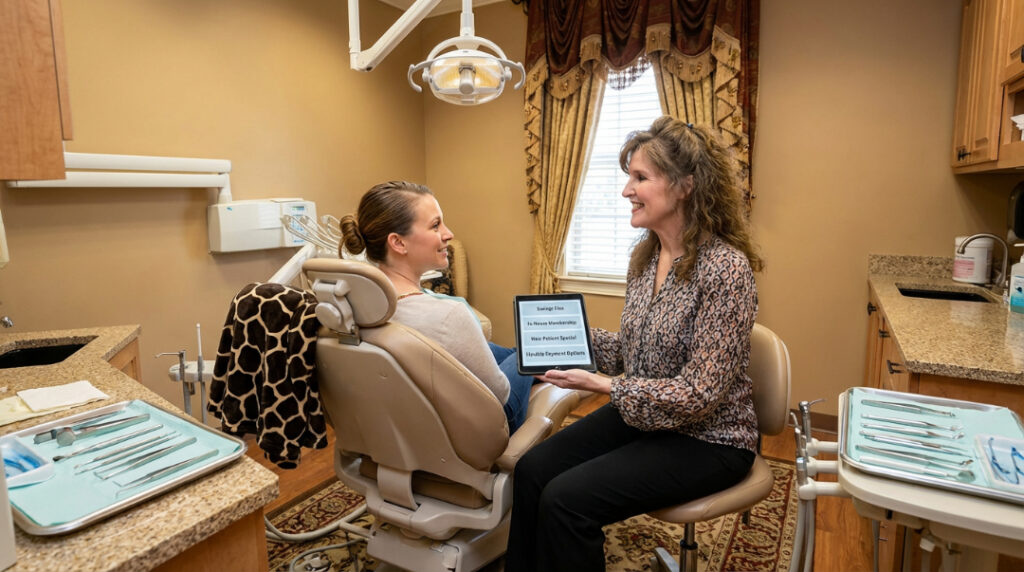
Buford Dentist encourages patients to ask specific questions before choosing a program.
Asking directly ensures you maximize your savings and receive the care you need.
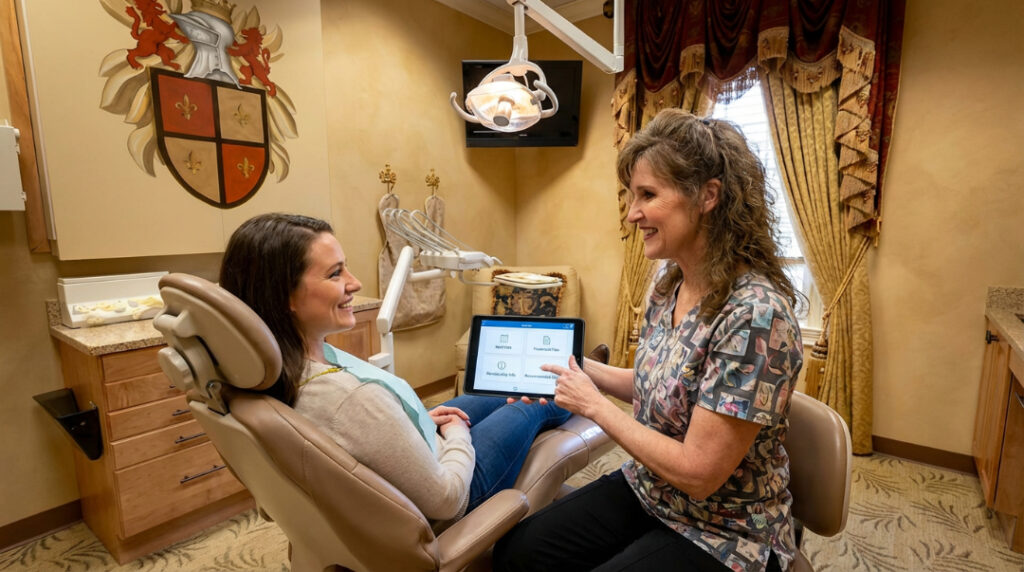
If you want affordable dental care, start by contacting Buford Dentist and nearby practices. Request details about membership plans, current specials, and accepted discount cards. For those without insurance, explore charitable clinics and dental schools.
Saving money on dental care in Buford is possible. With the right program, patients reduce costs while still receiving professional treatment. Whether through membership plans, nonprofit services, or seasonal
The fastest way to beat bad breath is to keep a consistent oral hygiene routine, stay hydrated, clean your tongue, and schedule regular dental checkups. You also need to avoid odor-causing foods, use an antibacterial mouthwash, and support saliva flow with sugar-free gum or water. These six proven steps give you both quick relief and long-term fresh breath.
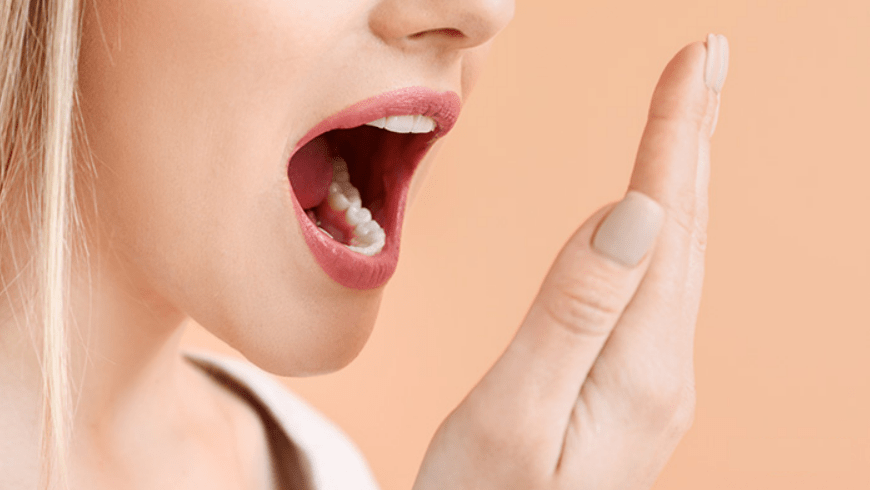
Bad breath, also called halitosis, is caused by bacteria in your mouth producing sulfur compounds. These bacteria thrive on leftover food particles, poor oral hygiene, and a dry mouth. Gum disease, cavities, and tonsil stones make the problem worse. Even diet, medications, or health conditions can contribute.
At Buford Dentist, we see patients every day who deal with chronic halitosis. The key is knowing the root causes and addressing them with a complete strategy, not short-term cover-ups.
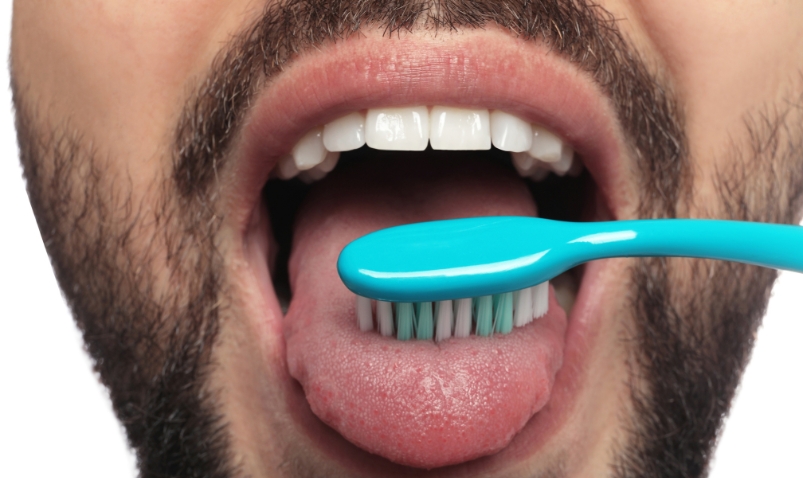
Bad breath often starts on the tongue. The tongue’s surface has small grooves that trap bacteria and food.
What to do:
A clean tongue lowers sulfur compounds, which are the main cause of foul odors.
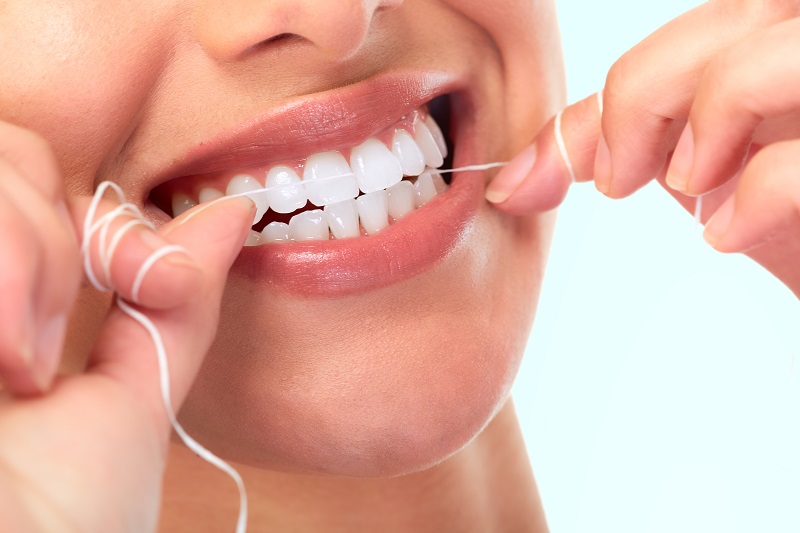
Flossing removes food particles stuck between teeth that brushing misses. When you skip flossing, bacteria break down these particles overnight and create strong odors.
Tips for flossing:
Daily flossing protects against gum disease and keeps your breath cleaner.

Dry mouth is one of the biggest causes of bad breath. Saliva naturally washes away food debris and neutralizes acids. Without enough saliva, bacteria multiply quickly.
How to manage dry mouth:
Hydration supports your oral microbiome and keeps breath fresh longer.
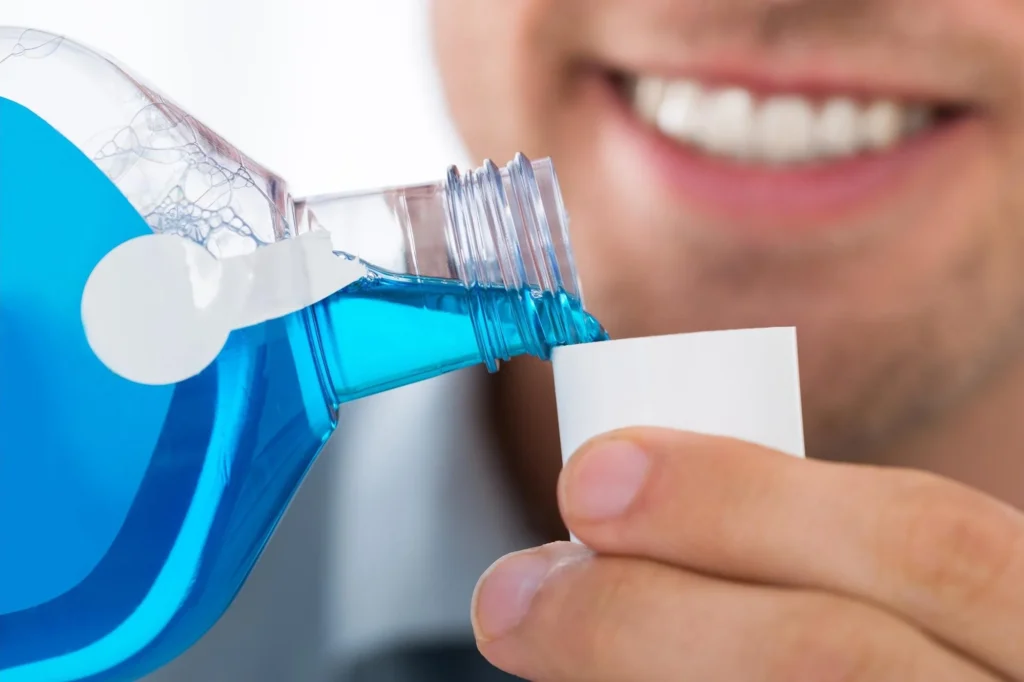
Mouthwash helps reduce odor-causing bacteria, but not all formulas are equal.
Best practices:
Mouthwash supports your oral hygiene routine by lowering harmful bacteria counts.

Food choices directly impact your breath. Garlic, onions, and coffee release strong-smelling compounds that linger in the mouth and bloodstream. Sugary foods also encourage bacteria growth.
Diet adjustments:
Your diet influences both immediate breath freshness and long-term oral balance.
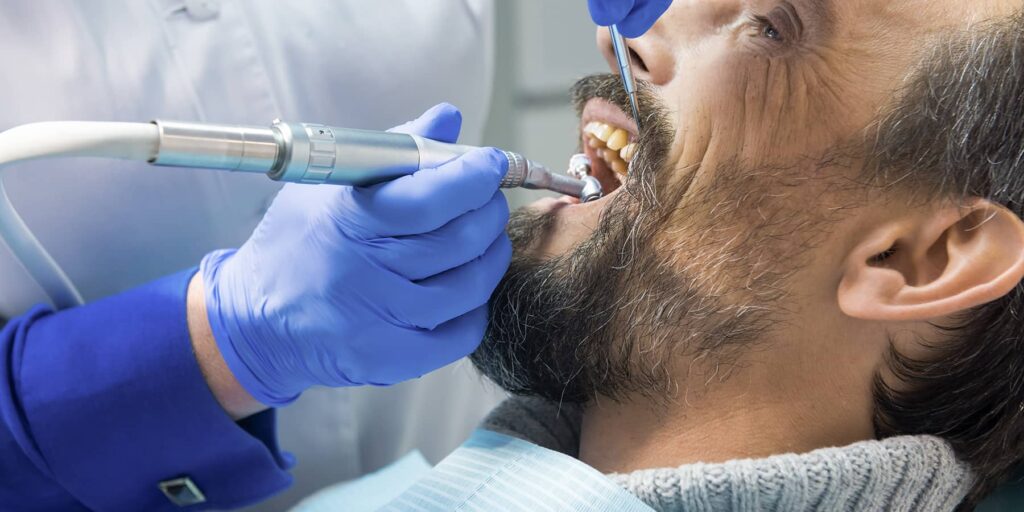
Persistent bad breath often signals deeper dental issues like gum disease, cavities, or infections. Only a dentist can identify and treat these properly. f you’re looking for a trusted provider, visit our General Dentist page to learn about comprehensive care options.
What to expect during visits:
At Buford Dentist, we recommend dental visits every six months for prevention and early intervention.

Most people think brushing and mouthwash are enough. In reality, stubborn bad breath often requires advanced steps.
Extra measures:
Addressing halitosis is about consistency and science-backed methods.

Beating bad breath is not about one-off fixes but about creating lasting habits.
Long-term prevention tips:
This habit-based approach ensures you stay confident in daily interactions.

If you suffer from chronic dry mouth, you face extra challenges. Medications, aging, and health conditions make it worse.
Dry mouth remedies:
These steps combined with routine hydration give better control over halitosis in dry mouth sufferers.

Studies show that about 25 percent of people worldwide deal with chronic bad breath. Research links halitosis strongly with gum disease, tongue coating, and dry mouth.
Key findings:
Backing your habits with research ensures confidence in what truly works.

Beating bad breath is about consistency, awareness, and the right techniques. The six tips of brushing and tongue cleaning, flossing daily, staying hydrated, using the right mouthwash, adjusting diet, and scheduling checkups cover all key causes.
By following these steps and working with Buford Dentist, you can move from quick fixes to lasting results. Fresh breath supports your health, relationships, and confidence every day.

A dental check-up is one of the most important things to have done. General dentists recommend that check-ups be had at least twice a year. People of all ages should make these appointments a priority, so find out why below. Just like doctors’ appointments, dentist appointments also play a crucial role in a person’s overall health. In this article, we go over why dental check-ups are important and necessary. This information can be helpful to someone struggling to understand the need for routine dentist appointments.
Thinking about skipping that next dentist appointment? Read on to find out why that’s not a good idea.
Having dental check-ups done twice a year allows the dentist to examine and evaluate a person’s oral health. Oral health is important for a person to maintain good overall health too. The gums, teeth and all around the mouth will be carefully examined. The dentist will check for any abnormalities that may be standing in the way of good oral health.
While oral and dental health goes hand-in-hand, they aren’t necessarily the same thing. Oral health refers to the entire mouth, while dental health refers to the teeth and gums that support the teeth. Dental check-up appointments allow a dentist to ensure that a person’s dental health is also in good shape. They will examine each tooth, as well as the surrounding gums. During the appointment, recommendations such as better brushing habits may be given to improve dental health.
Another reason why dental check-ups are necessary is that it allows the patient to receive preventive care. Dentists can take preventive measures for a person’s teeth or gums if there is a concern. Sealants can be placed over vulnerable teeth or fluoride treatments can be completed to strengthen the enamel. Preventive care is a very important part of maintaining good oral and dental health.
Having a professional teeth or gum cleaning can be quite helpful to the overall well-being of a person’s mouth. While most people do brush and floss the teeth appropriately, nobody can do it as well as a hygienist or dentist can. Maintaining routine dental check-up appointments will allow for a thorough and professional cleaning to take place to ensure that the teeth are clean and healthy. These cleanings will also give the patient a chance to understand how to improve dental hygiene habits.
Dental check-up appointments are a very important part of maintaining good health. Without them, a person’s oral and dental health is at risk. These check-ups also give patients the chance to speak freely with a dentist about concerns or questions that may arise. If you would like to get scheduled for a routine dentist appointment, then reach out to our office so that we can help you. Our dentists welcome and encourage routine dental check-ups. Give us a call or stop by today. Request an appointment here: https://buforddentist.com or call North Atlanta Center for Cosmetic & Implant Dentistry at (770) 932-1115 for an appointment in our Buford office.
Check out what others are saying about our services on Yelp: Read our Yelp reviews.
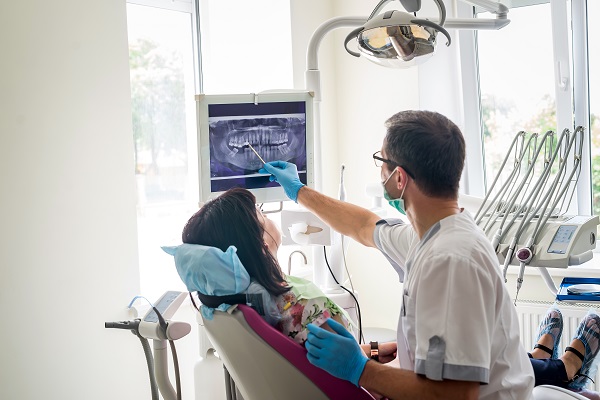
It is common knowledge that oral health is important and includes regular visits to the general dentist. However, due to busy schedules, there is hardly any time to keep up with those appointments, especially if people do not know what to expect. Routine dental appointments help ensure that potential issues never develop or get out of hand. In this article, you will learn about the importance of regular visits to the general dentist and what to expect.
The general dentist will oversee the patient’s appointment, assisted by one or two experienced dental assistants and a dental hygienist if a dental cleaning is necessary. The following section explains what happens during a visit to the general dentist:
In the dental office, the general dentist will ask questions to learn about the patient’s oral health. The patient may need to provide information like the current medications they use, ongoing treatment procedures, allergies and smoking or drinking habits. The dentist will want to know if the patient has a medical condition that is under treatment. The dentist may also inquire about previous dental procedures, surgeries, and history with anesthesia. With the information that the patient provides, the dentist will be able to take an informed step toward developing an effective treatment plan.
The dentist will then proceed to carefully evaluate the patient’s teeth, jaws, gums and supporting structures. To help with the process, they may request X-ray scans. The images can reveal dental abnormalities that may be hidden from the naked eye. X-rays are not usually necessary at every dental appointment and are only used when the dentist suspects a condition. The dental exam and results from the X-ray can also help the dentist evaluate the patient’s risk for potential dental problems. This will allow them to take preventive measures before the problem escalates. They will also teach patients on precautions to take to limit the risks of oral problems.
During the meeting, the general dentist will clean off tartar that usually forms on the teeth and gums. Ultrasonic equipment for tooth cleaning is becoming popular. After removing tartar from the teeth, the dentist will polish the patient’s teeth and give instructions for oral hygiene to maintain good oral health.
With the rising number of oral cancer cases, many dentists now include an oral cancer screening during dental appointments. Oral cancer can be life-threating and spread quickly if undetected early. An early oral cancer diagnosis is important for easy treatment. General dentists are trained to detect early signs, and the chances of early diagnosis are higher. The dentist will examine the soft tissues of the mouth and the jaw areas for signs of oral cancer.
Avoiding dental appointments may not seem like a big problem, but oral issues can develop and spread rapidly without timely detection and intervention. Visiting the general dentist regularly for checkups, exams and cleanings can save you from oral health problems in the future. Request an appointment here: https://buforddentist.com or call North Atlanta Center for Cosmetic & Implant Dentistry at (770) 932-1115 for an appointment in our Buford office.
Check out what others are saying about our services on Yelp: Read our Yelp reviews.
December 12, 2024

Flossing is one of the most important steps in daily oral hygiene, but so many people skip it! General dentists urge all their patients to floss at least once a day to ensure that their teeth and gums stay healthy. Going without flossing can cause serious oral health problems that may be impossible to reverse. Learning about the importance of flossing and what can happen if it is regularly skipped is important. While it is necessary to consult with a general dentist about specific concerns regarding oral health and flossing, the information provided here provides a brief overview of what you can expect when flossing is skipped.
It is important to floss! Below, you can find out what may happen if you do not.
When the spaces between the teeth are not cleaned out through flossing, plaque can form. Plaque is a bacteria-infested film that coats the surface of the teeth. It typically forms when brushing or flossing is skipped. Tartar is the hardened version of plaque. General dentists have to scrape tartar from teeth once it has hardened; patients are not advised to do so because it can pose enamel risks. In the long term, when flossing is not done regularly, the plaque between teeth will turn to tartar.
Another thing that can occur when flossing does not take place is bad breath. Food that gets stuck between teeth can usually only be removed through flossing. If these food particles are not removed, they will likely cause an unpleasant smell. Because plaque and tartar both contain bacteria, the entire mouth usually suffers. The bacteria will build up between the teeth and release an unpleasant odor, causing bad breath.
If patients go without flossing for a long time, they are likely to form gum disease or periodontal disease. When this occurs, a general dentist is unlikely able to treat it. Instead, the patient will have to visit a gum specialist, otherwise known as a periodontist.
Although the gums are mainly affected by not flossing, so are the teeth. When there is left-behind food or bacteria in between the teeth, cavities may form. General dentists often find cavities in between teeth, which can be a direct result of not flossing.
It is necessary to floss on a regular basis, which is at least once a day. General dentists urge patients of all ages to floss to ensure good oral health. Going without flossing can put patients at risk of plaque buildup, which can turn into tartar. Long-term tartar can cause gum disease or cavities, both of which can result in the need for tooth replacement. If you have further questions about flossing, then reach out to our team today. Our general dentists can provide more information on the importance of oral hygiene. Give us a call or stop by our office!
Request an appointment here: https://buforddentist.com or call North Atlanta Center for Cosmetic & Implant Dentistry at (770) 932-1115 for an appointment in our Buford office.
Check out what others are saying about our services on Yelp: Read our Yelp reviews.
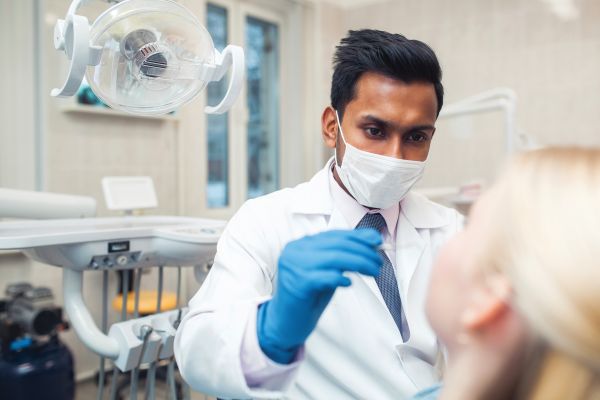
If you want to maintain a healthy smile, you need to visit the general dentist regularly. The dentist at a general dentistry office provides an assortment of services to keep your smile healthy and bright. Find out what procedures you can get at your local dentist. Then schedule an appointment with your dentist as soon as possible.
Offices of general dentistry provide an array of procedures. These procedures fall into three categories. General dentists provide preventative, restorative and cosmetic services. Here are the details on these services and why each category is important for a person’s dental health.
Many people go to the general dentist to get preventative services. Dental insurance covers preventative services two times a year or every six months. Preventative services include dental exams, X-rays and professional cleanings. This category can also include dental sealants. Sealants protect teeth that have deep grooves, so they do not become decayed. Dentists also offer treatments for those who have early-stage gum disease. For example, patients can go through a root scaling and planing procedure. The general dentist cleans bacteria from under the gums and evens the surfaces of the roots. This allows the roots to reattach to the tissue and prevents the progress of gum disease.
People also go to the general dentist for restorative services. General dentists remove decayed and damaged areas of the teeth and restore them so that they function once again. If the tooth cannot be saved, the dentist can pull it. Restorative services include dental fillings, root canal therapy, implants and crowns. Dentists usually try to provide the most conservative restorative service possible.
Many people do not realize that general dentists also offer cosmetic services. These services brighten smiles. Teeth whitening is a popular procedure that general dentists offer. Dentists use professional-grade whitening kits and lasers to speed up the whitening treatment. While at-home kits involve several treatments, in-office kits only require a single treatment. Dentists also send patients home with tips to maintain the whiteness of their teeth. General dentists also offer veneers. Dental veneers are wafer-thin pieces of porcelain that are bonded to the front of the teeth. Dentists use the veneers to cover chips, cracks, discoloration and other cosmetic issues. Veneers are minimally invasive and last for years. People also go to the dentist for dental bonding. Dentists use a composite resin material that matches the natural teeth. The composite resin is placed on the teeth to correct imperfections. Bonding is used to close gaps in teeth, hide chips and cover up discoloration.
You should visit the general dentist two times a year. The general dentist offers preventative, restorative and cosmetic procedures. These dental services will keep your mouth healthy and your smile bright. If you have yet to visit the general dentist this year, make an appointment so you can protect your teeth and gums. Request an appointment here: https://buforddentist.com or call North Atlanta Center for Cosmetic & Implant Dentistry at (770) 932-1115 for an appointment in our Buford office.
Check out what others are saying about our services on Yelp: Read our Yelp reviews.
