
A dental cleaning is an essential part of maintaining good oral health. When performed by a general dentist, it offers an array of health benefits, including good gum health and optimal overall health. It may be surprising to learn that a simple dental cleaning can be so beneficial. Becoming familiar with these advantages can be helpful when considering contacting our general dentistry practice in the Buford area.
Outlined below are a few benefits associated with dental cleanings from a general dentist.
The health of the gums relies heavily on routine dental cleanings with a general dentist. During the appointment, the dentist cleans along the gum lines, which is crucial for removing plaque and tartar buildup, both of which contribute to gum disease. When a routine dental cleaning is done at least twice a year, the gums are much more likely to remain in good health.
An obvious but important benefit of a dental cleaning is that the teeth are much more likely to remain in optimal condition. Dental cleanings target the teeth, both the undersides and front sides, which ensures that any buildup is removed. Buildup on the teeth usually consists of plaque and tartar, both of which can lead to cavities and eventual decay. However, if plaque is removed on a regular basis during a dental cleaning then tartar is less likely to develop, which in turn results in healthy teeth that are free of tartar and potential cavities.
Having a dental cleaning does not just benefit oral health. It may be surprising for many to find out that healthy teeth and gums often results in a healthier body, which is one of the benefits of undergoing routine dental cleanings. When the teeth or gums are in bad shape due to cavities or gum disease, the infection can actually be transferred to the rest of the body. Infections can travel through the bloodstream and enter into other parts of the body, such as the heart.
Gum disease in particular is something that can easily be prevented through professional dental cleanings with a general dentist. When dental cleanings are not done on a regular basis, gum disease may develop, which can put individuals at risk of developing other health conditions, such as heart disease or diabetes.
Cavities too can be prevented through routine dental cleanings. When cleanings are skipped or delayed, the teeth begin to suffer from plaque and tartar buildup, which can lead to cavities. Cavities are infections in the teeth that cause decay over time. When the teeth begin to decay, the health of the jaw can suffer. Decay leads to missing teeth, which can result in a deteriorated jaw. Once the jaw starts to deteriorate, one's entire craniofacial health can plummet.
When considering a dental cleaning, it can be helpful to consult with a general dentist. An evaluation can be done in order to identify further benefits. Reach out today to find out more or to get started with a cleaning.
Request an appointment here: https://buforddentist.com or call North Atlanta Center for Cosmetic & Implant Dentistry at (770) 932-1115 for an appointment in our Buford office.
Check out what others are saying about our dental services on Yelp: Dental Cleaning and Examinations in Buford, GA.

Everyone should have a dental checkup at least twice a year. Ignoring these critical visits can lead to adverse effects on your oral health. If you have not seen your Buford dentist in several years, you may not be aware of what occurs at these appointments. It is normal to have some anxiety as you prepare to go to the dentist’s office. However, if you learn more about the care and treatments your dentist will provide, you can feel more at ease.
Even people who take good care of their teeth should go to the general dentist twice a year. These examinations help the dentist identify possible oral health concerns such as tooth decay or gum disease. At a checkup, the dentist and hygienist will also give the patient a deep cleaning of the teeth and gums. Patients can raise concerns and ask questions about their dental health. The dentist can also teach effective brushing techniques and talk about restorative treatments and preventive care.
The dental checkup appointment will usually begin by the dentist reviewing the patient’s health history. This will include evaluating the person’s recent treatments or any current conditions. An assistant will then take X-rays so the dentist can get a detailed look at the teeth. X-rays will also review problems such as cavities, infections, and bone loss, among other things.
Cavities and gum disease are often the result of plaque and tartar buildup. When a person eats, the food and saliva left behind can leave a sticky residue known as plaque. If this is not removed, it hardens into tartar. This introduces bacteria to the tooth, which can eat away at the enamel and get deep into the roots and pulp. At a dental checkup, the hygienist will scrape away this buildup from the gumline and in between the teeth.
Using an ultrasonic brush and a gritty toothpaste, the hygienist will begin to clean the patient’s teeth. This process can further remove plaque and tartar. It can also help get rid of stains and give the teeth an attractive look. The tools that the hygienist will use are more powerful than a brush a patient could use at home.
The final part of a dental checkup comes courtesy of the dentist. After reviewing the X-rays, the dentist talks to the patient about any concerns that showed up on the pictures. The dentist will also do an examination with the naked eye. There may even be an oral cancer screening. The dentist can answer questions and provide oral hygiene instruction.
Your dentist has the knowledge and training to address the biggest challenges you may face with your teeth and gums. At the same time, the dentist can handle routine processes such as a teeth cleaning at the dental examination. Replace your worries with the knowledge that these visits are an important part of your wellness. Make an appointment today.

Are you looking for a dentist in Buford in order to help you improve your oral hygiene? A good oral hygiene routine typically consists of brushing the teeth twice per day and flossing. Although many people skip flossing, it is important as it helps to get in between teeth and knock particles loose that would not be removed by brushing alone. Read on to learn more about the importance of having a good oral hygiene routine.
A good oral hygiene routine will consist of a few steps that a person takes when cleaning their teeth each day. The most important aspect is that they brush their teeth for at least two minutes, two times per day. This is typically done in the morning after waking up, and at night before going to sleep. Brushing three times a day or after each meal can be beneficial as well, as it rids the teeth of food particles or bacteria that may have formed.
One of the most common questions that we get here at our dental office is about the difference between soft and hard-bristled toothbrushes, and whether one is better than the other. It is important to remember that, overall, a soft-bristled toothbrush is ideal because there will be less of a chance of irritating the gums. This will also ensure that a person does not over-brush or cause damage over time by using a hard-bristled toothbrush. Although a dentist may sometimes recommend using a hard-bristled toothbrush for certain specific situations, it is best to use a soft-bristled toothbrush for daily use.
Although flossing is frequently skipped when it comes to people and their daily oral hygiene routine, it really is important. Since food particles will get lodged and stuck between teeth that cannot even be seen with the naked eye, it can still cause tooth decay and cavities to begin forming. When a person does not floss, they skip dislodging these particles, and getting all parts of a tooth is important to ensure that no debris is left behind in the mouth to feed bacteria. Continuing to make flossing part of an oral hygiene routine is vital.
Using mouthwash does not necessarily have to be included in a person’s oral hygiene routine. However, having this aspect included will help keep the breath fresh and also wash away any tiny particles and food pieces that brushing and flossing may still have left behind. Using mouthwash once to twice per day will also help to keep breath fresh and the teeth and gums clean.
If you have more questions about forming a good oral hygiene routine, contact our Buford dentist office, and the staff will gladly answer any additional questions you may have.
Request an appointment here: https://buforddentist.com or call North Atlanta Center for Cosmetic & Implant Dentistry at (770) 932-1115 for an appointment in our Buford office.
Check out what others are saying about our dental services on Yelp: General Dentist in Buford, GA.
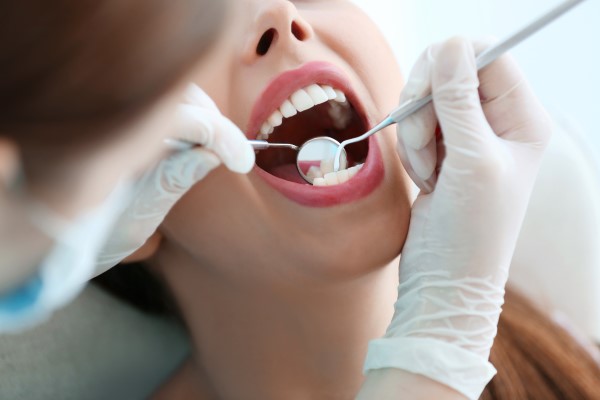
To complement your home oral hygiene routine, you should visit the general dentist every six months for an oral exam. The biannual exam keeps your oral cavity healthy and ensures issues are caught early before they worsen so they can be treated conservatively. Oral conditions tend to progress rapidly and may need costly and invasive procedures to correct. Oral health issues have been linked to general health, which makes prompt treatment even more critical.
When visiting the dental office for the first oral checkup, the general dentist will review the patient’s medical records. The dentist needs to know about previous diagnoses to know if there is an additional risk of developing an oral health issue or suffering adverse reactions to an anesthetic or a specific dental procedure. Some medications can also increase the risk of gum disease and cavities. Patients need to inform their dentist at every checkup if they have received any diagnosis or changed their medication since the last appointment. This will ensure continued personalized treatment. Also, patients should open up about past cases of dental anxiety so that the dentist can provide options to keep them comfortable throughout the appointment.
For those who have not had an x-ray in a long while, the dentist will take images of the oral cavity at the first appointment. The patient’s dental history and risk of tooth cavities will determine the regularity of x-rays after that. Dentists use x-rays to discover cavities, jawbone loss, or tooth eruption problems.
A visual examination of the oral cavity allows the dentist to discover signs of oral health issues such as: Cavities: a dental probe will be used to check the tooth surfaces for signs of decay. Cavities can be reversed if caught early; else, a dental filling will be required. Gum disease: the dentist will use a dental problem to measure the gap between the teeth and gums to detect gum disease. Gingivitis is gum disease in its early stage and is reversible with a professional cleaning and an excellent home oral hygiene routine. Oral cancer screening: oral cancer usually affects the soft tissues of the oral cavity but can be treated successfully if detected early. The dentist will inspect every part of the mouth for strange lumps, sores, or rough patches and check if there is swelling or tenderness.
During the biannual exam, the dentist will also perform professional teeth cleaning. Dental cleaning, done twice yearly, is necessary to get rid of stubborn plaques and tartar on the teeth. The dentist will start by cleaning tartar accumulation with a scaler – it also reverses gum disease development. After scaling, the teeth will be polished with mild abrasives to clean plaque and other surface debris to make the teeth cleaner and reduce the risk of bacteria formation. If necessary, a fluoride treatment may be done to remineralize the tooth enamel and fortify it against cavities.
If it has been more than six months since you had a dental checkup with the general dentist, you should book an appointment as soon as possible. Request an appointment here: https://buforddentist.com or call North Atlanta Center for Cosmetic & Implant Dentistry at (770) 932-1115 for an appointment in our Buford office. Check out what others are saying about our dental services on Yelp: General Dentist in Buford, GA.
December 12, 2024
Replacing multiple teeth through implant dentistry involves using implant-supported bridges, partial dentures, or full arch systems like All-on-4 to restore chewing, speech, and appearance. These treatments provide stability, prevent bone loss, and last longer than traditional dentures or bridges. The best choice depends on your jawbone density, number of missing teeth, and budget, and Buford Dentist offers tailored solutions for every case.
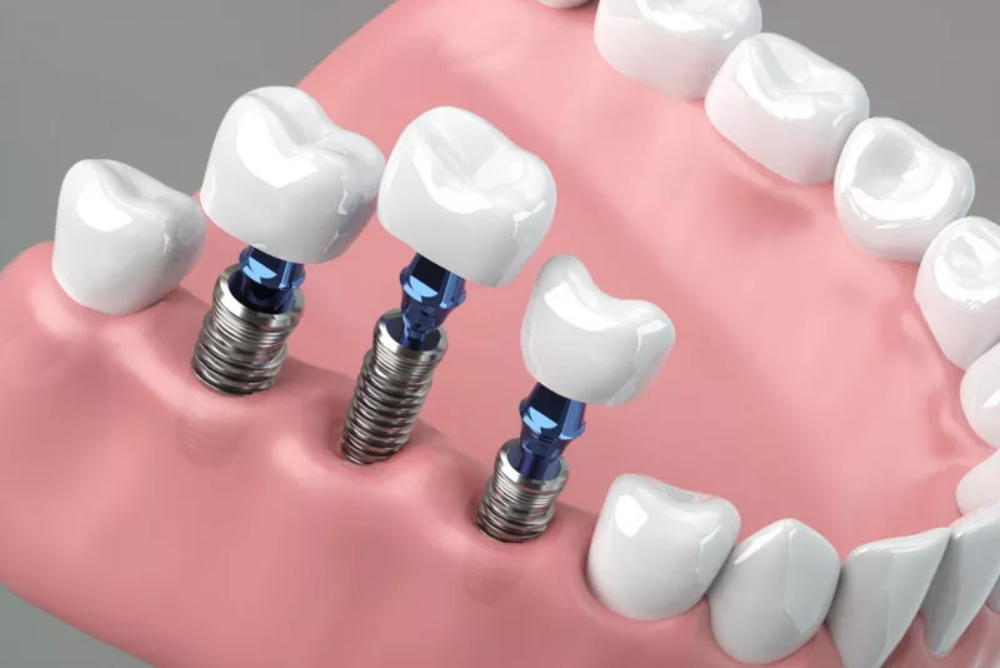
Losing several teeth affects chewing, speech, and confidence. Traditional bridges and dentures only restore appearance, but they do not prevent bone loss. Implant dentistry replaces teeth below the gumline, keeping the jawbone strong and stable. Patients regain the ability to eat a full diet, speak clearly, and maintain facial structure.
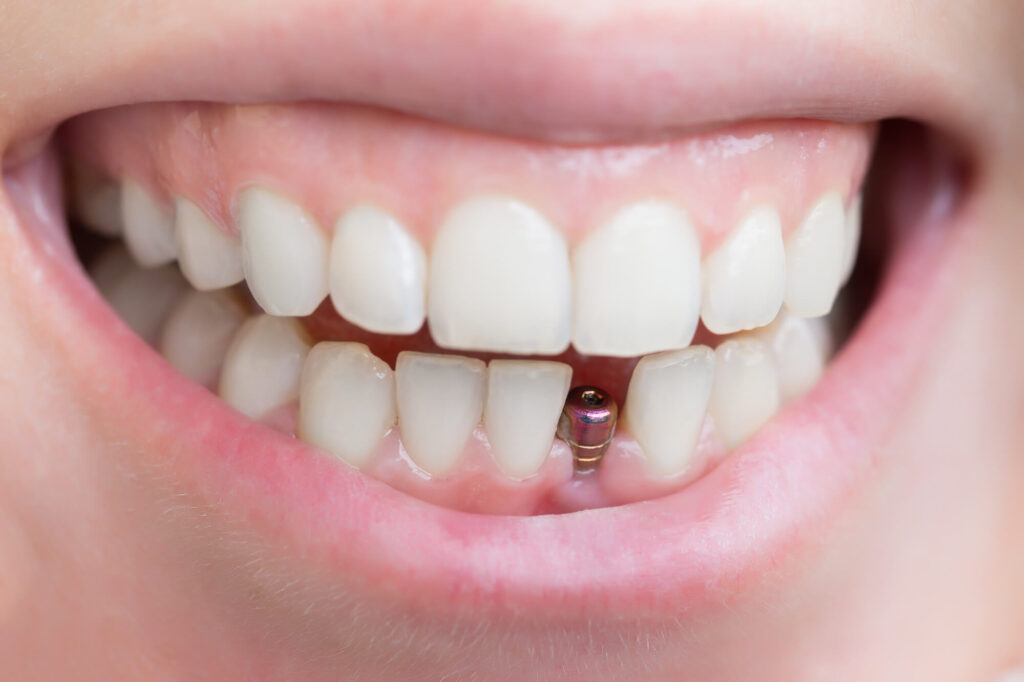
For a complete Dental Implants Overview, it’s important to understand that implants are titanium or zirconia posts placed in the jawbone to act as artificial tooth roots. They support prosthetic teeth like crowns, bridges, or dentures.
Key components:
Titanium remains the most common due to strength and long-term studies. Zirconia offers a metal-free option for patients with sensitivity concerns.
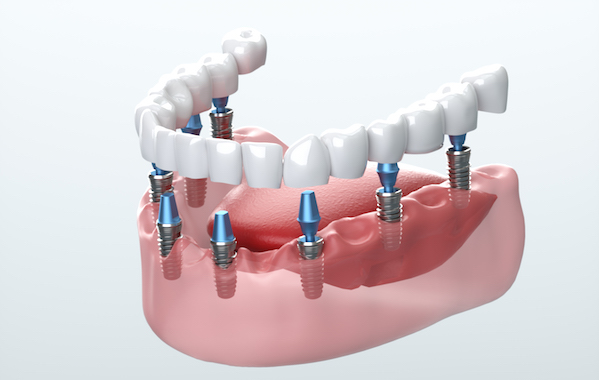
The number of implants depends on how many teeth are missing and where.
Dentists assess bone quality and spacing before deciding the best layout.
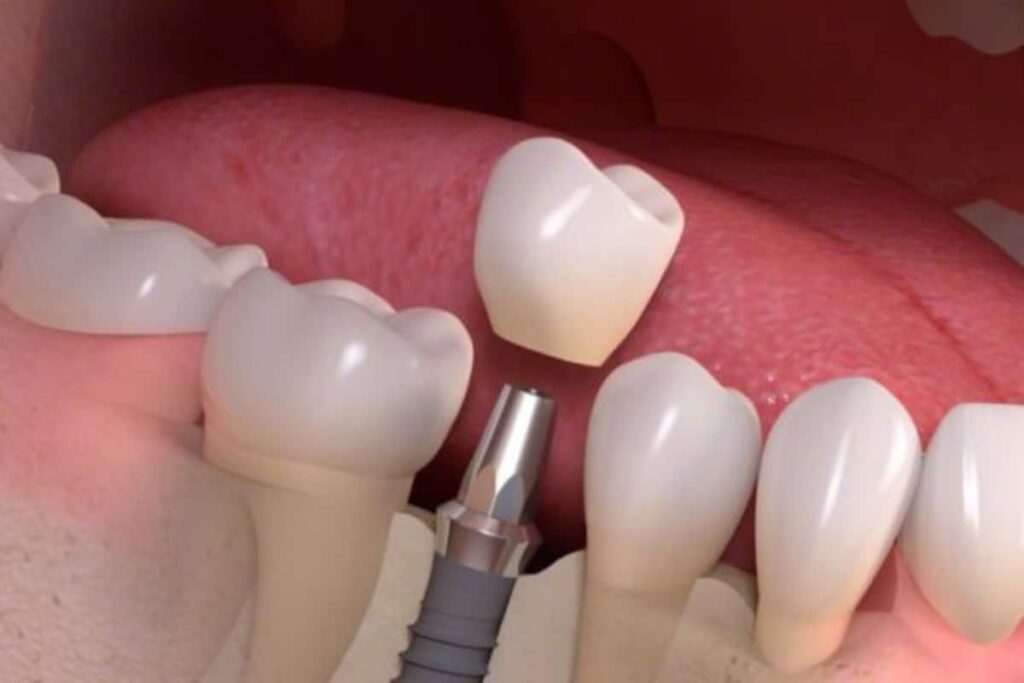
Not every patient qualifies immediately. The dentist evaluates candidacy carefully, and patients often ask, Am I a Candidate for Dental Implants? Factors like jawbone density, overall health, and oral hygiene play a major role in determining eligibility.
Buford Dentist uses advanced imaging to ensure proper planning before surgery.
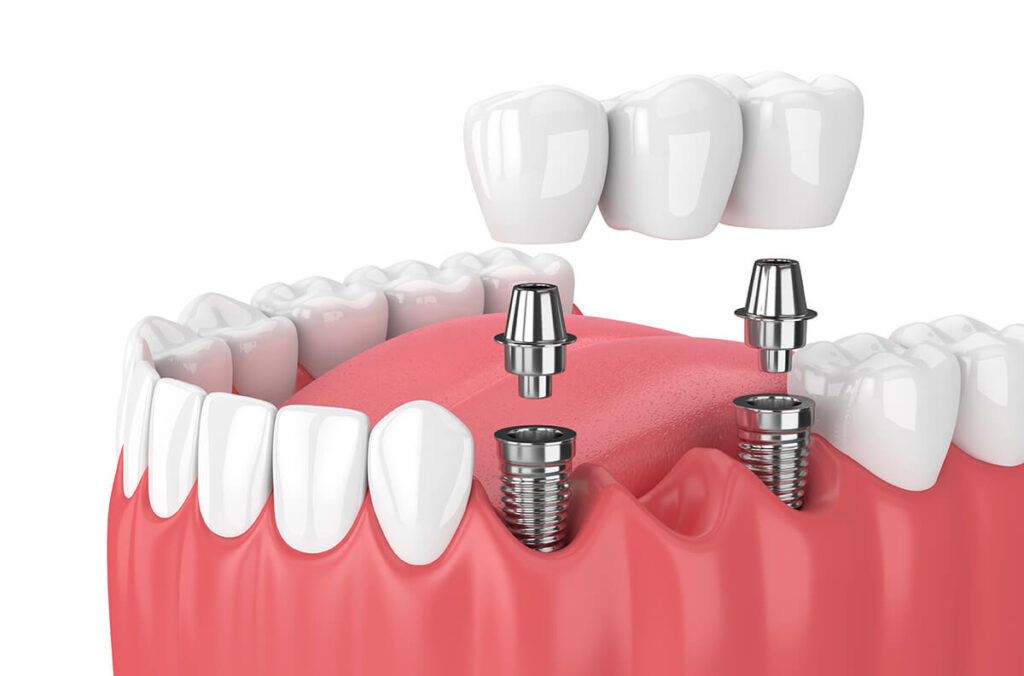
Among the Options for Replacing Missing Tooth, an implant-supported bridge is one of the most reliable because it replaces several consecutive missing teeth with fewer implants.
Benefits:
Limitations:
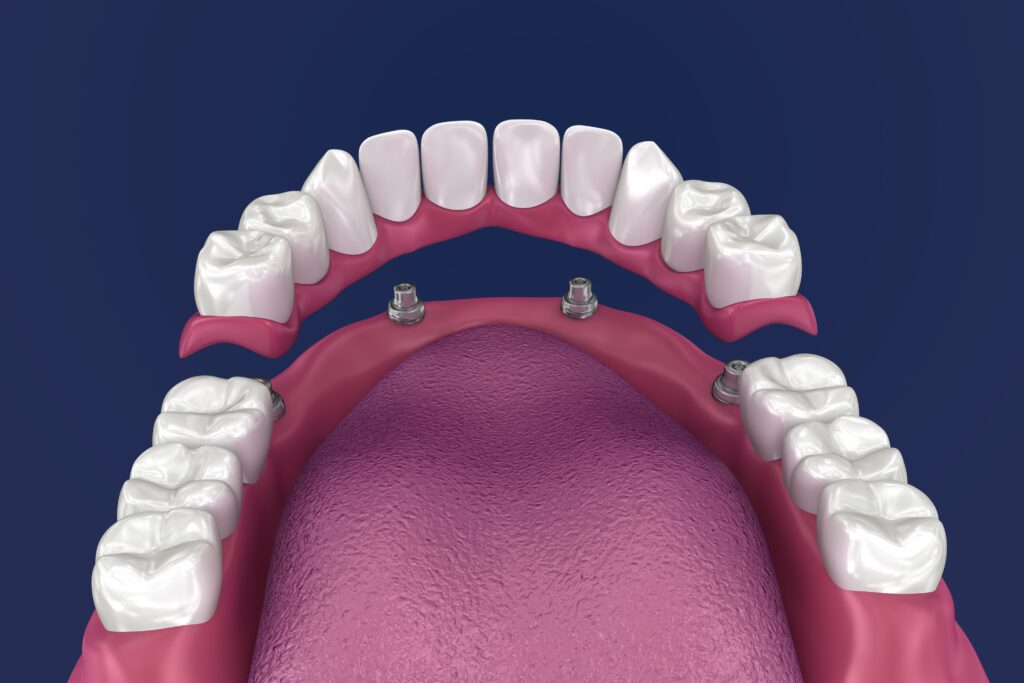
Partial implant dentures provide removable but stable replacements. They snap onto a few implants for improved retention.
Advantages:
Disadvantages:
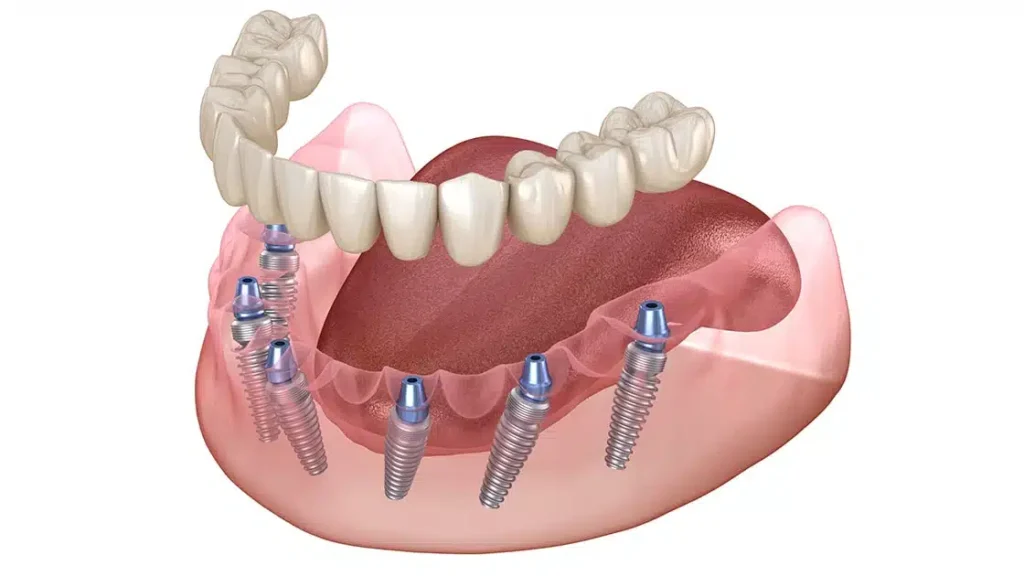
When all teeth in an arch are missing, options include:
Benefits:
Challenges:
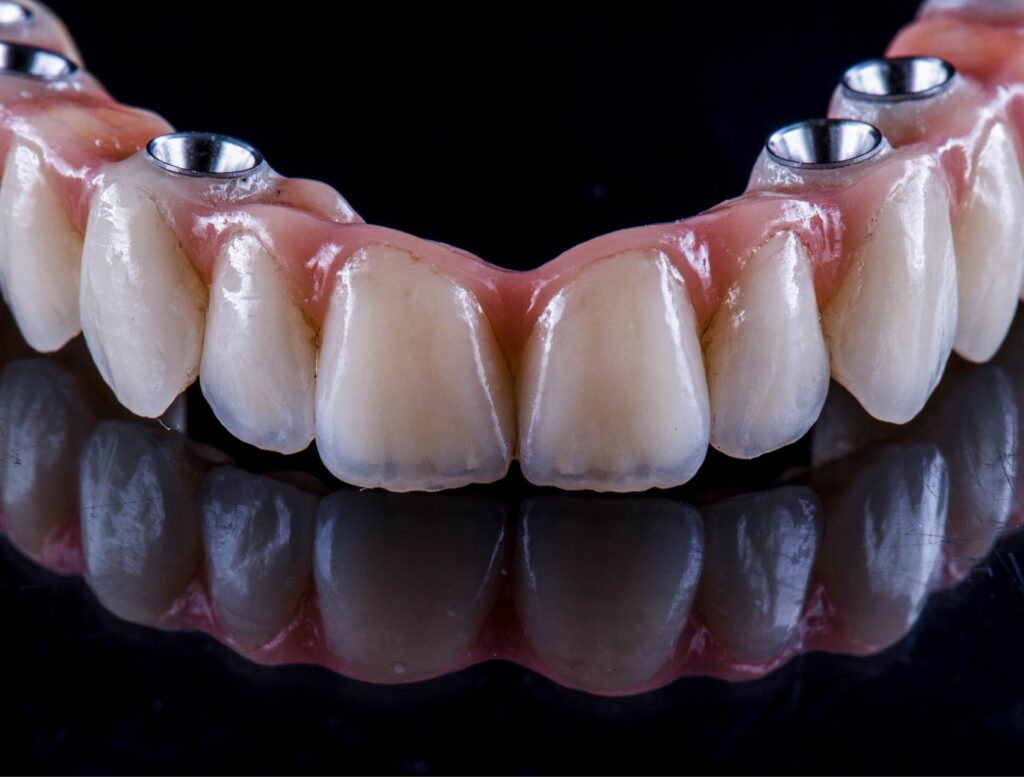
Some patients receive implants and prosthetic teeth on the same day, called immediate loading. Others follow a staged approach where healing occurs first.
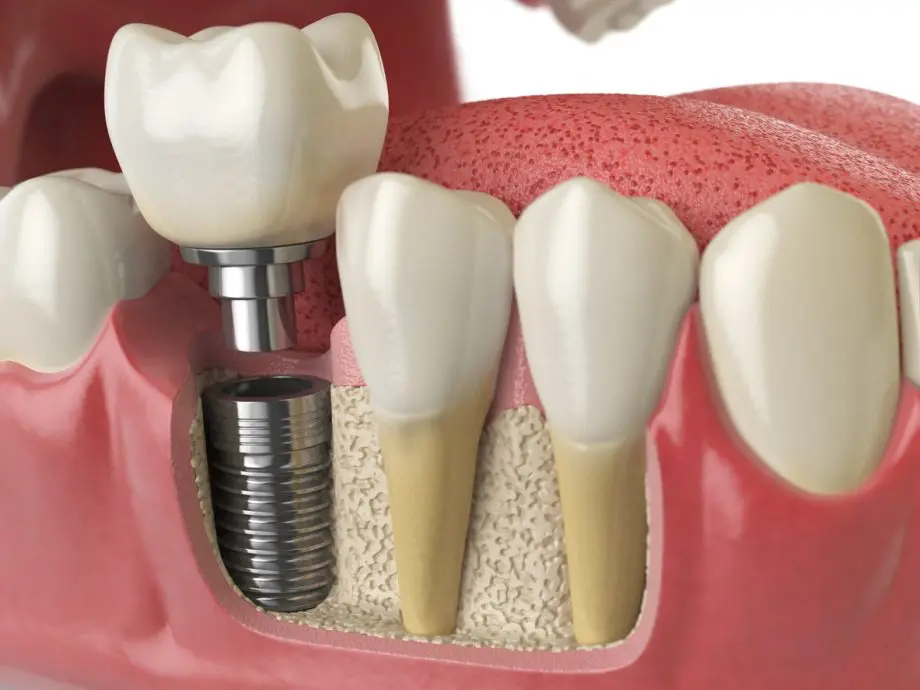
Buford Dentist guides patients through each phase of The Dental Implant Procedure with tailored care, from consultation and surgery to restoration and follow-up.
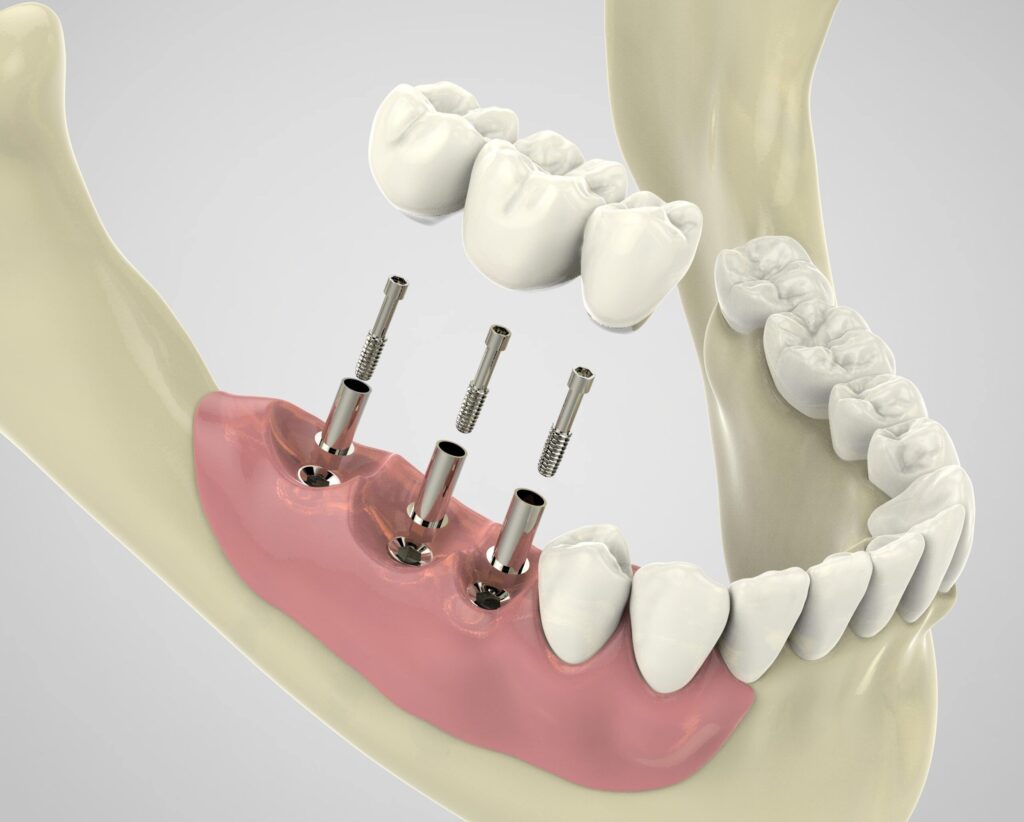
Cost depends on the number of implants, materials, and procedures needed.
Factors that affect price:
Insurance often covers exams and extractions but not full implant procedures. Many Georgia clinics, including Buford Dentist, offer financing and payment plans.
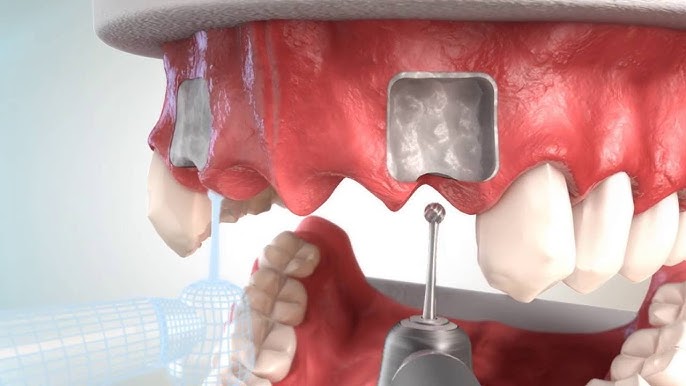
Like any surgery, implant dentistry involves risks.
Prevention steps:
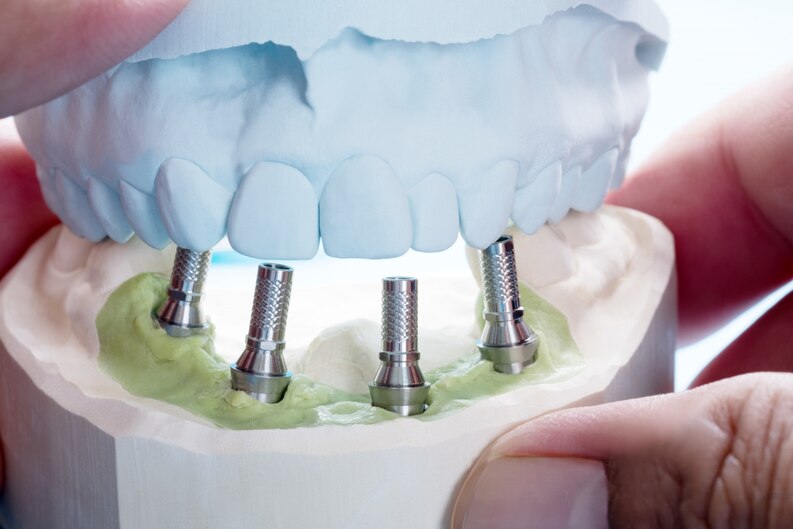
Dental implants last decades with proper care. Patients must:
Following proper Post-Op Care for Dental Implants, survival rates exceed 95 percent after 10 years, making them one of the most predictable treatments in dentistry.
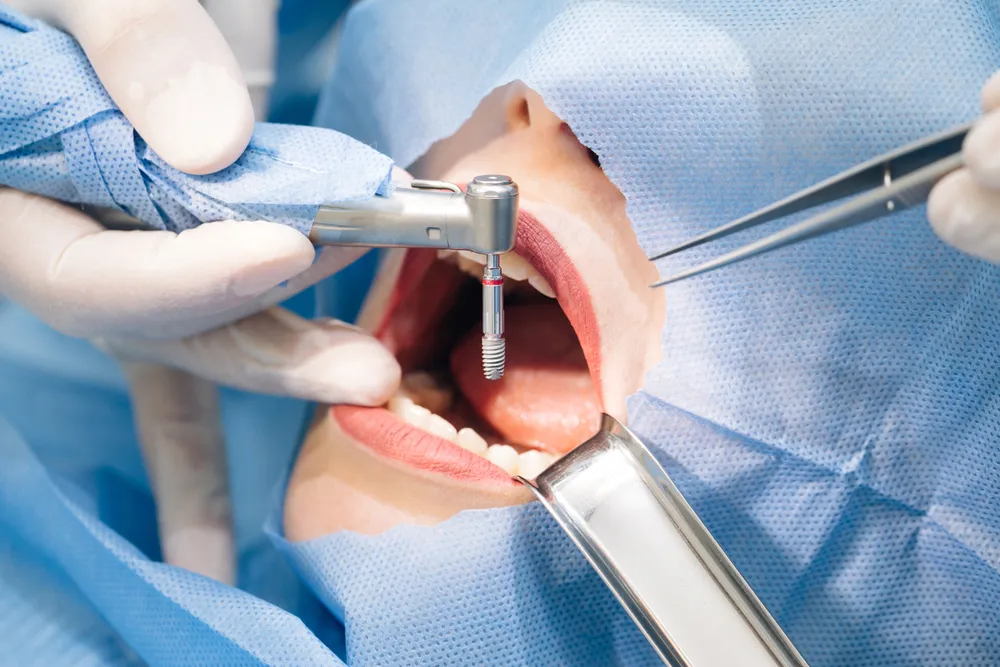
Buford Dentist has restored multiple teeth for many patients in Georgia. Common feedback includes:
Most patients report the process is easier than expected once healing is complete.
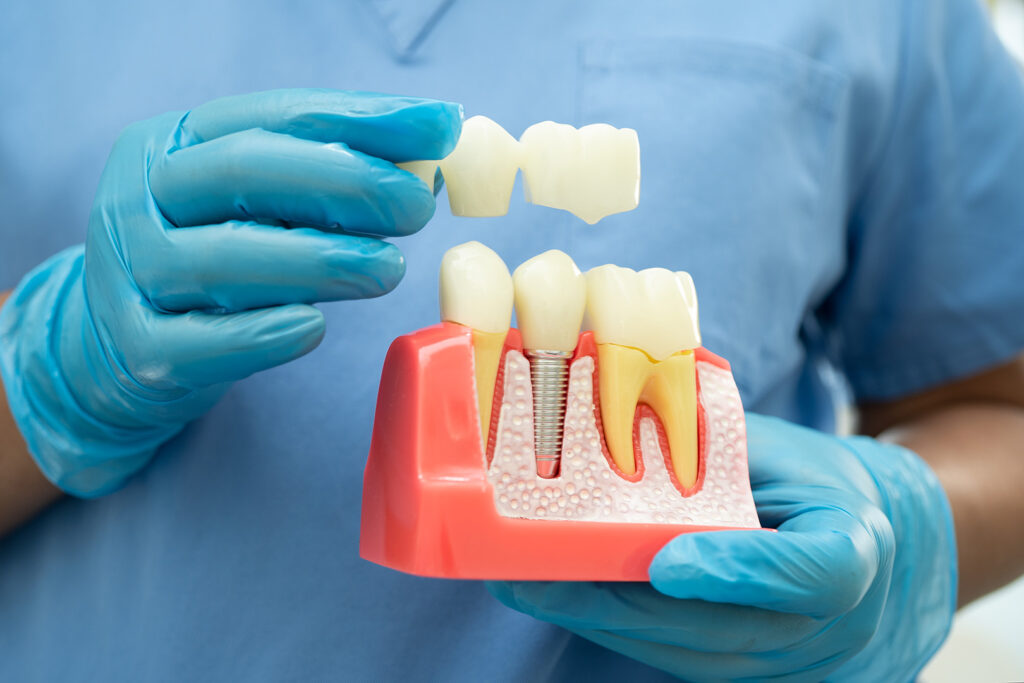
When selecting a dentist, patients should ask:
Buford Dentist provides full consultations and transparent pricing for patients considering implants.
Yes, two implants can hold a three-unit bridge, and four implants can support a full arch using All-on-4 techniques.
Most patients resume a soft diet within days and return to normal chewing in 3 to 6 months after full healing.
Discomfort is minimal with anesthesia and modern surgical methods. Post-operative soreness is manageable with medication.
Bone grafting or sinus lifts can rebuild the foundation to support implants.
With proper maintenance, implants last 20 years or more, often for life.
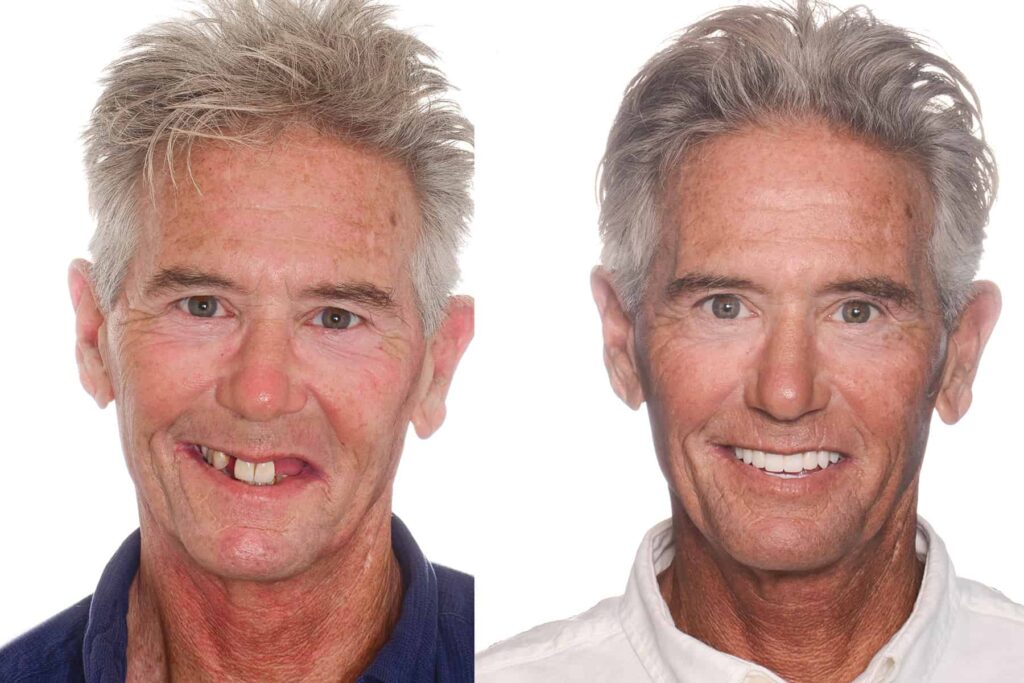
Replacing multiple teeth through implant dentistry restores strength, stability, and aesthetics. Whether with bridges, partial dentures, or full arch solutions, patients regain function and prevent further oral health decline. Buford Dentist combines advanced technology with patient-focused care to ensure successful outcomes.
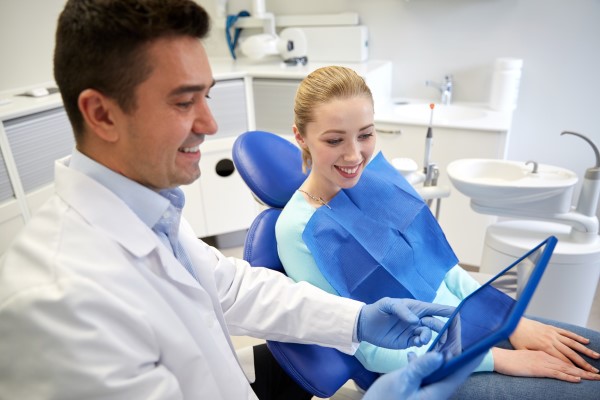
A general dentists spends a fair share of their time performing preventative and restorative treatments, but they also perform treatments that are primarily aimed at improving the way that the teeth look. Cosmetic procedures and restorations focus on improving the appearance of a person’s teeth, but some, like crowns, also provide restorative benefits.
Wondering what cosmetic procedures a patient can get during their next visit to a general dentist? Here are three popular ones.
Teeth whitening treatment is a fast way to enhance the color of a patient’s teeth. The procedure involves coating the patient’s teeth with a bleaching product that contains hydrogen peroxide or hydrogen carbamide as its active ingredient. The solution is typically applied to the patient’s teeth using a customized mouthguard that they bite down on for 60 to 90 minutes. The bleaching agents used by dentists are significantly more concentrated than over-the-counter alternatives, so patients get faster results. A single teeth whitening session provided by a dentist can improve the color of a person’s teeth by up to eight shades. Laser whitening is another popular treatment performed by dentists. It involves coating the patient’s teeth with a bleaching paste and using a laser to speed up the reaction between stains on teeth and the bleaching agent.
Composite bonding is an affordable treatment that can be used to fix a variety of issues, from broken teeth to deformed teeth. The process is completely reversible, and it involves rebuilding teeth with a composite mixture of plastics and glass that is color-matched with the patient’s teeth. Teeth are prepared for composite bonding by applying phosphoric acid to them to roughen their exterior. This leads to a better bond with the composite when it is applied. The semi-solid material is applied to teeth in layers and hardened with ultraviolet light. It is polished to give it a natural shine like real teeth.
Crowns are one of the most popular restorations used by general dentists. Also called caps, these restorations can be used to cover up cosmetic issues like badly decayed teeth, discoloration, or deformities. Crowns also restore the function of damaged teeth. These restorations do not require special care and can last up to 25 years. Installing a crown requires the removal of enamel from all four sides of a tooth. This creates a better fit for the crown, but it is an irreversible process. The tooth will always need a crown to protect it from that point on. Once the patient’s tooth has been prepared for a crown, the dentist will take an impression of their teeth. The impression will be sent to a lab where restorations are made, and it should get back to the dentist within a couple of weeks. The patient gets a temporary crown while they wait for their customized restoration.
Not happy with the appearance of some of your teeth? Schedule a consultation with our dentist and explore your options. Request an appointment here: https://buforddentist.com or call North Atlanta Center for Cosmetic & Implant Dentistry at (770) 932-1115 for an appointment in our Buford office. Check out what others are saying about our dental services on Yelp: General Dentist in Buford, GA.

When it comes to visiting a dentist in Buford, many patients worry about the number of cavities that they may have that need fillings. Cavities are often caused by poor oral health or improper brushing and flossing, which can lead to growth of bacteria causing tooth decay. Once a cavity forms, it is important that the damage is attended to by a dentist. Patients who need many fillings done may wonder how many teeth a dentist can fill in one appointment. The answer can vary for a number of reasons.
Since the mouth of each patient is different and the state of oral health can differ, there is no one answer to how many teeth a dentist can fill at once. There are a few factors that can affect how many teeth a dentist can fill in one sitting:
If the cavities are spread out in different places in the mouth, the dentist may choose to only work on one side of the mouth and schedule a further appointment for making fillings in the other side of the mouth. This is due to the potential discomfort the patient may experience from having the mouth totally numbed during the process of drilling and filling. Many patients prefer having only part of the mouth numbed, so these is less inconvenience than if the entire mouth were totally numb. When the cavities are in adjoining teeth or teeth that are near each other, it is often easier for the dentist to fill several cavities in the same appointment.
The more cavities that a patient has, the longer the process of filling take. This can lead to jaw aches and headaches in the patient from sitting for a long period of time with the mouth open. Therefore, a dentist may choose to spread fillings out over multiple appointments to keep the patient comfortable and in a good mood. Impatience and pain should occur infrequently when visiting a dentist, so a patient who chooses a more comfortable schedule for fillings can have a better experience.
Cavities can range in size and shape, and smaller cavities can generally be filled more quickly than larger ones. If a patient has many tiny cavities, the dentist may be able to fill more of them in a single appointment. In some cases, a dentist could take the same amount of time to fill a single large cavity as it would take to fill several tiny cavities. The condition of each patient is different, however.
A dentist in Buford can suggest a schedule for cavity filling that takes into account the particular cavities, the pain tolerance of the patient and the experience of the dental team. Patients should discuss with their dentist the recommended number of fillings at a time for their situation. Request an appointment here: https://buforddentist.com or call North Atlanta Center for Cosmetic & Implant Dentistry at (770) 932-1115 for an appointment in our Buford office.
Check out what others are saying about our services on Yelp: Read our Yelp reviews.
December 12, 2024

Regular dental cleanings reduce the risk of developing oral health concerns such as cavities, gum disease and oral infections. However, the majority of oral health care should take place at home, and general dentists can educate their patients on effective ways to care for oral health between check-up visits.
Every patient should assess their daily routine and oral care routine to ensure they are doing all they can to reduce the risk of oral health and cosmetic issues developing. The following are five tips from a general dentist to help patients practice good oral hygiene each day in order to keep their smiles looking great and healthy.
Good oral health starts with an oral hygiene schedule. This should include proper brushing several times each day. When brushing, be sure to brush all areas of the mouth, including the gums, tongue, cheeks and back of teeth in the back of the mouth. It is important to floss consistently as well. Floss thoroughly, but be sure not to damage the gums in the process. The general dentistsshould provide instructions for how often to use mouthwash, which is typically once each night before bed.
Foods and drinks that are high in sugar and certain other carbohydrates, along with citrus fruits and tomato-based dishes, can harm teeth and increase the overall risk of dental cavities, oral infections and gum disease. Therefore, limiting the overall sugar intake is encouraged by general dentists. Instead, consider drinking water throughout the day to wash away food and bacteria.
Anyone who plays a contact sport should wear a mouthguard to prevent teeth and gum damage that results from a blow to the face. Also, those who have signs of or are diagnosed with bruxism (teeth grinding at night) should wear a dental guard while they sleep. General dentists can customize a dental guard depending on the specific purpose.
General dentists also encourage checking for signs of oral health or cosmetic concerns each day. This includes checking for weakened or eroded enamel, signs of gum disease (red, swollen or bleeding gums) and signs of teeth damage (chips, cracks, etc.).
Lastly, be sure to schedule a check-up visit every four to six months with the general dentist as they are able to detect oral health concerns that you may not be able to see or feel.
Our general dentist team takes great pride in helping patients maintain good oral health long-term and keep a beautiful smile. While good oral care at home is important, it is not a substitute for regular dental cleanings and check-ups. Talk to us today if you are in need of a dental visit. Request an appointment here: https://buforddentist.com or call North Atlanta Center for Cosmetic & Implant Dentistry at (770) 932-1115 for an appointment in our Buford office. Check out what others are saying about our dental services on Yelp: General Dentist in Buford, GA.

If you have ever searched for a dentist, then you may have been confused by the terms general dentist and family. Often, the two terms are used interchangeably, and general dentists may practice under the title of a family dentist and vice versa. However, there may be subtle differences between the two that are important to be familiar with.
By learning more about the possible differences between a general dentist and a family dentist and the benefits of each type, patients can decide which dentist is right for them (and their family). This review goes into depth on what a family dentist is, what a general dentist is, the benefits of each type and how to choose the right dentist.
A family dentist offers treatment to patients of all ages, from children to seniors. They are referred to as family dentists as they are able to treat all members of the family. Family dentists typically have a dentist office that is more welcoming and warm to teenagers and children, while they are still able to treat adults effectively. They differ from a pediatric dentist as a pediatric dentist may only treat children and teenagers.
For adults that have children and want to receive their dental care in the same place as their children, a family dentist may be the best option. This can reduce the overall cost of treatment and ensure their children can receive care in a friendly and welcoming environment.
As mentioned, a general dentist is often the same thing as a family dentist. However, not all general dentists may place an emphasis on treating patients of all ages. They may instead tread adults and teenagers and refer younger children to a pediatric dentist or another family dentist. With that said, the services are very similar between a family dentist and a general dentist in most cases.
Adults that simply need care for themselves may prefer a general dentist that focuses treatment primarily on adult patients. In some instances, this allows for services that are more tailored for adult needs, rather than offering treatments that are more tailored for younger patients.
As discussed, there is little difference between a family dentist and a general dentist, and both are good options for treating and preventing oral health concerns. However, quite simply, those who have a family and need treatment for their children, as well as themselves, may prefer a family dentist over a general dentist that does not offer treatment to younger patients.
Here at our family dentistry, we treat all types of patients and offer a range of oral health and cosmetic services. Reach out to our team today to learn how we can help you achieve the smile of your dreams and ideal oral health. Are you considering a family dentist in the Buford area? Get more information at https://buforddentist.com. Check out what others are saying about our dental services on Yelp: Family Dentist in Buford, GA.
December 12, 2024

Regular dentist appointments may be a walk in the park for you, but you may be worried if it is your first time visiting a cosmetic dentist. The fear of the unknown might discourage many people from going to the dental office, but some aspects of the visit will be familiar. In this article, you will learn what to expect when you visit the cosmetic dentist for the first time.
During the consultation, patients can expect the staff at the dental office to ask several questions about their oral health and general wellbeing. Also, they may request access to dental records to know about the patient’s dental health history. By collecting the needed personal information, the cosmetic dentist can provide the most appropriate treatment based on the patient’s needs. The dentist will also listen to the patient’s concerns about their smile. After the consultation, most of the first appointment will be spent determining the treatment options to undergo based on the current condition of the patient’s smile and previous dental procedures. The dentist will perform an evaluation to get a full overview of the patient’s oral health needs. Aspects of the visit will include:
The next part of the cosmetic dental appointment is discussing how to improve the patient’s smile. Patients will need to share the goals that they have for their smile: whiter smile, well-aligned teeth, a less gummy smile or proportionate smile, for example. They can also check pictures to see what the potential outcome will be. The visit will involve choosing the cosmetic procedures to undergo and the order in which they will be performed if multiple treatments are necessary. Cosmetic dental procedures sometimes take time and multiple dental visits, so patients need to ensure that they are satisfied with the treatment options recommended. If there are additional questions or concerns, patients need to clarify them before proceeding with the treatment. The dentist will be happy to go over the details to ensure that the patient understands what they are signing up for. Once the questions are sorted, the dentist will decide the treatment plan, and a follow-up appointment will be scheduled to begin the process.
Since most cosmetic procedures are not irreversible, patients need to take their time to determine the right treatment and work with the dentist’s recommendations. If you feel nervous about dental procedures, be sure to share those feelings with the cosmetic dentist. The professional team at the dental office will ensure that you get all the information you need and help you get on track to achieving the smile that you want. Request an appointment here: https://buforddentist.com or call North Atlanta Center for Cosmetic & Implant Dentistry at (770) 932-1115 for an appointment in our Buford office. Check out what others are saying about our dental services on Yelp: Cosmetic Dentist in Buford, GA.
