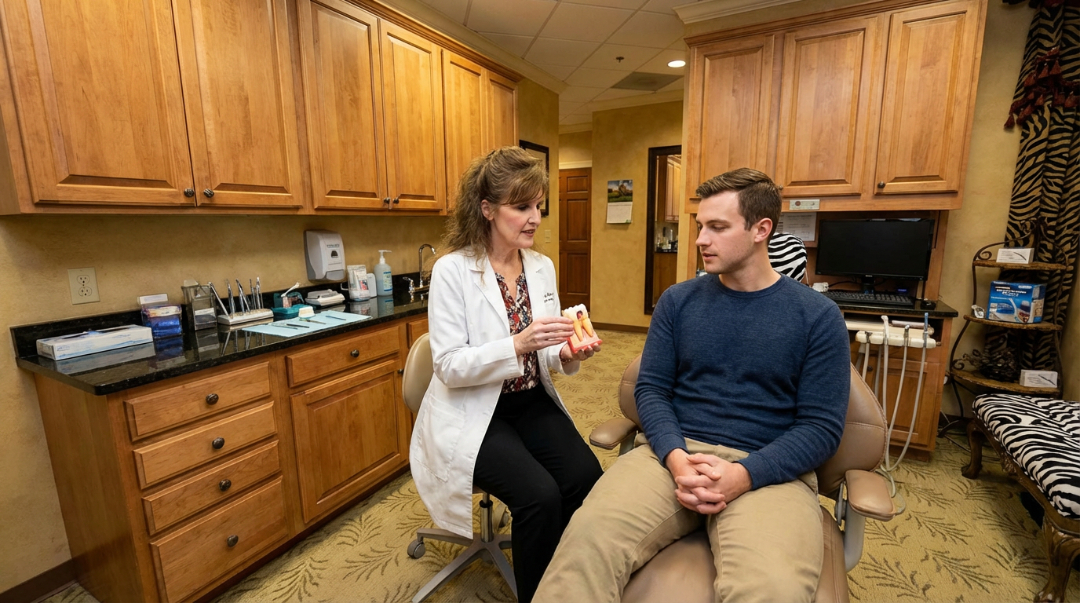
Are you tired of hiding your teeth when you smile? Do you dream of having a flawless, picture-perfect smile? Look no further than dental veneers! These remarkable cosmetic dental treatments can transform your smile and boost your confidence. In this blog post, we'll dive into the benefits, procedure, and incredible results of dental veneers right here in Buford, GA.
Dental veneers are thin, custom-made shells that enhance your smile by covering the front surfaces of your teeth. Made from high-quality porcelain or composite resin, veneers are the perfect solution to correct a variety of dental imperfections, including chipped or broken teeth, discoloration, gaps, and misaligned teeth. They offer a natural and long-lasting enhancement to the appearance of your smile.
The process of getting dental veneers typically involves three simple steps:
Choosing dental veneers can bring a host of benefits to your life, including:
A: The procedure is typically painless, as your dentist will administer local anesthesia to ensure your comfort throughout the process.
A: The procedure is typically painless, as your dentist will administer local anesthesia to ensure your comfort throughout the process.
A: The procedure is typically painless, as your dentist will administer local anesthesia to ensure your comfort throughout the process.
A: The process of placing veneers involves removing a small amount of enamel, which means it is not reversible. It's crucial to consult with your dentist to determine if veneers are the right choice for you.
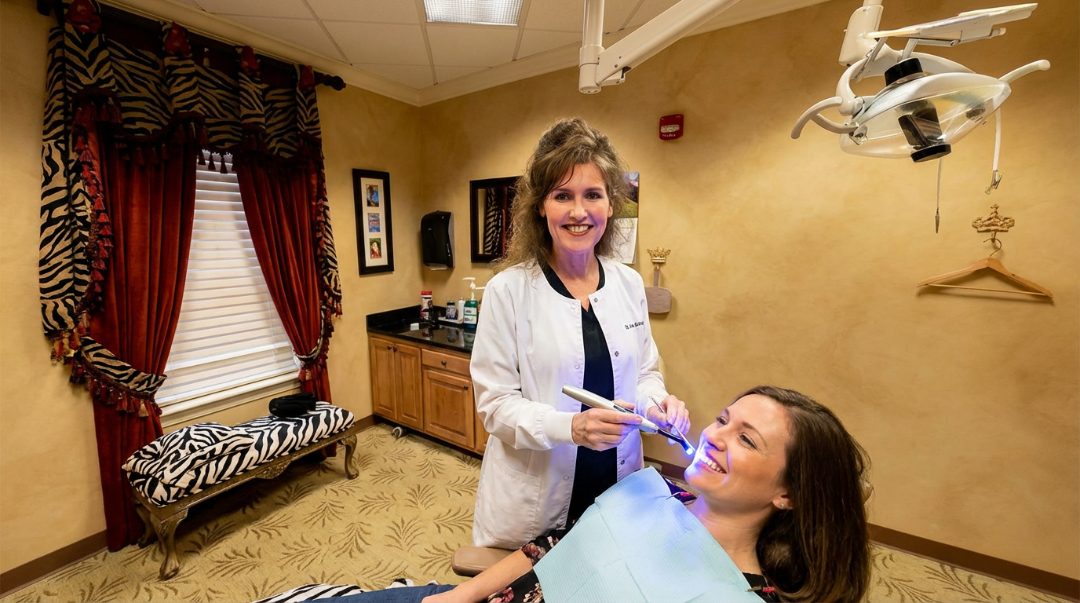
If you're looking to achieve a smile that radiates confidence and beauty, dental veneers can be your secret weapon. With their numerous benefits, including natural-looking results and long-term durability, veneers offer a remarkable solution to enhance your teeth. Reach out to a skilled dentist in Buford, GA, to schedule a consultation and take the first step towards your dream smile. Say goodbye to hiding your teeth and hello to a lifetime of self-assured smiles!
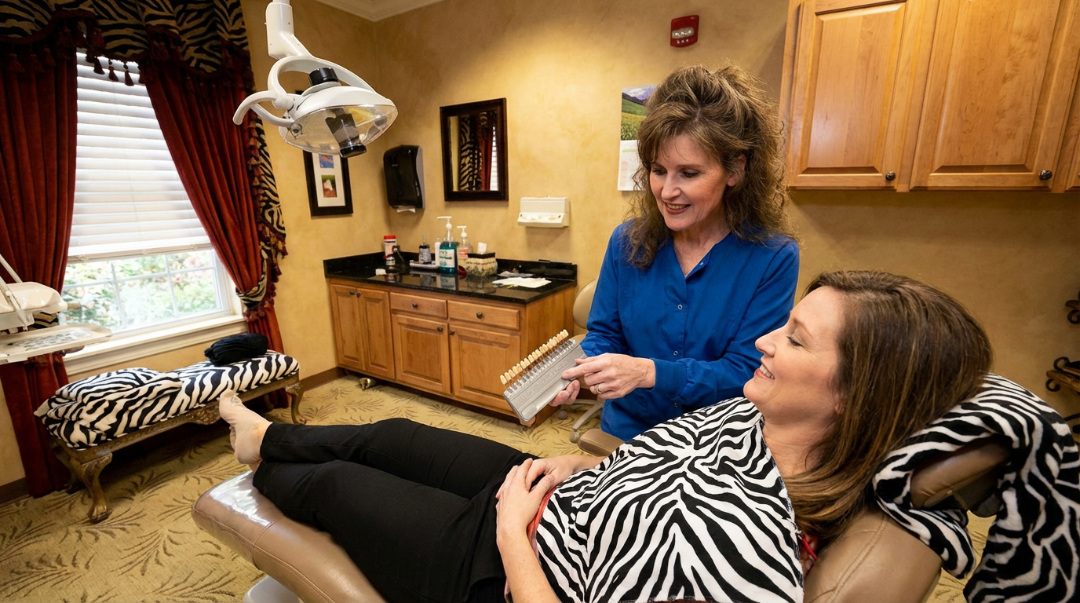
Are you longing for a dazzling, confident smile that lights up the room? Look no further! In Buford, GA, teeth whitening treatments can help you achieve the pearly whites of your dreams. Say goodbye to stained teeth and hello to a radiant grin. Let's dive into the world of teeth whitening and uncover the secrets to a picture-perfect smile!
When it comes to teeth whitening, determining if you're a good candidate is essential to ensure optimal results and avoid any potential complications. Generally, individuals with healthy teeth and gums are ideal candidates for teeth whitening treatments. If you have stains or discoloration caused by aging, certain foods and drinks, tobacco use, or other extrinsic factors, teeth whitening can effectively restore the brightness of your smile.
It's important to note that intrinsic stains, which occur within the tooth's structure, may not respond as well to traditional teeth whitening methods. In such cases, your dentist can offer alternative solutions. Additionally, it's crucial to have realistic expectations about the outcome of the treatment. Consulting with a dental professional is key to determining your candidacy and exploring the best options to achieve your desired results. Remember, a healthy smile is a beautiful smile!
Teeth discoloration can occur due to various factors, including aging, certain foods and drinks, tobacco use, and poor oral hygiene. Thankfully, modern dentistry offers a range of effective teeth-whitening solutions to restore your smile's brilliance. Let's explore some popular methods:
On the other hand, whitening strips adhere to your teeth, allowing the whitening agent to brighten your smile gradually. So, if you're looking for a convenient and accessible way to enhance your teeth's radiance, these kinds of toothpaste and strips might just be the right choice for you.
Teeth whitening offers a multitude of benefits that go beyond just achieving a brighter smile. Firstly, it boosts your self-confidence and enhances your overall appearance. When you have a dazzling set of pearly whites, you can't help but feel more self-assured and ready to take on the world.
A whiter smile can also leave a lasting impression on others, whether it's during a job interview, a social gathering, or even a simple interaction. People are naturally drawn to a bright smile, and it can make you appear more approachable and friendly. Additionally, teeth whitening can help reverse the effects of aging and lifestyle choices, such as consuming foods and drinks that can stain your teeth.
By removing surface stains and discoloration, teeth whitening treatments can rejuvenate your smile, making you look more youthful and vibrant. So, not only does teeth whitening give you a boost of confidence, but it also has the power to positively impact your personal and professional life.
Laser dentistry has revolutionized the world of tooth whitening, offering a highly effective and efficient approach to achieving a brighter smile. With this advanced technique, a specialized dental laser is used to enhance the whitening process. The laser emits a concentrated beam of light that activates the whitening agent applied to your teeth, accelerating the breakdown of stains and discoloration.
This allows for deeper penetration of the whitening agent, resulting in more dramatic and longer-lasting results. Laser dentistry not only improves the effectiveness of tooth whitening but also reduces the treatment time. In just a single session, you can experience significant improvement in the shade of your teeth.
The best part is that laser dentistry is gentle and minimally invasive, ensuring a comfortable experience. So, if you're looking for a fast and highly efficient way to achieve a radiant smile, consider the power of laser dentistry in tooth whitening.
A: Yes, teeth whitening treatments performed by dental professionals are safe when used as directed. However, it's essential to consult with your dentist to ensure you're a suitable candidate for the procedure.
A: The longevity of teeth whitening results varies depending on factors such as oral hygiene habits, dietary choices, and lifestyle factors like smoking. With proper care and regular dental check-ups, you can enjoy a bright smile for a significant period.
A: Some individuals may experience temporary tooth sensitivity or gum irritation after teeth whitening. These effects are typically mild and subside within a few days. Your dentist can provide recommendations to manage any discomfort.
A: The duration of the teeth whitening procedure can vary. In-office professional teeth whitening treatments usually take about 1 to 2 hours. During this time, a dental professional will apply the whitening agent and may use a specialized light or laser to enhance the results. Remember, patience is key when it comes to teeth whitening, as the gradual transformation is worth the wait!
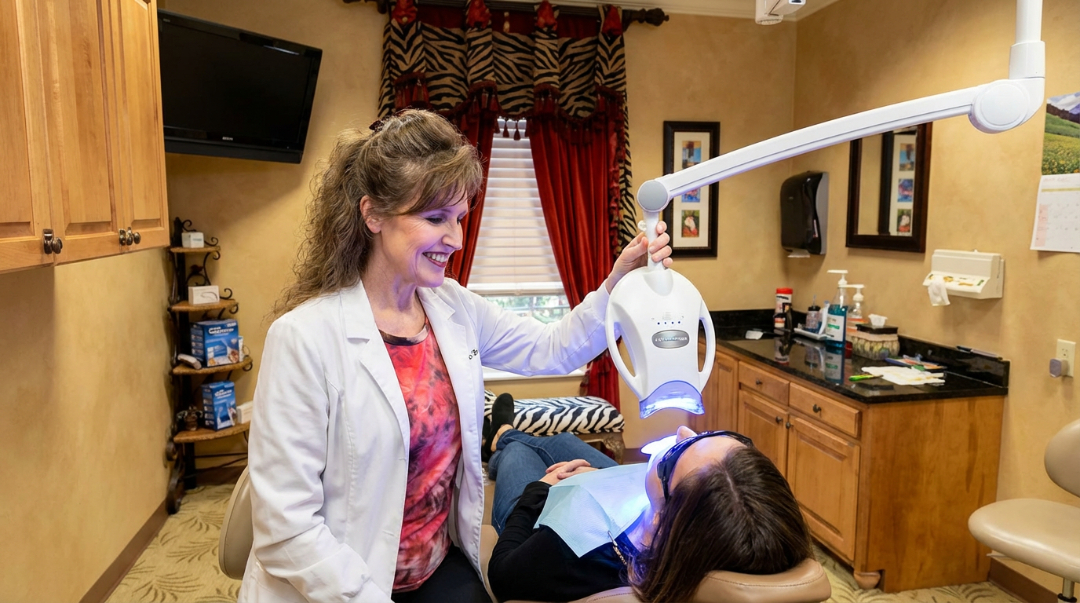
Now that you have explored the world of teeth whitening and uncovered the secrets to a picture-perfect smile, it's time to take action. With the range of effective teeth whitening solutions available in Buford, GA, you can bid farewell to stained teeth and embrace a dazzling grin.
Determining if you're a good candidate for teeth whitening is crucial to ensure optimal results and avoid complications. Generally, individuals with healthy teeth and gums are ideal candidates for teeth whitening treatments. If you have stains or discoloration caused by aging, certain foods and drinks, tobacco use, or other extrinsic factors, teeth whitening can effectively restore the brightness of your smile. However, it's important to manage expectations and consult with a dental professional to explore the best options for achieving your desired results.
From professional in-office teeth whitening to convenient take-home kits and over-the-counter whitening toothpaste and strips, there are solutions for every preference and budget. Professional treatments offer safe and efficient results, while take-home kits allow you to whiten your teeth gradually from the comfort of your own home. Whitening toothpaste and strips provide affordable options for mild stains, gently polishing your teeth and removing surface discoloration.
And let's remember the power of laser dentistry in tooth whitening. This advanced technique accelerates the breakdown of stains and discoloration, offering faster and longer-lasting results. With laser dentistry, achieving a radiant smile has never been easier or more comfortable.
The benefits of teeth whitening extend beyond aesthetics. A brighter smile boosts your self-confidence, enhances your overall appearance, and leaves a lasting impression on others. It can reverse the effects of aging and lifestyle choices, making you look more youthful and vibrant.
So, don't hesitate to embark on your teeth whitening journey in Buford, GA. Consult with a dental professional to determine the best approach for you, whether it's professional treatments, take-home kits, or over-the-counter options. Remember, a healthy smile is a beautiful smile, and with teeth whitening, you can unleash the power of your radiant grin. Get ready to show off your newfound confidence and spread joy wherever you go!
Note: It's important to consult with a dental professional before using any teeth whitening products, especially if you have pre-existing dental conditions or concerns.
TMJ symptoms can last anywhere from a few days to several years depending on the cause and severity. Mild TMJ often goes away on its own with rest and self-care, but chronic cases caused by bruxism, arthritis, or jaw misalignment usually need professional treatment from a dentist like Buford Dentist to resolve fully.
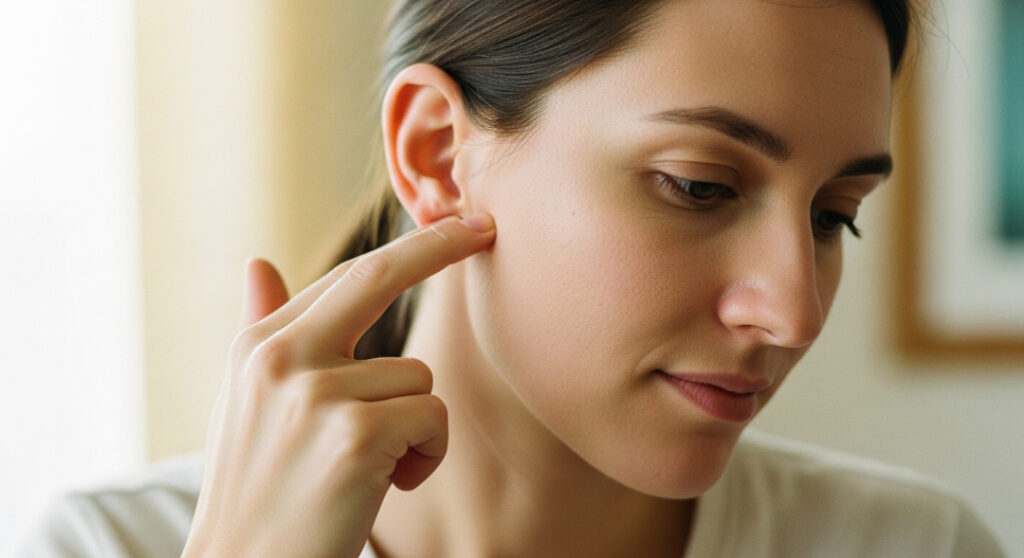
TMJ stands for temporomandibular joint disorder. It affects the joint that connects your jaw to your skull.
This joint allows you to chew, talk, and yawn. When the joint or muscles around it stop working properly, pain and dysfunction occur.
Common symptoms include:
Understanding this condition helps you know why symptoms last different lengths of time.
Hormonal changes, morning sickness, and dietary shifts raise risks for dental problems that can affect both mother and baby.

Acute TMJ is short-term. It often develops due to stress, temporary jaw injury, or dental work.
Chronic TMJ lasts for months or years.
If you notice pain lasting longer than 3 to 4 weeks, difficulty opening your mouth, or recurring jaw stiffness, acute TMJ might be becoming chronic.

The length of TMJ depends on the cause, severity, and treatment.

In mild cases yes. If the cause is temporary stress or a minor injury, symptoms fade naturally.
TMJ does not go away on its own when:
Leaving TMJ untreated risks long-term pain and permanent joint damage.
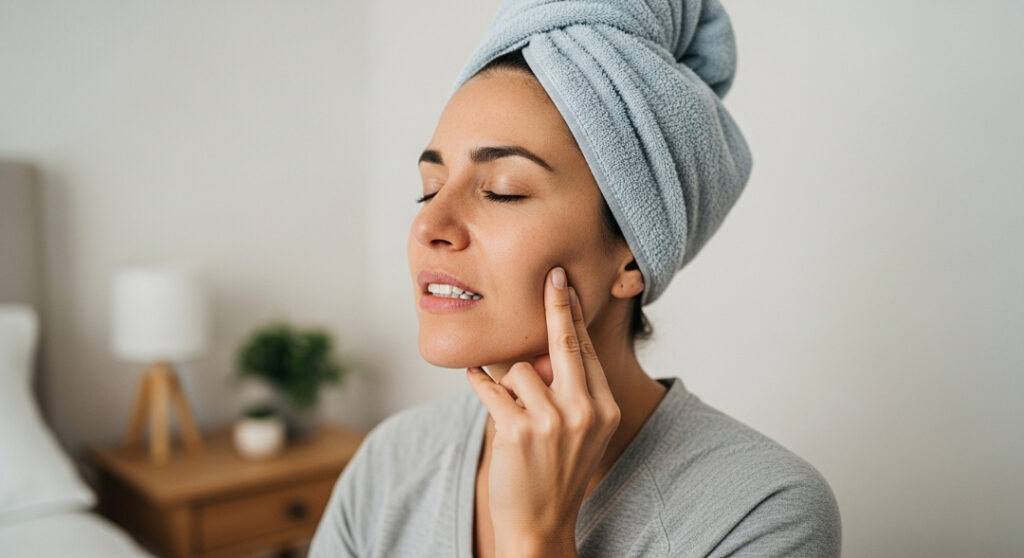
For mild cases, home care is often enough.
Pain relievers like ibuprofen or acetaminophen reduce discomfort and inflammation.
Topical anti-inflammatory gels may also help.
Custom mouth guards or splints prevent teeth grinding and reduce joint strain.
Night guards are often prescribed for people who grind their teeth while sleeping.
Therapists teach exercises to strengthen and relax jaw muscles.
Manual adjustments or posture corrections relieve strain on the joint.
For severe TMJ that does not improve with standard care, advanced treatments are considered:

You should see a dentist or specialist if:
Buford Dentist advises patients to schedule an exam when symptoms interfere with daily life.

Pain usually lasts one to two weeks. Rest, ice packs, and soft foods help recovery.
Without a guard, symptoms can last for years. With a custom splint and therapy, recovery often happens in months.
Symptoms persist long-term but professional treatment improves comfort and function.
A few days to several months depending on cause. Chronic cases continue indefinitely without care.
Not always. Mild cases resolve. Severe cases linked to arthritis often last for years.
You may notice relief in days to weeks with rest, diet changes, and jaw exercises.
Yes, especially if stress, teeth grinding, or misalignment remain unaddressed.
Yes, gentle stretching, controlled jaw movements, and posture corrections shorten recovery time.
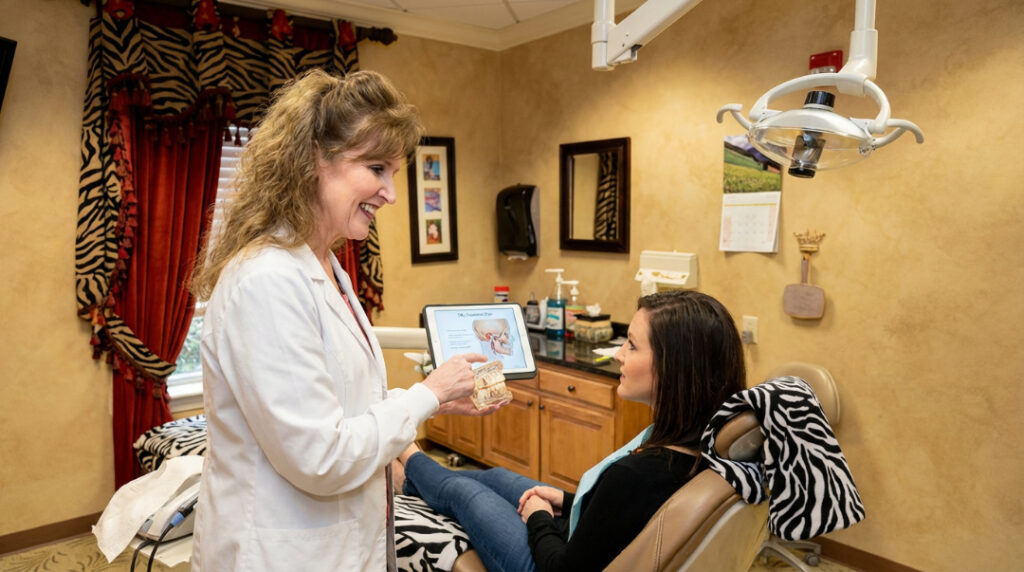
Buford Dentist offers:
Patients who address TMJ early recover faster and reduce risk of chronic pain.

TMJ disorder lasts anywhere from a few days to many years. The outcome depends on the cause, your habits, and the care you receive.
Mild cases resolve on their own with rest and stress management. Chronic cases tied to bruxism, arthritis, or misalignment need professional treatment.
Working with a trusted provider like Buford Dentist ensures the right plan for lasting relief.
You can get rid of TMJ ear dizziness or vertigo by resting your jaw, using heat or ice, doing targeted exercises, wearing custom oral appliances, managing stress and sleep, and consulting specialists when needed. These six approaches address both the cause and the symptoms, providing short-term relief and long-term control. Buford Dentist recommends combining self-care with professional treatment for the best outcome.

TMJ ear dizziness or vertigo happens when the temporomandibular joint disorder (TMD) affects the nearby ear structures. The jaw joint sits close to the inner ear, where balance is regulated. Inflammation, muscle tension, and nerve irritation from TMD disrupt signals in the vestibular system, leading to dizziness, ear fullness, tinnitus, or vertigo.
This is more than jaw pain. Patients often report spinning sensations, loss of balance, and nausea. These symptoms can interfere with work, driving, and quality of life. Buford Dentist sees many patients who confuse TMJ vertigo with inner ear conditions such as Meniere’s disease or benign paroxysmal positional vertigo (BPPV). Correct diagnosis is critical to avoid unnecessary treatments.

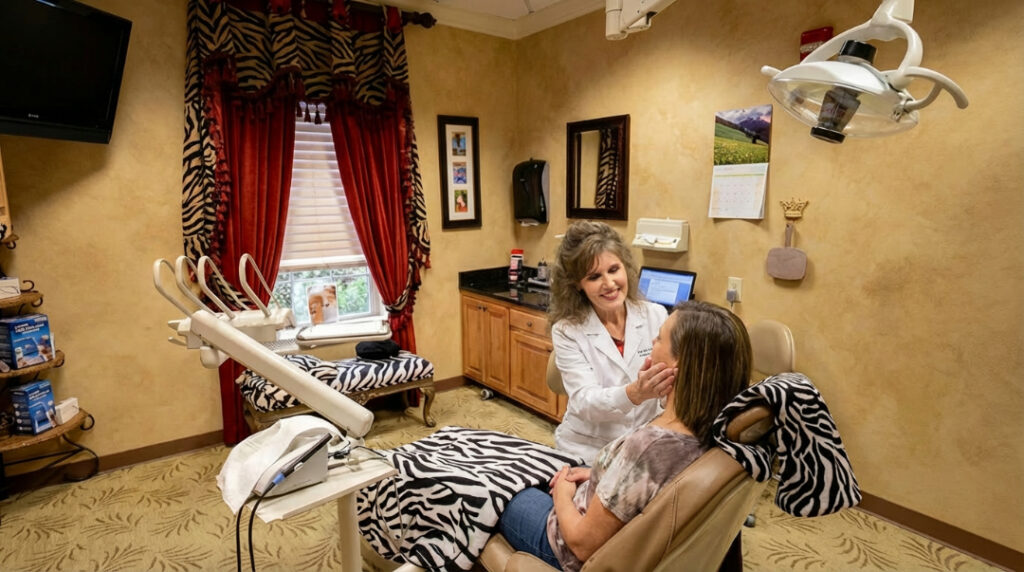
Not all dizziness is TMJ-related. It is important to separate jaw-related vertigo from other conditions.
If you feel dizziness linked with jaw pain, ear fullness, or clicking when opening your mouth, TMJ vertigo is more likely.

The first step is reducing strain on the jaw joint.
These changes reduce inflammation and allow the joint to recover. Patients at Buford Dentist often see improvement in dizziness after adjusting diet and habits.
Inflammation triggers dizziness. Managing it helps calm symptoms.
These steps calm irritated tissues near the vestibular system and reduce vertigo flare-ups.
Targeted exercises restore mobility, balance, and posture.
Jaw and neck stretches
Posture correction
Vestibular balance training
Physical therapists sometimes use TENS therapy to relax muscles and improve blood flow. At Buford Dentist, many patients pair dental splints with physical therapy to gain faster relief.
Jaw misalignment is a common cause of ear dizziness. Custom dental splints help correct this.
Patients report significant reduction in vertigo once pressure on the joint is balanced. Buford Dentist creates individualized splints for long-term relief.
Stress increases teeth grinding and jaw tension. Poor sleep weakens recovery.
Addressing stress and sleep often lowers both pain and dizziness intensity.
Self-care helps, but some cases need advanced treatment.
If dizziness interferes with daily life, do not wait. Buford Dentist recommends early consultation to prevent worsening symptoms.

Prevention ensures long-term stability, but many patients also want to know how long TMJ lasts and whether it can go away on its own. Understanding recovery timelines helps set realistic expectations and encourages consistent self-care.
Long-term maintenance prevents relapses and keeps vertigo away.
Mild cases improve in weeks with self-care. Severe cases may take months with professional treatment.
Not usually. Once the jaw joint is stabilized and inflammation controlled, vertigo symptoms subside.
Surgery is rare. Most patients recover with non-invasive treatments like splints, therapy, and lifestyle changes.
Yes. Poor posture strains the jaw and neck muscles, worsening dizziness. Posture correction is an important part of therapy.
Start with a dentist experienced in TMJ disorders, like Buford Dentist. They coordinate with ENTs and physical therapists when needed.
TMJ ear dizziness or vertigo is disruptive but treatable. The six methods outlined here, from jaw rest to specialist care, provide a comprehensive path to relief. Buford Dentist emphasizes combining self-care, custom dental appliances, and professional guidance to achieve lasting results. With consistent treatment, patients regain balance, reduce pain, and return to daily activities without the fear of dizziness.
The temporomandibular joint, often called TMJ, connects your jaw to the sides of your skull. This complex joint plays a crucial role in daily functions like chewing, speaking, and even yawning. Yet, when TMJ disorders arise, they can affect far more than just your jaw, often causing dizziness and balance issues that many people find surprising. But why does a problem in the jaw lead to such a seemingly unrelated symptom like dizziness?
Yes, temporomandibular joint (TMJ) disorder can cause dizziness or vertigo. This happens because the TMJ, when disrupted, can interfere with the brain’s signals about your body’s position in space, resulting in sensations of dizziness. If you’re experiencing TMJ symptoms, these may include:
The effects of TMJ disorders aren’t limited to just pain or discomfort in the jaw. Let’s dive into five main reasons why TMJ can lead to dizziness and vertigo. For more on TMJ's duration, explore how long TMJ symptoms may last.
One of the primary reasons TMJ disorders lead to dizziness is inflammation. TMJ-related inflammation can reach nearby ear structures, specifically targeting sensors that inform the brain about your body’s position and movement. These sensors in your inner ear play a vital role in maintaining balance.
Inflammation affects how these sensors communicate with the brain. When disrupted, your brain may struggle to interpret your body’s position accurately, causing sensations of dizziness or imbalance. Reducing inflammation, often through physical therapy, cold compresses, or anti-inflammatory medications, can relieve some of these symptoms.
The jaw joint sits close to the inner ear, which is essential for spatial orientation and balance. This proximity means that when the TMJ is strained, it can interfere with the delicate nerve pathways that connect the jaw to balance centers within the inner ear.
Yes. When TMJ disorders put pressure on these nerves, they can impact balance control, leading to sensations of dizziness. People with nerve-induced dizziness often describe it as a feeling of being off-balance, similar to the sensation of lightheadedness. Addressing TMJ pain and pressure can often reduce these nerve-related symptoms, making balance easier to maintain. Learn more about how wisdom teeth can influence TMJ symptoms.
TMJ disorders often lead to muscle tension and spasms around the jaw, face, neck, and shoulders. This can create a ripple effect of referred pain and discomfort, affecting various areas of the head and neck.
When muscles are tense or spasming, they can influence the blood flow and nerve signals involved in balance, creating sensations of dizziness. Muscle tension-related dizziness may improve with targeted therapies like gentle massages, physical therapy, or relaxation exercises that reduce muscle strain.
Pain in the jaw can subtly alter how you hold your head and neck. This shift in posture, while often unconscious, can create misalignment, affecting how your body perceives balance.
Your head’s position in relation to your body impacts balance, so even minor adjustments in posture can have effects. For example, leaning slightly forward or tilting your head to one side can disrupt how your inner ear and brain interpret spatial cues, leading to dizziness. Working with a physical therapist can help correct posture-related issues, improving both jaw pain and balance.
The eustachian tube runs between your mouth and ear, helping regulate pressure within the ear. When TMJ disorder affects this tube, it can lead to pressure imbalances, which contribute to dizziness.
If TMJ inflammation impacts the eustachian tube, it can create a sensation of pressure or fullness in the ear, leading to balance issues. Many patients with TMJ-related dizziness describe the sensation as feeling like they’re on a boat or that the room is spinning. If you've tried these and still have symptoms, try our TMJ ear dizziness relief methods.
If you’re experiencing dizziness or vertigo due to TMJ, consult a healthcare provider. A combination of approaches may help relieve symptoms, including:
TMJ disorders and dizziness share a complex relationship, often due to inflammation, nerve interference, muscle tension, posture changes, and eustachian tube effects. While the cause-and-effect pathways are not always straightforward, managing TMJ symptoms can often reduce dizziness and improve overall quality of life. For anyone grappling with TMJ and dizziness, a holistic approach involving medical guidance, lifestyle adjustments, and therapies can make a significant difference. Understanding why TMJ leads to dizziness is the first step in managing these interconnected issues effectively.
October 29, 2025
Wisdom teeth are often associated with discomfort, swelling, and even dental complications, but can they also be the cause of temporomandibular joint (TMJ) disorders? The answer is a bit nuanced. While wisdom teeth don’t directly cause TMJ disorders, their impact on the jaw can contribute to TMJ-like symptoms. For individuals experiencing jaw pain, stiffness, or even facial discomfort, understanding the potential link between wisdom teeth and TMJ can be essential to finding relief. This post delves into the connection, examining factors from wisdom teeth anatomy to common TMJ triggers, with practical insights on treatments and ways to relieve TMJ-related dizziness and ear issues.
To comprehend how wisdom teeth and TMJ disorders might relate, it's important to recognize what each involves. The temporomandibular joint is the hinge-like structure connecting the jawbone to the skull, allowing us to chew, talk, and move our jaws freely. TMJ disorders arise when something disrupts this complex system, causing pain or restricted movement. On the other hand, wisdom teeth—our third molars—are the final set of teeth to emerge, often causing issues due to their position or lack of space.
Impacted or misaligned wisdom teeth don’t directly cause TMJ disorders, but they can certainly aggravate the TMJ and trigger symptoms similar to TMJ pain. For instance, if a wisdom tooth is growing at an angle, it can press on the surrounding jawbone or nearby nerves, leading to jaw stiffness, swelling, and discomfort—all symptoms that mimic TMJ disorders. In some cases, impacted wisdom teeth can exert additional pressure on the jaw muscles and joints, contributing to an imbalance that may trigger TMJ-like symptoms.
Example: Imagine a car with a misaligned wheel. It still drives, but the added pressure on that wheel affects the car’s handling and stability. Similarly, impacted wisdom teeth place additional strain on your jaw, potentially leading to jaw pain and clicking noises. Learn more about the duration and treatment options for TMJ issues for a deeper understanding of how these symptoms might progress.
In most cases, TMJ disorders result from other factors entirely, such as arthritis, jaw injuries, or habitual teeth grinding (bruxism). These factors can erode or damage the TMJ over time, making it vulnerable to pain and dysfunction. While impacted wisdom teeth can contribute to discomfort in the jaw area, they don’t directly alter the TMJ’s structure. Stress, genetics, and hormonal factors also influence TMJ health, further separating these issues from wisdom teeth complications. If you’re active in weightlifting, you might also want to understand how weightlifting impacts TMJ, as physical strain can exacerbate jaw issues.
Differentiating between wisdom tooth pain and TMJ pain can be challenging, as both conditions produce similar symptoms: jaw pain, stiffness, headaches, and even ear discomfort. However, a few key differences exist:
Knowing these distinctions can help you determine whether your pain originates from TMJ or an issue with wisdom teeth. If in doubt, consulting a dental specialist can be beneficial.
Treatment for TMJ symptoms and wisdom tooth complications varies based on the severity of each condition. If your jaw pain is linked to TMJ, conservative treatments like rest, jaw exercises, and applying warm or cold compresses may alleviate discomfort. Some individuals benefit from wearing a night guard, which prevents teeth grinding and reduces pressure on the TMJ.
When wisdom teeth are the root of the problem, removal may be advised. Extraction can reduce jaw pressure, creating more space and potentially alleviating TMJ-like symptoms. However, it’s important to note that wisdom teeth removal doesn’t guarantee relief from TMJ symptoms; sometimes, the surgery itself can exacerbate existing TMJ issues due to changes in jaw alignment.
When symptoms persist, seeking professional guidance is essential. A dentist or an oral surgeon can assess whether wisdom teeth removal might benefit your jaw health or if TMJ treatments would provide more relief. For those with recurrent or severe TMJ symptoms, visiting a specialist may lead to solutions such as physical therapy, jaw alignment exercises, or even minimally invasive surgeries to stabilize the joint.
While wisdom teeth don’t directly cause TMJ disorders, their presence can contribute to TMJ-like symptoms, especially if they’re impacted or misaligned. By understanding the causes, symptoms, and treatments of both wisdom teeth complications and TMJ disorders, you can make informed decisions about your oral health. Consulting with a dental professional will ensure you receive a tailored treatment plan, helping you manage discomfort and maintain a healthy jaw. Whether your pain originates from wisdom teeth or TMJ, there’s a path to relief.
Yes, weight lifting can cause TMJ problems. The main reason is jaw clenching during heavy lifts, poor posture, and increased tension in the neck and shoulders that strain the temporomandibular joint. With the right form, posture correction, and preventive steps, you can reduce this risk.
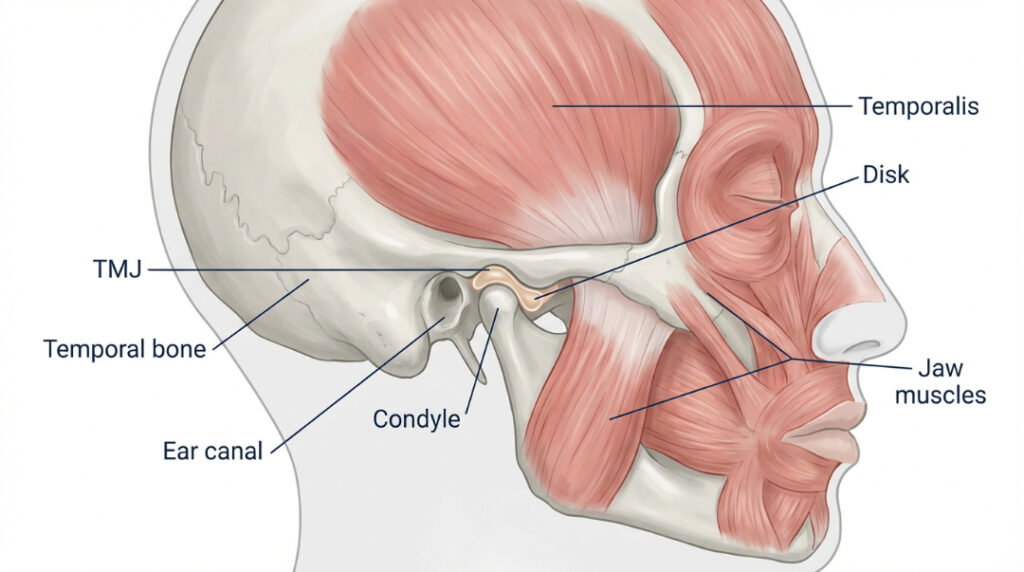
The temporomandibular joint (TMJ) is the hinge joint that connects your jawbone to your skull. It allows you to speak, chew, and move your jaw. When this joint or the surrounding muscles are stressed or injured, it leads to temporomandibular joint disorder (TMD).
Symptoms often include:
Understanding how this joint works helps explain why weight lifting can trigger or worsen TMJ symptoms.
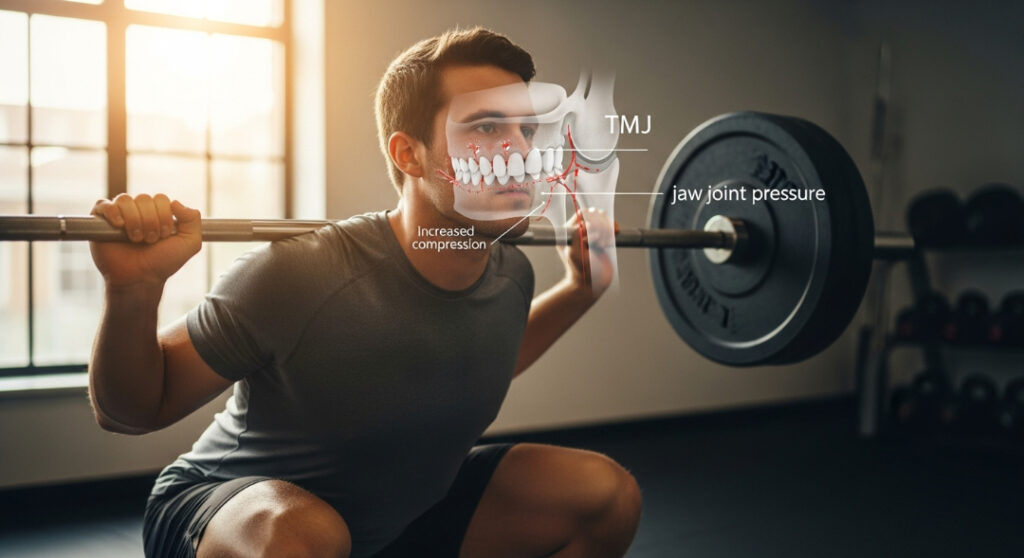
Weight lifting stresses more than the muscles you target. When you brace for a lift, you unconsciously clench your teeth and tighten your jaw muscles. That pressure transfers to the TMJ.
Key factors:
Buford Dentist notes that athletes often underestimate how much bracing and jaw tension contribute to dental and joint pain during workouts.
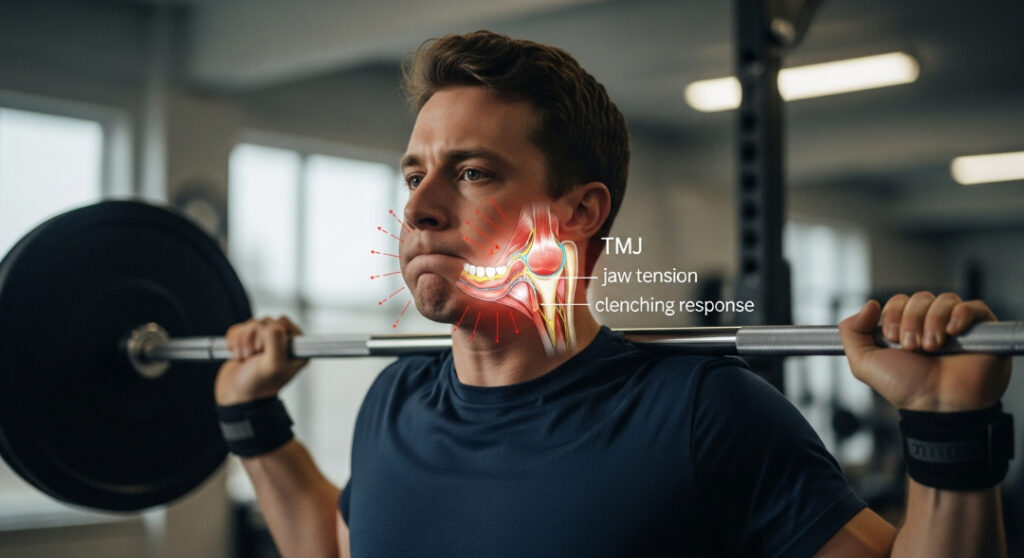
Some lifts create more risk because of the posture and pressure they require.
High-risk exercises:
Exercises that involve holding your breath or clenching for stability increase TMJ stress.
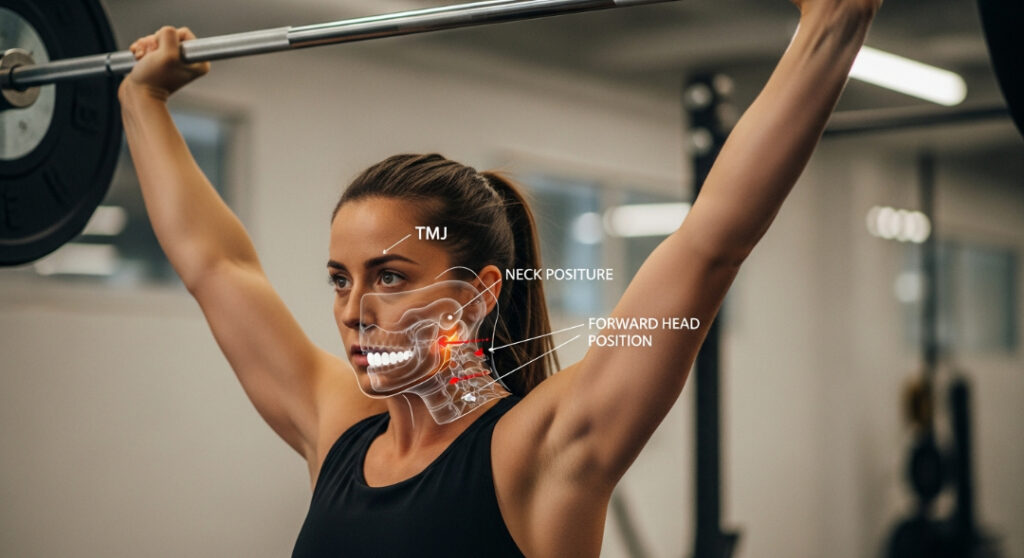
The cervical spine and jaw are closely connected. Poor lifting posture pushes the head forward or tilts it back, straining the TMJ.
Issues from posture:
Correcting posture is key to preventing TMJ pain in lifters.
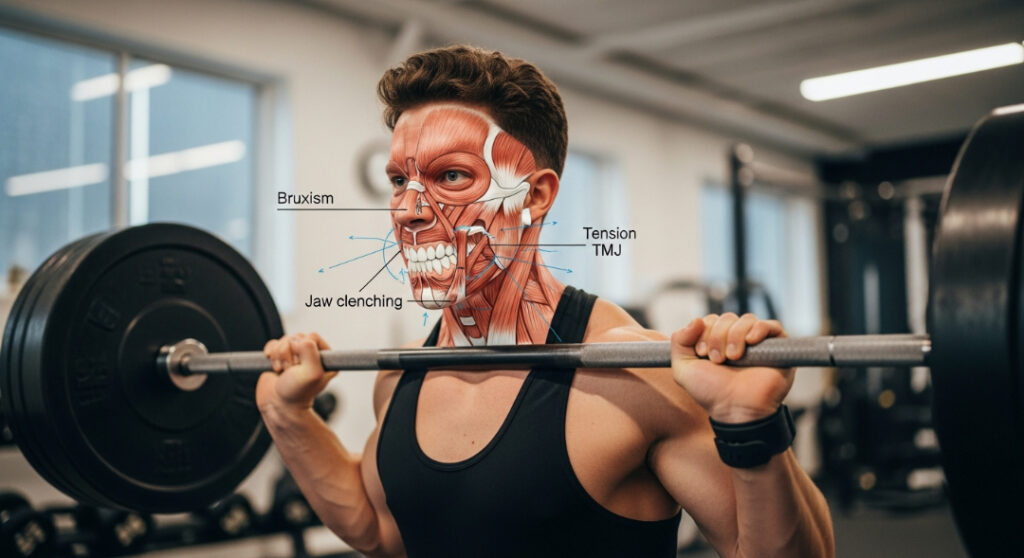
Bruxism, or teeth grinding, often shows up during stressful lifts. Even without realizing it, lifters bite down to stabilize.
This behavior:
Sports dentistry often recommends mouthguards to reduce the impact of bruxism during lifting.
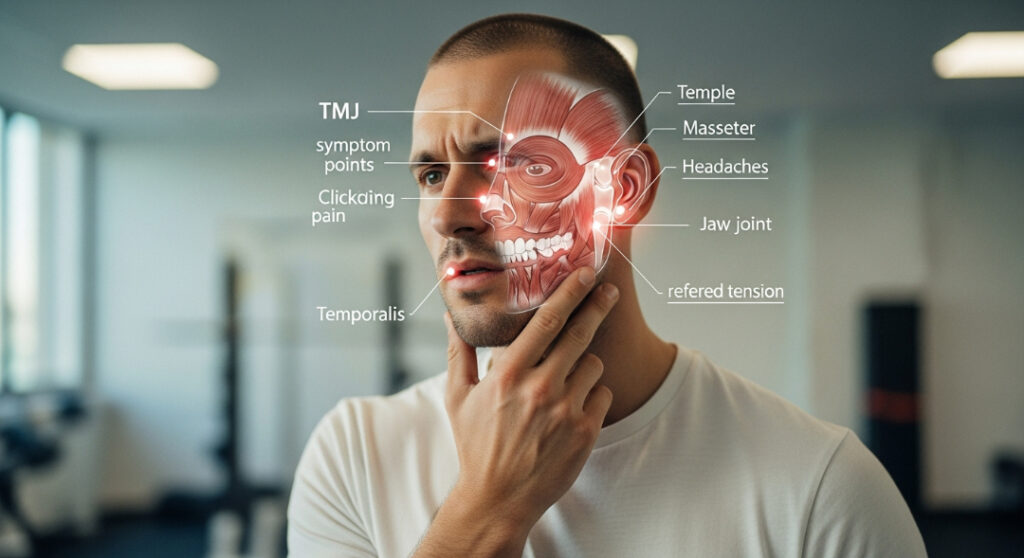
Early signs help prevent long-term damage.
Symptoms linked to weight lifting:
Ignoring these signals risks chronic TMD.
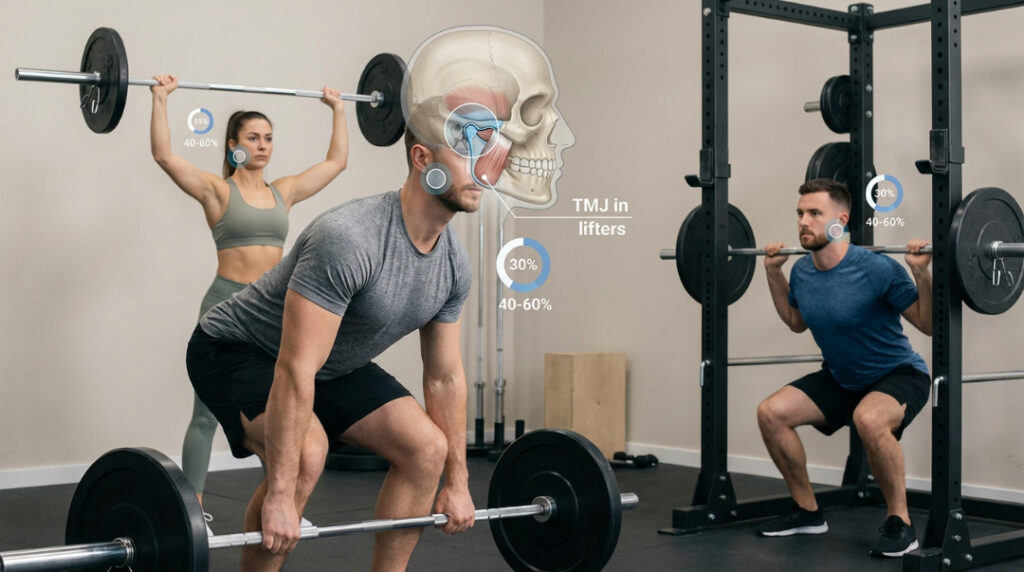
Research shows athletes and strength trainers have higher rates of TMD symptoms than the general population.
The problem is underreported, as many athletes blame neck or dental issues instead of the TMJ.
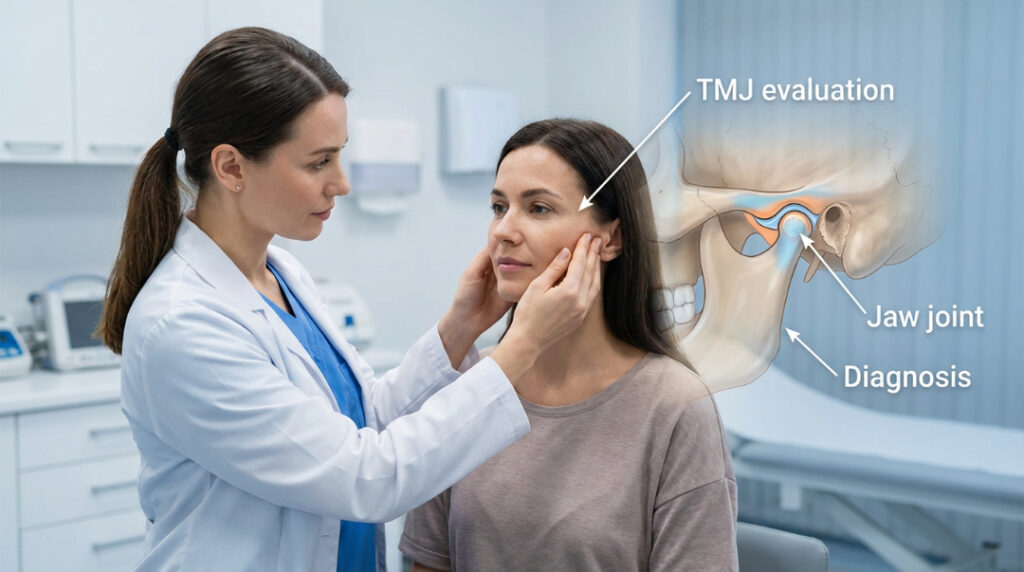
If you suspect TMJ pain from lifting, get evaluated early.
At-home checks:
Professionals who diagnose TMJ:
Buford Dentist emphasizes early evaluation prevents chronic damage and reduces downtime from training.
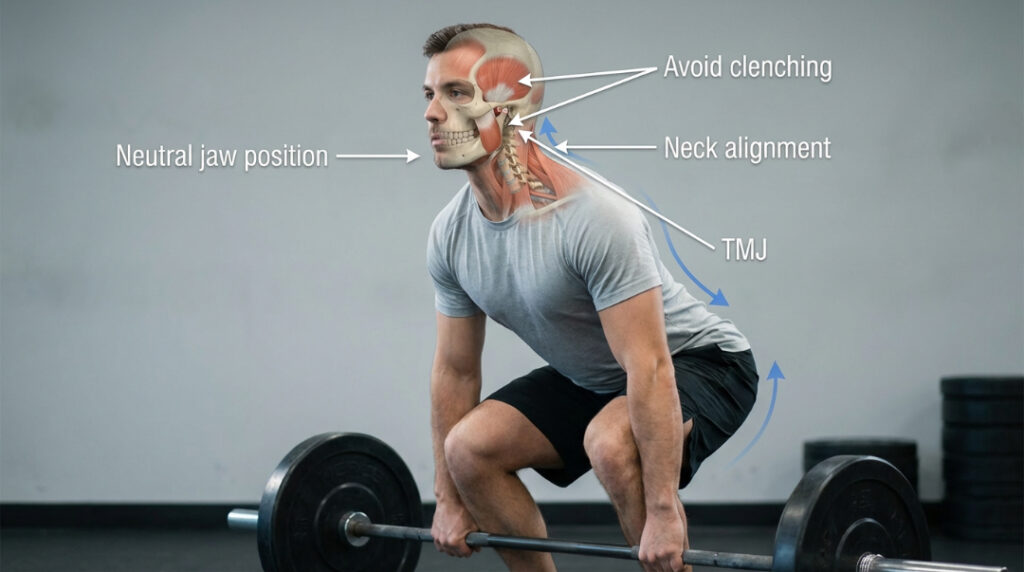
Practical steps help protect your jaw while lifting.
Making small changes lowers long-term TMJ risk.
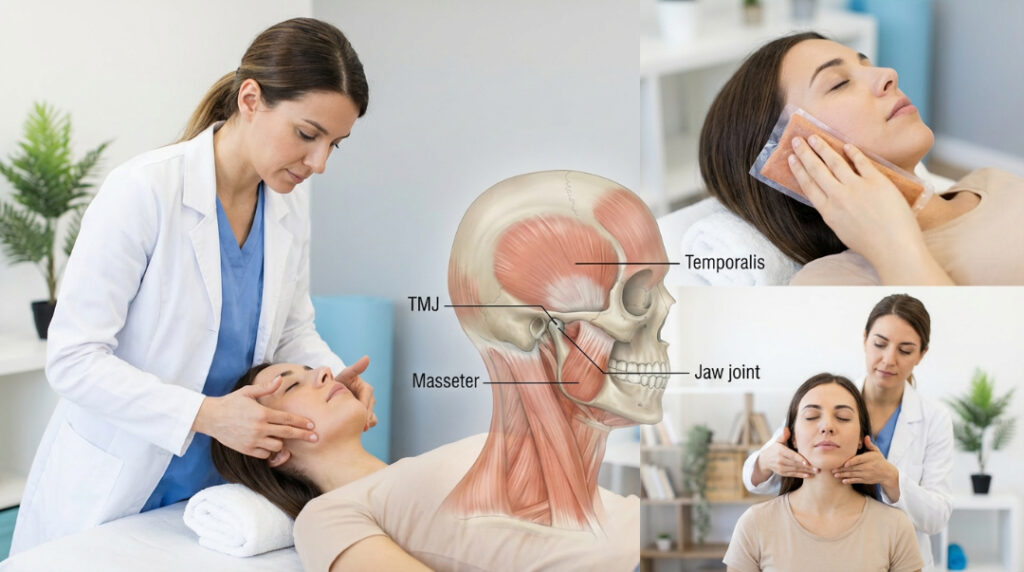
Once TMJ symptoms develop, treatment depends on severity.
Conservative care:
Medical options:
Most patients recover with conservative methods if treated early.
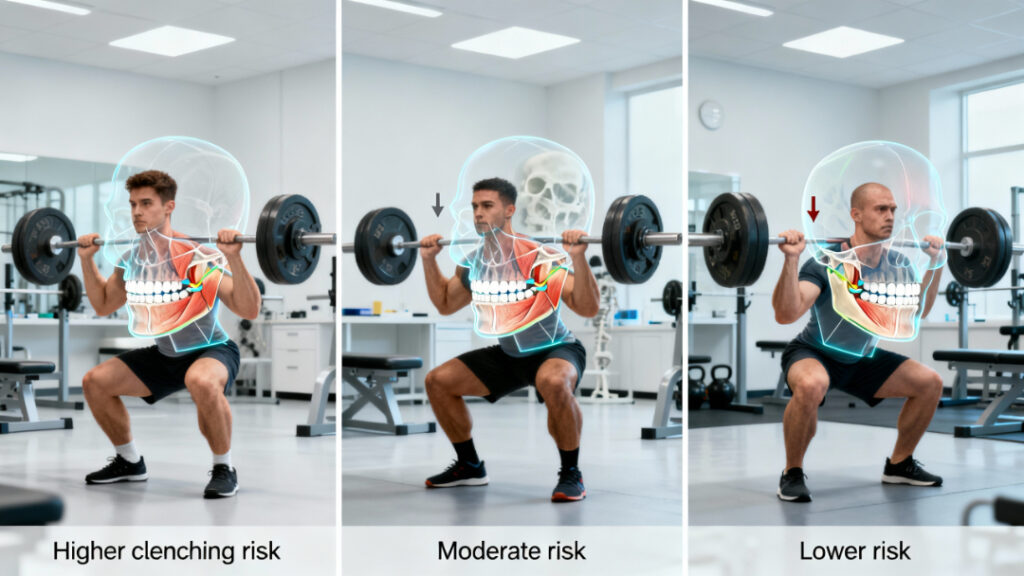
Different training styles affect TMJ stress.
Modifications:
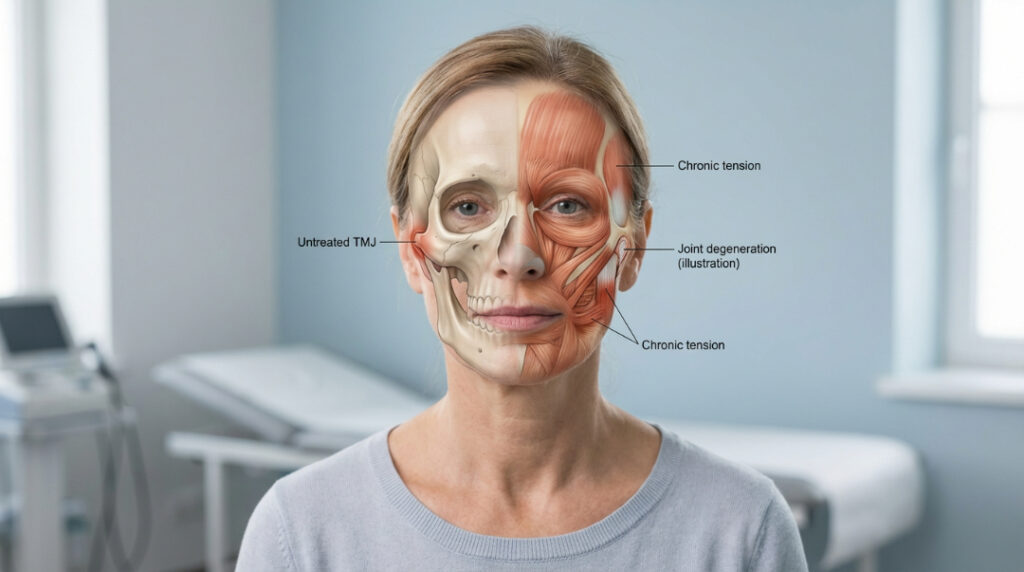
Untreated TMJ problems worsen over time.
Possible outcomes:
Early intervention improves recovery and keeps lifters training without interruption. Many athletes also wonder How Long Does TMJ Last, and Does It Go Away on Its Own? — understanding recovery timelines helps set realistic expectations and reinforces the importance of treatment.
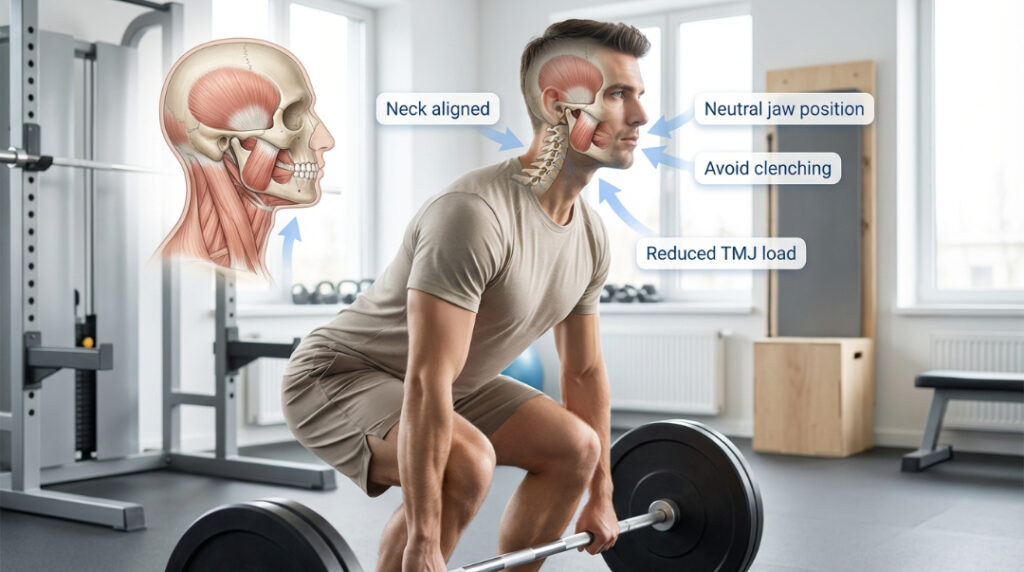
Form adjustments protect the jaw while keeping strength gains.
In Buford, Georgia, dentistry is undergoing a remarkable transformation, transcending its traditional boundaries to incorporate treatments that promise not just a radiant smile but overall well-being. Among these innovative treatments, Botox emerges as a frontrunner, skillfully administered by your Buford dentist to address both aesthetic concerns and therapeutic needs such as TMJ disorders. This guide explores the multifaceted role of Botox in dental care, shedding light on its benefits beyond mere cosmetic enhancements.
Botox, commonly associated with aesthetic procedures, is carving a niche within dental care, offering a spectrum of benefits that extend far beyond skin deep. Your Buford dentist is at the helm of this evolution, integrating Botox treatments to provide comprehensive care that encompasses both cosmetic improvements and relief from dental-related health issues.

One of the most significant therapeutic applications of Botox in dentistry is its effectiveness in managing Temporomandibular Joint Disorders (TMJ). This condition, characterized by pain and dysfunction in the jaw joint and facial muscles, can significantly impact an individual's quality of life. However, when treated with Botox strategically by your Buford dentist, it can offer relief and improve jaw function.
Beyond its therapeutic applications, Botox also plays a pivotal role in cosmetic dentistry. Your Buford dentist harnesses the power of Botox to fine-tune the esthetics of your smile, addressing concerns such as gummy smiles or asymmetries that traditional dental procedures may not fully correct. This dual approach ensures that the enhancements are not only visually appealing but also contribute to the overall harmony of facial features.
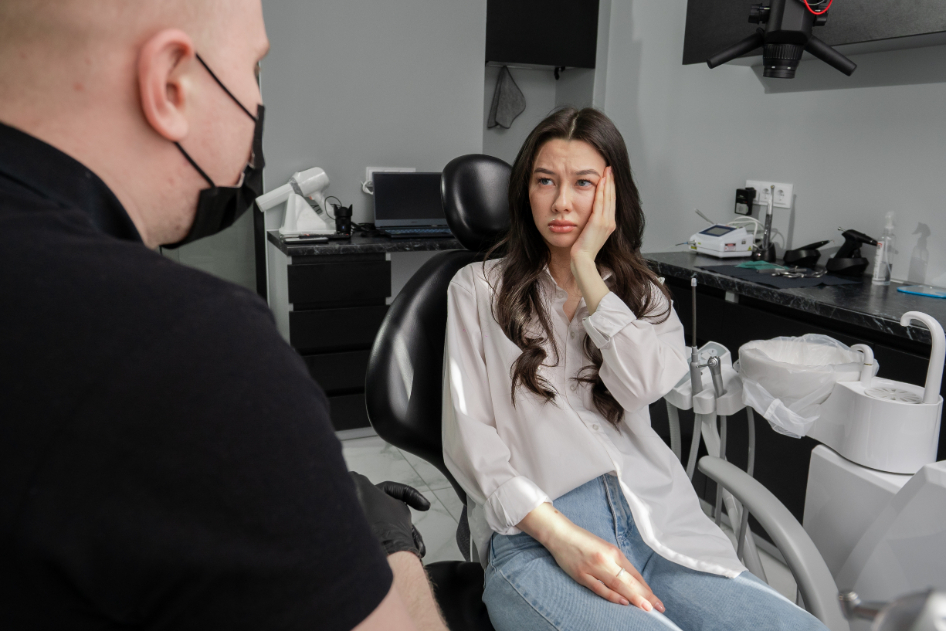
The introduction of Botox treatments in dental care has profoundly impacted patient experiences. Individuals seeking care from their Buford dentist can now enjoy a more holistic approach that addresses both their dental and aesthetic needs in a single, comfortable setting. This convergence of disciplines ensures that patients leave with not just healthier teeth but also enhanced confidence.
The integration of Botox into dental practices is more than just an addition to the array of services offered; it represents a paradigm shift in how dental care is approached and delivered. Your Buford dentist embodies this innovative spirit, constantly seeking out advancements and techniques that redefine traditional dentistry. This commitment to innovation goes beyond the chair—it's about crafting a dental experience that encompasses the full spectrum of oral health and aesthetics, tailoring treatments to the unique contours of each patient's needs and desires.
In this era of holistic health, the interplay between dental wellness and overall facial aesthetics is gaining recognition. Your Buford dentist understands this interconnectedness and leverages the latest research and technology to offer treatments that enhance not only your smile but your overall facial harmony. From digital imaging to advanced materials and techniques, every aspect of care is designed to be state-of-the-art.
Furthermore, this innovative approach is patient-centered, acknowledging that each individual's dental journey is unique. Your Buford dentist engages in a collaborative process, inviting you to be an active participant in your dental care. This empowers you to make informed decisions and contributes to a more personalized and satisfying experience.
The goal is to ensure that every visit not only addresses your immediate dental needs but also contributes to your long-term health and confidence. In this way, the introduction of Botox and other innovative treatments into dental practice is a testament to the evolving nature of dental care, where the focus is on comprehensive, patient-centered solutions that harmonize health and aesthetics.
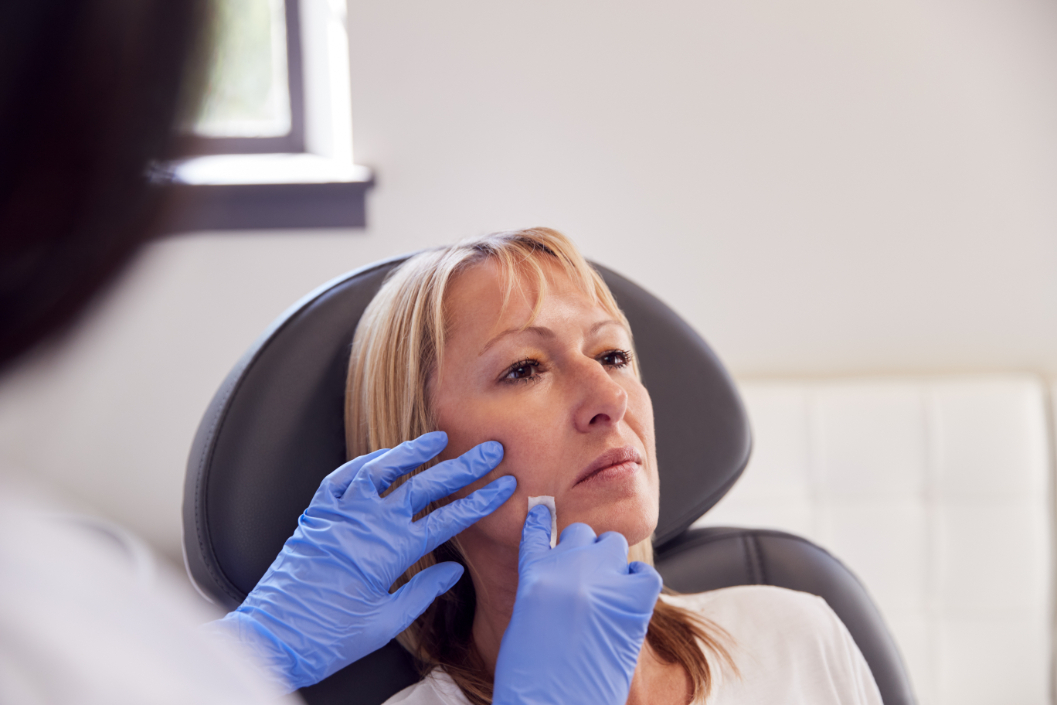
In the realm of dental care, particularly when it involves innovative treatments like Botox, the importance of patient education cannot be overstated. Your Buford dentist is committed to demystifying the process and potential of Botox in both therapeutic and cosmetic contexts, ensuring that you have a comprehensive understanding of what to expect. This educational approach extends beyond simple explanations, delving into how Botox works at a muscular level to alleviate conditions such as TMJ and bruxism, and how it can be skillfully used to enhance facial aesthetics in harmony with dental health.
Moreover, by fostering an environment where questions are encouraged and knowledge is shared freely, your Buford dentist empowers you to become an active participant in your treatment planning. This collaborative process not only aligns with your specific needs but also helps to dispel any apprehensions, making the journey towards optimal dental health and aesthetics an informed and confident one. Through this educational partnership, you gain the clarity and assurance needed to make choices that reflect your health priorities and aesthetic aspirations, ensuring outcomes that are both satisfying and sustainable.

As dental practices evolve, the future looks promising for patients seeking care in Buford. The innovative use of Botox, combined with a commitment to comprehensive dental health, paves the way for treatments that are not only effective but also tailored to the individual needs and aspirations of each patient.
By blending aesthetic enhancements with therapeutic benefits, Botox treatments offer a holistic approach to dental health, ensuring that patients enjoy not only a beautiful smile but also improved well-being. As dental technologies and techniques continue to evolve, the role of Botox in dentistry is set to expand, further enhancing the scope and quality of dental care available to patients in Buford and beyond.
A: Indeed, Botox cosmetic treatment is not only safe but also highly effective when performed in a dental setting by a trained and experienced professional. Dentists, with their extensive knowledge of facial anatomy and proficiency in precision injection techniques, are exceptionally well-qualified to administer Botox treatments. Safety protocols are rigorously followed to ensure that the procedure is not only effective but also comfortable and free from complications. Additionally, dental offices are equipped with the necessary tools and sterile environments to further safeguard patient health during Botox treatments.
A: While individual responses to Botox injections for TMJ relief can vary, most patients report a significant reduction in symptoms ranging from 3 to 6 months post-treatment. This duration allows for a meaningful period of relief from the discomfort and dysfunction associated with TMJ disorders. As the effects of Botox begin to wane, your dentist can assess your condition and discuss the timing for potential repeat treatments. This ongoing management strategy ensures that patients can maintain optimal comfort and jaw function over time.
A: Botox is remarkably versatile and can be seamlessly integrated with a wide array of dental treatments to achieve both aesthetic and therapeutic objectives. For instance, when planning cosmetic dental enhancements such as veneers, Botox can be used to adjust the lip line or reduce the appearance of a gummy smile, ensuring that the final result is harmonious and natural-looking. Similarly, for patients undergoing treatment for dental conditions like bruxism, Botox can provide adjunctive relief by relaxing the muscles involved, thereby enhancing the overall treatment outcome and patient satisfaction.
A: Your Botox experience at the dentist will begin with a detailed consultation, where your dentist will discuss your aesthetic and/or therapeutic goals to tailor the treatment plan to your specific needs. The injection process itself is quick, usually taking just a few minutes, and involves minimal discomfort. Utilizing a fine needle, your dentist will strategically administer Botox to the targeted injection sites, ensuring precision and optimal results. Post-treatment, there's no downtime required, allowing you to immediately resume your daily activities. Your dentist will also provide aftercare instructions to ensure the best possible outcome from your Botox treatment.
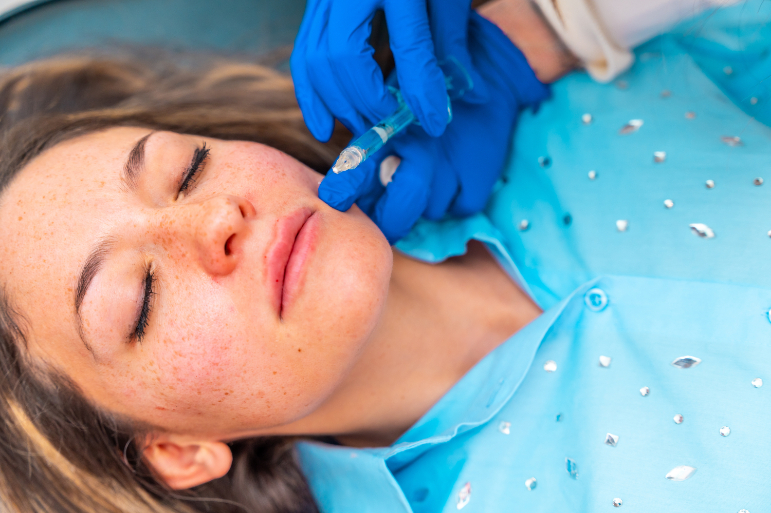
Post-treatment, there's no downtime required, allowing you to immediately resume your daily activities. Your dentist will also provide aftercare instructions to ensure the best possible outcome from your Botox treatment.

When it comes to maintaining our overall health, oral hygiene plays a pivotal role, yet it's often overlooked. As your trusted Buford dentist, we're here to guide you through understanding tooth decay and how to reclaim your oral health. Tooth decay, a prevalent issue affecting many, can lead to significant discomfort, tooth loss, and more severe health problems if left untreated. But fear not, regaining your oral health is entirely possible with the right knowledge and care.
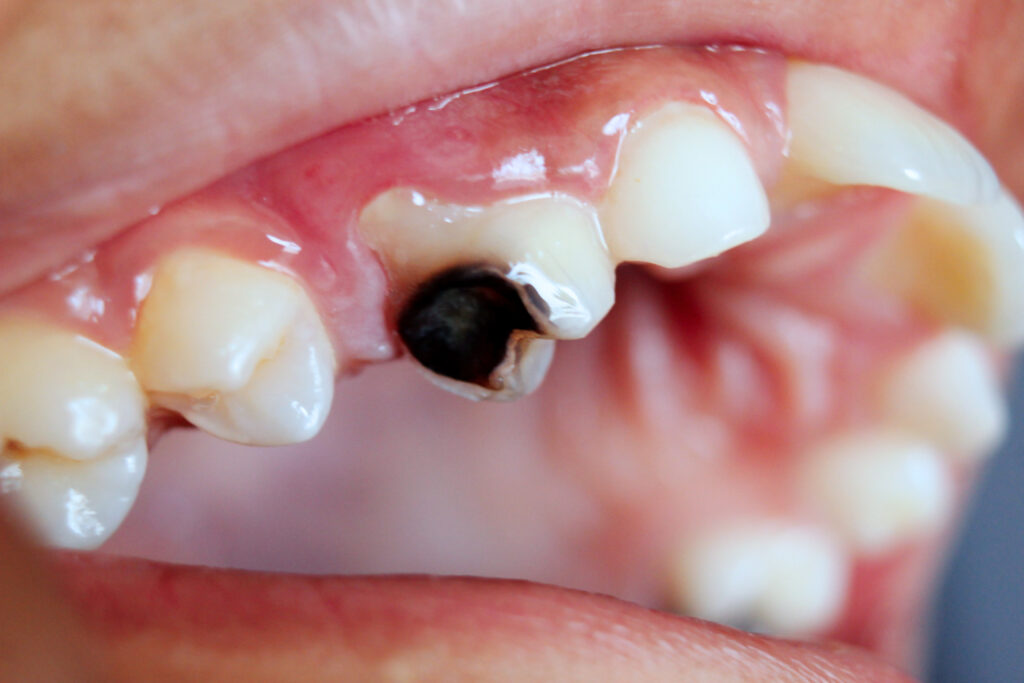
Tooth decay is the destruction of tooth enamel, the hard, outer layer of your teeth. It occurs when foods containing carbohydrates (sugars and starches) are left on the teeth, creating a dental plaque. Bacteria living in the mouth digest these foods, turning them into acids. Over time, these acids can cause significant damage, leading to cavities and other oral health issues.
Regular visits to your Buford dentist play a crucial role in preventing tooth decay. Through routine check-ups, professional cleanings, and personalized advice, dentists can help you avoid the onset of decay and address any issues before they escalate.
Recognizing the early signs of tooth decay is essential for timely intervention. Symptoms may include tooth sensitivity, mild to sharp pain when eating or drinking something sweet, hot, or cold, and visible holes or pits in your teeth.
Regaining oral health involves a comprehensive approach, including regular dental check-ups, a solid home care routine, and possibly advanced dental procedures to restore health and aesthetics.
Routine dental visits are not just for cleaning; they're an opportunity for your dentist to detect any early signs of problems and prevent them from worsening.
Brushing your teeth and flossing are the foundation of dental care. Brushing twice a day with fluoride toothpaste and flossing daily are key to removing plaque and preventing tooth decay.
For those already suffering from tooth decay, modern dentistry offers a range of procedures, from fillings and root canals to implants and cosmetic dentistry, to restore dental health and aesthetics.
Cosmetic dentistry, while often associated with aesthetics, also plays a significant role in improving oral health by repairing damaged teeth and improving alignment, which can prevent future decay, receding gums, and gum disease.
After addressing immediate dental issues, maintaining your dental health is crucial. This includes continued good oral hygiene practices, regular dental check-ups, and being mindful of factors like diet that affect dental health.
Creating a dental routine that is easy to maintain and effective is key. This includes choosing the right products and making dental care a consistent part of your daily routine.
Diet plays a significant role in dental health. Consuming a balanced diet and limiting sugary snacks and drinks can help prevent tooth decay and promote overall health.
Having a trusted Buford dentist is invaluable for maintaining oral health. They can provide personalized care, advice, and treatment to ensure your mouth stays healthy.
When considering cosmetic or implant dentistry, choosing a dentist with the right expertise and experience is essential. Look for someone who is not only skilled in these areas but also prioritizes your overall oral health.
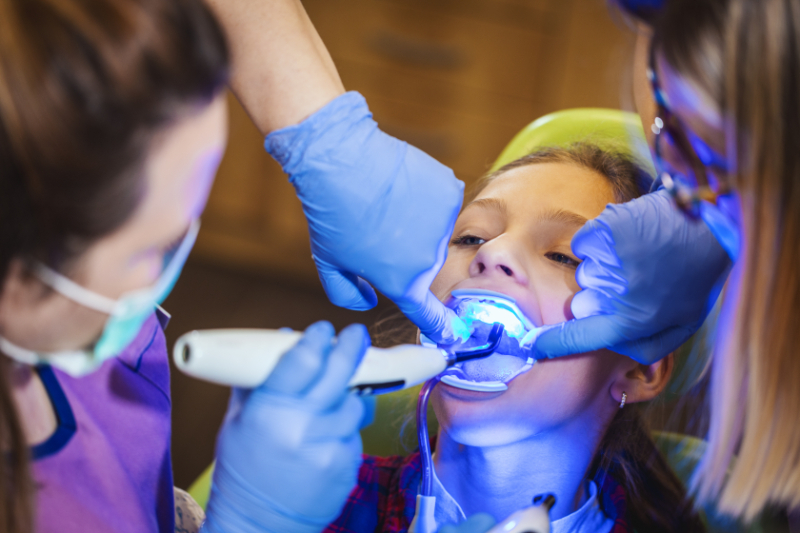
Taking control of your oral health is a crucial step towards overall well-being. Don't wait for the tooth decay process to become a severe problem. Regular dental visits, a solid oral hygiene routine, and a healthy lifestyle are key to spotting early tooth decay and maintaining a healthy smile.
A: Tooth decay occurs when bacteria in your mouth produce acids that attack the enamel of your teeth. This process can be triggered by consuming foods and drinks high in sugars and starches, poor oral hygiene, not brushing and flossing regularly, and not visiting the dentist for regular check-ups and cleanings. Over time, these acids can erode the tooth enamel, leading to cavities and, if untreated, more severe dental issues.
A: It is recommended to visit your dentist at least twice a year for regular check-ups and cleanings. However, depending on your individual oral health needs, your Buford dentist may suggest more frequent visits. Regular dental appointments are crucial for preventing tooth decay, identifying issues early on, and maintaining overall oral health.
A: In its early stages, tooth decay can be stopped or reversed. Fluoride treatments, good oral hygiene practices, and dietary changes can help remineralize enamel in the initial stages of decay. However, once a cavity has formed, it cannot be reversed and will need to be treated by a dentist, usually with a filling or other restorative procedures.
A: Cosmetic dentistry offers several benefits beyond just improving the appearance of your teeth. It can help restore the function and integrity of your teeth, improve your oral health by fixing broken, chipped, or misaligned teeth, and boost your self-confidence and self-esteem. Procedures such as veneers, teeth whitening, and orthodontics not only enhance your smile but can also contribute to better dental health.
A: Choosing the right Buford dentist involves several considerations. Look
for a dentist with a good reputation, proper credentials, and a field of specialization that matches your dental needs, whether it's general dentistry, cosmetic procedures, or specialized treatments like implants. It's also important to choose a dentist who communicates clearly, listens to your concerns, and makes you feel comfortable. Recommendations from friends, family, and online reviews can also be helpful in making your decision.
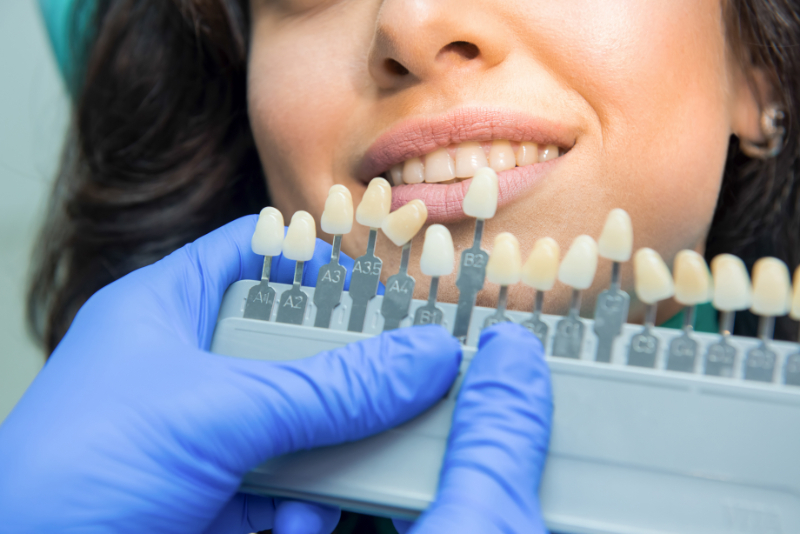
So, you've made the decision to explore the world of cosmetic dentistry and enhance your smile. Congratulations on taking this exciting step! Now, before jumping into any dental chair, let's talk about choosing the perfect cosmetic dentist for you. It's not just about picking a name out of a hat—there are some key factors to consider to ensure you get the smile you've always dreamed of.
First things first, let's talk about qualifications and credentials. When you're on the hunt for the right cosmetic dentist, you want someone who's not just skilled but also well-educated in their craft. Look for a dentist who has completed their education at a reputable dental school and received additional cosmetic procedure training. Here in Buford, GA, you'll find plenty of talented dentists, including Buford Dentist, who have gone above and beyond with their continuing education to stay at the top of their game.
Next up, experience and expertise are key. You wouldn't trust just anyone with your smile, right? Look for a cosmetic dentist who has a solid track record of delivering exceptional results. Whether you're looking to brighten your smile with teeth whitening or completely transform it with veneers, you want someone who knows their stuff inside and out. With Buford Dentist, you'll find a dentist with years of experience and a knack for creating beautiful smiles.
Now, let's talk about the power of word of mouth. Before you commit to any cosmetic dentist, take the time to read reviews and testimonials from their past patients. These firsthand accounts can give you valuable insights into what it's like to choose a cosmetic dentist and what kind of results you can expect. Check out Buford Dentist, where you'll find plenty of glowing reviews for a top-notch dentist who has helped countless patients achieve their dream smiles.
In the world of cosmetic dentistry, technology is everything. From digital imaging systems to laser technology, innovative tools can make all the difference in achieving the smile of your dreams. When you're researching cosmetic dentists in Buford, be sure to ask about the technology and equipment they use. You want someone who stays up-to-date with the latest advancements to ensure you get the best possible results.
No two smiles are alike, which is why personalized treatment plans are so important. Look for a cosmetic dentist who takes the time to understand your unique needs and goals and creates a treatment plan tailored specifically to you. Here in Buford, GA, you'll find a dentist who understands the importance of customization and takes pride in creating smiles that are as unique as their patients.
Seeing is believing, right? Before you commit to any cosmetic procedure, ask to see before and after photos of the dentist's previous work. This will give you a firsthand look at their skills and aesthetic style and help you feel confident in your decision. Here in Buford, GA, you'll find a dentist who is more than happy to show off their portfolios and showcase the amazing transformations they've achieved for their patients.
Let's talk about everyone's favorite topic: cost. Cosmetic dentistry can be a significant investment, but don't let that scare you off just yet. Many cosmetic dentists in Buford offer a variety of financing options to make treatment more affordable. So, don't be afraid to have an honest conversation about costs upfront and explore your options. After all, your dream smile is worth every penny.
Last but not least, consider the location and accessibility of the dental office. You don't want to have to travel halfway across Buford every time you have an appointment, do you? Look for a conveniently located office with ample parking and easy access from your home or workplace. Trust me, your future self will thank you for it.
Choosing the right cosmetic dentist is a big decision, but with the right guidance, it doesn't have to be overwhelming. By considering factors like qualifications, experience, reviews, and personalized care, you can find a Buford dentist who meets your needs and exceeds your expectations. So, take your time, do your research, and get ready to flash that dazzling smile for years to come.
December 4, 2024
