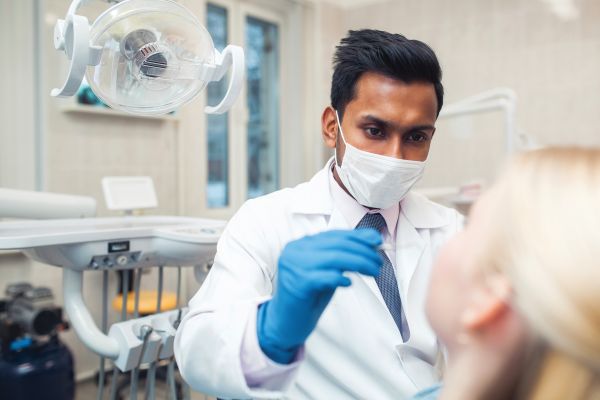
When it comes to keeping teeth healthy and clean, general dentists encourage preventative care at home as well as at a dental office. Although most people understand the concept of oral hygiene, there are different techniques to use and steps to take that can help teeth look and feel great. Here are some of the ones most commonly recommended by dentists.
Because dental office visits typically only take place every six months, home maintenance is required to keep teeth healthy in between appointments.
Just moving a toothbrush around on the teeth is not enough to get them sufficiently clean. Instead of simply brushing the crown part of the tooth, make sure to brush along the gum line as well, where food is more likely to get caught and stick. It is also important to brush the teeth all the way in the back of the mouth and not just the front ones that are more visible and easier to reach. Brushing at least twice daily with an appropriate toothbrush and toothpaste is recommended.
Although some people consider flossing an unnecessary step or something to be done only when a food particle gets lodged in between the teeth, it is actually a critical component of proper dental hygiene. Bacteria tends to collect near the roots of the teeth along the gum line, and that is also where plaque build-up occurs. Flossing properly can get rid of the bacteria and plaque a toothbrush is unable to reach.
Even people who take excellent care of their teeth at home still need to visit a dentist regularly. There are some components of proper preventative care that can only be completed by a dental professional.
The specialized training and tools used by dental professionals allow them to get rid of plaque and tartar in a way that no amount of brushing and flossing can. Without this kind of routine cleaning, plaque and tartar can slowly build up and cause significant damage to the teeth and gums.
In many cases, people have oral issues such as cavities or gum disease but are unaware of them. General dentists can examine the teeth and identify areas of decay or other issues that need fixes.
Any dentist can benefit from looking at X-rays of a patient’s teeth as well as performing a visual exam. An X-ray shows not only the outside of the teeth but the root and nerve as well, so it can display problem areas not visible with the naked eye.
General dentists can provide treatments like teeth cleaning, oral exams and X-rays for patients that visit a dental office as part of an oral preventative care plan. Home maintenance like tooth brushing and flossing is also required to ward off tooth decay and keep the teeth looking clean. By taking appropriate preventative care, patients can avoid oral issues like gum disease. Request an appointment here: https://buforddentist.com or call North Atlanta Center for Cosmetic & Implant Dentistry at (770) 932-1115 for an appointment in our Buford office.
Check out what others are saying about our services on Yelp: Read our Yelp reviews.
December 12, 2024
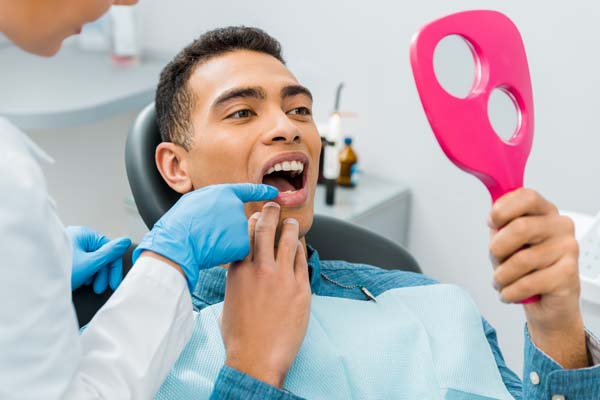
Though many people regularly go to a dentist in Buford for cleanings and check-up appointments, others choose to wait until experiencing dental pain before scheduling a visit. The American Dental Association does not have an official recommended frequency for dental visits but instead states that the dentist should determine how often a patient should come in for appointments. The Centers for Disease Control and Prevention report that only approximately 65% of American adults over the age of 18 saw a dentist in the most recent year surveyed (2016). Regardless of how long it has been since a patient was seen by a dentist, there are several troubling issues that indicate a patient should quickly schedule a dental appointment.
It is a good idea for adults to recognize the signs of a healthy mouth as well as the signs of poor oral health, both for their own health as well as for any children. By treating the following signs quickly, patients can avoid future painful and expensive procedures and experiences.
Gum disease can be pervasive once it sets in to the mouth of a patient. Bleeding gums are one of the warning signs that a patient may have gum disease, also known as periodontal disease. Whether the gums bleed only during brushing or flossing or they bleed intermittently during the day or night, patients ought to note the frequency and duration of gum bleeding. A dentist in Buford can help to clean the teeth at the gumline and recommend good dental care practices to reverse the signs of gum disease.
While mouth pain is often common in young children whose teeth are growing in, persistent mouth pain in adults or teenagers should be reported to a dentist. Sometimes, the pain can be an indicator of stress, which can be remedied with a custom mouth guard to prevent grinding the teeth. At other times, it could be part of sinus infections, gum disease or headaches. In serious cases, jaw pain can be a sign of a heart attack. It is important that patients tell a dentist in Buford when and where the pain is felt.
Though some people believe that bad breath is simply caused from eating too many smelly or spicy foods, it can also be a symptom of hidden health concerns, such as the following:
An increase in lasting bad breath should be reported to a dentist when it is noticed. With quick action, a dentist can tell whether the bad breath is linked to gum disease or health problems in another part of the body.
As with many sudden or lingering health concerns, it is important that patients stay aware of changes in the mouth and tell a dentist in Buford. Oral health is a vital part of overall health, so signs of oral trouble can be connected to health problems elsewhere in the patient.
Request an appointment here: https://buforddentist.com or call North Atlanta Center for Cosmetic & Implant Dentistry at (770) 932-1115 for an appointment in our Buford office.
Check out what others are saying about our services on Yelp: Read our Yelp reviews.

When searching for a dentist in Buford, one of the first factors you should consider is proximity. Proximity, according to findings published in ScienceDirect, is one of the greatest barriers to health care in the United States. Though this problem is more pervasive in rural areas, findings suggest that anyone who selects health care providers farther from home is less likely to maintain appointments or schedule routine checkups.
When it comes to choosing a dentist, many individuals weight the pros and cons of selecting a dentist who is nearby versus one who is more distant but offers other benefits. Below are a few good reasons to ultimately go with the dentist who is close to home.
Dental emergencies happen more often than one might think. Even a minor accident can result in a knocked-out, loose or chipped tooth. More often than not, these accidents happen at home or during down time. When a dentist is located in the same neighborhood, patients can rest assured that help is easily and readily accessible should they need it.
Even if a person’s dentist is located in the same city, it may be difficult for the dentist/patient duo to establish a close-knit relationship. Differences in school loyalties, economic statuses, cultures and beliefs can make it difficult for the pair to establish a bond. On the other hand, when a person chooses a dentist in the same neighborhood, it may be easier to bond over things like favorite teachers, favorite coffee shops, school sports, mayoral candidates, cultural beliefs and other factors that are important to a community.
Local dental offices typically have connections with local hospitals. Though one should hope to never have to go to the hospital for a dental emergency, the risk is present all the same. Tooth abscesses, if left untreated, can cause dangerous or even fatal infections in the body. A head injury may result in more than just a knocked-out tooth, or an adverse reaction to anesthesia may result in the need for immediate emergency attention. A person can have peace of mind that medical help is a short distance away when their dental office is close to home.
Possibly the best reason to choose a dentist in Buford is the convenience of doing so. When a dentist is right around the corner, a person does not have to carve out a huge chunk of time to travel to and from the dental office. Moreover, if a patient undergoes anesthesia and needs a ride home, a family member, friend or neighbor does not have to go out of the way to lend a helping hand.
There are plenty of reasons a person might want to choose a dentist in Buford who is close to home. Ultimately, however, a person should always look for a dentist who meets their needs. Request an appointment here: https://buforddentist.com or call North Atlanta Center for Cosmetic & Implant Dentistry at (770) 932-1115 for an appointment in our Buford office.
Check out what others are saying about our services on Yelp: Read our Yelp reviews.

Speaking to a Dentist in Buford can help with better understanding the common issues that plague people’s oral health. Keeping a clean mouth can lead to a better bill of health overall. Since the mouth is the path of least resistance for germs and bacteria to enter the body, letting bacteria fester in the mouth may also lead to internal issues. One of the culprits of this invasion is something called plaque. Learn what this common pest does to the body and how to stop it.
When it comes to understanding the best way to maintain a healthy mouth, start out learning about plaque. This condition is one of the most common dental ailments that dentists combat. It occurs in children and adults of every age. It is a substance that coats the teeth. It is almost always unseen, except by the trained eye of a dental professional. Plaque is filled with bacteria that are mostly the result of sugar left behind from the foods and drinks consumed.
Sugar that sits on the teeth too long turns into a coating that cakes teeth in a harder shell. The bacteria in plaque are actively eating away at the surface of the teeth. If plaque is not removed within two days of settling, it becomes tartar. Tartar cannot be removed by brushing alone, and the bacteria in it continue to spread, burrowing into teeth and down the surface to the gum line. It continues to eat away at the fleshy part of the gum, pulling the gums away from the teeth, creating gaps. What results is gingivitis, which allows an open pathway for bacteria to enter the bloodstream.
While plaque cannot always be seen, it is almost always present. Therefore, learning how to best combat it before it starts to cause tooth decay and gum disease is essential.
A Dentist in Buford wants patients to maintain a clean and healthy brushing and flossing routine at home to prevent plaque from progressing. According to mouthhealthy.org, dentists recommend brushing the teeth twice a day with a soft-bristle toothbrush for at least two minutes. Patients should also floss at least once a day to remove particles from in between the teeth.
Visiting the Dentist in Buford for annual or bi-annual checkups and cleanings will also help keep plaque at bay. Hygienists at the office use intricate tools and special toothpaste to help get all residual deposits out from the surface of the teeth.
If plaque deposits have gone on too long and tartar buildup is rampant, a dentist may suggest a periodontal cleaning. This is typically done in several sessions and involves intense and heavy scraping and brushing to clear the teeth of bacteria. This is usually necessary for patients who have not maintained a proper brushing routine.
Check with a Dentist in Buford to see if you have plaque under control. Staving off tooth decay and gum disease should be a priority for remaining healthy overall. Request an appointment here: https://buforddentist.com or call North Atlanta Center for Cosmetic & Implant Dentistry at (770) 932-1115 for an appointment in our Buford office.
Check out what others are saying about our services on Yelp: Read our Yelp reviews.
Even your family dentist cannot deny the alluring power of coffee, which is why many dental professionals have found ways to keep oral health in top shape without giving up this beloved beverage. If you just have to have that daily cup of joe, follow these tips to prevent any mouth misfortunes.
Before you take that first sip of coffee, grab a straw to keep teeth clean.
When you drink coffee without a straw, the liquid has an easier time swishing around your mouth, sticking to and staining teeth along the way. A straw corrals the liquid and allows it to go more directly to the throat, so it will touch teeth less and reduce the chance of staining.
In addition to adding a creamy, delicious flavor to coffee, milk can also help keep teeth white despite coffee’s reputation for staining.
Tannins, particles found in coffee, stick to teeth and cause the yellowing associated with drinking coffee and tea. According to a study in the International Journal of Dental Hygiene, the milk protein casein attaches to tannins and prevents them from sticking to teeth. This helps stop staining of the teeth.
After each cup of coffee, your family dentist and the ADA recommend following up with a glass of water.
By drinking water after coffee, you can rinse the tannins away. Otherwise, the tannins will remain on the teeth and cause yellowing. Another benefit? Intentionally adding more water to your coffee routine is a great way to stay hydrated.
While coffee has many benefits, it is infamous for causing tooth yellowing and bad breath. Combat both effects at once by chewing sugar-free gum. Make sure to choose sugarless gum with the ADA seal, as sugar can lead to cavities.
According to the ADA, chewing gum helps increase saliva production. Saliva can rinse out food debris, carry away the tannins left by your coffee, neutralize acids from bacteria and even carry calcium and phosphate, which is known to strengthen tooth enamel. The ADA recommends chewing sugar-free gum for about 20 minutes after eating or drinking coffee.
While sugar can help take the bitterness out of coffee, it is better to leave it out of the cup. Instead, experiment with different coffees until you find one you enjoy in its more natural state.
Any family dentist will warn of the havoc sugar can wreak on teeth. Sugars are attractive to bacteria, which can later lead to cavities and tooth decay.
Your family dentist probably loves coffee just as much as you do. If you want to continue drinking this magical elixir without compromising those pearly whites, talk to your family dentist for more advice on keeping your teeth healthy. Request an appointment here: https://buforddentist.com or call North Atlanta Center for Cosmetic & Implant Dentistry at (770) 932-1115 for an appointment in our Buford office.
Check out what others are saying about our services on Yelp: Read our Yelp reviews.
Sweets damage teeth because sugar feeds bacteria in the mouth, which produce acids that erode enamel and cause cavities. The longer sugar stays on your teeth, the greater the harm, especially with sticky or frequent snacking. With the right habits, you can enjoy sweets while protecting your oral health.

Sweets harm teeth by fueling bacteria in the mouth. These bacteria convert sugar into acid, which lowers the pH and starts dissolving enamel.
Key steps in the process:
This process repeats with every exposure to sugar. If you snack on candy often, your teeth face continuous acid attacks with little time to recover.

Enamel is the hard outer layer of your teeth. It protects the softer dentin beneath. Acid wears down enamel, and once lost, it does not grow back.
Tooth decay develops when:
Eventually, the enamel breaks down and cavities appear. If untreated, decay spreads to dentin and pulp, requiring more advanced dental treatment.

Sugar impacts teeth both right after eating and across years of frequent exposure.
Immediate effects:
Long-term effects:

Not all sweets harm teeth in the same way.
Sweets that stay in the mouth longest tend to do the most damage.

Certain groups are more vulnerable to the effects of sugar on teeth.

Sensitivity is often the first sign sugar is harming your teeth. If cold or sweet foods cause sharp pain, enamel erosion may already be underway.
Other early warnings:
Early detection helps prevent severe decay.

Many foods thought to be “healthy” still contain sugars that damage teeth.
Examples:
Checking labels is key. Terms like sucrose, fructose, glucose, and corn syrup all mean added sugar.

Fluoride strengthens enamel and helps reverse early damage.
Options include:
Saliva neutralizes acids and repairs enamel. You support saliva flow by:


Worst offenders:
Better alternatives:

At Buford Dentist, we see the long-term impact of sweets on oral health every day. The most effective protection strategies include:
Taking these steps lowers the chances of needing fillings, root canals, or tooth extractions later.
Acid attacks last about 20 minutes after eating. If you keep snacking, the cycle restarts each time.
Yes. Once enamel is gone, it does not regrow. Preventive care is the only way to protect it.
No. Wait at least 30 minutes so enamel can reharden before brushing.
Xylitol and other sugar-free alternatives do not produce harmful acids. They are less damaging to teeth.
Yes. Chocolate clears from the mouth faster than sticky candy, but it still contains sugar that feeds bacteria.

If sugar exposure continues without prevention, the outcome is predictable:
Balancing sweet consumption with preventive care helps preserve your teeth for the long term.

The truth about sweets and how they damage teeth is clear. Sugar feeds bacteria that attack enamel, leading to cavities and long-term oral health problems. But with smart habits, regular care, and professional guidance from Buford Dentist, you protect your teeth while still enjoying treats.
Choose sweets wisely, manage how often you eat them, and keep up with daily care. Your teeth will stay stronger, healthier, and pain-free for years to come.
Seeing a dentist in Buford during pregnancy protects both your oral health and your baby’s health. Pregnancy increases risks like gum disease, tooth decay, and enamel erosion, but safe dental visits in Buford help detect and treat problems early while supporting a healthier pregnancy overall.
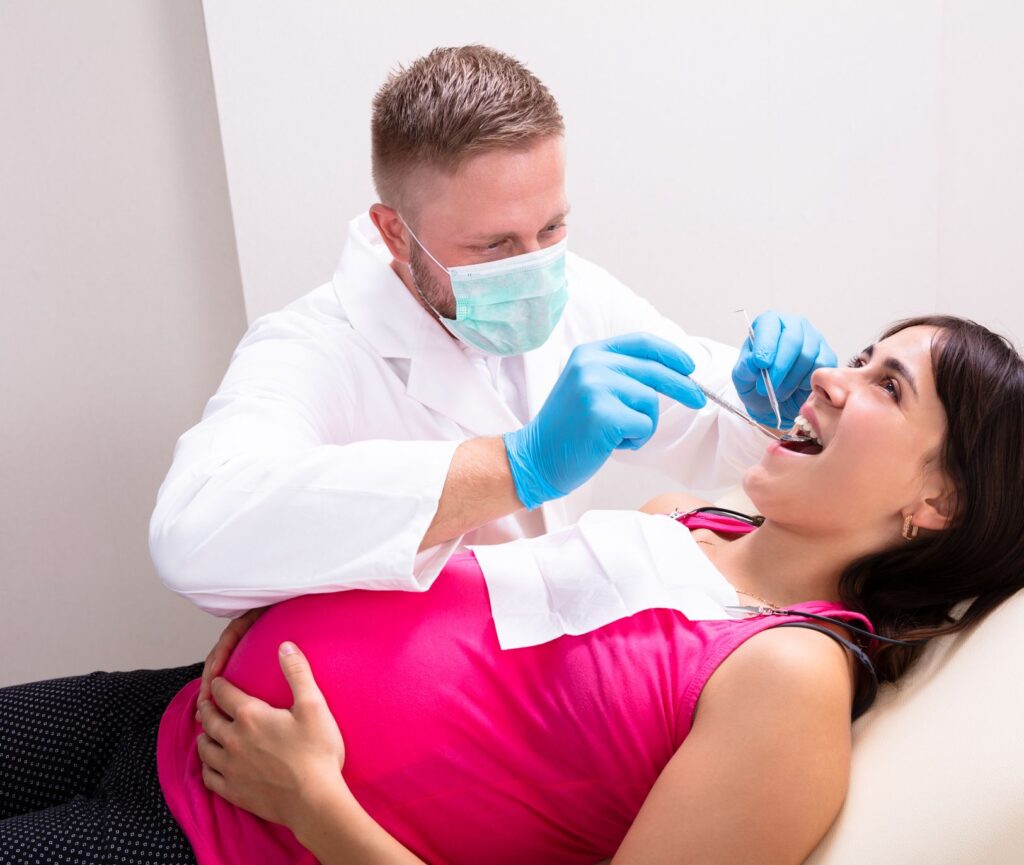
Pregnancy changes the body in many ways. Oral health is no exception. Hormonal changes, morning sickness, and dietary shifts raise risks for dental problems that can affect both mother and baby.

Pregnant patients benefit from the support of a local provider who understands how pregnancy affects oral health. Buford Dentist offers safe, tailored care that aligns with your stage of pregnancy. Learn more about our General Dentist services to see how we handle preventive, restorative, and emergency care for expecting mothers.

Consistent daily habits strengthen oral health and reduce risks throughout pregnancy.

Dental care needs vary across pregnancy stages. Recognizing the right timing helps keep you comfortable and healthy.

Choosing the right dentist supports both your pregnancy and your peace of mind.

Pregnancy increases oral health risks that affect both mother and baby. Regular visits to Buford Dentist protect your gums and teeth while reducing risks of complications like preterm birth and low birth weight. By working with a trusted local provider, you ensure safe, personalized, and effective dental care throughout pregnancy. Schedule a visit today to protect your health and give your baby the best possible start.
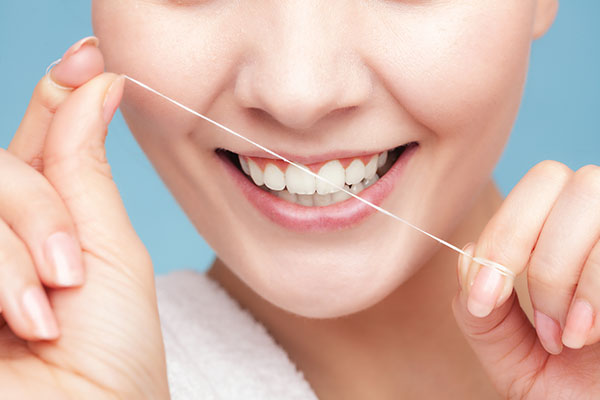
Despite an irresponsible news story published a few years ago that planted seeds of doubt in the public consciousness, a reputable dentist in Buford still strongly recommends daily flossing as an essential part of preserving and maintaining oral health. The process of chewing forces food particles into the spaces in between teeth. Brushing is effective at cleaning off the outer surfaces of the teeth but cannot penetrate the spaces in between. Only flossing can get into those spaces to remove those particles, which makes it as important, if not more so, to dental care as brushing.
Not flossing can contribute to multiple problems in the mouth, such as bad breath, cavities and periodontal disease.
Food particles that remain trapped between teeth attract bacteria. The food particles feed the bacteria, which then give off byproducts with an unpleasant odor. This is one of the most common causes of bad breath.
The bacteria that feed on the leftover food particles and produce bad breath can also release an acid. When not removed by brushing and flossing, the acid can cause cavities by eating away at the outer surface of the teeth.
The bacteria that gathers in the mouth to feed on leftover food particles between the teeth can also cause periodontal infections. The term “periodontal” refers to the soft structures that surround and hold the teeth in place, particularly the gums. Periodontal infection can cause the following problems:
Not only that, but the bacteria that cause periodontal infection can also spread to other parts of the body and cause other major problems. Though more research is needed, there may be a connection between gum disease and Alzheimer’s, stomach cancer, diabetes and heart disease.
Flossing is important, but it is also necessary to floss the right way to get the full effect and avoid difficulties. Here are a few helpful hints from established dental professionals:
Flossing should only be performed with dental floss or other tools expressly designed for the purpose, such as dental picks. Some people “floss” their teeth with whatever they may have handy, such as cutlery, fingernails or folded paper. This is unhygienic and could bring the risk of injury or disease. It is not worth the risk.
Even when only considering tools specifically developed for the purpose of flossing, there are many options available. Which works best will depend on individual patient preference, but patients who wish to avoid the cutting and bleeding that can result from fine floss may consider wider types of floss such as tape or ribbon varieties. These types also tend to feel more comfortable in a person’s hand and clean better due to the wider surface area.
In a perfect world, flossing would take place after every meal, but the minimum recommendation is at least once per day. How often a patient flosses is more important that when. In other words, it makes no difference whether a patient flosses in the morning or at night, before or after brushing.
When a dentist in Buford recommends flossing, take it seriously. The dentist is backed up by the American Dental Association and evidence-based dentistry that demonstrates fewer oral problems in patients who floss.
Request an appointment here: https://buforddentist.com or call North Atlanta Center for Cosmetic & Implant Dentistry at (770) 932-1115 for an appointment in our Buford office.
Check out what others are saying about our services on Yelp: Read our Yelp reviews.
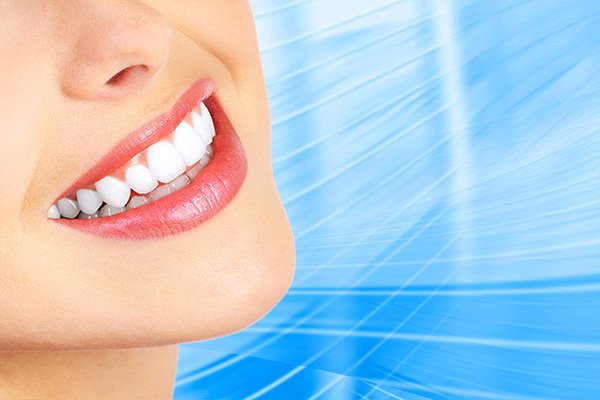
Going to the dentist for general dentistry in Buford is an important decision. A competent practice can help you achieve your oral health goals. However, there is no question that there is also some trepidation and nervousness that can accompany your visits. This is why it is crucial that you choose a dentist who can help you and that you know will give you effective treatments and make you feel comfortable and at ease. Dentists help individuals and families alike to improve the appearance and health of their teeth and mouth. If you are still not sure which place to choose or how you can know which office will meet your needs, there are some important characteristics to keep an eye on.
An online search will reveal that there are a number of practices in the area that do general dentistry in Buford. Not all of these businesses are equal when it comes to quality and customer service. The most sought-after dental practices see patients as much more than names on a chart or another face through the door. People would do well to select a dentist that puts dental needs first and have the patients’ interests at heart. Good dentists are aware of what a patient requires for better health. These professionals will never prescribe services or treatments that do not address what is right and effective for the patient.
It is true that many people have anxiety when it is time to go to the dentist. Some patients may even dread this experience. Most dental offices have a professional staff that will greet everyone through the door with a smile and with kindness. Meanwhile, dentists will do everything they can to ease every patient’s fears. Good dentists know how to work with people of all ages, especially those people who are afraid of the various procedures they may undergo.
Caring for one’s teeth requires dedication and diligence on the individual’s part. Despite all efforts, people still end up getting cavities, breaking teeth, experiencing gum problems or having a host of other troubling issues. Each of these requires treatment and attention, but the top dentists in the area will never advise patients to get anything they do not need. Dentists should also do everything possible to work with insurance companies to make sure services are covered. It is also important to choose a dental provider who can be flexible with payments and different payment options.
Do not randomly select just any dental office to care for your teeth. These characteristics are vital for you and your family when it is time to pick an office for your oral needs. Dentists are dedicated to helping you feel good about your choice, offering a variety of services and caring about your well-being. Get in touch with your dentist today and schedule a time for an examination.
Request an appointment here: https://buforddentist.com or call North Atlanta Center for Cosmetic & Implant Dentistry at (770) 932-1115 for an appointment in our Buford office.
Check out what others are saying about our services on Yelp: Read our Yelp reviews.
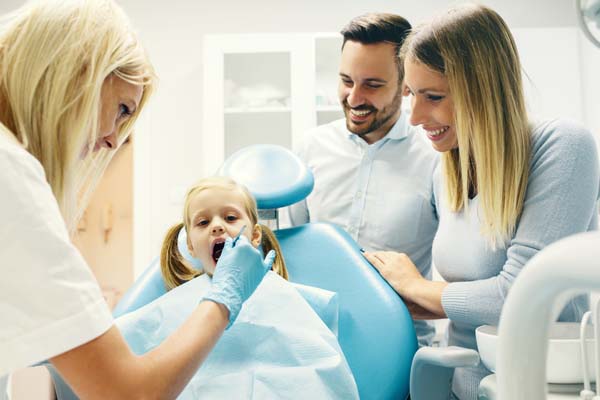
You may need to get your teeth cleaned at your family dentist in Buford more often than you think. The American Dental Association (ADA) suggests that people make at least two teeth cleaning appointments each year. So if you have not had your teeth cleaned in the past six months, you are due for a trip to the dentist. See why it is important to get your teeth cleaned by a dental professional twice in a year at the minimum.
Patients should have their teeth cleaned by their family dentist twice a year to prevent tooth decay. Tooth decay, also known as a cavity, is hard to avoid even for people practicing good dental hygiene at home. Sugar and bacteria can break down the tooth enamel and result in painful and annoying cavities. With regular teeth cleanings, the damage can be found early and cavities can be prevented or treated immediately. Patients can save time, money and trouble by having their teeth cleaned by a dental professional twice a year.
As soon as a patient leaves the dental office, plaque starts to build up again. When plaque hardens, it becomes tartar, which can lead to gum disease. A toothbrush cannot remove this toothbrush — the dentist must use specific tools to remove plaque and tartar. If plaque is not removed early, this could bring about more serious oral problems. These include pain and inflammation of the gums, gum disease and tooth loss. In severe cases, there is a possibility of heart attack or stroke. If early signs of inflammation are discovered, the gums can be saved with regular teeth cleanings by the family dentist.
In addition to tooth decay and gum disease, there may be warning signs of heart disease and diabetes in the mouth. Inflamed gums and loose teeth have been linked to heart disease. This could happen because the bacteria in the mouth can travel to the heart and damage it. Gum disease has also been connected to diabetes because high blood sugar causes the production of more plaque in the mouth. Diabetics often suffer from bad breath or dry mouth because of the excess amounts of plaque. So a family dentist may be the first person to spot early signs of diabetes or heart disease. Dental professionals can detect health issues when performing regular teeth cleanings.
While it may seem tedious to visit your family dentist, it is an important part of staying healthy. You need to have your teeth cleaned twice a year to prevent tooth decay, remove plaque and tartar and check your overall health. Regular teeth cleanings by a dental professional will prevent problems down the road. Schedule an appointment with your family dentist in Buford today.
Request an appointment here: https://buforddentist.com or call North Atlanta Center for Cosmetic & Implant Dentistry at (770) 932-1115 for an appointment in our Buford office.
Check out what others are saying about our services on Yelp: Read our Yelp reviews.
