Yes, you can eat—but only soft, cool, and gentle foods for the first few days after wisdom teeth removal. Avoid anything hard, crunchy, spicy, or sticky to prevent complications like dry socket and delayed healing.
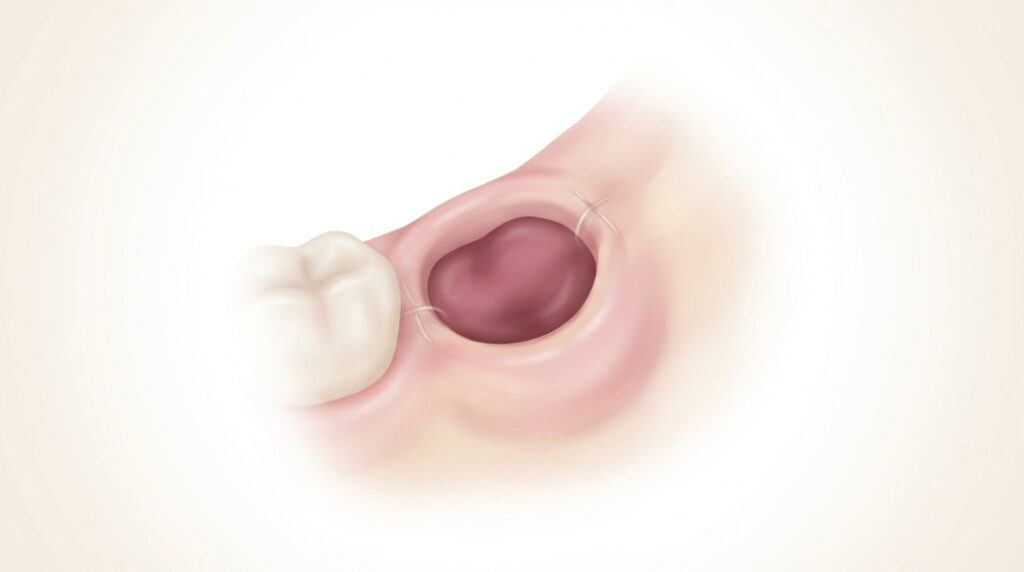
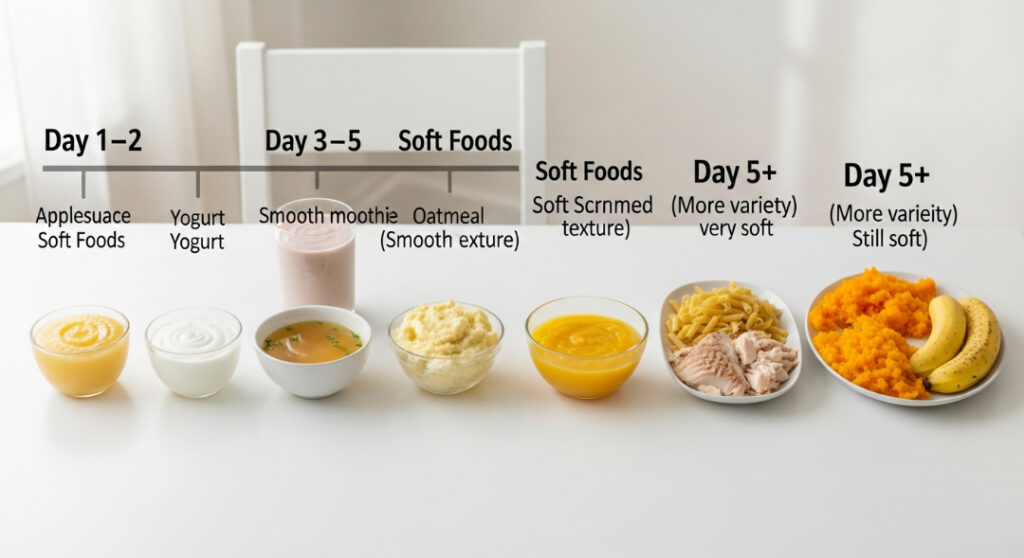
After your wisdom teeth are removed, your mouth goes through several healing stages. Each phase affects what you can—and can't—safely eat.
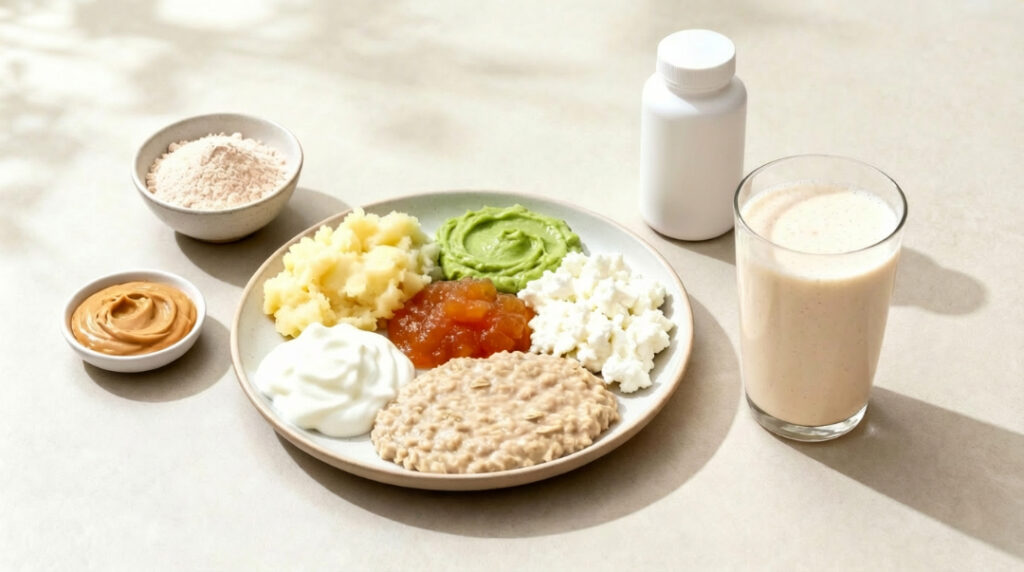
Your food choices impact how fast—and how well—you heal. Eating the wrong things can lead to infection, pain, or longer downtime.
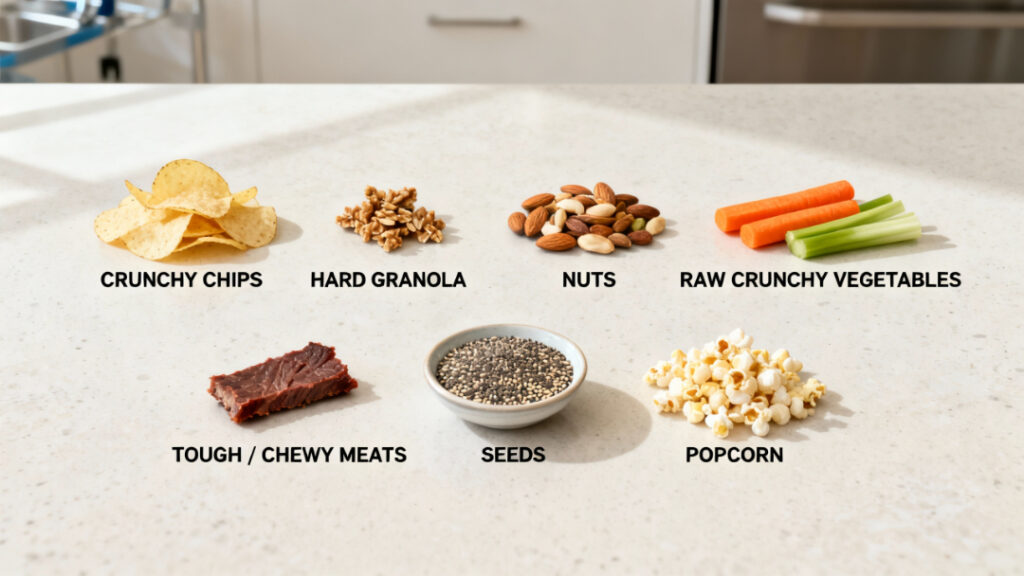
Why: These can irritate the surgical site or dislodge blood clots.
Why: Chewing puts pressure on healing areas and increases risk of injury.
Why: Heat and spice can increase inflammation and irritate healing tissue.
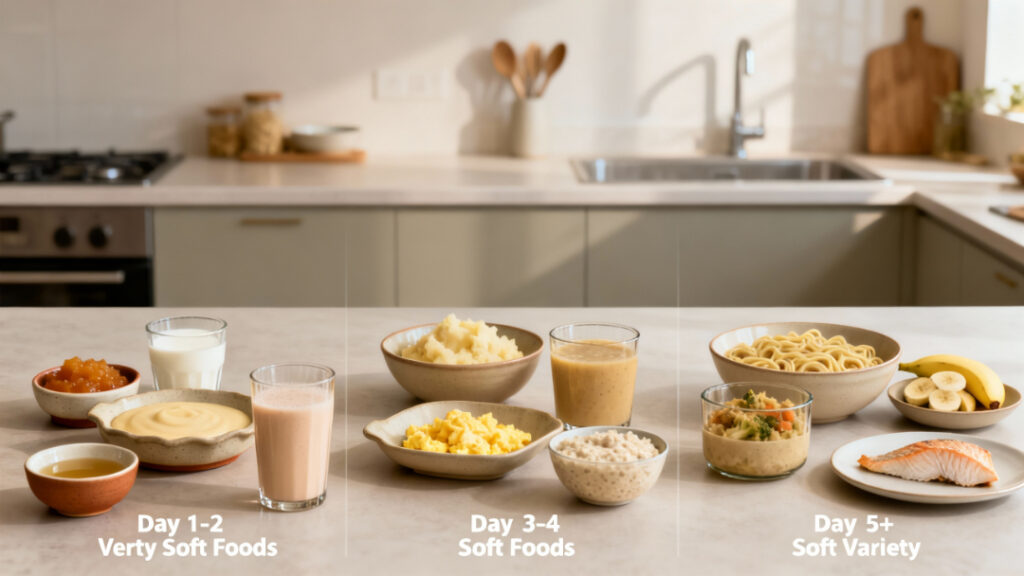
Stick to soft, nourishing meals during the first two weeks and avoid foods that can harm your healing gums—smart eating is a key step toward faster wisdom teeth recovery.
No, avoid pizza for at least 1–2 weeks. The crust is too chewy and may dislodge clots or strain healing tissues.
Yes, ramen is okay after the first 48 hours, as long as it’s lukewarm and not spicy. Use a spoon instead of slurping to avoid pressure changes in your mouth.
Yes, soft white bread (without crust) is fine after 4–5 days. Avoid toasted or crusty types which may irritate the surgical site.
Yes, well-cooked and soft pasta is safe around days 2–3. Avoid hot sauces and stick to smooth textures.
Yes, soft noodles are safe if they’re not hot or spicy. Chew gently and eat slowly to avoid disturbing the clot.
Yes, mac and cheese is perfect after day 3. Its soft texture makes it easy to eat while still being filling.
Yes, soft rice is okay around day 4. Mix it with broth or sauce to prevent grains from sticking in the extraction site.
No, toast is too crunchy and can injure healing gum tissue. Wait at least two weeks before eating anything with a crispy texture.
Yes, shredded or boiled chicken is safe after 4–5 days. Avoid fried or grilled versions that are too chewy.
Soft meats like ground beef are okay after 5–7 days. Avoid tougher cuts like steak until week 2 or later.
Yes, eggs are one of the best recovery foods. Scrambled or soft-boiled eggs are easy to chew and nutrient-rich.
No, steak is too tough and requires too much chewing. Wait at least 2 weeks before attempting steak.
No, bacon is both chewy and crunchy—two textures to avoid. It can irritate or tear the healing site.
Yes, soft ground beef is easy to chew and can be eaten after 5 days. Use it in soups or with soft pasta.
After a week, yes, if they’re not overly crunchy. Soften them with sauce and chew gently.
Yes, after 7–10 days if the bun is soft and the patty isn’t tough. Chew slowly and avoid biting directly onto the healing area.
No, tacos are too crunchy and contain sharp ingredients. Wait until you’re fully healed before eating them.
Yes, soft cheeses like mozzarella or cream cheese are safe after day 2. Avoid firm or aged cheeses early on.
Yes, smooth yogurt is perfect from day 1. Avoid varieties with chunks, seeds, or granola.
Yes, ice cream soothes swelling and is great on day 1. Avoid flavors with nuts or mix-ins that require chewing.
Yes, cottage cheese is high in protein and very soft. It’s a great option starting on day 2.
No, fries are too hard and crunchy for the first week. Even soft fries can break into sharp pieces that irritate wounds.
No, chips are one of the worst offenders for dry socket. Skip them completely for at least 2–3 weeks.
Soft cookies may be okay after 7 days. Avoid hard or crunchy ones until fully healed.
Yes, moist cakes are okay after about a week. Avoid dense cakes with nuts or chunks.
Yes, soft chocolate that melts in your mouth is fine after 5–7 days. Skip anything with nuts or sticky centers.
Avoid candy for 1–2 weeks. Sticky and hard candies pose a high risk to healing tissue.
Yes, soft donuts are generally safe after 5–7 days. Be cautious with filled or glazed types that may stick to your gums.
Fruits & Vegetables
Yes, bananas are soft and ideal from day 1. Mash them if needed to make swallowing easier.
Yes, applesauce is smooth, soothing, and easy to eat. It’s a top choice for day 1 recovery.
Yes, mashed potatoes are one of the best healing foods. Make them smooth and lukewarm.
Only soft or cooked vegetables are safe in the first week. Avoid raw or crunchy ones until you’re fully healed.
Wait 5–7 days to eat salad. Raw greens can get trapped in the socket and disrupt healing.
Texture, Temperature & Spice
No, crunchy food can tear healing tissue or dislodge clots. Avoid for 2–3 weeks or until cleared by your dentist.
No, hard food should be avoided entirely during early healing. It increases your risk of bleeding or dry socket.
No, spicy food can irritate open wounds and cause inflammation. Wait until your mouth has fully healed.
Avoid very hot food for the first 3–4 days. Stick to lukewarm meals to protect healing tissues.
No, sticky foods can pull at stitches or the clot, leading to complications. Avoid them for at least 1–2 weeks.
