After wisdom teeth removal, avoid hot, carbonated, and alcoholic beverages for at least 24–72 hours. Stick with room-temperature water, lukewarm herbal teas, and nutrient-rich drinks without using a straw. Drinking the wrong thing can cause serious complications like dry socket.

Your drink choices immediately after oral surgery can directly affect how quickly and safely you heal. Choosing the wrong beverage may delay your recovery or even cause painful complications.
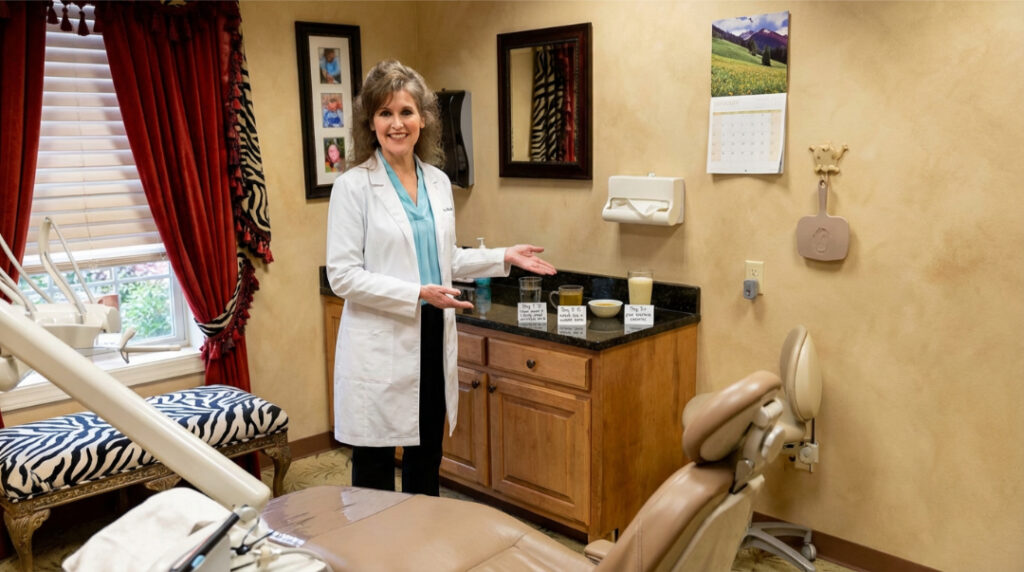
Only consume soft, non-acidic, and cool or lukewarm beverages. Avoid anything that could burn, irritate, or disturb the extraction site.
Best options:
Once bleeding has fully stopped and you’re less swollen, you can introduce more nutritious drinks.
You can safely consume:
As healing progresses, your options increase. However, caution is still needed with heat and acidity.
Drinks you can enjoy (especially if you're wondering can you drink coffee after extraction):

Choosing drinks that promote healing is smart. Go for ones packed with hydration, protein, and anti-inflammatory nutrients.
Top healing drinks:
These support:
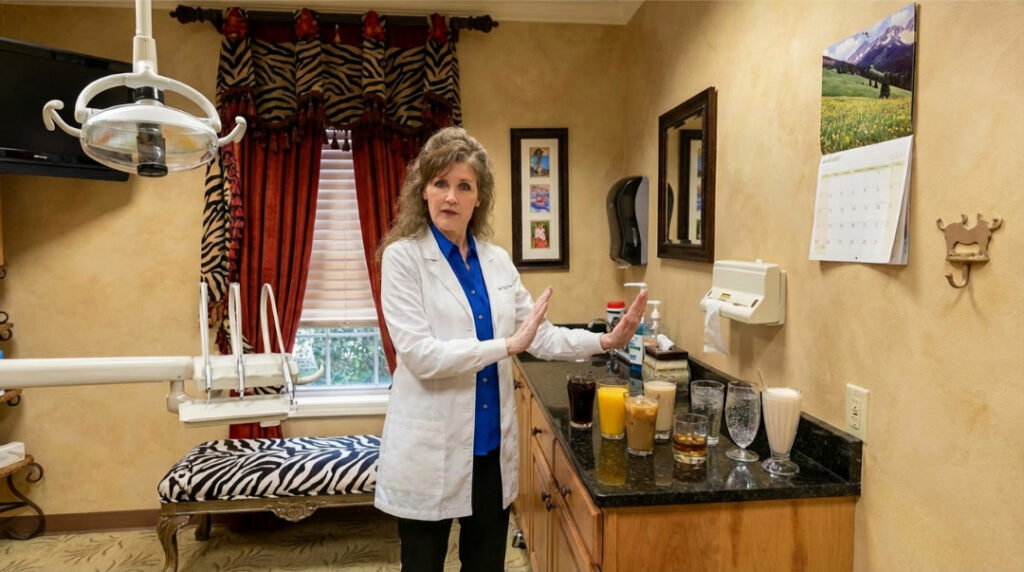
For the first 72 hours, steer clear of:
Drinking soda after wisdom teeth removal is especially risky—carbonation and acidity can disrupt healing and increase the chance of dry socket. Learn more about Soda After Wisdom Teeth Removal.
Why avoid them?
| Timeframe | Safe Drinks | Avoid |
| 0-24 Hours | Water, broths, lukewarm herbal teas | Hot drinks, soda, alcohol, acidic juices |
| 2-5 Days | Smoothies, milk, protein shakes | Citrus juice, carbonated drinks, straws |
| 2-5 Days | Cold brew, coconut water, diluted apple juice | Strong alcohol, high-caffeine drinks |
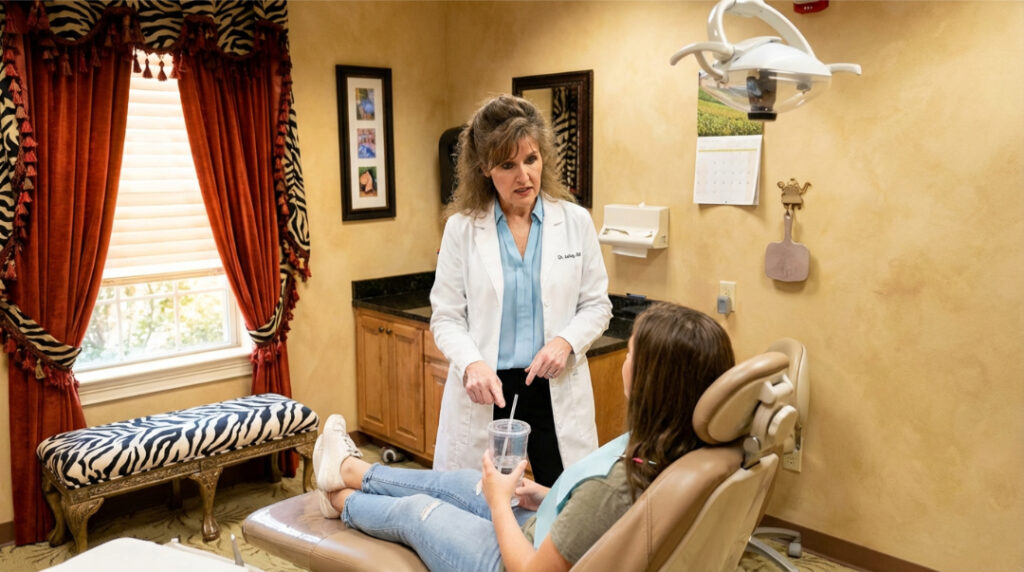
Short answer: Don’t.
Using a straw—even gently—can suck the clot right out of your socket. This can lead to dry socket, which is not only painful but also delays healing for several days.
Rule of thumb:

Fueling your body from the inside helps wounds close faster and keeps your energy up during recovery.
Tip from Buford Dentist:
Stick to room temperature and blend until smooth—avoid seeds, skins, or thick textures early on.
FAQ: What Can You (and Can’t) Drink After Wisdom Teeth Removal?
Coffee & Tea
Yes, after 24 hours. Stick with lukewarm temperatures to avoid damaging the healing tissue or dissolving the blood clot. Hot coffee too soon can trigger dry socket.
Yes, after the first 24 hours. Just avoid using a straw, as the suction can dislodge the clot and slow healing. Sip slowly from a cup instead.
No, avoid it for at least 24 hours. Heat can disrupt clot formation, increasing your risk of infection and dry socket.
Yes, as long as it’s lukewarm and consumed after 24 hours. Even without caffeine, the temperature matters more during early healing.
Avoid hot tea in the first 24 hours. You can introduce lukewarm herbal teas after that to help reduce inflammation and promote relaxation.
Yes, lukewarm herbal teas like chamomile or peppermint are safe. These can soothe the surgical site and even aid in reducing swelling.
Yes, once 24 hours have passed. Just be sure to avoid straws and excessive cold which might irritate sensitive gums.
Avoid it for at least 24–48 hours. It’s both hot and often sugary, which can irritate the extraction site and raise risk of infection.
Juices & Smoothies
Yes, but stick with non-acidic options like diluted apple juice. Avoid anything citrus-based early on due to its irritating acidity.
No, orange juice is too acidic and can sting the surgical area. Wait at least 3–5 days before reintroducing it.
Yes, after the first 24 hours. It’s mild and non-acidic, but still best when diluted and consumed at room temperature.
Yes, smoothies are great after 24–48 hours. Make sure they’re seedless and smooth in texture, and never use a straw.
Yes, and they’re a great source of healing nutrients. Just remember to drink directly from a cup to avoid creating suction.
Milk & Dairy
Yes, lukewarm milk is safe and can provide calcium and protein. Skip the straw and avoid very cold temperatures.
Yes, but in moderation. Make sure it’s not too cold and that you’re sipping it slowly from a cup.
Yes, as long as it’s not too cold and you're not using a straw. Cold temperatures may cause sensitivity in healing tissues.
Yes, Ensure and similar meal replacement drinks are nutrient-dense and easy to swallow. Always consume them without a straw.
Water & Hydration
Yes, and it can even help reduce swelling in the first 24 hours. Just sip slowly and avoid swishing or spitting.
Yes, but be cautious with very cold items as they may trigger pain or sensitivity. Stick to lukewarm or cool over icy.
Yes, but choose low-sugar versions or dilute them with water. Gatorade helps replenish lost electrolytes, especially if you’ve been groggy or haven’t eaten much.
Yes, Pedialyte is a great option for rehydration. It’s gentle and full of electrolytes, making it ideal post-surgery.
Soda & Carbonated Drinks
No, avoid for at least 48–72 hours. The carbonation can dislodge your blood clot and sugar can promote bacterial growth.
No, Coke is both carbonated and acidic, which makes it doubly risky. Wait several days before reintroducing.
No, despite being lighter, Sprite is still carbonated and can affect your healing site. Avoid for at least two days.
Avoid it for the first 2–3 days. Even unflavored sparkling water can cause bubbling at the extraction site, risking clot disruption.
No, carbonation increases the chance of dry socket and slows recovery. Wait until your oral surgeon clears you.
Alcohol
No, wait at least 72 hours. Alcohol thins your blood and may interact negatively with painkillers or antibiotics.
Avoid alcohol entirely for 72 hours or longer. It interferes with healing, increases bleeding risk, and may numb you to signs of infection.
No, wine is acidic and alcoholic, both of which hinder healing. Wait several days and consult your dentist.
No, hard liquor is especially harsh on healing tissues. Delay consumption until the site is fully closed and you're off medications.
Miscellaneous
No. The suction can dislodge the healing clot and cause a dry socket. Avoid all straws for at least 7 days.
Avoid for at least 72 hours. Energy drinks are often highly caffeinated and sugary, both of which can interfere with proper recovery.
