Yes, you still need regular exams even if you have no real teeth. The Importance of Dental Check-Ups goes beyond teeth—dentists check gum and jawbone health, assess prosthetic fit, and screen for oral cancer.
Being edentulous means having no natural teeth left. This does not mean the mouth is problem-free. The soft tissues, gums, jawbone, and prosthetics still need attention.
Different situations fall under having no real teeth:
Each has its own challenges. Denture wearers face sore spots and loose fit. Implant patients need monitoring for bone loss. Fully edentulous individuals need cancer screening and gum care.
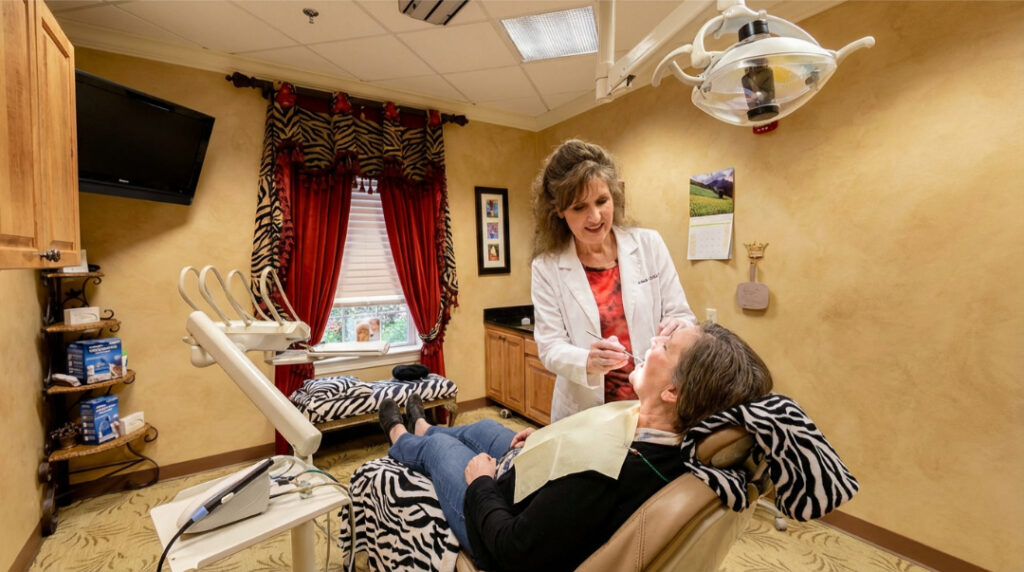
Dentists inspect gums and oral mucosa. Even without teeth, gum disease and infections can occur. Common concerns:
A check-up allows early treatment before issues become painful or chronic.
Losing teeth does not eliminate the risk of oral cancer. In fact, risk factors like tobacco, alcohol, or age remain. At every check-up, dentists examine:
Early detection is key for survival rates.
When teeth are gone, the jawbone begins to shrink. This process is called resorption. It can cause:
Dentists monitor bone changes and recommend imaging like panoramic X-rays every few years.
Dentures and implants require regular assessment. Problems with fit lead to:
Dentists adjust or reline dentures. Implant wearers are checked for stability and tissue health.
Bacteria do not disappear when teeth are gone. Dentures collect plaque, which can irritate gums and spread infection. Common problems include:
Check-ups catch these issues early and ensure prosthetics are properly cleaned.

Most experts recommend regular dental check-ups every 6 to 12 months even without natural teeth.
Frequency depends on:
Implant patients often need closer monitoring. Denture wearers usually need at least one annual visit.
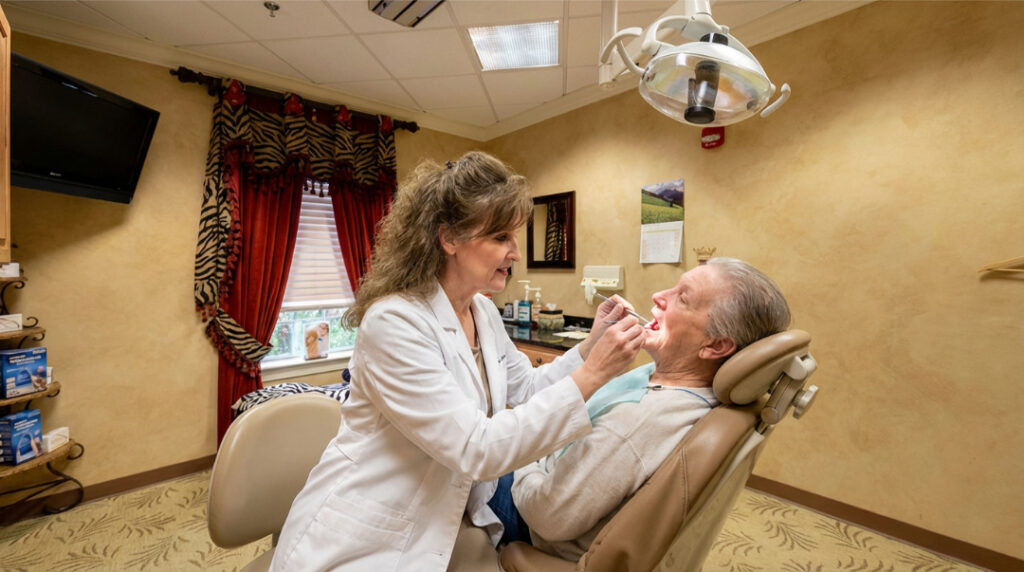
During a routine dental visit, Buford Dentist will:
This process ensures mouth health even without teeth.
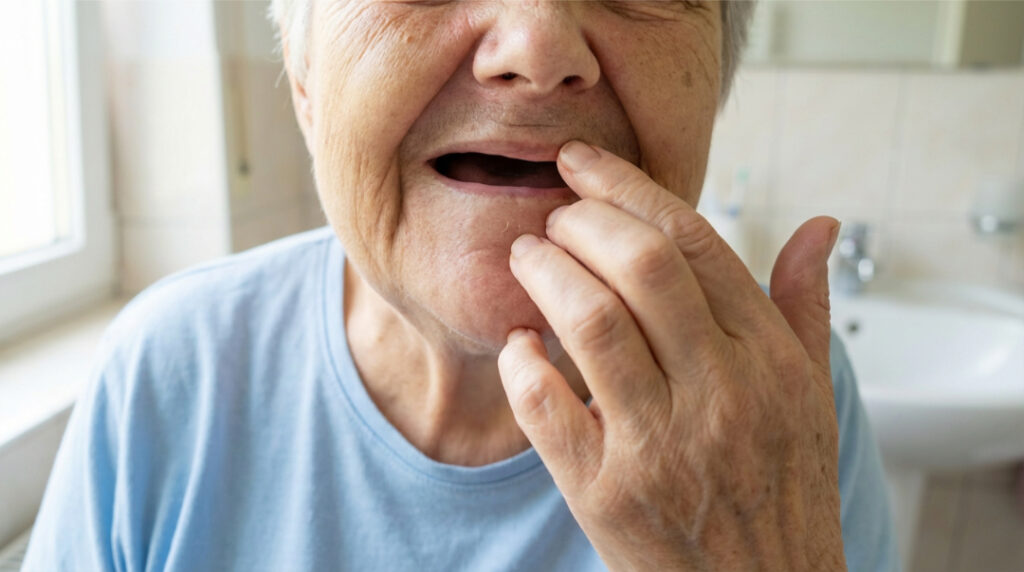
Proper home care reduces problems between visits. Key steps include:
Regular cleaning prevents sores and infections.

Losing teeth affects diet and nutrition. Many edentulous patients avoid tough foods, which can reduce intake of fiber, protein, and vitamins.
Dentists often recommend:
Nutrition advice helps maintain health and quality of life.
Dental check-ups without teeth usually cost less than complex treatments. Insurance often covers preventive visits, cancer screenings, and denture assessments.
Factors affecting cost:
Some clinics offer sliding scale options for seniors or low-income patients.
Even without teeth, certain symptoms signal the need for immediate care:
Ignoring these signs risks serious problems.

Dental check-ups improve more than health. They also protect comfort and confidence. Benefits include:
Patients often report greater satisfaction with daily life when dentures fit well and mouth health is maintained.

Advances in dentistry continue to improve outcomes for those without natural teeth. Future directions include:
Patients who maintain regular visits benefit from these developments early.
Yes. Many oral health problems show no symptoms at first. Routine exams catch issues before they progress.
Most implant patients should see the dentist at least once a year, sometimes more depending on risk factors.
Bone loss cannot be fully reversed, but treatments like grafting or implants slow further resorption.
Watch for sores that do not heal, lumps, or red and white patches. Persistent pain or difficulty swallowing also warrants evaluation.
Implants require closer monitoring than traditional dentures. Both benefit from yearly exams.
Buford Dentist recommends all edentulous patients schedule regular exams. Doing so ensures ongoing oral health and a better quality of life.
