Braces have advanced with new technologies that make teeth straightening faster, more comfortable, and less noticeable. Options like clear aligners, ceramic braces, and AI-driven systems give patients in Georgia and beyond more choices for effective and discreet orthodontic treatment. Buford Dentist provides expert care with modern braces that fit your needs, lifestyle, and budget.
What Are Braces and Why They Matter
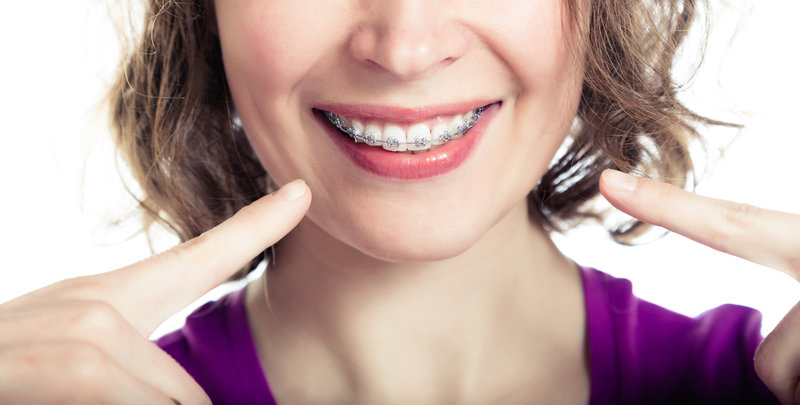
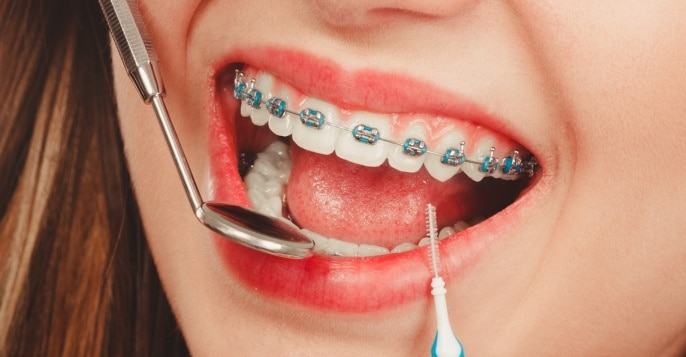
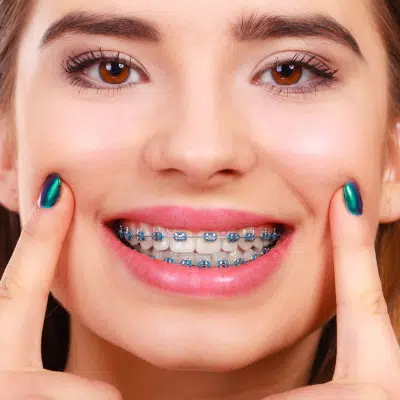
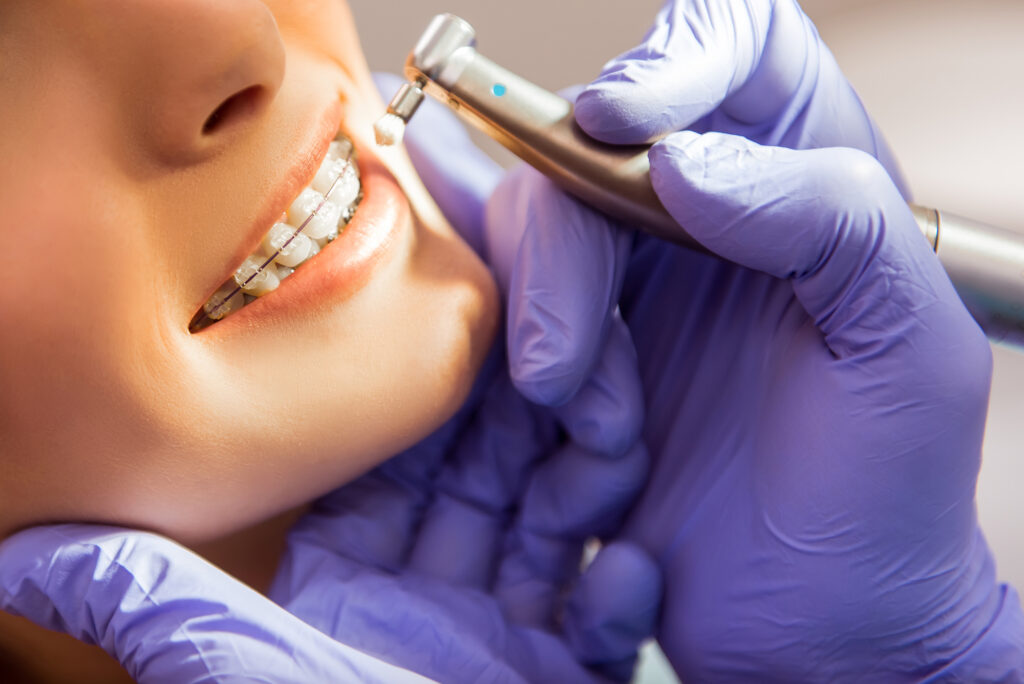
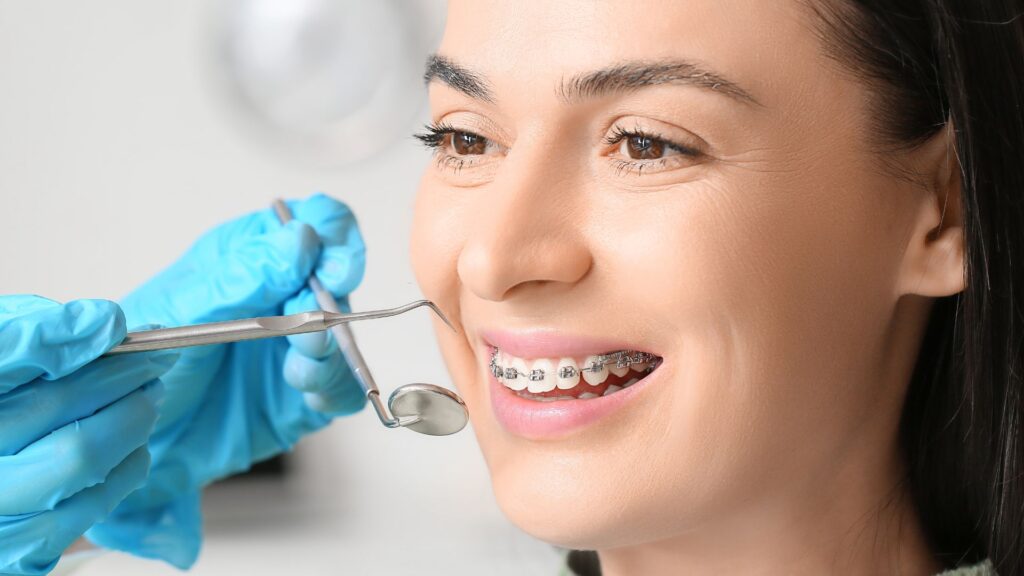
Braces are orthodontic devices that move teeth into proper alignment. They correct issues like crowding, gaps, bite problems, and rotations. Traditional braces used brackets and wires that required frequent tightening. Today, modern braces use lighter materials, advanced wires, and digital planning.
Key components of braces include:
Brackets bonded to the teeth
Archwires that apply pressure to move teeth
Elastic bands or clips that guide movement
Advanced materials for less friction and more comfort
Braces remain FDA-approved orthodontic appliances recommended for both teens and adults.
Modern Advances in Braces Technology
New technology makes braces more effective and appealing.
Self-ligating braces: These use clips instead of elastic bands. They reduce friction and speed up adjustments.
Heat-activated or smart wires: These wires respond to body temperature to gently move teeth with less discomfort.
3D scanning and digital impressions: No more messy molds. Clinics like Buford Dentist use digital scans for precise treatment planning.
Lingual braces: Placed behind the teeth, invisible from the front.
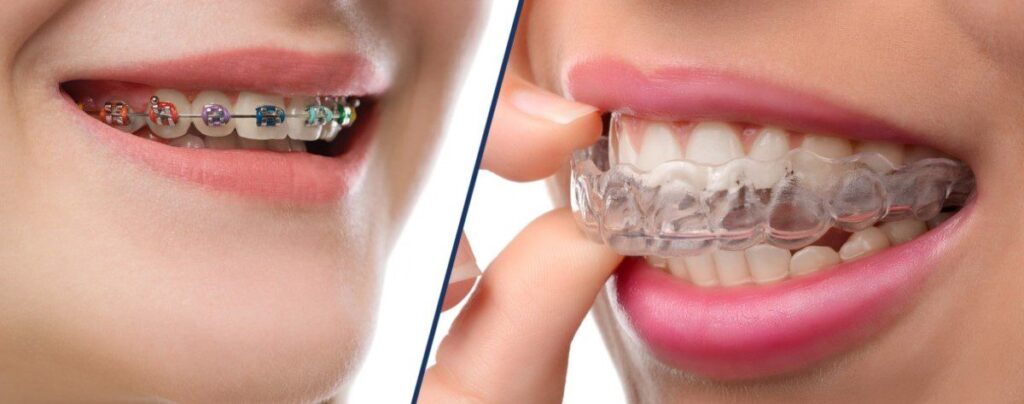
Clear aligners: including Invisalign® Braces, offer removable, nearly invisible trays that make orthodontic treatment more discreet and convenient.
AI-powered systems: such as the Brava system, can finish treatment in under a year. But many patients still wonder, Does Invisalign® Really Work compared to these newer technologies? Studies show Invisalign is highly effective for most mild to moderate orthodontic cases.
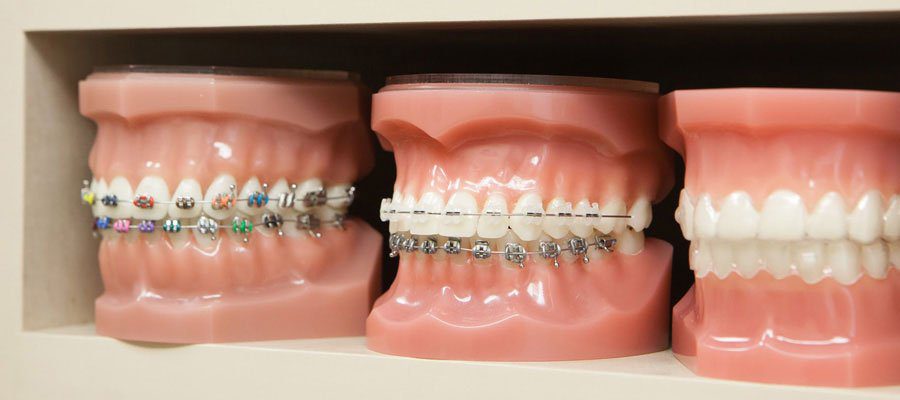
Types of Braces and Their Differences
There are several options for patients today.
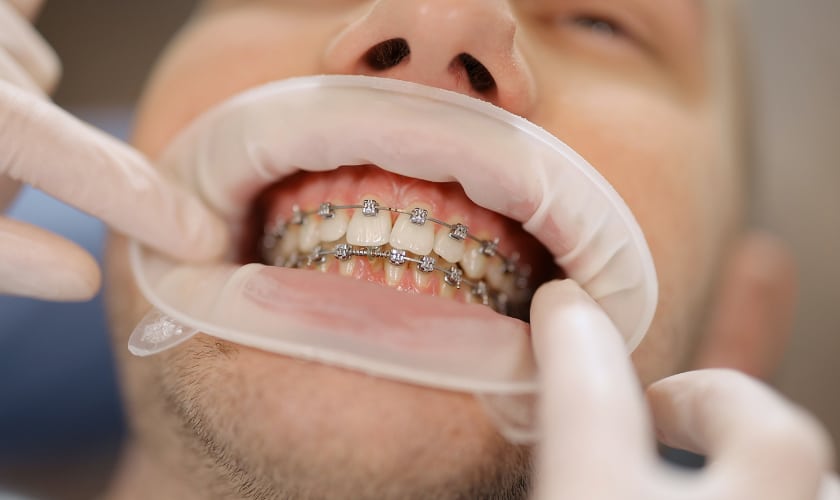
Traditional Metal Braces
High visibility
Durable and effective for complex cases
Lower cost than other types
Often recommended for children and severe misalignments
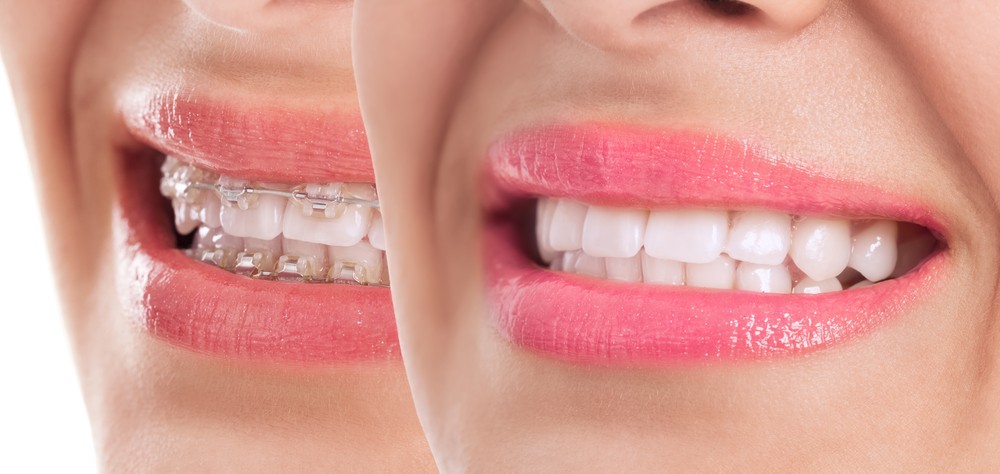
Ceramic Braces
Tooth-colored brackets for a discreet look
Similar treatment time to metal braces
More fragile and need careful oral hygiene
Popular among teens and adults
Lingual Braces
Brackets placed on the back of teeth
Completely invisible from the front
May cause initial tongue discomfort
Higher cost due to specialized placement
Clear Aligners
Removable trays such as Invisalign
Nearly invisible
Require patient compliance to wear 20–22 hours daily
Best for mild to moderate cases
Mid to higher cost depending on complexity
Self-Ligating Braces
Built-in clips replace rubber bands
Less frequent appointments
Reduced discomfort compared to traditional brackets
Fast Orthodontic Systems
Fastbraces and similar systems reduce treatment time
Designed to move both root and crown simultaneously
Some cases complete in 6–12 months
What Impacts Treatment Duration and Results
Treatment time is not the same for everyone.
Factors include:
Severity of misalignment, such as crowding or bite problems
Age, since children’s teeth move faster than adults
Type of braces chosen, with fast systems and AI wires often reducing duration
Patient compliance, including attending appointments and maintaining oral hygiene
Use of modern tools like digital planning and advanced wires
Average treatment length is 12 to 24 months, but with new systems it can be shorter.
Cost and Payment Options in Georgia
The cost of braces in Georgia varies by type and clinic. Buford Dentist provides clear pricing and flexible options.
Average ranges:
Metal braces: $3,000 to $6,000
Ceramic braces: $4,000 to $7,500
Lingual braces: $8,000 to $10,000
Clear aligners: $3,500 to $7,000
Costs in Atlanta are typically higher than rural Georgia due to overhead and demand.
Payment options at many orthodontists include:
Insurance coverage, with partial payment for children and teens
Medicaid, depending on eligibility
Monthly payment plans
Discounts for upfront payment or multiple family members
Comfort, Care, and Lifestyle with Braces
Modern braces are designed with comfort in mind, but patients still experience adjustments.
Pain or soreness usually occurs after tightening or new aligners
Over-the-counter pain relief and orthodontic wax help ease discomfort
Dietary changes may be needed, avoiding sticky or hard foods
Oral hygiene requires brushing after meals and flossing carefully
Clear aligners allow allow normal eating since they are removed during meals, making them especially popular among parents exploring Invisalign® for Teens, which offers a discreet, lifestyle-friendly alternative to traditional braces.
For adults, discreet braces reduce self-consciousness at work or social events. For teens, colored elastics offer personalization, though many families also explore Alternative to Braces for Teens such as clear aligners or ceramic options for a more discreet look.
After Braces and Long-Term Maintenance
Straightening teeth does not end when braces come off. Retainers are critical to maintain results.
Types of retainers:
Fixed retainers: Bonded wires placed behind teeth
Removable retainers: Worn daily or nightly as instructed
Relapse can occur without proper retention. Orthodontists recommend wearing retainers for life, at least at night. Long-term oral health also improves with aligned teeth, reducing risks of gum disease and uneven wear.
Choosing the Right Orthodontist in Georgia
Finding the best provider is as important as choosing the right braces.
Look for:
Board-certified orthodontists with proven experience
Clinics offering advanced technologies like digital scanning and AI-driven braces
Transparent cost structures with payment flexibility
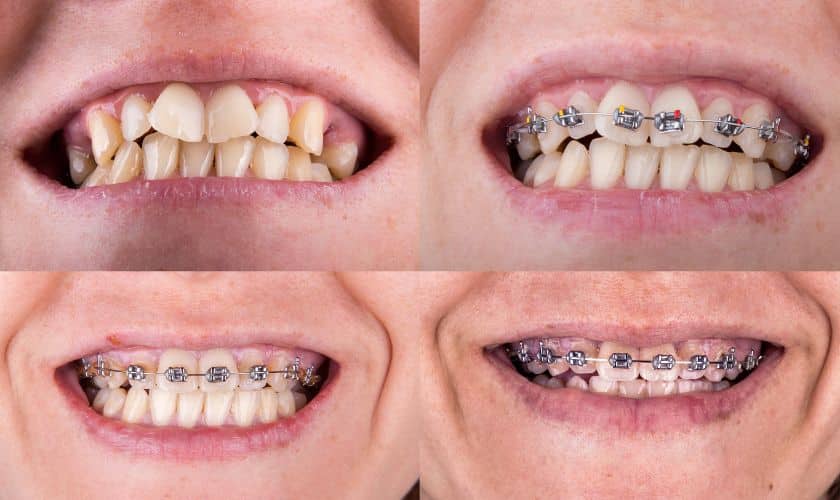
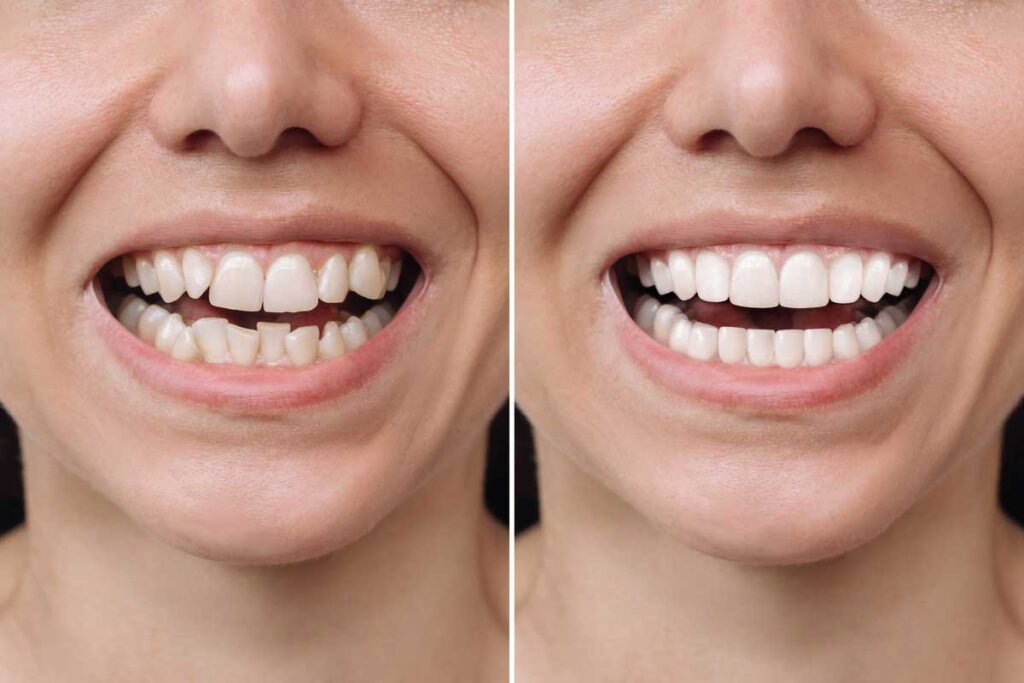
Strong patient reviews and visible before-and-after results
Accessibility, whether in Atlanta or suburban Georgia
Buford Dentist is a trusted choice for orthodontic treatment, offering personalized care with the latest braces technology.
Common Questions about Modern Braces
How long do braces take today?
Most cases take 12–24 months, but with fast systems some finish in less than a year.
Are braces painful?
Discomfort is common in the first week and after adjustments, but modern braces are far less painful than older versions.
Can adults get braces?
Yes, braces work for all ages. Adults often choose ceramic, lingual, or clear aligners for a discreet look.
What is the cost of braces in Atlanta?
Costs range from $3,000 for basic metal braces to $10,000 for lingual braces, depending on complexity and provider.
Do clear aligners work as well as braces?
They are effective for mild to moderate misalignment. Severe cases still require metal or ceramic braces.
Patient Outcomes and Case Examples
Recent studies show that self-ligating braces reduce treatment time by 4 to 6 months compared to traditional brackets. Aligners are effective for over 80 percent of orthodontic cases when patients follow instructions.
Buford Dentist patients often report improved confidence within months of starting treatment. One adult patient completed treatment with clear aligners in 14 months. A teen patient using Fastbraces finished in 11 months with a corrected bite and straightened smile.
Future of Braces and Orthodontics
Technology continues to evolve. AI-driven systems are shortening treatment. New materials are reducing discomfort and making braces less visible. Digital planning allows orthodontists to predict outcomes with higher accuracy.
Patients can expect faster, safer, and more comfortable treatments in the coming years. Orthodontics in Georgia is advancing rapidly, and Buford Dentist stays at the forefront to provide the best care.
Straightening Teeth with Confidence
Braces today are far different from the bulky metal brackets of the past. Patients now have choices tailored to their lifestyle, comfort, and budget. Buford Dentist offers modern orthodontic solutions that combine advanced technology with professional expertise. Straightening teeth has never been more effective, more comfortable, or more discreet.