
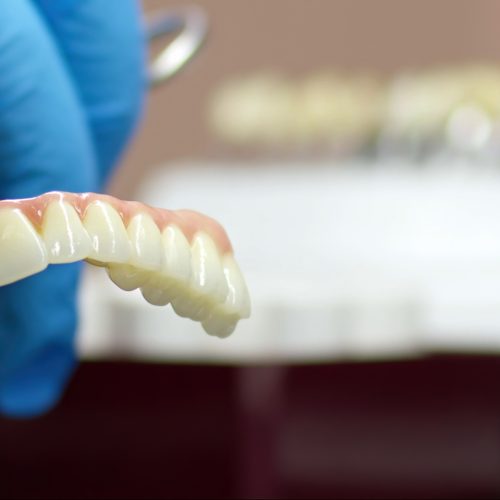
Porcelain fixed bridges are dental prostheses that are used to replace missing teeth. They comprise a series of porcelain crowns that are fused and anchored onto the adjacent natural teeth. They are a popular option for people who have lost one or more teeth because they are natural-looking, long-lasting, and functional.
However, like any dental prosthesis, they can pose certain concerns. We will discuss the dental concerns with porcelain fixed bridges and what you can do to mitigate them.
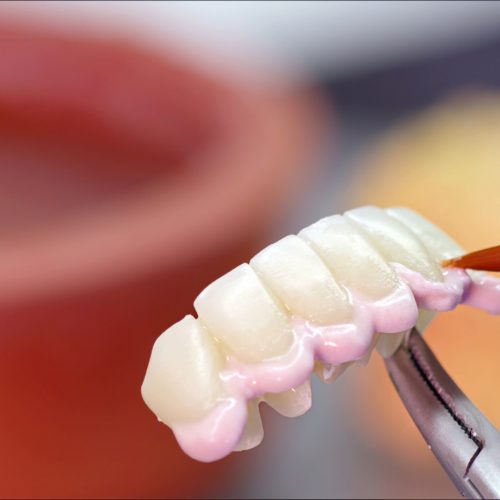
Porcelain fixed bridges are a type of dental bridge that is used to replace one or more missing teeth. Different types of dental bridges are available, but porcelain fixed bridges are a popular option because they are natural-looking, long-lasting, and functional. They consist of a false tooth, a pontic, fused to two porcelain crowns on either side of the gap. The crowns are then anchored onto the existing teeth on either side of the missing tooth, known as abutment teeth.
Porcelain fixed bridges are not the only type of dental bridge available. Traditional bridges are similar to porcelain fixed bridges but are made of metal or ceramic materials instead of porcelain. Dental implants are a more permanent solution to missing teeth but require surgery to implant a metal post into the jawbone.
Overall, porcelain fixed bridges are a popular option for people who have lost one or more teeth and want a natural-looking, functional solution. Your dentist can help you determine if a porcelain fixed bridge is right for you based on your needs and the condition of your remaining teeth.

Fixed bridges offer several benefits, including:
Although fixed dental bridges offer several benefits, they can pose certain concerns. Here are some of the common dental concerns with them:
Decay and Gum Disease
They can make it difficult to clean your teeth and gums properly. If you do not practice good oral hygiene, you may be at risk of developing tooth decay or gum disease. Food particles and bacteria can get trapped between them and your natural teeth, forming plaque and tartar.
Fracture or Breakage
They are durable but can still fracture or break if subjected to excessive force. This can happen if you bite down on hard or sticky foods or suffer a blow to the face.
Bite Problems
They can alter your bite, which can cause problems with your jaw, teeth, and gums. If your bite is not properly aligned, it can lead to jaw pain, headaches, and tooth wear.
Discoloration
They can become discolored, especially if you smoke or smoke dark-colored foods and beverages.
Poor Fit
They need to fit snugly against your natural teeth to be effective. They can cause discomfort, pain, and irritation if they do not fit properly.

To mitigate dental concerns with fixed bridges, here are some tips you can follow:
Good Oral Hygiene
Practicing good oral hygiene is crucial when you have denal bridges. You should brush your teeth twice a day, floss daily, and use an antimicrobial mouthwash to reduce the risk of developing tooth decay and gum disease. You can also use interdental brushes to clean the hard-to-reach areas between your teeth and your porcelain fixed bridge.
Regular Dental Visits
Regular dental visits are important to maintain oral health and ensure that your dental bridge functions properly. Your dentist will check your porcelain fixed bridge for any signs of damage, decay, or gum disease and recommend any necessary treatments or adjustments.
Avoiding Chewing Hard or Sticky Foods
Avoid chewing on hard or sticky foods, such as ice, hard candy, or caramel, as they can damage or dislodge your porcelain fixed bridge. Instead, opt for softer foods, such as cooked vegetables, fruit, and lean protein.
Addressing Bite Issues
If you experience any bite issues, such as discomfort or pain when biting down, or if you notice any changes in your bite, such as a clicking or popping jaw, contact your dentist immediately. They can adjust your fixed bridge to ensure that it fits properly and does not cause any further issues.
Porcelain fixed bridges are a popular option for people who have lost one or more teeth, but they can pose certain dental concerns. To mitigate these concerns, it is important to practice good oral hygiene, visit your dentist regularly, avoid chewing hard or sticky foods, and address any bite issues promptly.
Contact us at North Atlanta Center for Cosmetic & Implant Dentistry if you would like to learn more!